 Anjali Arora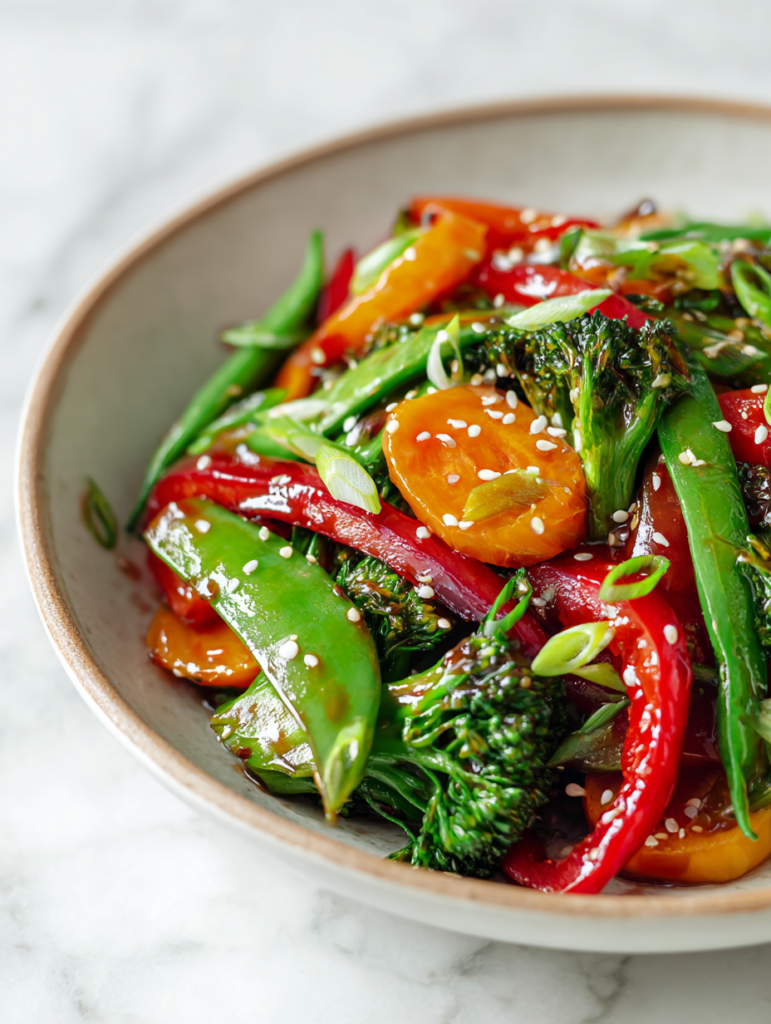
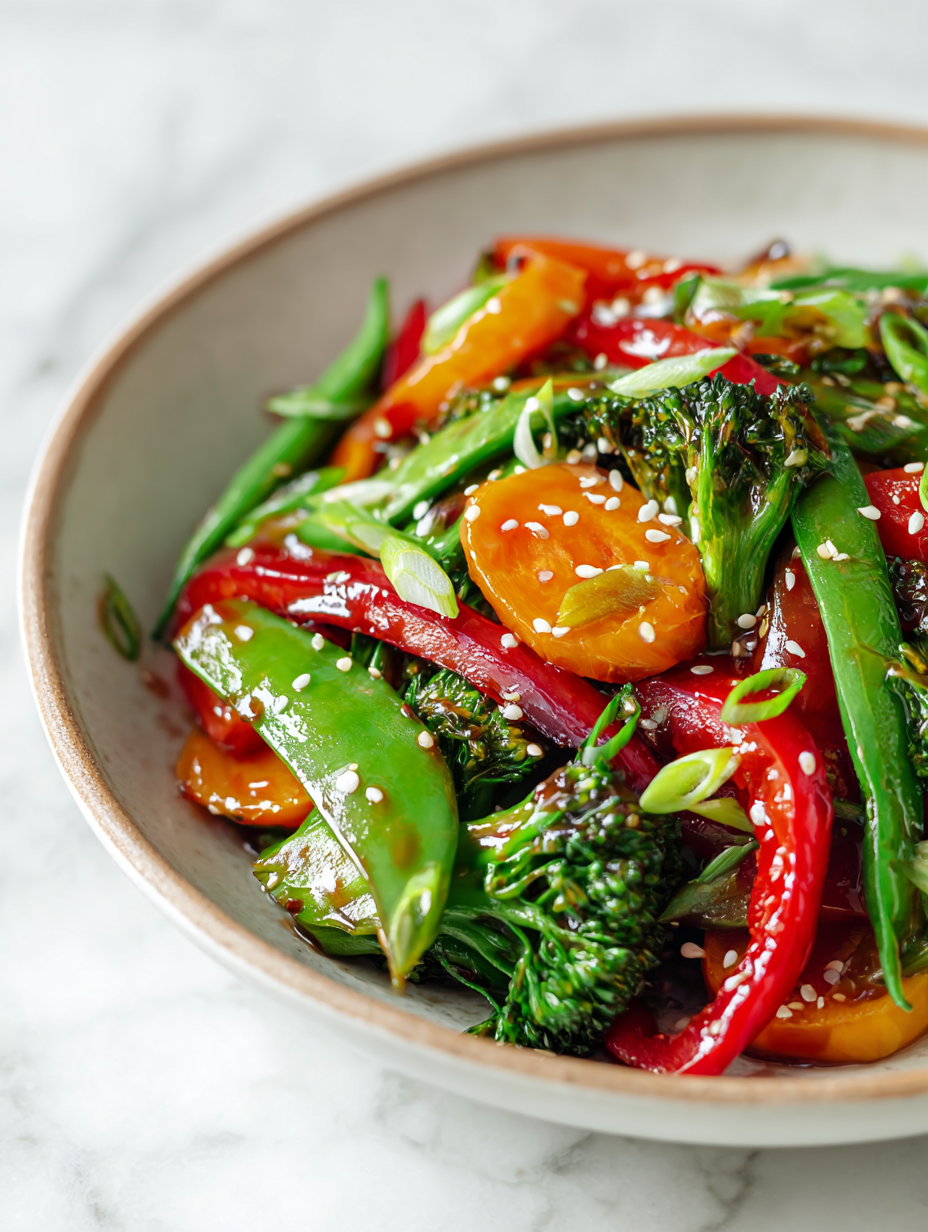
Making vegetable teriyaki isn’t just about tossing veggies in sauce; it’s about creating a visual symphony on your plate. Bright reds, deep greens, and golden yellows come together in a glossy, inviting glaze that makes even the simplest ingredients feel special. It’s a reminder that beauty in food can elevate a quick weeknight dinner into something memorable.
I’ve always loved how a well-presented dish sparks a little joy before you even take the first bite. With this recipe, I focus on balancing color and texture, making sure each vegetable retains its vibrancy and crunch. It’s a straightforward way to turn everyday ingredients into a colorful, flavorful feast that’s almost too pretty to eat—almost.
Focusing on how to make vegetable teriyaki that’s not just tasty but also visually vibrant, highlighting the importance of color balance and presentation in making a simple dish feel special. This approach is about transforming everyday veggies into a feast for the eyes and palate, even on the busiest weeknights.
Vibrant Veggies, Simple Joys
- Watching the vibrant veggies sizzle and turn glossy reminds me how simple ingredients can create something beautiful.
- I still get a thrill when I see the sauce cling perfectly to every piece, making the dish look almost too pretty to eat.
- There’s a quiet satisfaction in chopping everything just right — it’s like preparing a little edible art.
- Honestly, I love how this dish turns humble vegetables into a celebration on the plate, especially after a long day.
- Nothing beats the moment when the aroma of soy, garlic, and caramelized edges fills the kitchen, pulling everyone to the table.
The story behind this recipe
- This recipe grew out of a lazy Sunday afternoon, where I was rummaging through the fridge trying to put together something quick but colorful. I remembered how my grandmother used to toss veggies with a simple homemade sauce, feeling almost nostalgic for those days of unpretentious, vibrant cooking. That moment of spontaneous creation turned into a dish I now turn to when I want something satisfying but not fussy.
- I love how the glossy glaze and bright vegetables make the whole kitchen smell like a savory garden, that sweet soy aroma mixed with garlic always pulls me in. It’s a reminder that even simple ingredients, when handled with care, can create something that feels both comforting and lively. This dish is really about celebrating the everyday veggies and giving them a bit of restaurant flair—no fancy ingredients needed.
- heading: ‘The story behind this recipe’
Historical nuggets of vegetable teriyaki
- Vegetable teriyaki likely originated in Japan, where teriyaki techniques were traditionally used for fish and chicken, but vegetables became a natural, colorful adaptation over time.
- In the 20th century, the dish gained popularity outside Japan as part of the rise of Japanese cuisine worldwide, especially in the United States and Western countries.
- The vibrant glaze is inspired by traditional soy-based sauces, but modern versions often include sweeteners like honey or mirin to enhance visual gloss and flavor complexity.
Vegetable Teriyaki Ingredient Breakdown
- Carrots: I like slicing them thin so they cook quickly and stay slightly crunchy, adding a sweet, tender bite. Feel free to julienne or slice thicker if you prefer more bite.
- Bell Peppers: I prefer using a mix of colors—red, yellow, orange—for visual pop and a touch of sweetness. Searing them until slightly blistered enhances their smoky flavor.
- Broccoli: I cut florets into uniform pieces to ensure even cooking. Blanch briefly before stir-frying for vibrant color and crisp-tender texture, then toss into the sauce for that glossy finish.
- Mushrooms: I love shiitake or cremini for their earthy depth. Sauté until they release their juices and turn a rich, golden brown—this intensifies their flavor and adds umami.
- Teriyaki Sauce: I make my own with soy, mirin, a dash of honey, and ginger. It’s sweet, salty, and sticky—smells like a savory-sweet symphony that clings perfectly to veggies.
- Garlic & Ginger: I mince them finely to infuse the oil early; the aroma should be bright and slightly spicy. Adjust to taste—more garlic for punch, more ginger for warmth.
- Sesame Seeds & Green Onions: I sprinkle these on at the end for crunch, freshness, and that nutty aroma. Toast the seeds lightly beforehand for extra flavor.
Spotlight on Key Ingredients
Carrots & Bell Peppers:
- Carrots: I slice them thin so they cook quickly and stay slightly crunchy, adding a sweet, tender bite. Feel free to julienne or slice thicker if you prefer more bite.
- Bell Peppers: I prefer using a mix of colors—red, yellow, orange—for visual pop and a touch of sweetness. Searing them until slightly blistered enhances their smoky flavor.
Broccoli & Mushrooms:
- Broccoli: I cut florets into uniform pieces to ensure even cooking. Blanch briefly before stir-frying for vibrant color and crisp-tender texture, then toss into the sauce for that glossy finish.
- Mushrooms: I love shiitake or cremini for their earthy depth. Sauté until they release their juices and turn a rich, golden brown—this intensifies their flavor and adds umami.
Notes for ingredient swaps
- Dairy-Free: Swap soy sauce with coconut aminos for a similar salty, umami flavor without dairy or soy. It’s slightly sweeter and less intense, but still works great.
- Vegan: Use agave syrup or maple syrup instead of honey in the sauce. It adds a subtle sweetness and keeps everything plant-based.
- Gluten-Free: Ensure soy sauce is gluten-free, or try tamari for a richer, less salty profile that still delivers that savory punch.
- Vegetable Variations: Substitute zucchini or snap peas for a different crunch and freshness, especially if you want a lighter version.
- Oil Choices: Use sesame oil for a nutty aroma or avocado oil for a neutral, high-smoke point option—both add subtle flavor layers.
- Sweetener Tweaks: Add a splash of rice vinegar or a squeeze of lemon for brightness if the sauce feels too heavy or sweet. It brightens the glaze and lifts the flavors.
- Herb Boost: Toss in fresh basil or cilantro at the end for a fresh, herbal kick that complements the umami-rich sauce.
Equipment & Tools
- Large wok or wide skillet: For even heat and quick stir-frying.
- Sharp knife: For fast, precise vegetable prep.
- Small bowl: To mix and pour the sauce.
- Spatula: To toss and stir the vegetables.
- Paper towels: For quick clean-up and handling hot surfaces.
Step-by-step guide to vegetable teriyaki
- Equipment & Tools: Gather a large wok or wide skillet for even heat distribution, a sharp knife for quick, precise cuts, a small bowl for mixing the sauce, and a spatula for tossing. Have a paper towel ready for cleaning as you go.
- Prep Veggies: Slice carrots thin on a bias, julienne bell peppers, cut broccoli into uniform small florets, and clean mushrooms. Keep all ready before starting to stir-fry.
- Heat the Pan: Turn on medium-high heat, around 200°C (390°F). Add a tablespoon of oil—sesame or vegetable. Wait until it shimmers and starts to crackle lightly.
- Sear Harder Veggies: Toss carrots and broccoli first. Cook, stirring constantly, for about 2-3 minutes. They should turn slightly tender but still crisp. Check for a bright color and a slight crackle.
- Add Softer Veggies: Introduce bell peppers and mushrooms. Cook for another 2-3 minutes, stirring frequently. Vegetables should be vibrant, slightly blistered, and fragrant with garlic and ginger aroma.
- Pour in Sauce: Stir together 3 tbsp soy, 1 tbsp mirin, 1 tsp honey, minced garlic, and ginger in the small bowl. Pour over veggies. Let it bubble and thicken, about 1-2 minutes. The sauce should glossy coat everything evenly.
- Final Toss & Check: Toss everything to coat thoroughly. The sauce should cling, and veggies should glisten. If sauce is too thin, cook a bit longer until it thickens. If veggies look dull, give them a quick stir-fry.
- Rest & Finish: Turn off heat. Sprinkle with toasted sesame seeds and sliced green onions. Let sit for 1 minute to settle flavors. Serve immediately on warm plates.
- Checkpoints & How to Know It’s Done: Veggies should be crisp-tender with a shiny glaze, aroma of soy and garlic should fill the air, and sauce should be thick enough to cling without pooling.
Sprinkle with toasted sesame seeds and sliced green onions. Serve immediately while hot and glossy. No resting needed, just a quick drizzle and plating.
How to Know It’s Done
- Veggies are vibrant and crisp with a slight char.
- Sauce is glossy and thick enough to coat without sliding off.
- Aromas of garlic, ginger, and soy are prominent and inviting.
Vibrant Vegetable Teriyaki
Ingredients
Equipment
Method
- Prepare all vegetables by slicing carrots thinly on a bias, julienning bell peppers, cutting broccoli into uniform small florets, and slicing mushrooms. Keep everything ready before cooking.
- Mix soy sauce, mirin, honey, minced garlic, and minced ginger in a small bowl to create the teriyaki sauce. Set aside.
- Heat a large wok or wide skillet over medium-high heat until hot, then add a tablespoon of sesame or vegetable oil. Swirl to coat the pan.
- Add the sliced carrots and broccoli florets to the hot pan. Stir constantly and cook for about 2-3 minutes until they start to turn vibrant and slightly tender with a slight char.
- Next, add the julienned bell peppers and sliced mushrooms. Continue stir-frying for another 2-3 minutes until the vegetables are colorful, slightly blistered, and fragrant with garlic and ginger aroma.
- Pour the prepared teriyaki sauce over the vegetables. Let it bubble and cook for 1-2 minutes until the sauce thickens into a glossy glaze that coats everything evenly.
- Toss the vegetables gently to ensure they are evenly glazed. The sauce should cling to the veggies, giving them a shiny, vibrant appearance.
- Remove from heat and sprinkle with toasted sesame seeds and sliced green onions for added crunch and fresh flavor.
- Serve immediately while the vegetables are crisp-tender and glistening with the savory sauce. Enjoy the beautiful colors and flavors!
Tips and tricks for perfect veggie teriyaki
- Use high heat for quick, flavorful searing. Keep veggies moving to prevent burning.
- Cut vegetables uniformly for even cooking and vibrant presentation. Slightly thicker slices hold crunch better.
- Add sauce gradually, stirring constantly. This prevents clumping and ensures a shiny, even coating.
- Toast sesame seeds lightly before sprinkling. It enhances their nutty aroma and adds depth to the dish.
- Use a wide skillet or wok to give veggies space to fry and caramelize, not steam.
- Finish with a quick splash of lemon juice or rice vinegar to brighten flavors right before serving.
- Keep the pan hot but not smoking to maintain that perfect glossy glaze without overcooking the veggies.
Common mistakes and how to fix them
- FORGOT to dry vegetables before stir-frying → Use a towel to prevent steaming and sogginess.
- DUMPED sauce in all at once → Add gradually, stirring constantly for even coating.
- OVER-TORCHED the veggies → Cook on medium-high, not high, to avoid burning and bitterness.
- MISSED resting the dish → Let it sit 1 minute after cooking for flavors to meld and glaze to set.
Quick kitchen fixes
- When sauce is too thin, splash in a bit of cornstarch slurry, stir, and cook for 30 seconds for quick thickening.
- If veggies release too much water, dump them back in the pan and cook on higher heat to evaporate excess moisture.
- Splash a few drops of lemon juice or rice vinegar if the sauce feels flat or dull in flavor.
- Patch burnt spots by removing them quickly and lowering heat. Add a splash of water to loosen caramelized bits.
- Shield fragile vegetables like bell peppers with a lid if they start to burn or blacken, then uncover to finish crisping.
Prep, store, and reheat tips
- Prep vegetables like slicing carrots and chopping peppers a day in advance; keep in airtight containers in the fridge. Veggies stay crisp for up to 24 hours, retaining their color and texture.
- Make the teriyaki sauce ahead—store it in a jar or small bowl for up to 3 days in the fridge. The flavors meld beautifully overnight, becoming richer and more balanced.
- Cook the vegetables just until tender and glossy, then cool completely before refrigerating. Reheat in a hot pan, stirring until the sauce is bubbly and veggies are heated through, about 2-3 minutes. The glaze will thicken slightly, so stir well to loosen it up.
- Leftover vegetable teriyaki keeps well for 2-3 days in the fridge. The sauce may become slightly sticky; reheat gently to avoid burning. You’ll notice the flavors intensify, making it just as tasty the next day.
- To reheat, microwave in short bursts or stir-fry in a hot pan. Look for a shiny, caramelized coating returning to the veggies, and smell the savory soy aroma re-emerge as it warms.
Top questions about vegetable teriyaki
1. How do I keep vegetables crisp in teriyaki?
Use firm, fresh vegetables with vibrant colors for the best texture and appearance. Overcooked veggies lose their crunch and bright hue.
2. How do I prevent soggy vegetables?
Cook the harder vegetables like carrots and broccoli first, then add softer ones. Stir-fry on high heat and don’t overcrowd the pan.
3. What’s the secret to a shiny teriyaki sauce?
Mix soy sauce, honey, ginger, and mirin in a small bowl. Pour over veggies and cook until the sauce thickens and glazes the vegetables.
4. What equipment do I need for stir-frying vegetables?
Use a wide, shallow pan or wok for quick, even cooking. Have all your ingredients prepped and ready to go.
5. Can I make the sauce sweeter or saltier?
Adjust the sweetness by adding more honey or mirin, or make it saltier with extra soy. Tweak to your taste before adding to the veggies.
6. How should I cut vegetables for teriyaki?
Cut vegetables into uniform pieces for even cooking. Thin slices cook faster and stay crisp, while thicker pieces need longer.
7. Can I prepare this dish in advance?
Vegetables can be prepped a day ahead, stored in airtight containers. Reheat quickly in a hot pan to restore gloss and crunch.
8. What if my sauce is too runny?
If the sauce is too thin, add a cornstarch slurry and cook for a minute until it thickens. Use a quick whisk to combine.
9. How do I get the best flavor in vegetable teriyaki?
Use fresh, high-quality soy sauce and avoid overcooking the vegetables to keep their brightness and texture.
10. How do I reheat vegetable teriyaki?
Reheat leftovers in a hot skillet or microwave until bubbly and fragrant. Add a splash of water or soy sauce if it’s too thick.
This vegetable teriyaki isn’t just a quick meal, it’s a celebration of color and texture that lifts a busy weeknight. The glossy sauce and crisp-tender veggies create a satisfying contrast that keeps every bite interesting.
In the end, it’s about enjoying the simple act of turning everyday ingredients into something vibrant and flavorful. A little bit of prep, a hot pan, and a good sauce—those are the secrets to making this dish feel special, even on the busiest nights.

Hi, I’m Anjali Arora — the curious heart behind Feast Chase.
To be honest, I’ve always felt most at ease in my own company. I’m not exactly a people-person (small talk still makes me cringe), but there are two things I’ve always loved deeply: animals and food.