 Anjali Arora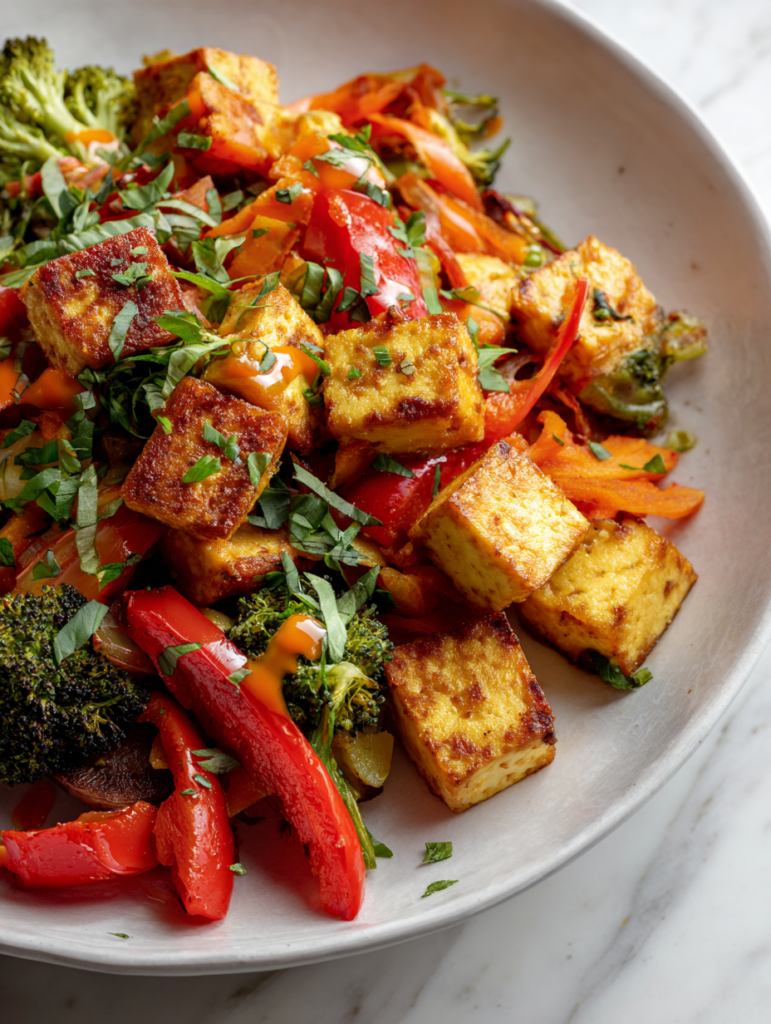
This tofu vegetable skillet is my go-to when weeknights turn chaotic. It’s a dish that comes together fast, without sacrificing flavor or color. I love how it balances the crunch of fresh vegetables with the comforting, smoky richness of browned tofu.
Honestly, I used to think quick dinners meant sacrificing something—more like a beige plate than something lively. But this skillet proves you can toss together something vibrant and satisfying in under 30 minutes. It’s become my rescue meal, especially when I’ve got a fridge full of odds and ends and no time for fuss.
What keeps me coming back is how flexible it is. Whatever veggies I have, whatever tofu is in the fridge—this dish adapts. It’s a reminder that even last-minute cooking can be colorful, tasty, and nourishing, no matter how hectic the evening.
Focusing on how this tofu vegetable skillet can serve as a quick, adaptable weeknight fix that balances vibrant flavors with the chaos of last-minute cooking.
Turning Chaos into Colorful Comfort
- This dish saved me during a chaotic weeknight; it’s quick, satisfying, and forgiving with whatever veggies I toss in.
- Cooking this makes me nostalgic—reminds me of my first apartment, where simple, vibrant meals kept me sane after long days.
- I feel proud every time I get that perfect, crispy tofu crust—it’s a small victory in my busy kitchen.
- There’s relief in knowing I can have a wholesome, veggie-packed dinner ready in under 30 minutes, even when I’m exhausted.
Turning Chaos into Colorful Comfort
- This dish came together during a stretch of busy evenings when I needed something quick yet satisfying. I was tired of relying on takeout or bland leftovers, so I started experimenting with what I had on hand—firm tofu and a jumble of vegetables. The idea was to create something vibrant and textured, but straightforward enough to toss together in one pan.
- One evening, I accidentally let the tofu crisp up more than I planned, and that golden, slightly smoky crust became the unexpected star. It reminded me how simple ingredients can surprise you when cooked with a little attention. Since then, this skillet has become my go-to for busy nights, a way to turn chaos into colorful comfort.
- heading: Turning Chaos into Colorful Comfort
Trivia and Cultural Roots
- This dish has roots in quick, adaptable cooking traditions from East Asia, where tofu and vegetables are staples for fast meals.
- Historically, skillet-style dishes like this emerged as a way to make the most of seasonal produce and pantry staples, especially in busy households.
- The use of tofu in stir-fry-like dishes became popular in modern vegan and vegetarian movements, emphasizing plant-based, protein-rich meals.
- In many Asian cultures, skillet or wok cooking is valued for its efficiency and ability to develop smoky, complex flavors quickly.
- This recipe can be traced back to a desire for nutritious, colorful meals that can be whipped up in under 30 minutes after a long day.
Key Ingredient Insights
- Firm tofu: I like pressing out excess moisture first—makes it crisp up better and avoids sogginess. You can skip if you’re in a rush, but it might be a bit softer.
- Bell peppers: Vibrant and sweet, they add a fresh crunch. Use any color you like, but red brings a smoky sweetness I love in this dish.
- Carrots: I shred them thin—gives a nice bite and sweet aroma. Sliced rounds work too, just sauté a little longer for softness.
- Zucchini: I add zucchini towards the end—its mild flavor and juicy texture balance the dish. If overcooked, it gets mushy, so keep an eye on it.
- Soy sauce: I prefer a splash of low-sodium to control saltiness. The umami richness here is key—don’t skip it, but feel free to add a dash of sesame oil for depth.
- Garlic & ginger: These aromatics are my secret weapons—fill the kitchen with a warm, spicy scent. If you’re sensitive, start with less and build up.
- Sesame oil: A little goes a long way—just a drizzle at the end adds a toasty, nutty aroma that elevates everything.
Spotlight on key ingredients
Tofu:
- Firm tofu: I press out excess moisture first—makes it crisp up better and avoids sogginess. You can skip if you’re in a rush, but it might be a bit softer.
- Bell peppers: Vibrant and sweet, they add a fresh crunch. Use any color you like, but red brings a smoky sweetness I love in this dish.
- Garlic & ginger: These aromatics are my secret weapons—fill the kitchen with a warm, spicy scent. If you’re sensitive, start with less and build up.
Vegetables:
- Bell peppers: Bright and juicy, they give a satisfying crunch and a sweet, smoky aroma when cooked. Use red or yellow for more flavor, or mix colors for fun.
- Carrots: I shred them thin—gives a nice bite and sweet aroma. Sliced rounds work too, just sauté a little longer for softness.
- Soy sauce: I prefer a splash of low-sodium to control saltiness. The umami richness here is key—don’t skip it, but feel free to add a dash of sesame oil for depth.
Notes for ingredient swaps
- Dairy-Free: Swap soy sauce for coconut aminos—less salty, slightly sweeter, but still umami-rich.
- Vegetables: Use snap peas or green beans instead of zucchini—crisp, bright, and quick-cooking.
- Tofu: Firm tempeh works well if you prefer a denser, nuttier bite with a similar crispy exterior.
- Oil: Avocado oil can handle higher heat with a neutral flavor—great for getting that perfect sear.
- Soy Sauce: Tamari offers a gluten-free option with richer, deeper flavor—just watch for salt levels.
- Ginger: Fresh ginger adds zing—powdered ginger can substitute, but it’s milder and less pungent.
- Sesame Oil: Use toasted sesame seeds or oil sparingly—adds nutty aroma without overpowering the dish.
Equipment & Tools
- Heavy skillet (cast iron or stainless steel): Provides even heat for crisping tofu and stir-frying vegetables.
- Spatula: For turning tofu and stirring vegetables without breaking them.
- Paper towels: To press excess moisture from tofu for crispiness.
- Knife and chopping board: For cutting tofu and vegetables with precision.
Step-by-step guide to tofu skillet
- Equip your skillet with a heavy-bottomed cast iron or stainless steel pan, ensuring even heat distribution. Have a spatula and a paper towel handy for pressing tofu.
- Cut the tofu into 1-inch cubes. To get it crispy, press out excess moisture: wrap in a clean towel, place a weight on top, and let sit for 10 minutes.
- Heat 2 tablespoons of oil over medium-high heat (around 200°C/390°F). Once shimmering, add tofu cubes in a single layer. Cook for 4-5 minutes, turning occasionally, until golden and crispy. Remove and set aside.
- In the same pan, add a bit more oil if needed. Toss in 2 minced garlic cloves and 1 teaspoon grated ginger. Sauté for 30 seconds until fragrant, stirring constantly to avoid burning.
- Add sliced bell peppers, shredded carrots, and zucchini (about 1 cup each). Stir-fry for 3-4 minutes until vegetables are bright and just tender, with a slight char.
- Pour in 2 tablespoons soy sauce and a splash of water or vegetable broth. Mix well, letting the flavors meld for 1-2 minutes. The sauce should thicken slightly and coat the veggies.
- Return the crispy tofu to the skillet. Gently toss to combine and heat through for another minute. Check that tofu is heated evenly and veggies are vibrant.
- Finish with a drizzle of sesame oil and sprinkle with chopped green onions or sesame seeds if desired. Give it a final toss and remove from heat.
- Rest the skillet for 2 minutes. Serve hot, garnished with extra herbs or a squeeze of lemon for brightness.
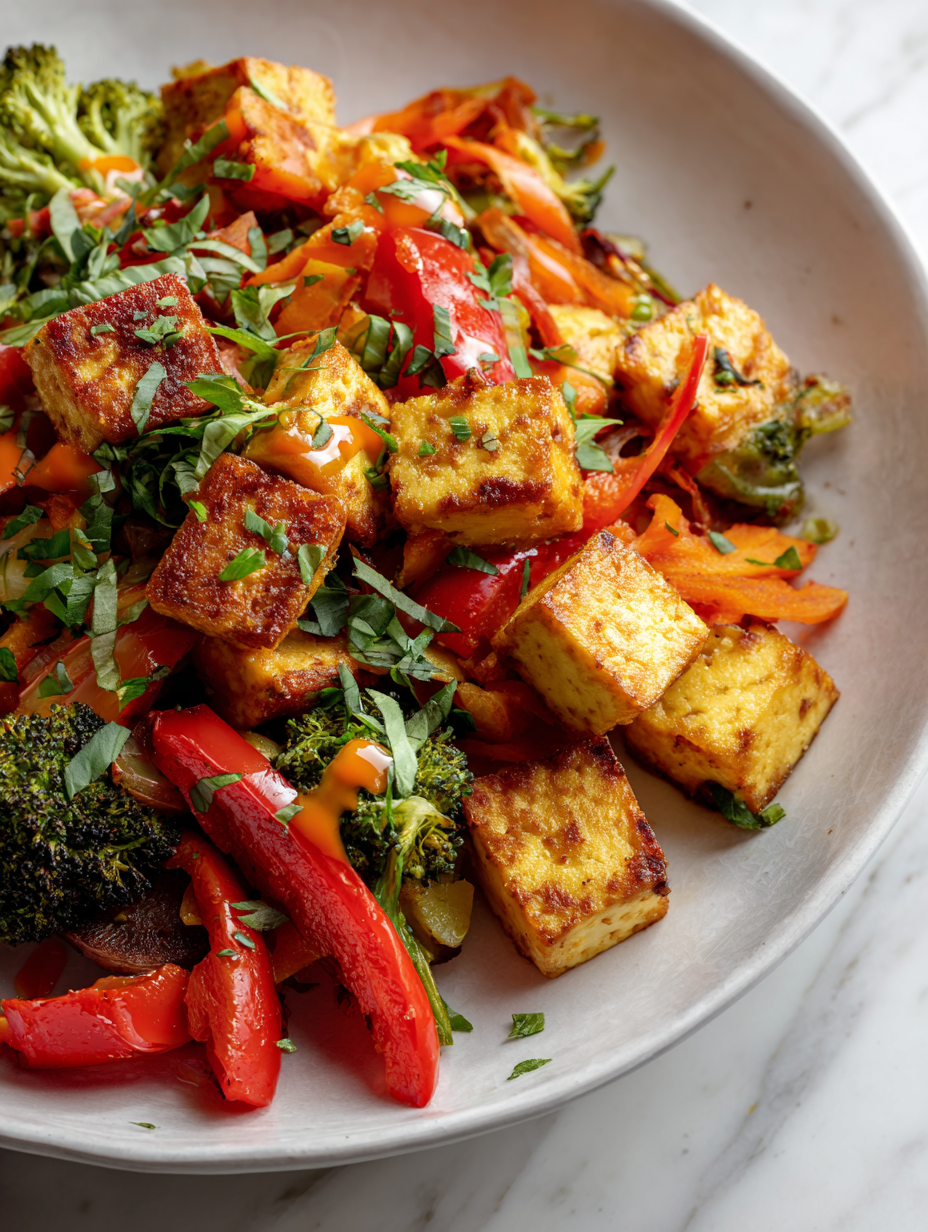
- For checkpoints: the tofu should be crisp and golden, vegetables bright and slightly caramelized, and sauce glossy and clinging to everything.
Let the skillet rest off heat for 2 minutes to settle flavors. Serve directly from the pan, garnished as desired. A squeeze of lemon or dash of hot sauce can brighten the dish just before serving.
How to Know It’s Done
- Tofu is golden and crispy without burning edges.
- Vegetables retain vibrant color and slight crunch.
- Sauce is thickened and coats ingredients evenly.
Tofu Vegetable Skillet
Ingredients
Equipment
Method
- Press the tofu for at least 10 minutes to remove excess moisture, then cut into 1-inch cubes.
- Heat 2 tablespoons of oil in a heavy skillet over medium-high heat until shimmering.
- Add the tofu cubes in a single layer and cook for 4-5 minutes, turning occasionally, until golden brown and crispy on all sides. Remove and set aside.
- In the same skillet, add minced garlic and grated ginger; sauté for about 30 seconds until fragrant, stirring constantly.
- Add sliced bell peppers, shredded carrots, and zucchini to the pan. Stir-fry for 3-4 minutes until vegetables are just tender and vibrant, with slight caramelization.
- Pour in soy sauce and add a splash of water or broth. Mix everything well and cook for another 1-2 minutes until the sauce thickens and coats the vegetables.
- Return the crispy tofu to the skillet, gently tossing to combine and heat through, about 1 minute.
- Finish by drizzling with sesame oil and sprinkling chopped green onions and sesame seeds if desired. Toss gently to combine.
- Remove from heat and let rest for 2 minutes to allow flavors to settle. Serve hot straight from the skillet.
Notes
Pro tips for tofu vegetable skillet
- Press tofu: Squeeze out excess moisture before cooking to achieve a crisp, golden crust that doesn’t turn soggy.
- Use high heat: Cook tofu and vegetables over medium-high (around 200°C/390°F) for that satisfying sear and quick stir-fry.
- Add aromatics last: Toss garlic and ginger in after the oil heats up to release their fragrant oils without burning.
- Layer flavors: Pour soy sauce and a splash of water after veggies soften to create a glossy, flavorful coating.
- Don’t overcrowd the pan: Cook tofu in batches if needed to keep it crispy and prevent steaming, not frying.
- Finish with oil: Drizzle sesame oil at the end for a toasty, nutty aroma that lifts the dish’s brightness.
- Taste and adjust: Always check seasoning at the end—add a splash of soy or lemon to brighten or deepen flavors.
Common mistakes and how to fix them
- FORGOT to press tofu → Squeeze out moisture for crispier texture.
- DUMPED vegetables too early → Stir-fry until just tender, not overcooked.
- OVER-TORCHED tofu → Lower heat if tofu browns too quickly, prevent burning.
- MISSED sauce timing → Add soy and water after veggies soften for even flavor.
Quick fixes and pantry swaps
- If tofu isn’t crispy enough, splash a little more oil and cook longer until golden.
- When vegetables steam instead of sauté, increase heat and spread them out in a single layer.
- Splash soy sauce if the dish tastes bland—quick flavor boost with a smoky aroma.
- Patch over burnt bits with a squeeze of lemon—brightens flavor and masks overcooked spots.
- Shield tofu from sticking by using enough oil and turning gently, especially if pan is cold.
Prep, store, and reheat tips
- Press and cube the tofu ahead of time—keeps it crispier when cooked. Store in an airtight container for up to 24 hours.
- Chop vegetables a day in advance. Keep in sealed containers in the fridge; they’ll stay fresh for 1-2 days and retain vibrant color.
- Mix sauces or prep aromatics early. Store in small jars or bowls in the fridge; they’ll keep for 2-3 days, and flavors deepen overnight.
- Reheat gently in a skillet over medium heat (about 150°C/300°F). Add a splash of water or oil to revive crispness and aroma. Expect aroma to intensify and vegetables to rehydrate.
Top questions about tofu skillet
1. How do I get crispy tofu?
Press the tofu for at least 10 minutes to remove excess moisture, ensuring it crisps up nicely when cooked.
2. What temperature should I cook at?
Use high heat (around 200°C/390°F) to sear the tofu and vegetables quickly, creating that savory caramelization.
3. When should I add aromatics?
Add garlic and ginger after the oil is hot and fragrant, about 30 seconds, to avoid burning and preserve their aroma.
4. How long should I cook the vegetables?
Stir-fry vegetables until they are just tender and still vibrant—about 3-4 minutes—so they retain a slight crunch.
5. How much soy sauce should I use?
Use soy sauce or coconut aminos for flavor; adjust the amount to taste, starting with 2 tablespoons and adding more if needed.
6. How do I reheat this dish?
Reheat leftovers in a skillet over medium heat, adding a splash of water or oil; cook until steaming and veggies are lively again.
7. Can I substitute other vegetables?
Feel free to swap in other vegetables like snap peas or green beans; just add them later if they cook faster.
8. Can I use pre-cooked tofu?
You can use baked or sautéed tofu if pressed for time, but fresh, pan-fried tofu will give better crispiness.
9. How do I finish the dish?
Adding a squeeze of lemon or a drizzle of sesame oil at the end enhances flavor and aroma, making it more vibrant.
10. How can I add more texture?
For extra crunch, sprinkle chopped nuts or seeds just before serving—adds texture and a nutty aroma.
This skillet is more than just a quick meal; it’s a reminder that even in chaos, a colorful, satisfying dinner is within reach. The smoky tofu crust and bright vegetables offer a burst of flavor that lingers, making it a favorite after busy days.
In a world that often moves too fast, this dish grounds me—simple, honest, and full of vibrant life. It’s a little act of mindfulness, turning everyday ingredients into something nourishing and real, right from my own kitchen.

Hi, I’m Anjali Arora — the curious heart behind Feast Chase.
To be honest, I’ve always felt most at ease in my own company. I’m not exactly a people-person (small talk still makes me cringe), but there are two things I’ve always loved deeply: animals and food.