 Anjali Arora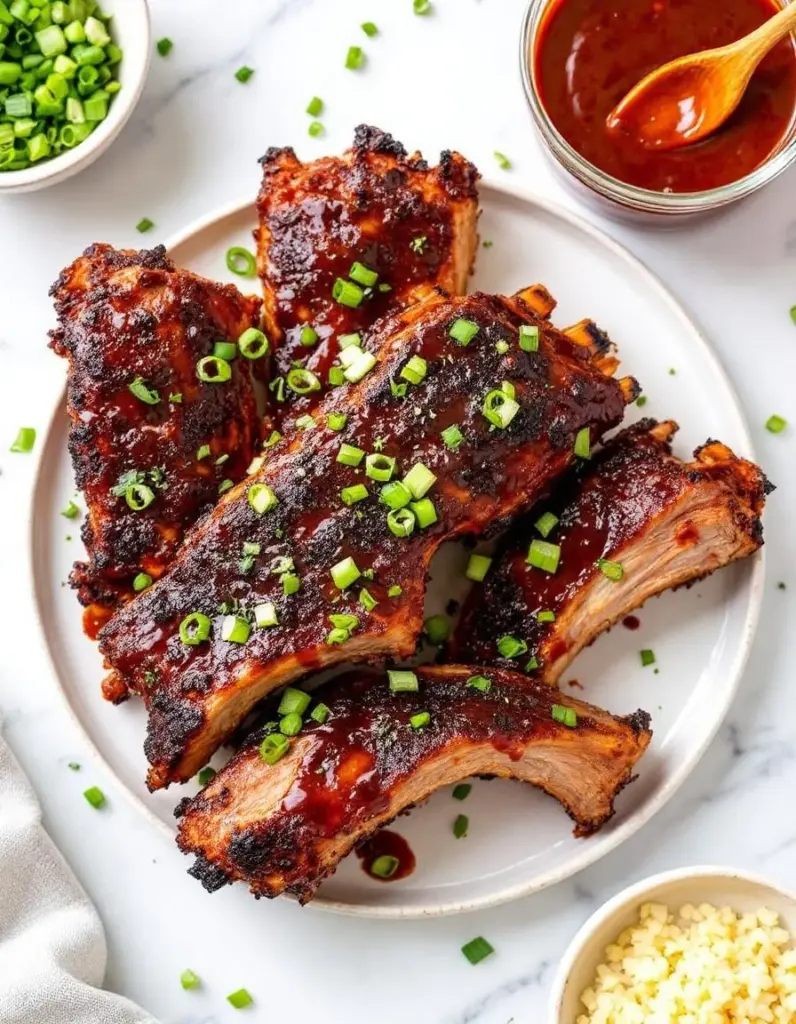
Cooking these ribs means dealing with the mess of rubs and the smoke that sneaks into your nose. You’ll be scraping the sticky marinade off your fingers and adjusting the smoker’s vents constantly.
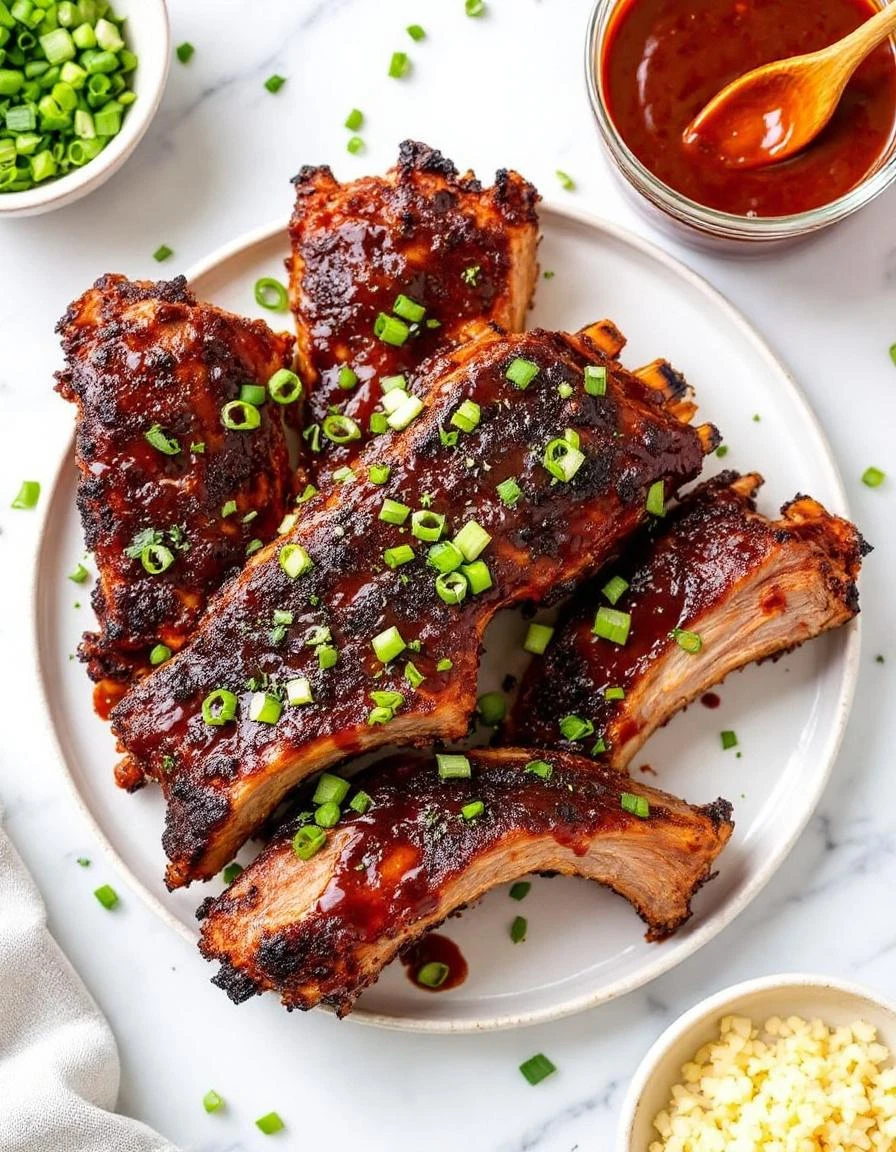
Eating them involves biting through a bark that’s cracked and charred, revealing meat that’s tender and still warm from the smoker. It’s a tactile, smoky dance that sticks to your hands and under your nails.
The crackle of the charred bark as you slice through the ribs, revealing that sticky, smoky interior.
Key Ingredients and Substitutions
- Pork ribs: I go for meaty, well-marbled racks that hold up to hours of smoke; if yours are lean or small, adjust the cooking time so they don’t dry out. Skip the tough, sinewy bits—they won’t melt like the good parts.
- Dry rub: I mix salt, sugar, paprika, and a pinch of cayenne for a smoky, spicy crust. You can tweak the heat or skip the cayenne if you want milder ribs—just don’t forget the salt and sugar for flavor balance.
- Wood chips: Hickory or apple wood give that signature smoky punch. If you don’t have a smoker, soak chips and toss them into a foil pouch; avoid cedar—it’s too sharp and overpowering.
- Vinegar spray: I keep a spray bottle with apple cider vinegar nearby to spritz the ribs. It keeps the meat moist and adds a bright tang. Skip if you prefer a cleaner, less acidic smoke flavor.
- Barbecue sauce: For finishing, I brush on a tangy, sticky sauce right at the end. You can use a store-bought one or make your own with ketchup, honey, and a dash of hot sauce—just go easy on the sweetness if you like smoky more than sweet.
- Apple cider: I sometimes add a splash to the drip pan to create steam and keep things juicy. Skip if you prefer a drier, more bark-focused rib—just watch the heat to prevent flare-ups.
Smoked Pork Ribs
Ingredients
Equipment
Method
- Mix salt, brown sugar, paprika, and cayenne pepper in a small bowl to create your dry rub.
- Pat the pork ribs dry with paper towels, then generously apply the dry rub all over, pressing it into the meat to ensure even coating.
- Preheat your smoker or grill to around 225°F. Place soaked wood chips directly on the coals or in a smoker box.
- Position the ribs on the smoker grates, bone side down, and close the lid. Maintain a steady temperature around 225°F and smoke for about 3 to 4 hours, spritzing with apple cider vinegar every hour to keep the meat moist.
- Adjust the smoker vents to control airflow and smoke density, adding more soaked wood chips gradually to sustain a balanced smoky flavor.
- Once the ribs develop a deep, cracked bark and feel tender when gently probed, remove them from the smoker and let rest for 15 minutes, loosely covered with foil.
- Slice the ribs between the bones to reveal the juicy, smoky interior with a crackly crust.
- Brush your favorite barbecue sauce over the ribs, then return to the smoker or grill for an additional 15 minutes to let the sauce set and caramelize.
- Serve the ribs hot, with plenty of napkins and your favorite sides for a smoky, flavorful feast.
Notes
Common Mistakes and How to Fix Them
- FORGOT to maintain consistent smoker temperature → Use a reliable thermometer and keep it steady.
- DUMPED too much wood at once → Add wood gradually for balanced smoke and avoid overpowering flavors.
- OVER-TORCHED the ribs early → Keep an eye on the heat and avoid direct flames touching the meat.
- SKIPPED the resting period → Let ribs rest for at least 15 minutes; juices redistribute for better tenderness.
Make-Ahead and Storage Tips
- Rub the ribs a day ahead to let flavors sink in, then wrap tightly and store in the fridge for up to 24 hours.
- Pre-smoke the ribs until just shy of finished, then cool quickly and freeze for up to 3 months; reheat slowly.
- The flavor deepens after a day—smoky, spicy notes become more pronounced, but they can also mellow if left too long.
- Reheat in a low oven (around 250°F) covered with foil, checking every 20 minutes until warmed through and bark is crispy again.
FAQs
1. How do I choose the best ribs?
Look for ribs with a good marbling of fat and a deep pink hue. The fat melts during smoking, making the meat juicy and tender, while the color indicates freshness.
2. How do I keep the ribs moist?
Use a gentle, consistent smoke and keep the temperature steady around 225°F. Too much heat can dry out the meat, and inconsistent heat makes for uneven cooking.
3. How do I know when ribs are done?
Cook until the meat pulls back from the bones and feels tender but not falling apart. The smell should be smoky with a hint of caramelized spice, and the meat should be warm and juicy.
4. When should I sauce the ribs?
Apply your sauce in the last 30 minutes to avoid burning the sugars. The final layer should be sticky, smoky, with a slight char that crackles when you bite into it.
5. Why rest the ribs after cooking?
Let the ribs rest covered loosely with foil for at least 15 minutes. The juices settle, and the smoky aroma intensifies, giving a better bite and flavor with less mess on your hands.

Hi, I’m Anjali Arora — the curious heart behind Feast Chase.
To be honest, I’ve always felt most at ease in my own company. I’m not exactly a people-person (small talk still makes me cringe), but there are two things I’ve always loved deeply: animals and food.