 Anjali Arora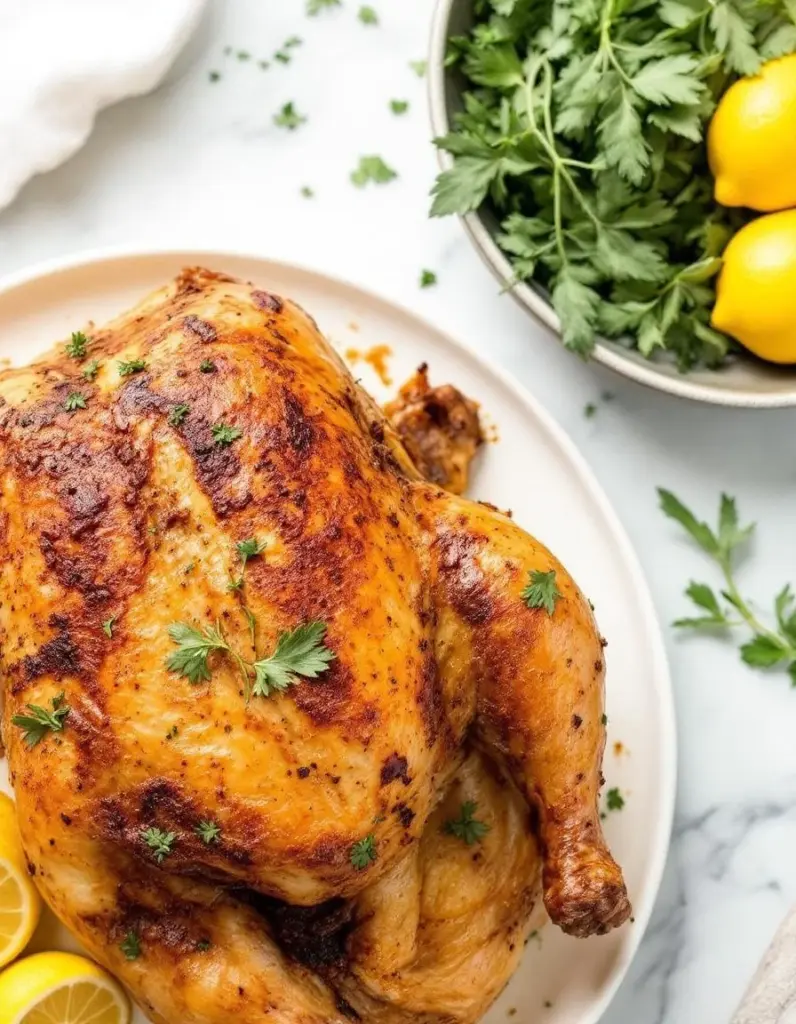
Setting up for beer can chicken means balancing the bird on an open can, trying not to knock it over as you season and stuff. The mess of spices, the drips from the bird, and the inevitable juice splatters are part of the process.
You’ll need to get the grill hot and keep a steady temperature—this isn’t a dish for fiddling with the heat once it’s going. The crackle of the skin as it hits the hot grill, that initial burst of smoky aroma filling the air before the first bite.
The crackle of the skin as it hits the hot grill, that initial burst of smoky aroma filling the air before the first bite.
What goes into this dish
- Whole chicken: I prefer a good organic bird, but a standard supermarket one works too. Just make sure it’s not frozen solid, and pat it dry—dry skin crisps up nicely on the grill, giving that satisfying crackle.
- Beer: Any lager or pale ale adds a subtle malt aroma, but you can swap in soda water for a neutral, bubbly lift. The idea is to keep the bird moist and give it a smoky, oozing character.
- Spices: A simple rub of salt, pepper, paprika, and garlic powder keeps it straightforward. Feel free to add cayenne or herbs, but don’t overdo it—let the grill’s smoke do its thing.
- Herbs and aromatics: Stuff the cavity with lemon halves, garlic, and thyme for brightness. Skip if you want a more neutral flavor, but the citrus really zings against the smoky skin.
- Oil or butter: Brushing the skin with a little oil helps crispness and golden color. Swap for bacon fat if you’re feeling indulgent—adds a smoky, salty punch.
- Can: Use an empty, clean soda or beer can—no rust, no residual flavors. For a different twist, try a small metal cup filled with broth or cider for extra flavor infusion.
- Grill setup: Indirect heat is key—set your coals or burners to one side, and keep the can and bird on the cooler side. It’s all about steady, moderate heat, not flames licking the skin.
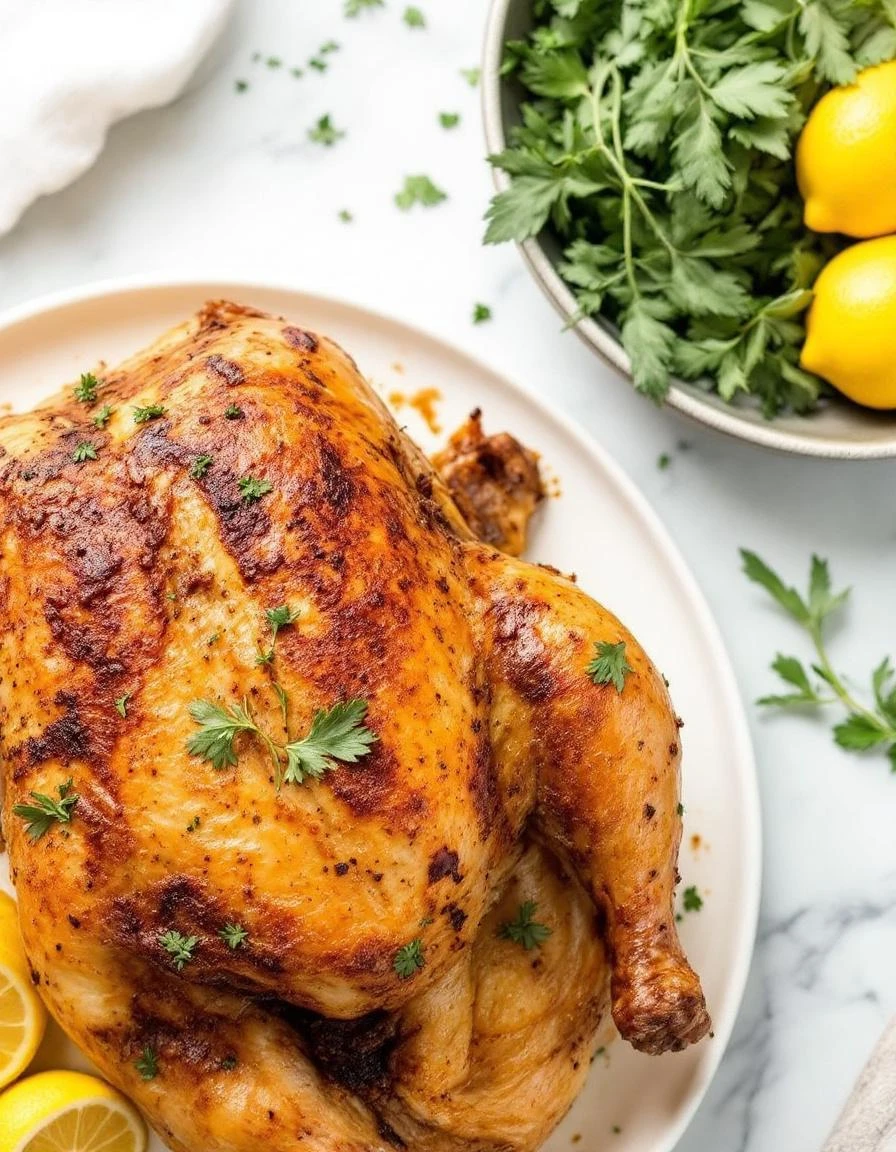
Beer Can Chicken
Ingredients
Equipment
Method
- Preheat your grill to a steady medium-high heat, aiming for around 375°F to 400°F. Meanwhile, mix salt, pepper, paprika, and garlic powder in a small bowl to create your spice rub.
- Pat the chicken dry thoroughly with paper towels, especially the skin, to ensure it crisps up during grilling. Rub the spice mixture all over the chicken, including inside the cavity, to build flavor.
- Stuff the cavity with lemon halves, crushed garlic cloves, and thyme sprigs for brightness and aroma. Secure the cavity closed if needed with kitchen twine or toothpicks.
- Open the beer can and pour out or drink a small amount to make room. Place the can on a stable surface, then gently lower the chicken onto the can, balancing it upright with legs on the grill rack. The chicken should sit securely on the can.
- Brush the chicken skin lightly with oil to promote crispness and golden color. Carefully transfer the chicken with the can onto the preheated grill, positioning it on the cooler side for indirect heat.
- Close the grill lid and cook the chicken for about 1 to 1.5 hours, maintaining steady temperature. During cooking, avoid opening the lid frequently to keep the heat consistent, and baste with oil if needed for extra shine.
- Check for doneness by inserting a meat thermometer into the thickest part of the thigh; it should read 165°F. The skin should be deeply golden and crackling, with a smoky aroma filling the air.
- Use tongs to carefully remove the chicken from the grill, letting it rest for about 10 minutes to allow juices to redistribute. Carefully lift the chicken off the can, placing it on a serving platter.
- Slice or serve the chicken whole, enjoying the crispy, crackling skin and juicy, flavorful meat. The smoky aroma and golden appearance make it perfect for a satisfying meal.
Common mistakes and how to fix them
- FORGOT to dry the chicken skin thoroughly, resulting in less crispiness—pat it dry and start fresh.
- DUMPED too much oil on the skin, making it greasy—use sparingly for a crispy finish.
- OVER-TORCHED the skin early, leading to burnt patches—keep an eye on heat and turn down if needed.
- MISSED the temperature check, causing uneven cooking—use a meat thermometer for best results.
Make-Ahead and Storage Tips
- You can season the bird a day ahead, keeping it covered in the fridge overnight to deepen the flavors.
- The chicken can be stored in the fridge for up to 24 hours before grilling, but no longer—the skin might lose its crispness.
- Marinating or dry brining the bird overnight can make the meat juicier and the skin more flavorful, but skip if pressed for time.
- Reheat leftovers in the oven at 350°F, checking every 10 minutes—look for that crispy skin and warm, tender meat.
- The smoky flavor will intensify if you keep the cooked chicken in a sealed container in the fridge for up to 3 days, but the skin may soften.
- Reheating will soften the skin; for crispiness, briefly broil the chicken at the end, watching closely for burning.
FAQs
1. Why does the skin crackle so much?
The skin crackles loudly as it hits the hot grill, giving that satisfying smoky aroma and crispy texture. The juices inside stay tender and oozy, contrasting with the crunchy exterior.
2. How do I get crispy skin?
Use a dry bird and high heat to get that perfect crispy skin. Too much oil or too low heat can make it soggy, losing that snap.
3. How long does it take to cook?
Cooking times depend on size, but usually around 1 to 1.5 hours at steady heat. The meat should be juicy and the skin deeply golden and crackly.
4. How do I know when it’s done?
Pierce the thigh to check for clear juices, and use a meat thermometer—aim for 165°F in the thickest part. It’s the best way to avoid under or overcooking.
5. How to reheat without losing crunch?
Reheat leftovers in the oven at 350°F until hot and the skin crisps up again—usually about 10-15 minutes. Keep an eye on the skin so it doesn’t burn.

Hi, I’m Anjali Arora — the curious heart behind Feast Chase.
To be honest, I’ve always felt most at ease in my own company. I’m not exactly a people-person (small talk still makes me cringe), but there are two things I’ve always loved deeply: animals and food.