 Anjali Arora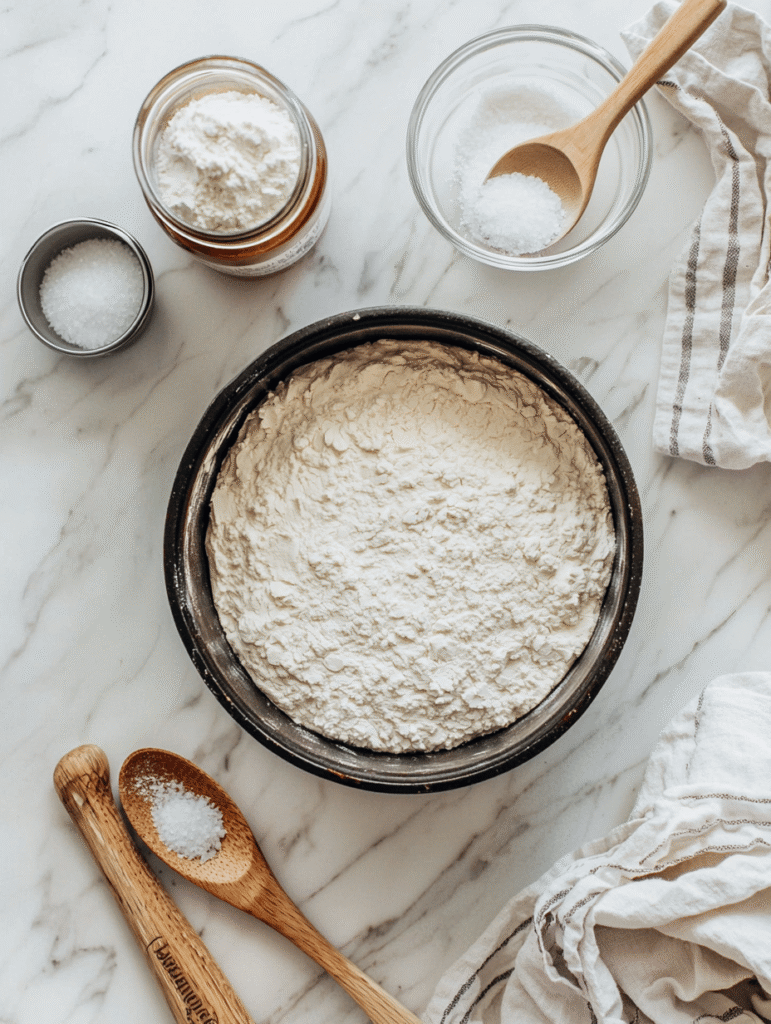
Let’s make a delicious Irish Soda Bread is the kind of comforting, rustic bread that doesn’t need much fuss but delivers big on flavor. With just a few pantry staples, it’s quick to make and perfect for any meal. The texture is slightly dense, with a crisp crust and soft, tender crumb. No yeast, no kneading, just a simple dough that bakes into a perfect loaf. This bread is the perfect addition to any meal or just served warm with butter, making it feel like a cozy, homey treat.
It’s the kind of bread you can rely on when you want something hearty yet easy to prepare. Ideal for soups, stews, or as a snack with jam or cheese, Irish Soda Bread always brings a comforting touch to the table.
Table of Contents
Behind the Recipe
Irish Soda Bread is a traditional quick bread made using baking soda instead of yeast, which makes it a lot easier to prepare. This version stays true to the rustic roots of the recipe, with just four basic ingredients: flour, baking soda, salt, and buttermilk. The key to its deliciousness lies in the simplicity of the process, there’s no need for complicated steps, just mix, shape, and bake. The result is a beautifully dense yet soft bread with a slightly tangy flavor from the buttermilk, a perfect balance of texture and taste.
Why You’ll Love This Recipe
- Quick and easy: No yeast, no rising time, just mix and bake.
- Rustic and hearty: A dense, satisfying bread with a crispy crust.
- Perfect for any meal: Great with soups, stews, or as a snack with butter or jam.
- Simple ingredients: Made with just a few pantry staples.
- Versatile: Customize with raisins or caraway seeds if desired for extra flavor.
Chef’s Pro Tips for Perfect Results
- Use cold buttermilk: Cold buttermilk helps achieve the perfect texture for the bread.
- Don’t overwork the dough: Mix just until the dough comes together—overmixing can make the bread tough.
- Shape the dough gently: Form the dough into a round shape without overhandling.
- Cut a cross in the dough: This traditional step helps the bread bake evenly and gives it that classic Irish soda bread look.
Kitchen Tools You’ll Need
- Mixing bowl
- Wooden spoon or spatula
- Measuring cups and spoons
- Baking sheet or Dutch oven
- Sharp knife
Ingredients in This Recipe
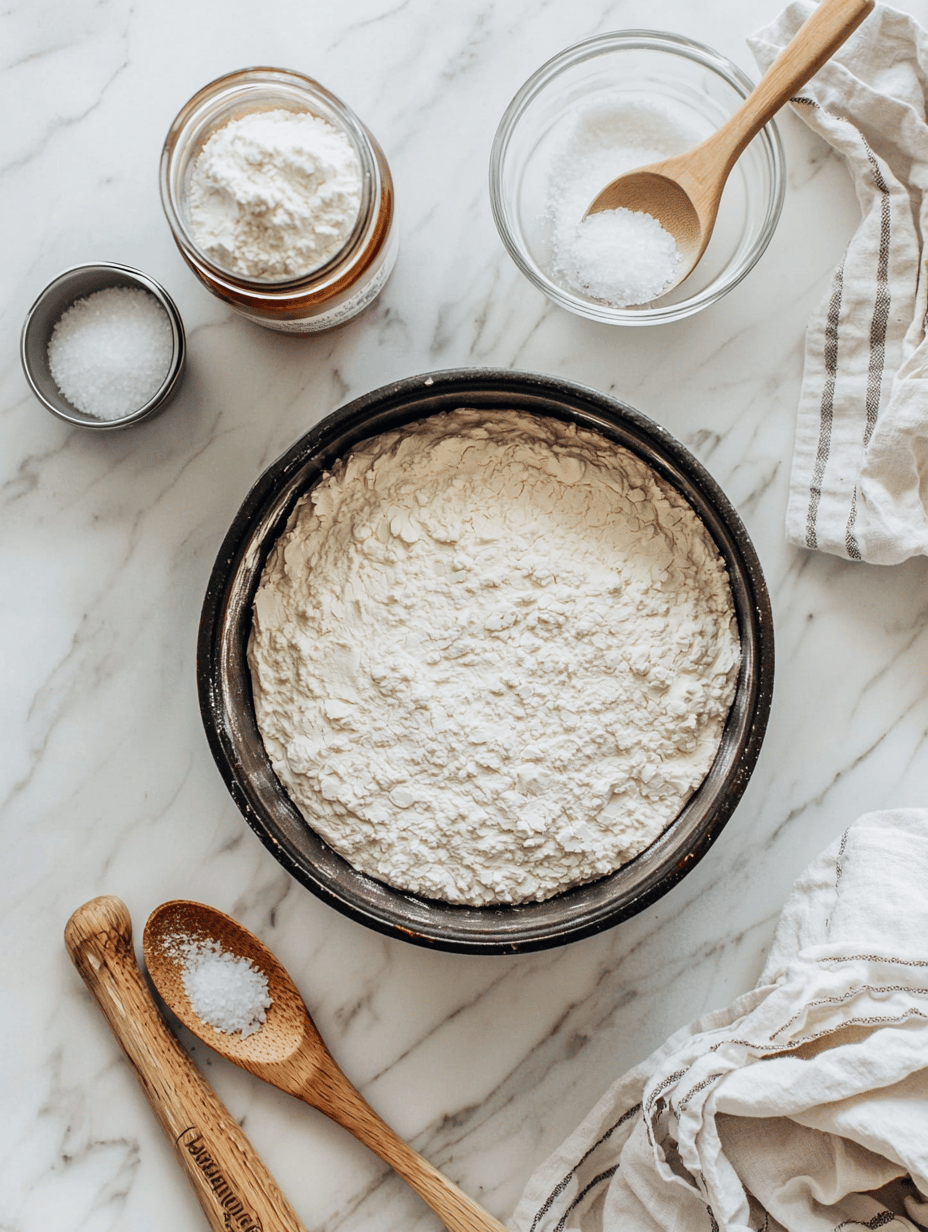
- All-purpose flour (3 cups): The main ingredient that forms the base of the bread.
- Baking soda (1 teaspoon): The leavening agent that helps the bread rise.
- Salt (1 teaspoon): Enhances the flavor and balances the ingredients.
- Buttermilk (1 ¼ cups): Adds a tangy flavor and reacts with the baking soda to help the bread rise.
Ingredient Spotlight
- Buttermilk: This is the key to Irish Soda Bread’s unique flavor. The acidity of the buttermilk helps activate the baking soda, giving the bread its rise and slightly tangy taste.
- Flour: Irish Soda Bread traditionally uses plain, all-purpose flour. The simplicity of this flour contributes to the bread’s dense, hearty texture.
Ingredient Substitutions
- Use milk and vinegar instead of buttermilk: If you don’t have buttermilk, mix 1 tablespoon of vinegar with 1 cup of milk and let it sit for 5 minutes to create a buttermilk substitute.
- Add raisins or caraway seeds: For a sweeter or more traditional version, add raisins or caraway seeds to the dough.
- Gluten-free version: Use a gluten-free flour blend for a gluten-free version.
How To Make This Recipe
- Preheat your oven to 375°F (190°C). Line a baking sheet with parchment paper or lightly grease a Dutch oven.
- In a large mixing bowl, whisk together the flour, baking soda, and salt.
- Pour in the buttermilk and stir with a wooden spoon or spatula until the dough just begins to come together.
- Turn the dough out onto a lightly floured surface and gently knead it a few times to bring it together. Be careful not to overwork the dough.
- Shape the dough into a round loaf and place it on the prepared baking sheet or Dutch oven.
- Use a sharp knife to cut a deep cross into the top of the dough.
- Bake for 35-40 minutes, or until the bread is golden brown and sounds hollow when tapped on the bottom.
- Remove from the oven and allow to cool slightly before slicing and serving.
Irish Soda Bread
Ingredients
Equipment
Method
- Preheat your oven to 375°F (190°C). Line a baking sheet with parchment paper or lightly grease a Dutch oven.
- In a large mixing bowl, whisk together the flour, baking soda, and salt.
- Pour in the buttermilk and stir with a wooden spoon or spatula until the dough just begins to come together.
- Turn the dough out onto a lightly floured surface and gently knead it a few times to bring it together. Be careful not to overwork the dough.
- Shape the dough into a round loaf and place it on the prepared baking sheet or Dutch oven.
- Use a sharp knife to cut a deep cross into the top of the dough.
- Bake for 35-40 minutes, or until the bread is golden brown and sounds hollow when tapped on the bottom.
- Remove from the oven and allow to cool slightly before slicing and serving.
Try Some Other Amazing Recipes
Make-Ahead and Storage Tips
- Irish Soda Bread is best enjoyed fresh but can be stored wrapped in a clean towel or in an airtight container for up to 2 days.
- If you have leftovers, you can toast slices for breakfast or snacks.
- The bread can be frozen for up to 1 month, just slice it first for easy thawing.
How to Serve This Dish
Serve with butter, jam, or cheese. It’s a great accompaniment to soups, stews, or a hearty salad. Enjoy it as a snack with tea or coffee.
Additional Tips
- For extra flavor, try adding a tablespoon of honey to the dough for a touch of sweetness.
- If you prefer a slightly softer crust, wrap the bread in a clean towel while it cools.
- For a savory twist, add a handful of grated cheese or chopped herbs to the dough.
Creative Leftover Transformations
- Bread pudding: Use leftover soda bread to make a simple bread pudding with a custard base.
- French toast: Make classic French toast with the leftover bread.
- Croutons: Cube the leftover bread, toss with olive oil, and bake for homemade croutons.
Make It a Showstopper
Serve with a dollop of clotted cream, a drizzle of honey, or a variety of cheeses for a visually appealing and delicious spread.
Variations to Try
- Add raisins or currants: For a sweet version of the bread, add raisins or currants to the dough.
- Caraway seeds: For a more traditional Irish soda bread, add caraway seeds to the dough for a signature flavor.
- Cheddar cheese and chives: Add grated cheddar cheese and fresh chives for a savory twist.
FAQ’s
- Can I use self-raising flour instead of all-purpose flour? It’s best to use all-purpose flour for this recipe, as self-raising flour may interfere with the bread’s traditional rise and texture.
- What if I don’t have buttermilk? You can substitute buttermilk with a milk-vinegar mixture.
- Can I make this bread without baking soda? Baking soda is essential for this bread, as it reacts with the buttermilk to help it rise.
- How do I store leftover Irish soda bread? Store in an airtight container at room temperature for up to 2 days.
- Can I freeze this bread? Yes, you can freeze it for up to 1 month. Slice it first for easier thawing.
- Can I make this bread in a bread machine? While this recipe is designed for hand mixing and baking, you can attempt it in a bread machine by adding the ingredients in the order suggested by your machine’s instructions. However, the results might vary slightly in texture and shape.
- Why is there a cross cut into the top of the dough? The cross is a traditional practice in Irish soda bread. It helps the bread bake evenly, and it also allows the heat to penetrate the center of the loaf, ensuring it cooks all the way through. Some also say it symbolizes the four corners of the earth.
- Can I add yeast to this recipe? This is a traditional quick bread recipe, so it doesn’t require yeast. Adding yeast would alter the texture and rise, changing it from a soda bread to a yeasted bread. For best results, follow the recipe as it is.
- How can I make my Irish Soda Bread softer? To achieve a softer crumb, you can try adding an extra tablespoon of butter or a bit more buttermilk. Be careful not to overwork the dough, as this can make the bread tough.
- Can I use whole wheat flour instead of all-purpose flour? Yes, you can substitute whole wheat flour, but keep in mind that the texture will be denser. You may also need to adjust the amount of liquid in the recipe, as whole wheat flour absorbs more moisture than all-purpose flour.

Hi, I’m Anjali Arora — the curious heart behind Feast Chase.
To be honest, I’ve always felt most at ease in my own company. I’m not exactly a people-person (small talk still makes me cringe), but there are two things I’ve always loved deeply: animals and food.