 Anjali Arora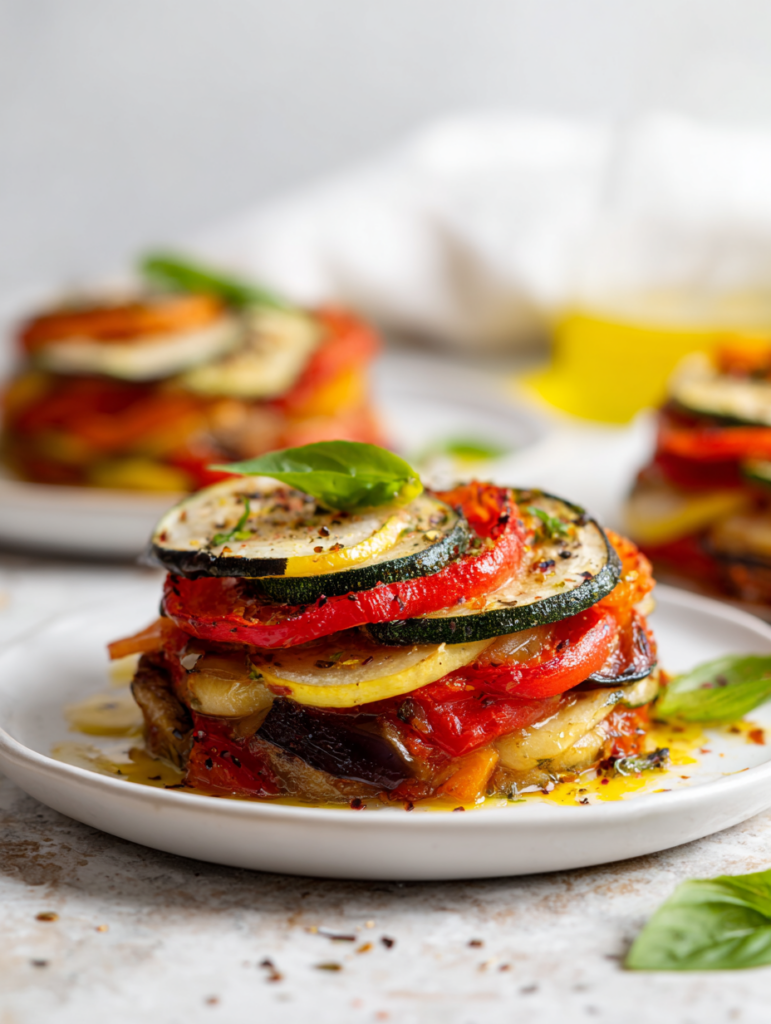
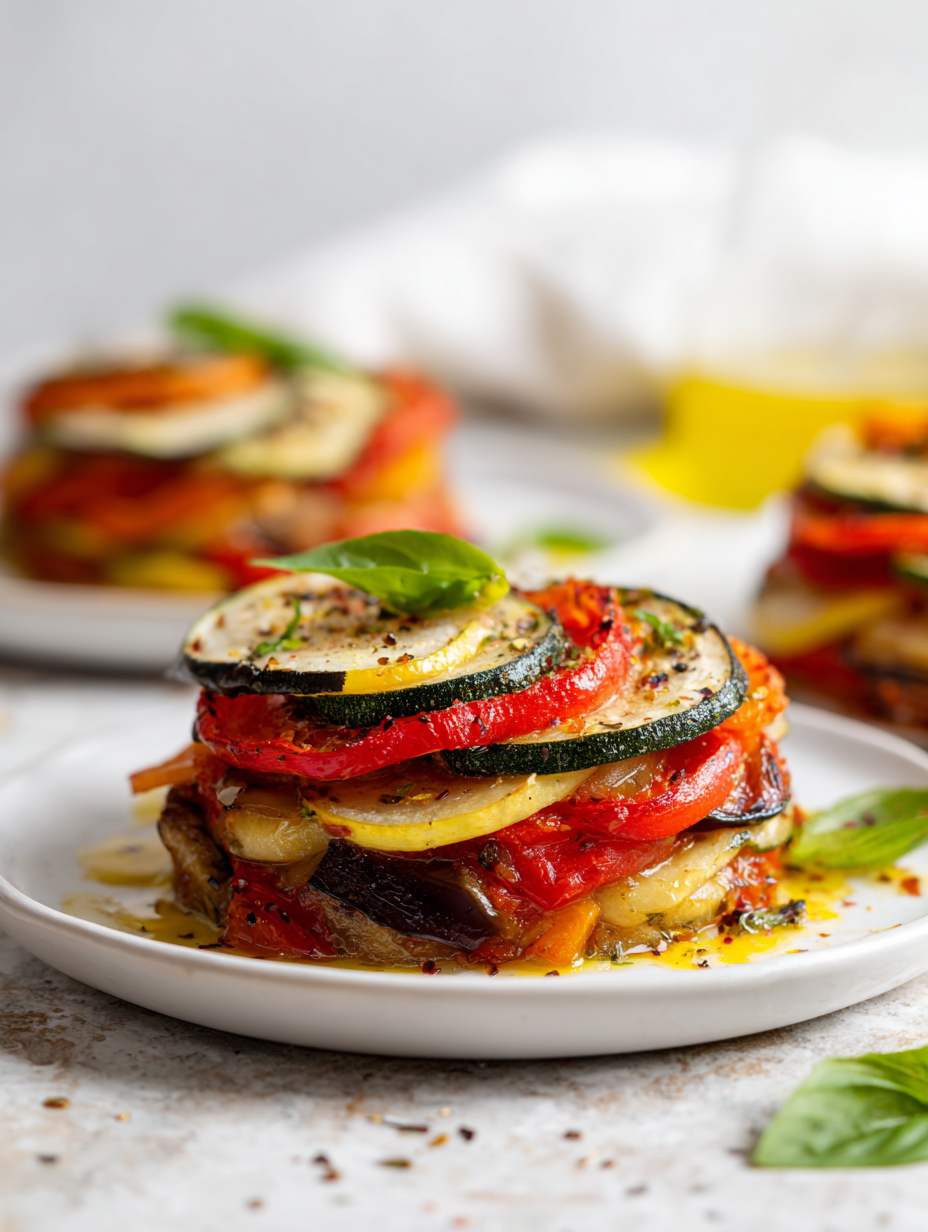
There’s something deeply satisfying about transforming a humble collection of vegetables into a layered, caramelized masterpiece without much fuss. Baking ratatouille lets the oven do all the heavy lifting, turning bright, fresh ingredients into something richer and more complex. It’s like a slow, warm hug for your taste buds, with every vegetable reaching its tender, flavorful peak.
This method was a revelation for me—no stirring, no constant attention. Just prep, layer, and bake. The result is a rustic, almost stew-like dish that feels like it’s been simmering for hours, but it’s all in the oven. When you pull it out, the smell alone—sweet, smoky, with a hint of herbs—makes the wait totally worth it.
Focusing on the slow, oven-baked transformation of ratatouille, this recipe emphasizes deep, caramelized flavors and tender vegetable layers that meld into a comforting, rustic dish. It’s about letting the oven do the work, creating a rich, almost stew-like texture without fussing over stove-top simmering.
The quiet magic of oven-baked layers
- Cooking this dish always reminds me of summer afternoons in my grandmother’s kitchen, the air thick with roasted vegetable scents.
- There’s a quiet pride in layering each vegetable just right, knowing it’ll turn into a tender, caramelized mosaic in the oven.
- I love how the slow baking transforms simple ingredients into something deeply comforting, almost like a vegetable stew that’s been kissed by time.
- Every time I make this, I feel a wave of nostalgia—reminding me of family dinners where everyone gathered around a shared, soulful plate.
The quiet magic of oven-baked layers
- This recipe came from a lazy Sunday afternoon spent rummaging through my fridge, trying to use up the last of summer’s bounty. I didn’t want a fuss, just a dish that was honest, warm, and comforting. Baking it slowly in the oven seemed like the perfect way to coax out the sweetness of the vegetables without overthinking it.
- I remember the first time I made this, I was exhausted but craving something hearty. When I peeked into the oven and saw those tender, caramelized edges, I felt a little proud — like I’d somehow turned a simple mess of vegetables into something special, with almost no effort.
- heading
- story_type
Fun facts about baked ratatouille
- This baked version of ratatouille is inspired by traditional Provençal stews, but the oven baking gives it a deeper, caramelized flavor that stovetop simmering can’t quite match.
- Historically, ratatouille was a rustic peasant dish, cooked slowly over open fires, which makes this oven-baked method a modern homage to those humble roots.
- The idea of baking layered vegetables has roots in medieval European kitchens, where slow oven roasting was the easiest way to develop rich flavors without constant attention.
- In France, especially in Provence, this dish was often cooked in earthenware pots, but I find baking it in a simple casserole dish gets that same cozy, rustic vibe.
Key ingredients and tips
- Zucchini: I prefer using small, firm zucchinis for their tender, mild flavor. Their slightly sweet taste caramelizes beautifully in the oven, so don’t skimp on quality here.
- Eggplant: I opt for glossy, heavy eggplants that feel firm but give slightly under pressure. Salting slices beforehand helps reduce bitterness and draws out excess moisture, making them less spongy.
- Bell Peppers: Sweet, ripe peppers add a smoky note when roasted. Use vibrant red or orange for color, and roast until their skins blister to unlock that concentrated sweetness.
- Tomatoes: I use heirloom or vine-ripened tomatoes, their juicy, bright flavor really shines after baking. If your tomatoes are mealy, a quick blanch and peel makes a smoother sauce base.
- Herbs: Fresh thyme and basil are my go-tos, filling the kitchen with a fragrant, earthy aroma. Dried herbs work too, but add them sparingly so they don’t overpower the gentle vegetable sweetness.
- Olive Oil: I drizzle good-quality extra virgin olive oil generously over the vegetables before baking. It gives a rich, fruity aroma and helps everything caramelize evenly, so don’t hold back.
- Garlic: I love slicing garlic thin and scattering it over the top before baking. Its aroma becomes wonderfully mellow and roasted, adding depth without overwhelming.
Spotlight on key ingredients
Zucchini:
- I prefer small, firm zucchinis for their tender, mildly sweet flavor. They caramelize beautifully in the oven, adding a subtle sweetness that balances the dish.
- Eggplant: I choose glossy, heavy eggplants that feel firm but give slightly under pressure. Salting slices beforehand helps reduce bitterness and excess moisture, making them less spongy.
Tomatoes & Herbs:
- Tomatoes: Ripe, juicy heirloom or vine-ripened tomatoes bring a bright, tangy sweetness. Their natural acidity intensifies when baked, creating a rich, flavorful base.
- Herbs: Fresh thyme and basil fill the kitchen with an earthy, aromatic scent. Their delicate flavor infuses the vegetables during baking, enhancing the overall depth without overpowering.
Notes for ingredient swaps
- Dairy-Free: Use a splash of vegetable broth instead of butter or cheese for a lighter, plant-based version that still keeps the dish moist.
- Gluten-Free: Ensure your olive oil and herbs are pure and uncontaminated; the dish is naturally gluten-free but check labels if using processed ingredients.
- Vegan: Skip any cheese or animal-based broths; opt for nutritional yeast sprinkled on top before baking for cheesy flavor.
- Lower-Sodium: Use less salt and choose low-sodium vegetable broth if you want to control salt levels without sacrificing flavor.
- Heirloom Tomatoes: Ripe, juicy heirlooms bring a bright, sweet acidity that transforms the dish into a vibrant, flavorful feast.
- Bell Peppers: Roasted red or orange peppers add smokiness and sweetness; substitute with roasted poblano for a mild heat kick.
- Eggplant: Salting the slices first reduces bitterness and sponginess—skip if using young, tender eggplants for a milder taste.
Equipment & Tools
- Baking dish: Holds and layers the vegetables for oven baking.
- Sharp knife: Slices vegetables evenly and precisely.
- Cutting board: Provides a stable surface for slicing.
- Aluminum foil: Covers the dish during initial baking to retain moisture.
- Oven: Provides consistent heat for slow roasting.
- Basting brush: Drizzles olive oil evenly over the layered vegetables.
Step-by-step guide to baked ratatouille
- Preheat your oven to 190°C (375°F). Gather a 9×13 inch (23×33 cm) baking dish. Lightly oil the dish to prevent sticking.
- Slice the vegetables: zucchini, eggplant, bell peppers, and tomatoes into about 0.5 cm (1/4 inch) thick rounds. Keep slices uniform for even cooking.
- Layer the vegetables: start with zucchini on the bottom, slightly overlap. Follow with eggplant, then bell peppers, and finally tomatoes. Repeat layers until the dish is filled, finishing with a tomato layer on top.
- Season each layer lightly with salt, pepper, and a sprinkle of dried thyme. Drizzle generously with olive oil over the entire dish. Scatter sliced garlic and fresh herbs if using.
- Cover the dish loosely with foil. Bake in the oven for 40 minutes. Check for bubbling and tender vegetables. The edges should be caramelized and fragrant.
- Remove foil, increase oven temperature to 200°C (390°F). Bake uncovered for another 15-20 minutes, until the top is golden and slightly crispy.
- Check doneness: the vegetables should be tender when poked with a skewer, the top slightly browned, and the juices bubbling around the edges.
- Let rest for at least 10 minutes before serving. This allows flavors to meld and the dish to set slightly. Serve with crusty bread or over rice.
Let the baked ratatouille rest for 10 minutes. This helps the juices redistribute and the flavors to meld. Serve warm, garnished with fresh herbs if desired, directly from the dish or plated rustic-style.
How to Know It’s Done
- Vegetables are fork-tender and easily pierced.
- Edges are caramelized and lightly browned.
- Juices bubble around the edges and smell aromatic.
Oven-Baked Ratatouille
Ingredients
Equipment
Method
- Preheat your oven to 190°C (375°F). Lightly oil your baking dish and set aside.
- Using a sharp knife, slice the zucchini, eggplant, bell peppers, and tomatoes into about 0.5 cm (1/4 inch) thick rounds, ensuring all slices are uniform for even baking.
- Begin layering the vegetables in the baking dish—start with zucchini, overlapping slightly, then add eggplant, followed by bell peppers, and finish with a layer of tomatoes. Repeat the layers until the dish is filled, ending with the tomato slices on top.
- Sprinkle salt, pepper, and dried thyme evenly over each layer. Drizzle generously with olive oil, ensuring the vegetables are well coated, and scatter the sliced garlic across the top for aroma.
- Cover the dish loosely with aluminum foil and place it in the oven. Bake for 40 minutes until the vegetables are tender and bubbling with fragrant juices.
- Remove the foil and increase the oven temperature to 200°C (390°F). Bake uncovered for an additional 15-20 minutes, until the top is golden and caramelized edges form.
- Check that the vegetables are fork-tender, and juices are bubbling around the edges. The aroma should be sweet, smoky, and herbaceous.
- Allow the ratatouille to rest for about 10 minutes before serving. This helps the flavors meld and the dish to set slightly, making it easier to serve.
- Garnish with fresh basil leaves and serve warm, paired with crusty bread or over rice for a hearty, rustic meal.
Pro tips for baked ratatouille
- Bolded mini-head: Use a sharp knife → Ensures clean, even slices that cook uniformly.
- Bolded mini-head: Layer vegetables carefully → Overlapping slightly but not crowding to prevent sogginess.
- Bolded mini-head: Drizzle oil generously → Promotes caramelization and a rich aroma during baking.
- Bolded mini-head: Cover with foil early → Keeps moisture in and prevents edges from burning before veggies soften.
- Bolded mini-head: Check for bubbling → Indicates vegetables are tender and flavors are melding well.
- Bolded mini-head: Rest before serving → Resting for 10 minutes helps juices redistribute for better flavor.
- Bolded mini-head: Finish with a drizzle → A splash of fresh herbs or olive oil adds brightness just before serving.
Common mistakes and how to fix them
- FORGOT to preheat oven → Always preheat to ensure even baking and caramelization.
- DUMPED vegetables in pan → Spread vegetables in a single layer to prevent sogginess.
- OVER-TORCHED edges → Cover with foil if edges brown too quickly to avoid burning.
- MISSED resting time → Rest for 10 minutes to allow flavors to meld and dish to set.
Quick Fixes and Pantry Swaps
- When sauce shimmers, it’s ready to thicken — splash in a little water if too thick.
- If vegetables release too much water, increase oven temperature for a quick roast.
- Splash a bit of lemon juice to brighten dull flavors after baking.
- Patch over burnt edges with fresh herbs and a drizzle of olive oil.
- Shield the dish with foil if edges brown too quickly — 5 seconds rescue.
Prep, store, and reheat tips
- You can prep all the vegetables a day in advance; slice and layer them, then keep covered in the fridge. Their freshness stays intact for up to 24 hours, and the flavors meld better after resting overnight.
- Store the baked ratatouille in an airtight container in the fridge for 2-3 days. The flavors deepen, especially the herbs and roasted vegetables, but expect a slightly softer texture upon reheating.
- Reheat in the oven at 180°C (350°F) until warmed through, about 15-20 minutes. The top may crisp up again, and the aroma—smoky, sweet—refreshes beautifully.
- For longer storage, freeze individual portions in freezer-safe containers up to 2 months. Thaw overnight in the fridge before reheating. Expect a richer, more concentrated flavor after freezing.
Top questions about baked ratatouille
1. How do I prepare the vegetables?
Use a sharp knife to evenly slice vegetables about 0.5 cm thick for uniform baking and caramelization.
2. How should I layer the vegetables?
Layer vegetables snugly but avoid overcrowding to ensure even cooking and prevent sogginess.
3. Should I cover the dish while baking?
Cover with foil during the initial baking to keep moisture in, then uncover for a golden top.
4. What is the right baking time and temperature?
Bake at 190°C (375°F) for 40 minutes, then uncover and bake 15-20 minutes more until golden and bubbling.
5. How long should I rest the baked ratatouille?
Let the dish rest for at least 10 minutes after baking to allow flavors to meld and it to set.
6. How do I know when it’s done?
Check that vegetables are fork-tender, edges are caramelized, and juices bubble around the edges.
7. Can I substitute ingredients?
Use a variety of ripe tomatoes for bright flavor, and salting eggplant first reduces bitterness and sponginess.
8. What are key ingredients’ roles?
Fresh thyme and basil release fragrant oils during baking, adding earthy aroma and subtle herb notes.
9. What if edges burn?
If edges burn, cover with foil to protect and continue baking until vegetables are tender.
10. How do I reheat leftovers?
Reheat in the oven at 180°C (350°F) for 15-20 minutes, until steaming and fragrant again.
Baked ratatouille feels like a quiet celebration of seasonal vegetables, slowly transformed into something tender and caramelized. It’s the kind of dish that makes your kitchen smell warm and inviting, especially on cool evenings. Each bite carries a gentle, smoky sweetness that lingers without overwhelming.
There’s a simple honesty in letting the oven do the work—no fuss, just patience. This dish reminds me of family dinners where the focus is on sharing good, honest food that’s been cooked with care. It’s a little reminder that sometimes, slow and steady really does win the flavor race.

Hi, I’m Anjali Arora — the curious heart behind Feast Chase.
To be honest, I’ve always felt most at ease in my own company. I’m not exactly a people-person (small talk still makes me cringe), but there are two things I’ve always loved deeply: animals and food.