 Anjali Arora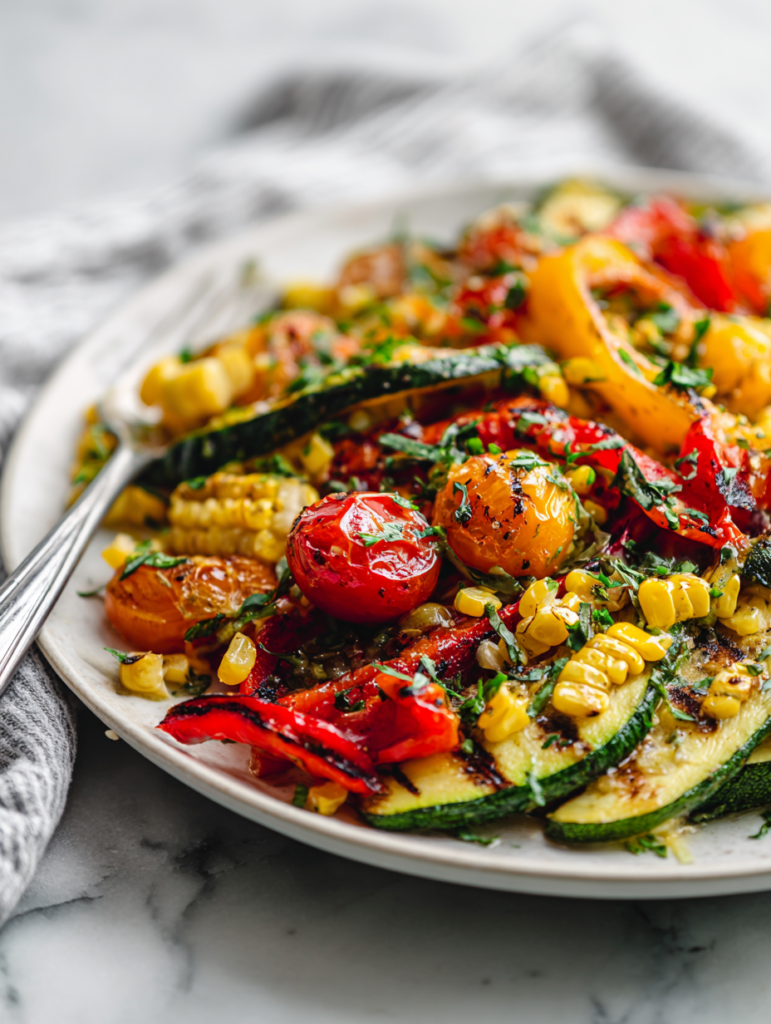
This vegetable skillet recipe is my go-to when I want something quick, honest, and packed with flavor. I love using seasonal, often overlooked veggies that might sit in the fridge otherwise, giving them a bright, satisfying life in one pan. It’s the kind of dish that feels like a small victory—no fuss, just good ingredients, cooked simply.
What draws me in is the way these humble vegetables come alive with a little heat and a splash of seasoning. It’s not about fancy techniques or long prep; it’s about turning everyday ingredients into something vibrant and comforting, all in a single skillet. Plus, it’s perfect for those nights when I want dinner fast without sacrificing taste or texture.
Focusing on using seasonal, overlooked vegetables in a single skillet for maximum flavor and minimal fuss, emphasizing how this approach turns simple ingredients into a vibrant, satisfying meal without extra dishes.
Seasonal veggies, simple skillet
- Cooking this dish always reminds me of lazy Sunday mornings with the smell of roasted peppers filling the kitchen.
- I used to think simple vegetables couldn’t satisfy until I discovered how their natural sweetness intensifies when cooked just right.
- There’s a quiet pride I feel when I see a rainbow of seasonal veggies come together in one pan without any fuss.
- This recipe is my fallback when I want dinner on the table fast, but still crave something nourishing and full of flavor.
- Every time I make it, I feel a small spark of joy from turning humble ingredients into a colorful, hearty meal.
The story behind this recipe
- This dish was born out of a lazy Saturday afternoon when I rummaged through the fridge and found a bunch of odd vegetables—some carrots, a lonely zucchini, half a bell pepper, and a handful of cherry tomatoes. Instead of letting them go to waste, I threw everything into a hot skillet with a splash of olive oil and some garlic. The simple act of sautéing transformed the raw, overlooked ingredients into a vibrant, satisfying meal that felt like a small triumph.
- I love how this recipe keeps me honest—using what’s seasonal and available, no fancy ingredients needed. It’s like a little reminder that good, honest comfort food doesn’t have to be complicated. Plus, it’s quick enough to whip up after a long day, but hearty enough to fill you up with just a few simple steps.
- heading
- Story behind this dish
Historical & Cultural Roots
- This vegetable skillet concept has roots in rustic peasant cooking, where no ingredient went to waste and everything was cooked simply in one pot or pan.
- In many traditional cuisines, sautéing seasonal vegetables is a way to preserve their freshness and flavor, especially before refrigeration was common.
- The idea of quick, one-pan veggie dishes gained popularity in modern cooking as a response to busy lifestyles and the desire for minimal clean-up.
- Some of the earliest recorded vegetable stir-fries or sautés date back to Asian cuisines, where they were a practical way to make fresh produce last longer.
Ingredient breakdown: key components
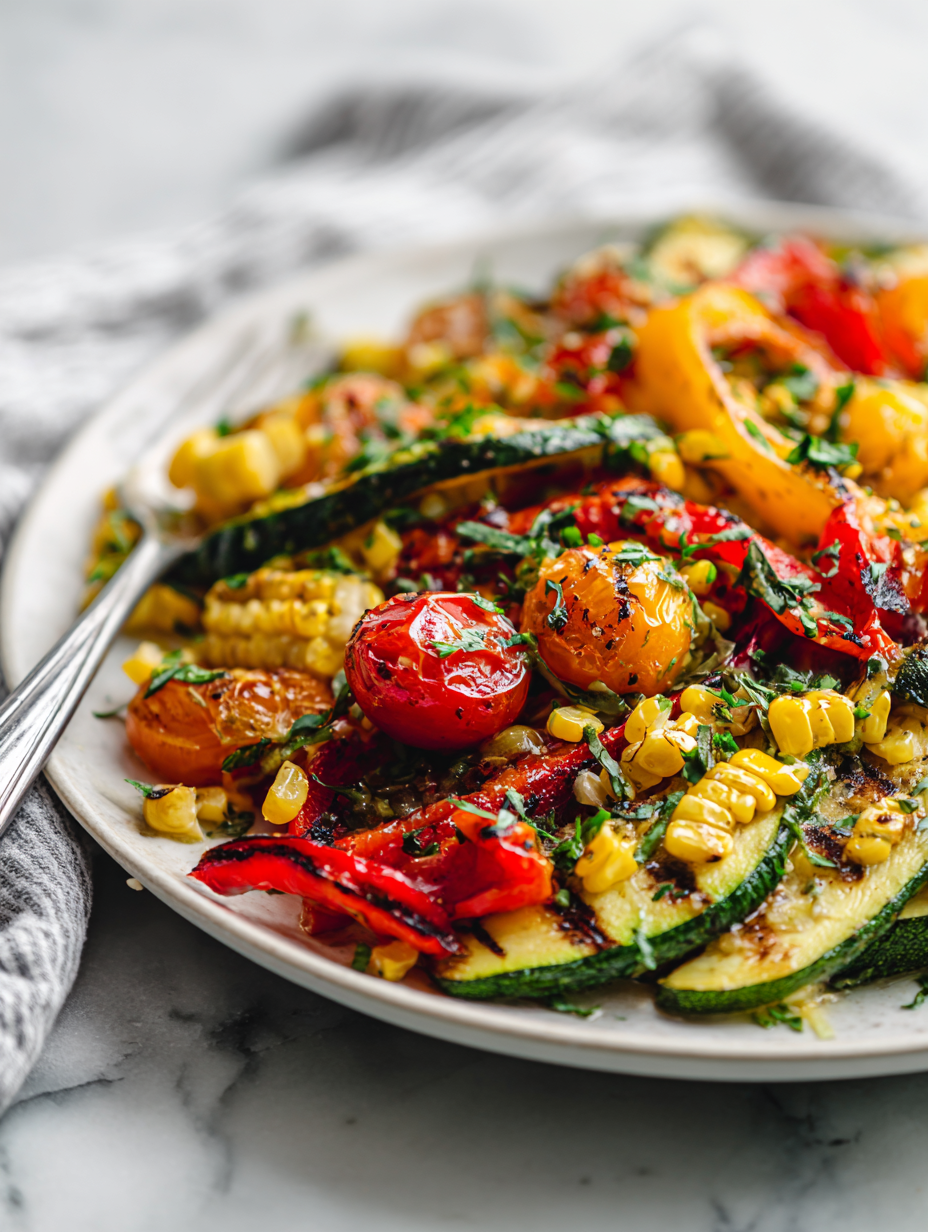
- Bell peppers: I love their smoky sweetness when charred slightly; for a milder flavor, use red or yellow instead of green, which can be a bit more bitter. The oozy, juicy interior adds a pop of color and flavor.
- Zucchini: It cooks quickly and releases a subtle, fresh aroma. If you prefer it more tender, slice it thinner; for a firmer bite, keep the slices thicker. Watch for it turning golden and slightly crispy around the edges.
- Cherry tomatoes: Their burst of bright, tangy juice is the highlight. Use ripe tomatoes for maximum sweetness—if they’re underripe, add a pinch of sugar to mimic that ripe flavor.
- Garlic: It mellows and sweetens when sautéed slowly. Crush and chop it finely for even flavor distribution. If it starts to burn and smell bitter, turn down the heat immediately.
- Olive oil: I favor a good extra virgin for richness and depth. If you want a lighter dish, cut back a bit; if you like a more pronounced flavor, drizzle generously. The oil should shimmer and crackle when you start cooking.
- Fresh herbs (basil, parsley): I toss these in at the end for a burst of freshness and color. Use bright, fragrant leaves—if wilted or dull, your dish might miss that lively finish.
- Seasonings: Salt, pepper, a squeeze of lemon juice—simple but essential. Adjust salt to taste during cooking, and add lemon at the end for a bright, zesty lift that makes all the other flavors pop.
Spotlight on key ingredients
Bell peppers:
- Their smoky sweetness deepens as they char, adding a vibrant, oozy flavor that brightens every bite.
- Cherry tomatoes: Burst with juicy, tangy brightness; ripe ones are essential for that sweet, sun-kissed burst.
Cherry tomatoes:
- Zucchini: Cooks quickly and turns tender with a slight crispy edge when caramelized, releasing a fresh, green aroma.
- Their soft, juicy burst adds a lively, lemon-bright pop that ties the dish together.
Notes for ingredient swaps
- Vegetable variety: Use frozen mixed vegetables instead of fresh; they’ll be softer but save prep time and work well in a pinch.
- Olive oil: Swap for avocado oil for a higher smoke point and a slightly grassy flavor that stands up to high heat.
- Garlic: Use garlic powder if fresh isn’t available; add it later in the cooking process to prevent bitterness.
- Cherry tomatoes: Substitute with canned diced tomatoes for a more saucy, less bursty texture—great for a different vibe.
- Herbs: Dried herbs like oregano or thyme can replace fresh; use less—about a third of the amount—since they’re more concentrated.
- Lemon juice: Lime juice offers a similar bright acidity but with a slightly different citrus note that can add a fresh twist.
- Seasonings: A splash of soy sauce or tamari can add umami depth—just watch the salt level to keep it balanced.
Equipment & Tools
- Large skillet: Cook all vegetables evenly and develop caramelization.
- Sharp knife: Chop vegetables uniformly for even cooking.
- Cutting board: Provide a stable surface for prep work.
- Spatula or wooden spoon: Stir vegetables gently without breaking them apart.
Step-by-step vegetable skillet guide
- Equipment & Tools: Gather a large skillet (around 30cm/12in), a sharp knife, a cutting board, and a spatula or wooden spoon for stirring.
- Heat the skillet over medium-high heat (about 180°C/356°F). Add 2 tablespoons olive oil and let it shimmer.
- a. Chop vegetables into bite-sized pieces—bell peppers, zucchini, carrots, and cherry tomatoes. b. Keep pieces uniform for even cooking. c. Mince 2 cloves garlic finely.
- Add the denser veggies first—carrots and bell peppers. Cook for 5-7 minutes, stirring occasionally, until they begin to soften and char slightly, releasing a smoky aroma.
- Add zucchini and garlic. Cook for another 3-4 minutes until zucchini is tender but still has a slight bite, and garlic is fragrant but not browned.
- Stir in cherry tomatoes. Cook for 2-3 minutes until they burst and release their juice, creating a glossy sauce. If tomatoes are underripe, sprinkle a pinch of sugar.
- Check for doneness: vegetables should be tender but not mushy, and tomatoes should be juicy and bright. Adjust heat if necessary to prevent burning or sticking.
- Finish with a squeeze of lemon juice, a handful of chopped herbs, and a pinch of salt and pepper. Toss gently to combine.
- Rest for 1 minute. Serve straight from the skillet, garnished with extra herbs if desired. Enjoy the vibrant, smoky aroma and crispy edges.
Once cooked, sprinkle with fresh herbs and a squeeze of lemon. Serve immediately for the best texture and flavor. Keep in mind, the vegetables will continue to soften slightly as they sit.
How to Know It’s Done
- Vegetables are tender yet crisp, with some caramelization on edges.
- Tomatoes are bursting and glossy, not shriveled or raw.
- A fresh lemon scent is noticeable and oil glistens slightly on the surface.
Seasonal Veggie Skillet
Ingredients
Equipment
Method
- Gather all your ingredients and prepare the vegetables by chopping the bell pepper into strips, slicing the zucchini into rounds or half-moons, and mincing the garlic finely.
- Heat your large skillet over medium-high heat until it’s hot and shimmering, then add the olive oil, letting it ripple and crackle slightly.
- Add the denser vegetables like bell peppers first, spreading them out evenly in the pan. Cook for about 5-7 minutes, stirring occasionally, until they start to soften and develop some charred edges, filling your kitchen with a smoky aroma.
- Stir in the zucchini slices and minced garlic, cooking for another 3-4 minutes. The zucchini should become tender with a slight crispy edge, and the garlic will release a fragrant aroma, turning a light golden color.
- Add the cherry tomatoes to the skillet, stirring gently to coat all vegetables. Cook for 2-3 minutes until the tomatoes burst open, releasing glossy, tangy juice that coats everything in a bright, colorful glaze.
- Remove the skillet from heat, then squeeze fresh lemon juice over the vegetables, adding a handful of chopped herbs. Season with salt and pepper to taste, tossing everything gently to combine and brighten the flavors.
- Serve the skillet hot, garnished with extra herbs if desired, and enjoy the vibrant, smoky, and tender vegetables straight from the pan.
Pro tips for vegetable skillet
- Preheat thoroughly: Make sure the skillet is hot before adding vegetables to get a good char and smoky flavor.
- Uniform chopping: Cut all veggies into similar sizes for even cooking and consistent texture.
- Don’t overcrowd: Cook in batches if needed; overcrowding causes steaming instead of roasting, dulling flavors.
- Add garlic late: Toss garlic in after vegetables have softened to prevent bitterness and burnt bits.
- Finish with acid: A squeeze of lemon brightens the dish and balances the smoky, caramelized notes.
- Taste as you go: Adjust salt and seasonings at the end, especially after adding acidic ingredients.
- Rest briefly: Let the skillet sit off heat for a minute before serving, to allow flavors to meld and vegetables to settle.
Common mistakes and how to fix them
- FORGOT to control heat → Turn down heat if vegetables burn or stick.
- DUMPED too much oil → Use just enough to prevent greasy, soggy vegetables.
- OVER-TORCHED veggies → Remove from heat once edges are caramelized, not burnt.
- MISSED resting step → Let the skillet sit off heat for a minute before serving.
Quick kitchen fixes
- If veggies burn, splash in a little water to cool and loosen stuck bits.
- When vegetables are soggy, increase heat and cook without stirring until edges crisp.
- Splash lemon juice if flavors need brightness or to counteract excess oil shimmer.
- Patch over undercooked vegetables with a quick lid cover and steam for 1-2 minutes.
- Shield a smoky dish by adding fresh herbs or a squeeze of lemon to refresh flavors.
Prep, store, and reheat tips
- Vegetable prep: Chop all vegetables and store in an airtight container in the fridge for up to 24 hours. They stay fresh, vibrant, and crisp enough to retain their color and texture when cooked.
- Storage: Keep leftovers in a sealed container in the fridge for 2-3 days. Vegetables may soften slightly, but flavors remain bright and appealing.
- Reheating: Warm in a skillet over medium heat, stirring gently. The aroma of cooked garlic and roasted vegetables will re-emerge, and the dish will regain some of its original smoky brightness.
- Flavor development: The dish tastes slightly mellower after a day or two, with the caramelized notes becoming more integrated. The smoky aroma will linger in the fridge, making it feel like a different, more integrated meal.
- Sensory notes: Reheated vegetables should be tender but not mushy, with a fragrant, slightly caramelized aroma and a glossy appearance from the retained oil.
Top questions about vegetable skillet
1. What kind of skillet should I use?
Use a large, heavy skillet to ensure even heat and enough space for veggies to cook properly. Avoid overcrowding to prevent steaming, which dulls the flavor.
2. How should I prepare the vegetables?
Chop vegetables into similar sizes, about 1-2 inch pieces, for uniform cooking. Thinner slices cook faster and become crispier.
3. In what order should I cook the vegetables?
Cook denser vegetables like carrots first, then add quicker-cooking ones like zucchini and tomatoes later to prevent overcooking.
4. How hot should the skillet be?
Use high heat (around 180°C/356°F) to get a good char and smoky flavor. Adjust as needed to prevent burning.
5. When should I add garlic?
Add garlic after the veggies start to soften, about 3-4 minutes into cooking, to prevent bitterness and burning.
6. How do I finish the dish?
Finish with a squeeze of lemon and fresh herbs right before serving. They brighten flavors and add freshness.
7. How should I reheat the skillet leftovers?
Reheat leftovers in a skillet over medium heat, stirring gently. Add a splash of water or lemon juice to revive flavors.
8. Can I adjust the acidity of the tomatoes?
If tomatoes are underripe, sprinkle a little sugar to balance the acidity and enhance sweetness during cooking.
9. What makes a good vegetable for this dish?
Use fresh, ripe vegetables for the best flavor and texture. Ripe tomatoes and colorful peppers make a noticeable difference.
10. How do I know when the vegetables are done?
Avoid overcooking by keeping an eye on the vegetables—they should be tender but still have some bite and color.
This vegetable skillet recipe is a reminder that simple, seasonal ingredients can create something vibrant and satisfying, even on busy nights. The smoky aroma and tender-crisp veggies make it a dish I come back to when I crave honest, straightforward comfort food.
In a world full of complicated recipes, this one keeps it real—fast, flexible, and full of flavor. It’s the kind of meal that feels like a small victory, turning everyday ingredients into something memorable without fuss or waste.

Hi, I’m Anjali Arora — the curious heart behind Feast Chase.
To be honest, I’ve always felt most at ease in my own company. I’m not exactly a people-person (small talk still makes me cringe), but there are two things I’ve always loved deeply: animals and food.