 Anjali Arora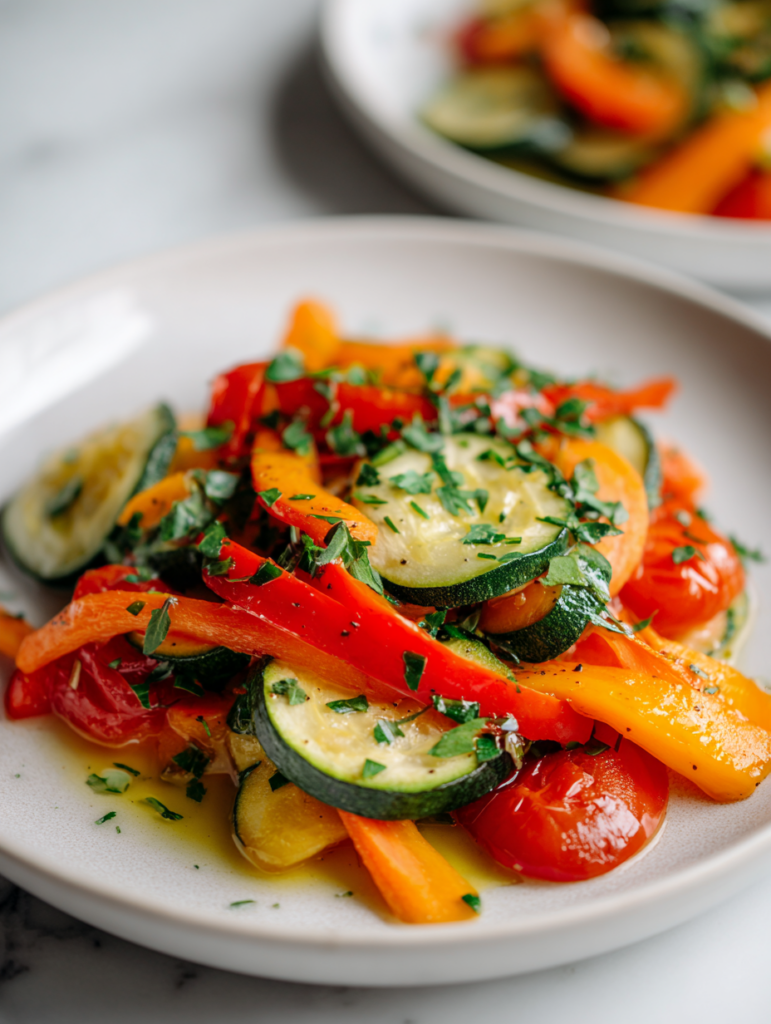
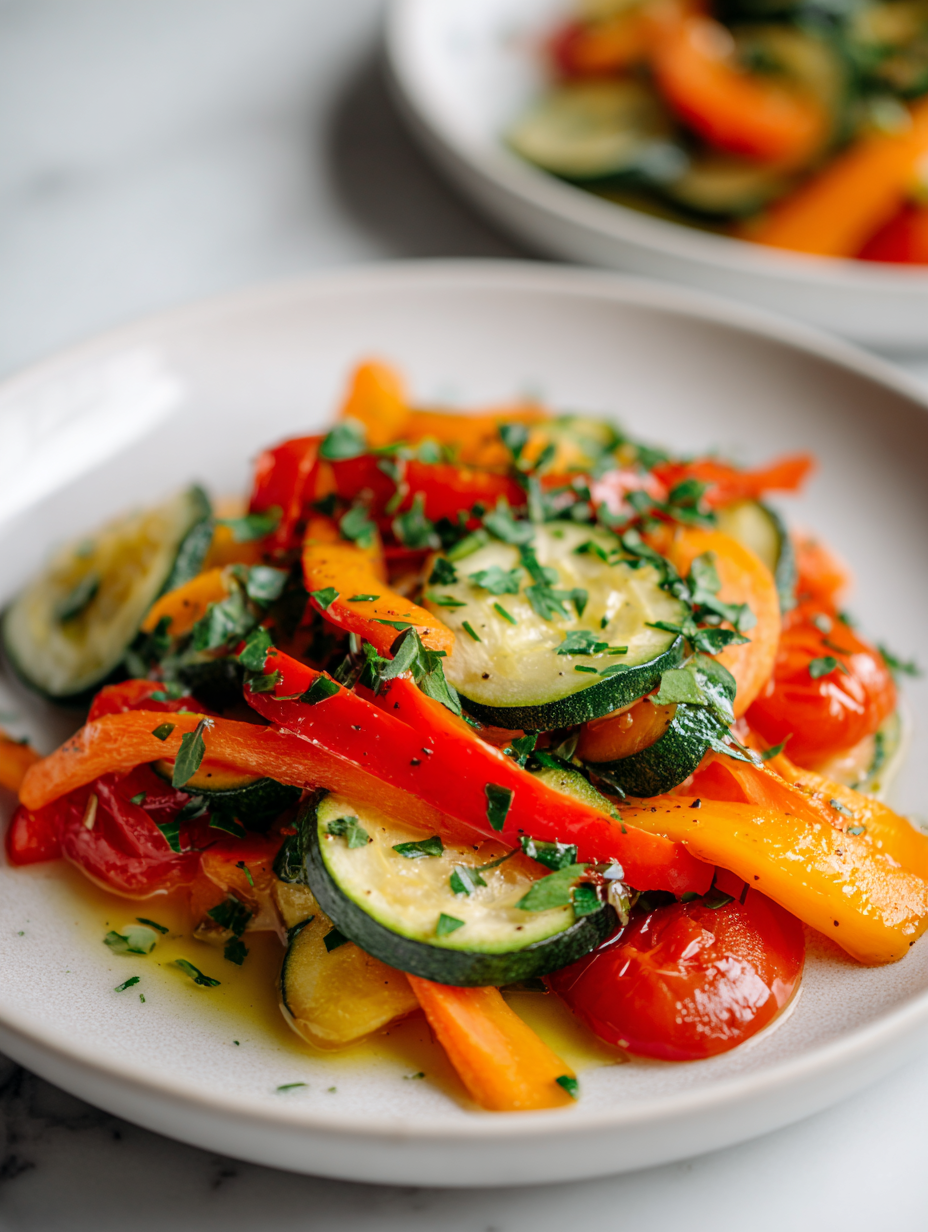
This vegetable sauté recipe is all about embracing the imperfect. I love chopping vegetables in a rustic, unpolished way—thick slices, uneven edges—because it makes the dish feel more honest, more homey. The charred bits and caramelized edges bring such a depth of flavor that you can’t get from perfect, uniform cuts.
There’s something comforting about tossing a medley of colorful vegetables into a hot pan, letting them mingle and soften into a vibrant, fragrant mess. No fuss, no fancy equipment needed—just good ingredients, a little patience, and a willingness to get your hands a little messy. It’s a dish that celebrates the simple, unpretentious beauty of vegetables at their best.
This recipe emphasizes the beauty of imperfect, rustic vegetable cuts—embracing the char and slight variations in size—to create a sauté that feels homey and unpretentious, celebrating the natural flavors and textures in every bite.
Celebrating Imperfection in Every Slice
- I love how this dish makes me feel connected to the seasons, especially when I spot those ripe, fragrant bell peppers at the market.
- Chopping veggies in my messy, uneven way brings a little chaos into my kitchen, but it always tastes better that way.
- There’s a quiet pride in turning a bunch of humble vegetables into something vibrant and satisfying, even on busy weeknights.
- This recipe reminds me of summer evenings at my grandmother’s house, where simple flavors and good company made everything feel right.
- Sometimes, I get lost in the aroma—garlic sizzling, peppers softening—and forget about the clock entirely.
The story behind this recipe
- This vegetable sauté came about during a particularly chaotic week when I just needed something quick, honest, and full of flavor. I remember rummaging through my fridge, grabbing whatever vegetables were about to turn, and throwing them into a hot pan. The smell of garlic and caramelized edges instantly brought back memories of my childhood kitchen, where simple ingredients created the most comforting meals.
- I love how this dish is a bit of a daily ritual—no fuss, just the rhythm of chopping, tossing, and tasting. It’s become my go-to for nights when I want something nourishing but unpretentious, a reminder that good food doesn’t need to be complicated.
- heading: ‘The story behind this recipe’
Historical and Cultural Roots
- Vegetable sautéing is a time-honored way to preserve the fresh brightness of seasonal produce, dating back centuries in rustic kitchens worldwide.
- This simple technique likely originated as a way to stretch ingredients, turning modest vegetables into a flavorful, satisfying dish without much fuss.
- In many cultures, sautéed vegetables are the foundation of everyday meals—quick, adaptable, and deeply rooted in home cooking traditions.
Ingredient breakdown
- Bell peppers: I love the sweet, smoky aroma of charred peppers—try using a mix of colors for visual punch, but you can swap with roasted cherry tomatoes if you want more tang.
- Zucchini: I prefer thick slices for a meaty bite, but if you’re short on time, half-moons cook faster and still soak up that garlicky goodness.
- Garlic: Fresh garlic sizzles with a fragrant, nutty aroma—don’t rush the chop, and add it early so it melts into the oil, but skip if you need a milder flavor.
- Onion: I’m partial to red onions for their sharpness, but yellow or sweet onions mellow out nicely and add a different depth of sweetness once caramelized.
- Olive oil: I use a nice robust extra virgin for depth, but avocado oil works if you want a higher smoke point without losing flavor—just watch the heat.
- Lemon juice: Brightens everything with a zingy punch—try a splash at the end for freshness, but apple cider vinegar can add tang if lemon isn’t available.
- Herbs (like basil or parsley): Fresh herbs lift the dish with their vibrant fragrance—dried herbs work in a pinch, but they won’t have the same punch of freshness.
Spotlight on key ingredients
Bell peppers:
- I love their juicy, smoky aroma when charred—try using a mix of colors for visual punch, but you can swap with roasted cherry tomatoes if you want more tang.
- Zucchini: I prefer thick slices for a meaty bite, but if you’re short on time, half-moons cook faster and still soak up that garlicky goodness.
Garlic:
- Fresh garlic sizzles with a fragrant, nutty aroma—don’t rush the chop, and add it early so it melts into the oil, but skip if you need a milder flavor.
- Onion: I’m partial to red onions for their sharpness, but yellow or sweet onions mellow out nicely and add a different depth of sweetness once caramelized.
Notes for ingredient swaps
- Dairy-Free: Swap butter for a splash of coconut oil—adds a subtle sweetness and keeps it dairy-free.
- Gluten-Free: Use tamari instead of soy sauce for a richer, slightly sharper flavor without wheat.
- Vegan: Skip cheese or animal-based ingredients; focus on a splash of lemon and fresh herbs for brightness.
- Herb Variations: Fresh thyme or oregano can replace basil or parsley—each brings a different aromatic punch.
- Spice Boost: Crushed red pepper flakes or a dash of smoked paprika can add heat or smoky depth.
- Acid Swap: Apple cider vinegar can substitute lemon juice—milder but still brightens the dish.
- Oil Choices: Avocado or sesame oil can replace olive oil—each adds a distinct aroma and richness.
Equipment & Tools
- Wide skillet: Ensure even heat and easy tossing of vegetables.
- Chef’s knife: Rustic chopping of vegetables.
- Cutting board: Provide a stable surface for chopping.
- Spatula or wooden spoon: Stir and turn vegetables during sautéing.
- Measuring spoons: Accurately add lemon juice and herbs.
Step-by-step guide to vegetable sauté
- Gather a wide, heavy skillet—preferably cast iron or stainless steel—to ensure even heat distribution. Have your vegetables chopped rustic-style—thick slices and uneven edges—that’s part of the charm. Keep garlic minced, herbs ready, and oil nearby.
- Heat the skillet over medium-high heat—around 180°C / 350°F—until hot but not smoking. Pour in 2 tablespoons of olive oil, swirl to coat the pan evenly. Add the garlic first, sauté for 30 seconds until fragrant and just beginning to turn golden—don’t let it burn, or it’ll taste bitter.
- Toss in the vegetables in batches if needed—start with peppers and onions. Sauté for about 4-5 minutes, stirring occasionally, until they soften and develop a bit of char. Keep an eye on color—aim for lightly blackened edges but not burnt. If the pan gets too crowded, the veggies will steam instead of sauté, so cook in batches if necessary.
- Add zucchini and any quicker-cooking veg—continue sautéing for another 3-4 minutes. The zucchini should become tender but still hold some bite. If the vegetables start sticking or browning too fast, lower the heat slightly—adjust to keep a gentle sizzle.
- Finish with a squeeze of lemon juice, chopped herbs, and a pinch of salt. Toss well to combine, letting the flavors mingle for about 1 minute. Check for seasoning and adjust as needed—more lemon or herbs can brighten everything up.
- Remove from heat. Let it rest for a couple of minutes—this helps the flavors settle and prevents the vegetables from overcooking. Serve warm, with a drizzle of good olive oil or a sprinkle of flaky sea salt if you like.
Once cooked, transfer to a serving dish and let sit for 2 minutes. Drizzle with a little more olive oil, sprinkle with extra herbs or flaky salt. Serve hot, ideally with crusty bread or as a side to your main dish.
How to Know It’s Done
- Vegetables are tender with slightly charred edges and smell sweet and smoky.
- Garlic is fragrant, golden, and not burnt.
- Lemon juice provides a bright, zingy aroma that lifts the dish.
Rustic Vegetable Sauté
Ingredients
Equipment
Method
- Heat a wide skillet over medium-high heat until hot, then pour in the olive oil, swirling to coat the pan evenly.
- Add the minced garlic to the pan and sauté for about 30 seconds, until fragrant and just beginning to turn golden, creating a fragrant aroma that signals flavor development.
- Next, toss in the sliced onions and bell peppers, spreading them out evenly. Sauté for 4-5 minutes, stirring occasionally, until they soften slightly and develop some charred spots on the edges.
- Add the thickly sliced zucchini to the pan and continue to sauté for another 3-4 minutes, stirring gently to ensure even cooking. The zucchini should become tender yet still have some bite, with a bit of caramelization on the edges.
- Season with salt and pepper to taste, then squeeze in the lemon juice, tossing everything together to brighten the flavors and deglaze the pan slightly.
- Remove the skillet from heat and sprinkle over chopped fresh herbs. Toss to combine, letting the herbs release their fragrance and flavor into the dish.
- Transfer the vegetable sauté to a serving bowl or plate, enjoying the vibrant colors, smoky char, and fragrant aroma of this rustic dish.
Notes
Pro tips for vegetable sauté
- Use high heat to develop quick, flavorful char on vegetables.
- Keep vegetables uneven for rustic charm and varied textures.
- Add garlic early but watch closely to avoid burning.
- Toss vegetables frequently to promote even caramelization.
- Finish with a splash of acid for brightness and balance.
- Use a wide pan to avoid overcrowding and steaming.
- Rest the dish briefly to let flavors meld before serving.
Common mistakes and how to fix them
- FORGOT to preheat the pan → Always heat the pan until hot before adding oil.
- DUMPED too much oil → Use just enough to lightly coat the vegetables, avoid excess.
- OVER-TORCHED the garlic → Add garlic later; cook just until fragrant to prevent burning.
- USED the wrong vegetable size → Keep vegetable cuts rustic; uneven sizes are part of the charm.
Quick Fixes and Pantry Swaps
- When vegetables burn, splash a little water to cool the pan quickly.
- If the pan is too crowded, patch by cooking in batches for even char.
- Splash lemon juice at the end for a fresh aroma and bright flavor.
- Dumped too much oil? Wipe excess with a paper towel before sautéing again.
- When the veggies are soggy, rescue with a quick high-heat toss to re-crisp.
Prep, store, and reheat tips
- Chop vegetables the night before; keep them in airtight containers in the fridge for up to 24 hours, crisp and ready to sauté.
- Store pre-cut vegetables in a slightly damp paper towel inside the container to maintain freshness and prevent drying out.
- Cooked sautéed vegetables can be kept in the fridge for up to 2 days; reheat in a hot skillet until sizzling and fragrant, with some fresh herbs for brightness.
- Reheating may soften the vegetables; add a splash of water or lemon juice to revive their vibrancy and fresh aroma during reheating.
- Avoid freezing cooked sautéed vegetables, as texture and flavor tend to suffer; best enjoyed fresh or within the first couple of days.
Top questions about vegetable sauté
1. Why is my sauté watery?
Use a wide, heavy skillet to get good contact and even cooking. It helps vegetables char nicely and prevents steaming.
2. Can I cook different vegetables together?
Make sure not to overload the pan. Cook in batches if needed so vegetables brown instead of steam.
3. When do I add garlic?
Add garlic early in the process, but keep the heat moderate so it doesn’t burn and turn bitter.
4. How fresh should my vegetables be?
Use fresh, firm vegetables for the best texture. Wilted or soft vegetables will release too much water and soggy the dish.
5. How do I make it more flavorful?
Finish with a squeeze of lemon or a splash of vinegar to brighten the flavors and add a fresh aroma.
6. How do I prevent burning?
Stir frequently to promote even caramelization and prevent burning. Adjust heat as needed to keep a gentle sizzle.
7. How do I reheat without sogginess?
Reheat sautéed vegetables in a hot pan, adding a splash of water or lemon juice to revive their texture and shine.
8. Can I use frozen vegetables?
Use a mix of vegetables for color and flavor, but keep the cuts rustic—uneven sizes add charm and texture.
9. How do I know when vegetables are done?
Adjust the cooking time based on vegetable thickness. Thicker slices need more time to soften and caramelize properly.
10. Can I use different oils?
Use a good-quality olive oil for depth, but you can swap with avocado oil if you prefer a higher smoke point.
This vegetable sauté is a reminder that simplicity can carry so much flavor. It’s perfect for those busy nights when you want something honest and nourishing without fuss. The mix of charred edges and tender bites makes every bite feel satisfying and just a little rustic.
In a way, this dish captures the essence of home cooking—imperfect, vibrant, and full of honest flavors. It’s a good reminder to embrace the little messes and let the natural beauty of vegetables shine through. Sometimes, the simplest things are the most memorable.

Hi, I’m Anjali Arora — the curious heart behind Feast Chase.
To be honest, I’ve always felt most at ease in my own company. I’m not exactly a people-person (small talk still makes me cringe), but there are two things I’ve always loved deeply: animals and food.