 Anjali Arora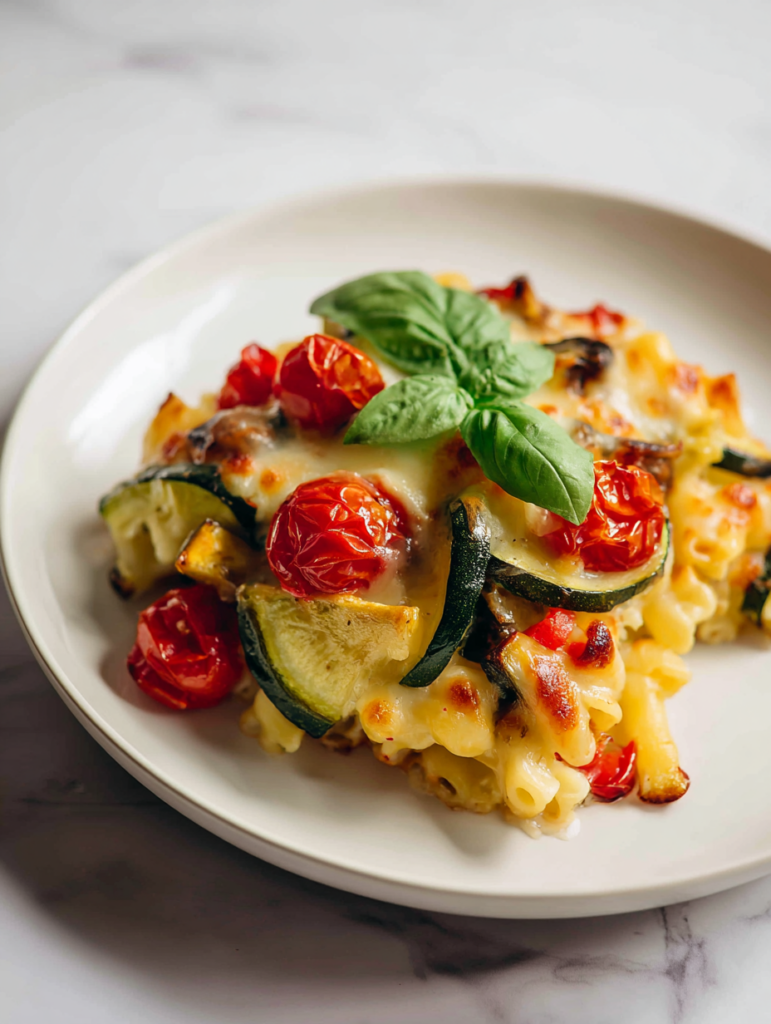
This vegetable pasta bake is my go-to for those evenings when I want something warm and satisfying but don’t want to start from scratch. It’s a clever way to turn leftover roasted veggies into a hearty, cheesy dish that feels like a hug in a bowl. Plus, it’s honestly a relief to have dinner ready in no time, especially on busy nights.
The best part? It’s flexible. Whatever roasted vegetables you have — peppers, zucchini, sweet potatoes — toss them in. The baked pasta absorbs all those flavors and turns them into something richer, almost caramelized in spots, with a gentle crispy edge. It’s a simple, unpretentious meal that makes good use of what you already have in the fridge.
Focusing on how this veggie pasta bake can be a comforting, no-fuss weeknight dinner that uses up leftover roasted vegetables, turning them into something hearty and satisfying without extra effort.
Turning Leftovers into Comfort
- This dish reminds me of lazy Sunday afternoons, where leftover roasted veggies become a comforting meal without fuss.
- I love how this bake turns everyday ingredients into something richer, almost nostalgic, with every cheesy, crispy bite.
- There’s a quiet pride in transforming simple leftovers into a satisfying, warm dinner that everyone asks for again.
- Sometimes, I toss in a handful of spinach or kale just for that pop of green, making it feel fresh despite the hearty cheese and pasta.
- Cooking this feels like a small victory — turning what’s in the fridge into a meal that feels like a hug after a long day.
The story behind this recipe
- This vegetable pasta bake started as a way to make dinner feel less like a chore and more like an opportunity to clear out the fridge. I used to toss leftover roasted veggies into salads or just eat them straight, but then I wondered—what if I baked them with pasta and cheese? The smell of melting cheese and roasted bits bubbling up is what keeps me coming back to this dish. It’s honest, straightforward comfort with a little twist of improvisation.
- It’s become my secret weapon for busy nights, turning odds and ends into something warm and hearty without any fuss. Sometimes I add a splash of hot sauce or a sprinkle of herbs just to brighten it up. It’s a dish that’s as forgiving as it is satisfying, perfect for those days when a simple, homemade meal is all you really need.
- heading: Turning Leftovers into Comfort
Historical and Cultural Roots
- This dish has roots in the Italian tradition of ‘pasta al forno,’ a baked pasta that dates back centuries, but the focus on roasted vegetables is a modern twist inspired by farm-to-table cooking.
- Vegetable pasta bakes became popular in the 20th century as a way to make use of leftover cooked vegetables, turning them into comforting, family-friendly meals.
- The combination of cheese, pasta, and roasted veggies reflects a practical approach to creating hearty meals with simple ingredients, often passed down through home cooks rather than professional chefs.
Ingredient breakdown: key components
- Zucchini: I like it sliced thin for even cooking and a tender bite, and it adds a fresh, slightly grassy note that balances richness. If you prefer a firmer texture, dice it a bit larger.
- Cherry tomatoes: They burst with juicy sweetness when roasted, making the dish feel lively. Skip if you’re not into the extra moisture—substitute with roasted red peppers for smoky depth.
- Cheese (mozzarella and Parmesan): The gooey stretch of mozzarella makes each bite comforting, while Parmesan adds a salty, nutty kick. Use a sharper cheese if you want more bite, or a milder one for creaminess.
- Pasta: I choose penne or rigatoni—stuff that holds sauce well. Cook it just to al dente, as it’ll finish baking and absorb flavors. Overcooked pasta turns mushy, so keep an eye on it.
- Olive oil: It’s the foundation for roasting veggies—use good-quality extra virgin. If you want a nuttier flavor, try a toasted variety, or skip altogether if your veggies are already oily.
- Herbs (basil, oregano): Fresh herbs brighten the whole dish. I sprinkle them on top after baking for a fragrant, vibrant hit—dried herbs work in a pinch but lack that fresh pop.
- Breadcrumbs: For that crispy topping, I like a mix of plain and seasoned breadcrumbs. Toast them lightly before sprinkling on top—adds a satisfying crunch and golden color.
Spotlight on key ingredients
Zucchini:
- I like it sliced thin for even cooking and a tender bite, and it adds a fresh, slightly grassy note that balances richness. If you prefer a firmer texture, dice it a bit larger.
- Cherry tomatoes: They burst with juicy sweetness when roasted, making the dish feel lively. Skip if you’re not into the extra moisture—substitute with roasted red peppers for smoky depth.
Cheese & Pasta:
- Cheese (mozzarella and Parmesan): The gooey stretch of mozzarella makes each bite comforting, while Parmesan adds a salty, nutty kick. Use a sharper cheese if you want more bite, or a milder one for creaminess.
- Pasta: I choose penne or rigatoni—stuff that holds sauce well. Cook it just to al dente, as it’ll finish baking and absorb flavors. Overcooked pasta turns mushy, so keep an eye on it.
Notes for ingredient swaps
- Dairy-Free: Use a plant-based cheese or a drizzle of olive oil for creaminess. Flavors are milder and less gooey.
- Gluten-Free: Swap regular pasta for your favorite gluten-free variety. Keep an eye on cooking times, as they vary.
- Vegetable Variations: Replace zucchini with eggplant or mushrooms for a different texture and umami punch.
- Cheese Choices: Use a sharp cheddar or gouda instead of mozzarella for a richer, more complex flavor. Parmesan can be swapped for Pecorino.
- Breadcrumb Topping: Substitute with crushed nuts or crispy fried onions for a different crunch and flavor profile.
- Herbs: Fresh thyme or parsley can replace basil and oregano, adding their own aromatic twist.
- Oil: Use toasted sesame oil for a nutty, smoky aroma instead of olive oil, or skip altogether if your veggies are oily enough.
Equipment & Tools
- 9×13 inch baking dish: Holds the assembled pasta bake for baking
- Large pot: Boils the pasta
- Mixing bowl: Combines pasta, veggies, and seasonings
- Saucepan: Sauté garlic and heat ingredients
- Wooden spoon or spatula: Mixes ingredients and prevents sticking
- Grater: Grates cheese for topping
- Measuring spoons: Ensures accurate seasoning
Step-by-step guide to vegetable pasta bake
- Preheat your oven to 200°C (390°F). Gather a 9×13 inch baking dish and a large pot of salted water. Boil pasta until just shy of al dente, about 8 minutes. Drain and set aside.
- While pasta cooks, chop leftover roasted vegetables into bite-sized pieces if needed. In a large mixing bowl, combine the veggies with a splash of olive oil, a pinch of salt, and dried herbs. Toss well.
- In the same pot, melt a tablespoon of butter or add a drizzle of olive oil. Sauté minced garlic over medium heat until fragrant, about 30 seconds. Add the cooked pasta and roasted veggies. Mix to coat and heat through for 2-3 minutes.
- Stir in a generous handful of grated mozzarella and a sprinkle of Parmesan. Check for seasoning—add more salt or herbs if needed. Transfer the mixture to your prepared baking dish.
- Top with a mixture of breadcrumbs and a drizzle of olive oil for crunch. Spread evenly across the surface. Bake in the preheated oven for 20-25 minutes, until bubbling and golden around the edges.
- Once out, let the pasta bake rest for 5 minutes to set. This helps it hold together when serving and enhances the flavors. Garnish with fresh herbs if desired.
- Serve warm, with a side salad or crusty bread. Enjoy that crispy top with a gooey, cheesy inside—comfort in every bite.
Let the baked pasta rest for 5 minutes to set. Finish with a sprinkle of fresh herbs and serve directly from the dish, making sure the top is crispy and cheese is gooey.
How to Know It’s Done
- Cheese is melted and bubbling, with a golden crust on top.
- Pasta is tender but not mushy, with a slight bite.
- Vegetables are heated through and slightly caramelized around edges.
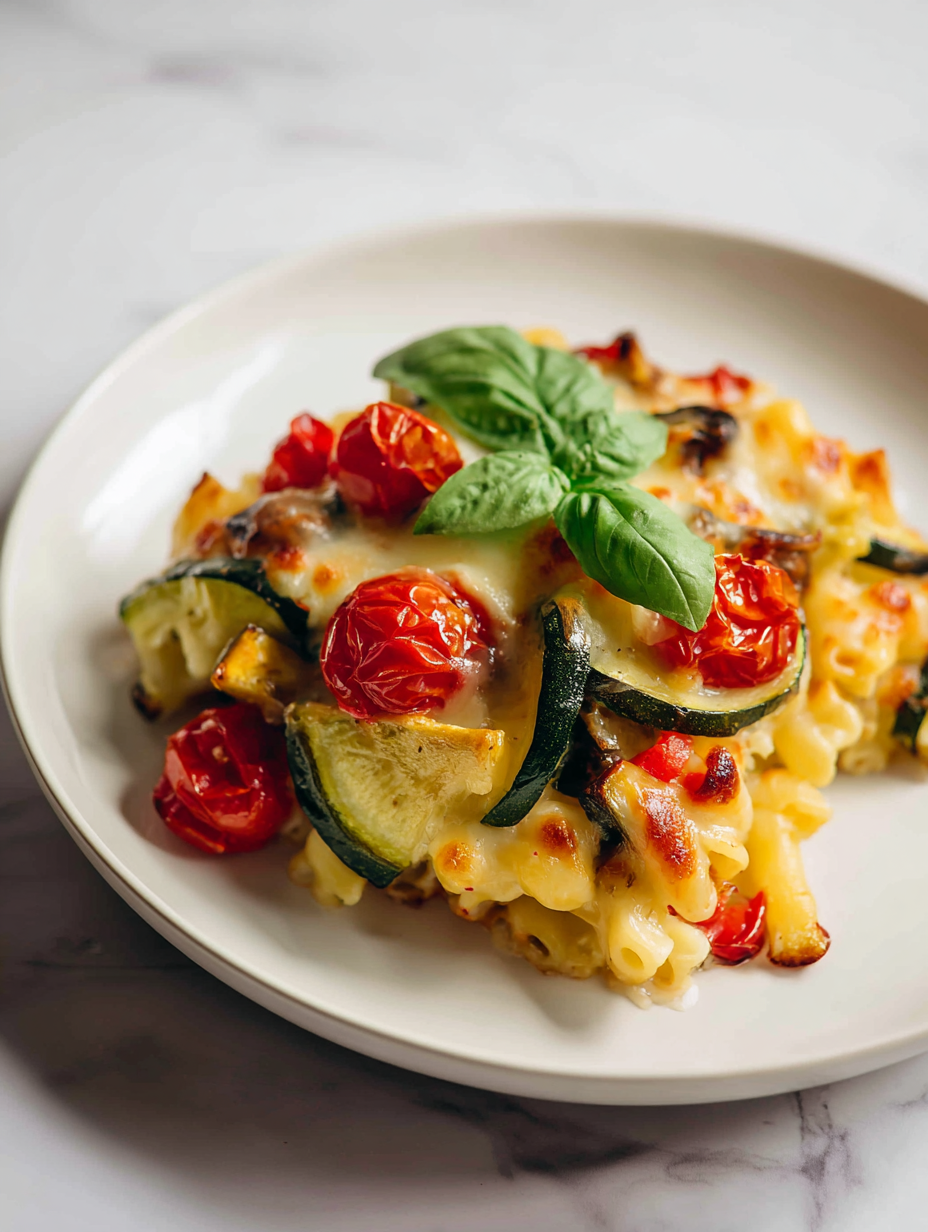
Vegetable Pasta Bake
Ingredients
Equipment
Method
- Bring a large pot of salted water to a boil and cook the pasta until just shy of al dente, about 8 minutes. Drain and set aside.
- In a mixing bowl, toss the roasted vegetables with a tablespoon of olive oil, dried oregano, salt, and pepper. Set aside.
- In a saucepan, heat a tablespoon of olive oil over medium heat and sauté the minced garlic until fragrant, about 30 seconds. You’ll smell a warm, savory aroma.
- Add the cooked pasta and roasted vegetables to the saucepan, tossing together to combine and heat through for 2-3 minutes. The mixture should be warm, fragrant, and slightly coated with garlic oil.
- Stir in the grated mozzarella and Parmesan cheeses, mixing until the cheeses melt into a gooey, stringy consistency. Check the seasoning and adjust with salt and pepper as needed.
- Transfer the mixture into your prepared baking dish, spreading it out evenly. Sprinkle the breadcrumbs on top and drizzle with a little olive oil for a crispy finish.
- Bake in a preheated oven at 200°C (390°F) for 20-25 minutes, until bubbling around the edges and the top is golden brown and crispy. You should hear a gentle bubbling and smell toasted breadcrumbs.
- Once baked, remove from the oven and let it rest for about 5 minutes. This helps the bake set and makes serving easier.
- Garnish with fresh herbs if desired, then serve warm, enjoying the crispy top and cheesy, tender interior. It’s comfort food at its best!
Tips for the perfect bake
- Bold the garlic: Crush it gently before chopping to release more aroma and flavor during sautéing.
- Sizzle in stages: Add vegetables in batches if needed, to prevent steaming; aim for a lightly caramelized edge.
- Layer flavors: Mix cheeses thoroughly into the pasta for even gooeyness, but sprinkle a little extra on top for a crispy crust.
- Breadcrumb crunch: Toast breadcrumbs in a dry pan until golden; this adds a nutty flavor and prevents sogginess.
- Bake to bubbling: Ensure the dish is hot enough—around 190°C (375°F)—so cheese bubbles and edges crisp up nicely.
- Rest before serving: Let the bake sit for at least 5 minutes; this helps it set and makes slicing easier.
- Use oven rack: Place the dish in the middle for even heat distribution, avoiding burnt edges or undercooked centers.
Common mistakes and how to fix them
- FORGOT to adjust oven temperature → Check for golden, bubbling top to avoid over-browning.
- DUMPED too much cheese → Use less cheese if the bake looks overly greasy or greasy-looking.
- OVER-TORCHED breadcrumb topping → Cover loosely with foil if it browns too quickly during baking.
- UNDER-seasoned pasta mix → Taste and adjust salt or herbs before baking for full flavor.
Quick kitchen fixes
- When sauce is too thin → Splash in a bit of grated cheese to thicken and add richness.
- If pasta sticks together → Patch with a quick rinse, then toss with a little olive oil before baking.
- DUMPED too much salt → Shield with a dollop of sour cream or a splash of milk to mellow the saltiness.
- When cheese isn’t melting → Rescue with a quick blast under the broiler for 2-3 minutes until bubbly.
- Splash some lemon juice or vinegar if the bake feels dull; brightens flavors instantly.
Make-Ahead and Storage Tips
- You can prep the entire baked dish a day in advance; assemble, cover tightly, and refrigerate for up to 24 hours. The flavors meld beautifully overnight, and the top stays crispy if you reheat properly.
- Store leftovers in an airtight container in the fridge for 3-4 days. The cheese may firm up slightly, but a quick reheat restores its gooey texture and warm aroma.
- For longer storage, freeze individual portions for up to 2 months. Wrap tightly to prevent freezer burn. Expect slightly softer veggies upon reheating, but the overall comfort remains.
- Reheat in the oven at 175°C (350°F) for about 20 minutes, or until bubbling and hot through. For a quicker fix, microwave in 30-second bursts, checking that the cheese is melted and the dish is steaming hot.
Top questions about vegetable pasta bake
1. Can I use fresh vegetables instead of leftovers?
Use leftover roasted vegetables, which become tender and caramelized during baking, adding depth. The smell of roasted bits and melted cheese make it irresistible.
2. Should I pre-cook the vegetables?
Yes, just roast fresh vegetables first until slightly caramelized for the best flavor. Raw veggies may turn soggy or undercooked during baking.
3. Can I substitute the cheese?
Use a mix of mozzarella and Parmesan for gooey cheese with a salty kick. For a milder taste, opt for mild cheeses like ricotta or a touch of cream.
4. Is this recipe gluten-free?
Use gluten-free pasta if needed, but keep in mind they might cook faster or have a different texture. Choose shapes like penne or rigatoni for best sauce-holding ability.
5. Can I prepare this in advance?
Yes, you can make it ahead, assemble the dish, and refrigerate for up to 24 hours. The flavors deepen overnight, and you might want to add a splash of extra cheese before baking.
6. How do I know when it’s done?
Bake until the cheese is bubbling and golden, usually about 20-25 minutes at 200°C (390°F). The top should be crispy, and the edges slightly browned.
7. How do I get the topping crispy?
Use a crunchy breadcrumb topping, toasted lightly before sprinkling. It adds a satisfying crispness and golden color that contrasts nicely with the soft interior.
8. What if it turns out too dry or too wet?
If the bake is too dry, drizzle with a little olive oil or broth before baking. For too watery, add more breadcrumbs or cheese on top to absorb moisture.
9. Can I add herbs?
Use fresh herbs like basil or oregano after baking for bright aroma and flavor. Dried herbs can be added earlier but lack that vibrant punch.
10. How should I reheat leftovers?
Yes, leftovers keep well in the fridge for 3-4 days. Reheat in the oven until bubbling and crispy on top, about 15-20 minutes at 175°C (350°F).
This vegetable pasta bake feels like a warm hug from the fridge—something I reach for when I need comfort without fuss. It’s a reminder that good food doesn’t have to be complicated or perfect, just honest and honest-to-goodness satisfying.
Honestly, I keep coming back to it because it’s flexible, forgiving, and makes leftovers feel special. Sometimes I add a handful of greens or a drizzle of hot sauce, but mostly, I just enjoy how the flavors deepen and the crispy top gets more irresistible with each reheating. That’s how I know I’ll be making this again and again.

Hi, I’m Anjali Arora — the curious heart behind Feast Chase.
To be honest, I’ve always felt most at ease in my own company. I’m not exactly a people-person (small talk still makes me cringe), but there are two things I’ve always loved deeply: animals and food.