 Anjali Arora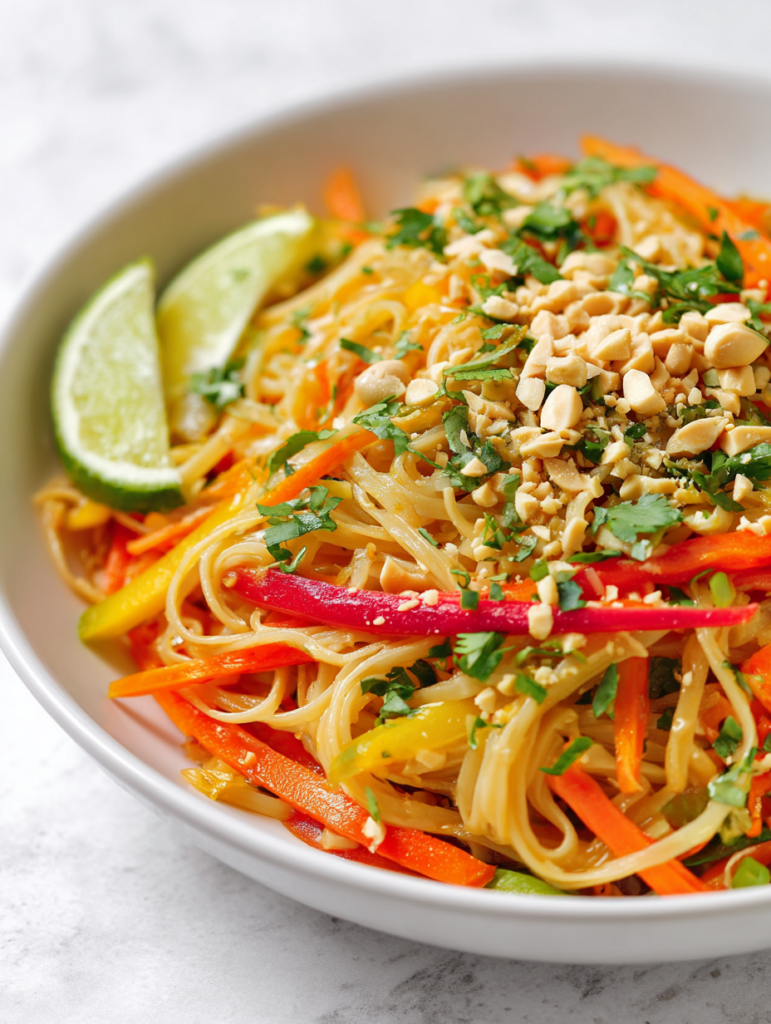
This Vegetable Pad Thai is my way of turning humble, everyday vegetables into something bright and satisfying. It’s about celebrating the colorful, imperfect produce I find at the market—carrots, bell peppers, even zucchini—and giving them a starring role on the plate. No fancy ingredients, just honest, vibrant flavors that feel like a little celebration in the middle of a busy week.
What I love about this dish is how adaptable it is; you can toss in whatever veggies you have, and it still comes together fast. It’s a reminder that cooking doesn’t have to be complicated to be delicious. Plus, the smell of garlic and lime filling the kitchen when it’s cooking—there’s something honest about it, like a little nod to how simple food can still be special.
Focusing on how transforming everyday vegetables into a vibrant, savory Pad Thai can turn a simple weeknight meal into a celebration of seasonal produce and honest cooking. It’s about embracing the imperfect, colorful beauty of vegetables and making them the star, not just a side.
Finding Joy in Veggie Brightness
- Cooking this dish always reminds me of summer nights at my family’s backyard, where the smell of garlic and lime would drift through the air.
- I used to think Pad Thai needed shrimp or chicken to be satisfying, but turning to vegetables has made it feel more honest and accessible.
- There’s a quiet joy in tossing together this vibrant bowl, knowing I’m packing in a rainbow of flavors and textures.
- Every time I make this, I feel a little proud of turning simple, everyday produce into something that feels special, even on a busy weeknight.
The inspiration behind this dish
- This Vegetable Pad Thai came from a moment of realizing how much I rely on quick weeknight dinners that still feel nourishing and vibrant. One evening, I looked in my fridge and saw a handful of random vegetables—zucchini, carrots, bell peppers—and thought, why not turn them into something lively rather than letting them sit? That little spark of creativity made me reach for my wok and a jar of tamarind paste I’d been meaning to use, and suddenly, dinner wasn’t just a fallback, but a small celebration of what’s fresh and on hand.
- Over the years, I’ve tweaked this recipe to suit whatever’s in season or what I find at the market, which keeps it feeling honest and flexible. It’s a dish that reminds me that good food doesn’t need to be complicated—just a little attention, some sharp flavors, and a splash of lime. It’s become a go-to, especially on nights when I want something satisfying but not weighed down.
- heading:
Trivia and Origins
- Vegetable Pad Thai is a modern twist on the classic Thai street food, emphasizing seasonal produce over proteins.
- The dish’s roots trace back to Bangkok’s bustling markets where quick, veggie-forward meals became popular among locals.
- Using only vegetables in Pad Thai gained popularity among vegetarians and those seeking lighter, plant-based options in recent decades.
Ingredient breakdown
- Carrots: I love the crunch and sweetness they add; use thin julienne strips for quick cooking or grate for a softer bite. Swap with daikon for milder flavor.
- Bell Peppers: Their bright, juicy pop brightens the dish; toss in any color, and slice thinly so they cook quickly. Consider zucchini if you want a milder, watery texture.
- Tofu: Firm tofu gives a satisfying bite and absorbs flavors well; press and cube, then fry until crispy. Silken tofu can be blended into sauces for creaminess.
- Bean Sprouts: They add a fresh, crisp texture; toss in at the end to keep that crunch. If unavailable, shredded cabbage offers a similar snap.
- Lime: Brightens everything with a zesty punch; squeeze just before serving to keep the flavor fresh. Lemon can be a quick substitute if needed.
- Nuts (Peanuts): Toasted peanuts add a smoky crunch; chop roughly and sprinkle on top. Cashews work well for a softer nutty bite, too.
- Pad Thai Noodles: Rice noodles are perfect—they cook fast and soak up flavors; soak in hot water for about 10 minutes. Soba noodles can be a gluten-free alternative.
Spotlight on key ingredients
Carrots & Bean Sprouts:
- Carrots: I love their sweet crunch and bright orange color; they soften just enough while keeping a bite. Swap with daikon for a milder, juicier profile.
- Bean Sprouts: They add a crisp, fresh snap that’s essential at the end. Keep them raw for brightness; sautéed cabbage can be a crunchy substitute.
Notes for ingredient swaps
- Vegetables: Swap carrots for daikon or radishes for a milder, crunchier bite. Use broccoli florets if you prefer a more substantial texture.
- Noodles: Rice noodles are classic, but soba or even spiralized zucchini can work—just adjust cooking time accordingly.
- Sauce Base: Tamari or coconut aminos make great gluten-free soy sauce substitutes, adding depth without wheat or soy allergens.
- Peanuts: If allergies are a concern, toasted sunflower seeds or chopped roasted chickpeas give similar crunch and nuttiness.
- Lime: Lemon juice is a quick stand-in, providing that bright, acidic punch—just don’t skip the zest if possible.
- Sweeteners: Honey or agave syrup can replace sugar in the sauce for a different, richer sweetness.
- Protein: Firm tofu is typical, but tempeh or even sautéed mushrooms can add hearty texture and umami.
Equipment & Tools
- Wok or large skillet: For high-heat stir-frying ensuring quick, even cooking.
- Tongs: To toss and mix ingredients without breaking them.
- Small bowl: For mixing sauce ingredients before adding to the pan.
- Measuring spoons: To accurately measure soy sauce, lime juice, and other flavorings.
- Sharp knife: For slicing vegetables thin and uniform for quick cooking.
- Cutting board: A stable surface for prepping vegetables.
Step-by-step guide to Vegetable Pad Thai
- Gather all ingredients and tools before starting. Have your veggies washed, peeled if needed, and sliced thin. Soak rice noodles in hot water for 10 minutes until just tender, then drain and set aside.
- Equipment & Tools: Wok or large skillet (for high heat stir-frying), tongs (for tossing), small bowl (for sauce), measuring spoons, sharp knife, cutting board.
- Heat the wok over medium-high heat until just starting to shimmer—around 200°C/390°F. Add a tablespoon of oil and let it heat until it shimmers and just begins to smoke.
- a. Toss in minced garlic and shallots; cook for 30 seconds until fragrant and slightly golden, releasing a warm garlic aroma. b. Add sliced vegetables—carrots, bell peppers, zucchini—and stir-fry for about 2–3 minutes. c. Vegetables should be crisp-tender and brightly colored. If they start to soften too much, turn down the heat slightly.
- Push the veggies to one side of the pan. Pour in beaten eggs (if using) or directly add the prepared sauce. Let it bubble for 10 seconds, then stir everything together vigorously for 1–2 minutes until well coated and hot. The noodles should soak up the flavors and turn glossy.
- Taste and adjust seasoning—more lime, soy, or a pinch of sugar if needed. Keep stirring until noodles are heated through and slightly caramelized edges form, about 2 minutes. If noodles stick, splash a little water or oil.
- Finish by tossing in bean sprouts and chopped peanuts; cook for 30 seconds just to warm. Remove from heat immediately to prevent overcooking the veggies.
- Rest the dish for 1 minute. Plate the Pad Thai and garnish with fresh herbs like cilantro or Thai basil if desired. Serve immediately while hot, with lime wedges on the side.
Once plated, sprinkle with chopped peanuts and fresh herbs. Squeeze fresh lime over for brightness. Serve immediately while hot, allowing the flavors to meld and the textures to shine.
How to Know It’s Done
- Vegetables should be crisp-tender with vibrant color.
- Noodles should be glossy and flavorful, not mushy.
- A fragrant aroma of garlic, lime, and stir-fried veggies should fill the kitchen.
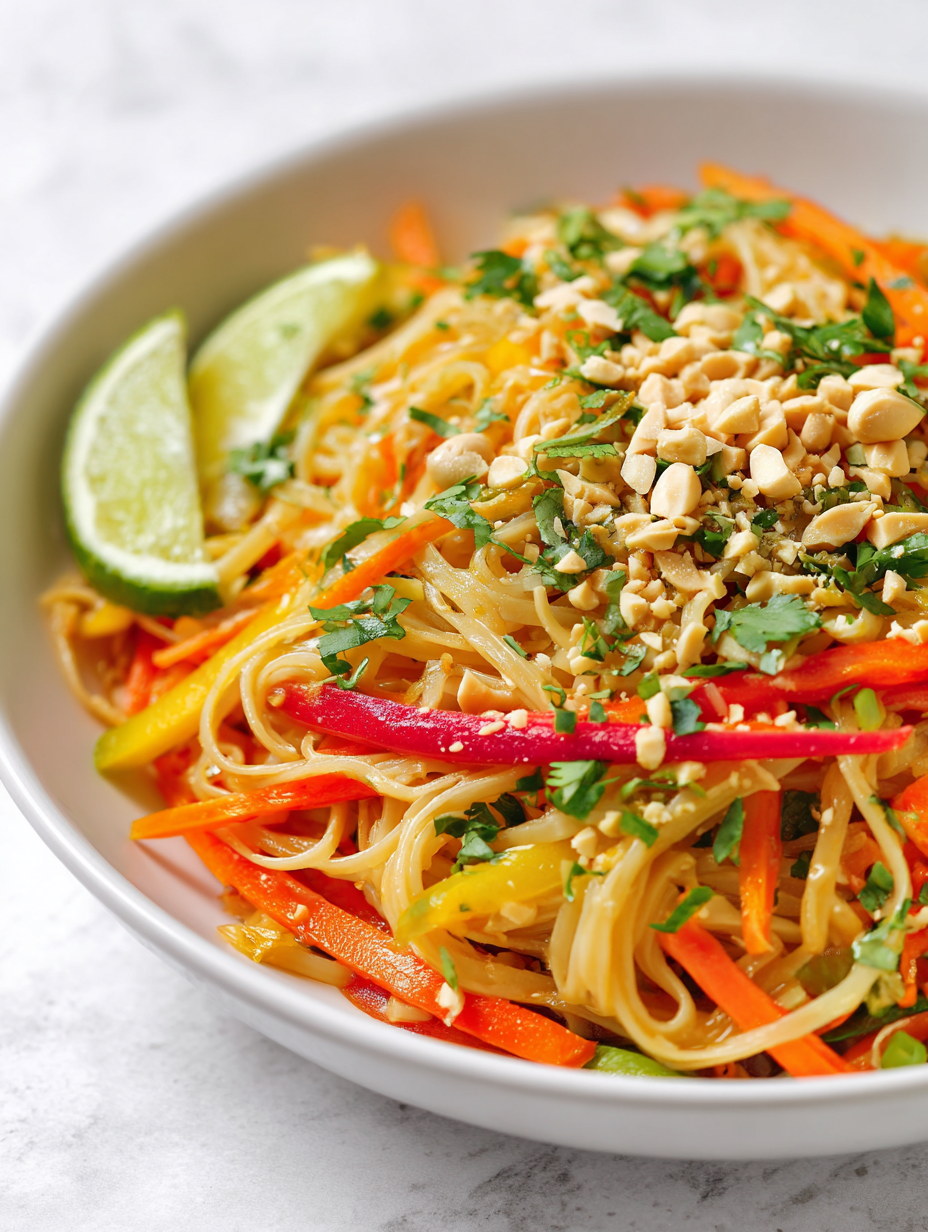
Vegetable Pad Thai
Ingredients
Equipment
Method
- Drain the soaked rice noodles and set aside. Mince the garlic and prepare all vegetables by slicing them thinly for quick cooking.
- Heat a wok or large skillet over medium-high heat and add the oil. Once shimmering, add the minced garlic and cook for about 30 seconds until fragrant, filling the kitchen with a warm aroma.
- Add the sliced bell peppers, carrots, and zucchini to the pan. Stir-fry for about 2–3 minutes until the vegetables are bright in color and just tender but still crisp. You should hear a lively sizzle and see the vegetables soften slightly.
- Push the vegetables to one side of the pan. Pour in the beaten eggs (if using) and scramble gently until just set, about 30 seconds. Mix the eggs with the vegetables, creating a colorful, fragrant base.
- Add the drained rice noodles to the pan. Pour in the soy sauce and sprinkle with a little sugar if desired. Toss everything together vigorously using tongs, ensuring the noodles are coated with the sauce and heated through, about 2 minutes. The noodles should turn glossy and slightly chewy.
- Stir in the fresh bean sprouts and cook for an additional 30 seconds just to warm them without losing their crunch. Remove the pan from heat.
- Squeeze fresh lime juice over the dish and toss to combine. Transfer the Pad Thai to serving plates and sprinkle generously with toasted chopped peanuts. Garnish with lime wedges and additional herbs if desired.
- Enjoy your bright, flavorful Vegetable Pad Thai immediately while it's hot, feeling proud of a quick, honest meal packed with color and crunch.
Pro tips for vegetable stir-fry
- Use high heat to quickly sear vegetables—preserves color and crunch.
- Toss ingredients constantly to prevent sticking and uneven cooking.
- Add noodles last and stir vigorously—glossy and evenly coated are signs of readiness.
- Taste and adjust seasoning at the end—balance acidity, salt, and sweetness for depth.
- Toast nuts separately to deepen flavor and avoid burning, then sprinkle just before serving.
- Squeeze lime just before serving to keep that fresh, zingy brightness.
- Keep veggies slightly crisp—overcooking dulls their vibrant texture and flavor.
Common mistakes and how to fix them
- FORGOT to adjust heat → Noodles and veggies can overcook if heat is too high.
- DUMPED sauce too early → Wait until noodles are glossy before adding sauce for better flavor absorption.
- OVER-TORCHED noodles → Stir constantly to prevent sticking and burning; reduce heat if necessary.
- MISSED draining noodles → Drain thoroughly to prevent sogginess and clumping.
Quick Fixes for Pad Thai Woes
- When sauce is too thick, splash in a little water and stir until loosened.
- If noodles stick, rinse briefly with hot water and toss with a tiny bit of oil.
- Splash soy or lime if the dish tastes flat—brighten with a quick squeeze or drizzle.
- Patch overcooked veggies by adding a splash of broth and cooking briefly to revive crunch.
- Shield burnt noodles by removing from heat immediately and adding fresh noodles to dilute the burn smell.
Prep, store, and reheat tips
- Prep vegetables by julienning or slicing ahead; store in airtight containers for up to 2 days. They’ll stay crisp and vibrant.
- Cook noodles in advance, rinse with cold water, and toss with a little oil to prevent sticking. Keep in the fridge for up to 24 hours.
- Assemble the sauce ingredients early—combine soy, lime, and sweetener—and refrigerate for up to 2 days. Shake or stir before using to re-blend flavors.
- Reheat noodles in hot water for 1-2 minutes if needed; drain well to avoid sogginess. Reheat stir-fried vegetables briefly in a hot pan for freshness.
- For best flavor, add fresh herbs, lime, and nuts right before serving. Reheated dishes can lose brightness and crunch, so this keeps it lively.
Top questions about Vegetable Pad Thai
1. How do I get crispy tofu?
Use firm or extra-firm tofu and press out excess moisture before frying for the best texture. It crisps up nicely and absorbs flavors well.
2. How should I prepare the noodles?
Soak rice noodles in hot water for about 10 minutes until just tender. Drain thoroughly, then toss with a little oil if not using immediately to prevent sticking.
3. How long do I cook the vegetables?
Stir-fry vegetables on high heat for 2-3 minutes until bright and still slightly crisp. Overcooking makes them soggy and dull in color.
4. When should I add lime juice?
Add lime juice just before serving to keep it fresh and zesty. Squeezing over the dish brightens all the flavors and highlights the veggies.
5. What equipment is best for stir-frying?
Use a wok or large skillet over medium-high heat for quick, even stir-frying. It helps maintain the texture and color of the vegetables.
6. How do I fix bland Pad Thai?
Taste the dish before serving and adjust with more lime, soy, or a pinch of sugar. Balancing the acidity and sweetness enhances the overall flavor.
7. How do I prepare the nuts?
Toast nuts separately in a dry pan over medium heat until golden and fragrant—about 2-3 minutes. They add a smoky crunch and deepen flavor.
8. Can I prepare this dish in advance?
Store prepped vegetables in airtight containers in the fridge for up to 2 days. Noodles can be cooked ahead and stored for 24 hours, tossed in a little oil to prevent sticking.
9. How do I reheat leftovers?
Reheat noodles quickly in hot water for 1-2 minutes or in a hot pan with a splash of water. Reheat vegetables briefly to maintain their crispness and brightness.
10. What if my Pad Thai becomes too thick or burns?
If sauce is too thick, splash in a little water and stir until loosened. For burnt noodles, remove from heat immediately and add fresh noodles to dilute the burn smell.
This dish is a reminder that even humble vegetables can shine with a little care and attention. It’s perfect for busy nights when I want something honest, quick, and full of flavor that feels like a little celebration.
Sharing this recipe feels like passing along a secret for turning everyday ingredients into something vibrant and satisfying. It’s not just about the food, but the joy of keeping it simple and real in the kitchen.

Hi, I’m Anjali Arora — the curious heart behind Feast Chase.
To be honest, I’ve always felt most at ease in my own company. I’m not exactly a people-person (small talk still makes me cringe), but there are two things I’ve always loved deeply: animals and food.