 Anjali Arora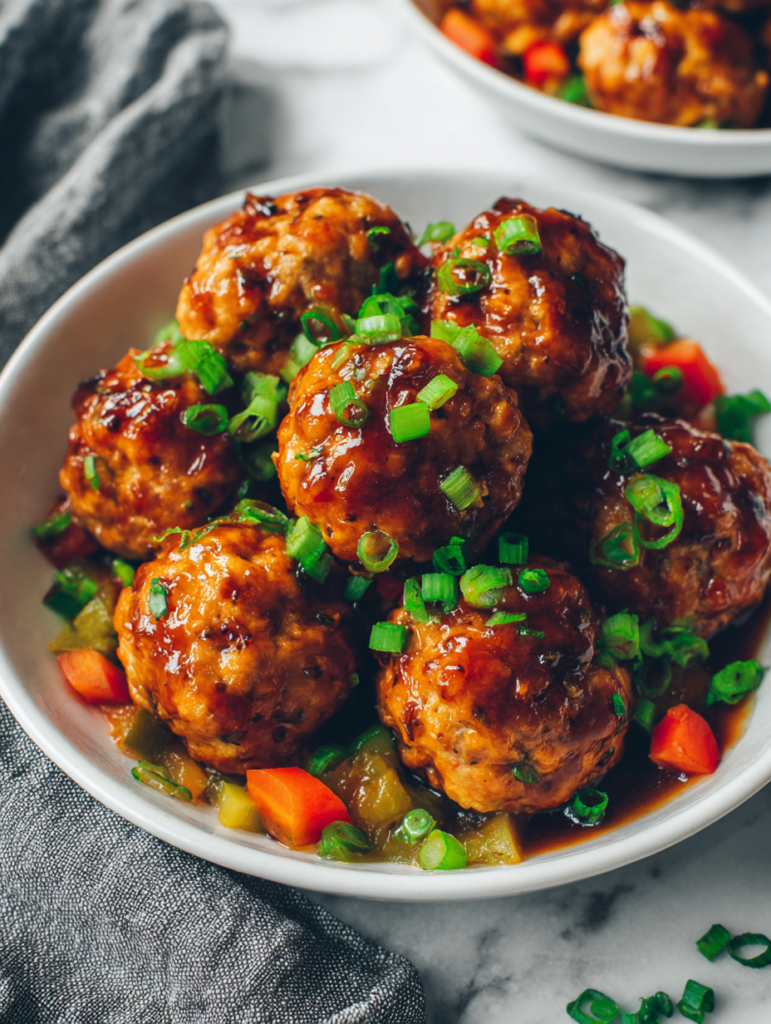
Making Vegetable Manchurian at home is a way to tame its bold, sometimes overwhelming flavors. It’s about finding that perfect balance—crisp vegetables coated in a spicy, tangy sauce—that feels just right on your plate. I love how you can adjust the heat and salt to match your mood, turning it into a dish that’s truly yours.
This dish isn’t just takeout comfort; it’s a chance to get your hands dirty, to experiment with fresh ingredients, and to make something satisfying from scratch. I’ve learned that the secret is in the crispy coating and the homemade sauce—those little touches make all the difference. Plus, it’s a great way to sneak in more veggies without losing that addictive punch.
This recipe explores how Vegetable Manchurian can be transformed from a casual takeout favorite into a comforting, homemade dish that balances bold flavors with simple, fresh ingredients. It’s about reclaiming control over the spice level and texture, turning it into a nourishing, satisfying meal that warms both the belly and the soul.
Rediscovering a Takeout Favorite
- I used to think takeout was easier, but making my own Vegetable Manchurian felt like reclaiming a piece of my kitchen.
- The first time I got that perfect crispy coating, I felt a small victory—like I’d cracked a secret recipe.
- There’s a weird joy in balancing the tangy sauce with just enough spice to make your nose tingle.
- Every time I cook this, I remember lazy weekends spent chatting over steaming bowls of this dish with friends.
- Getting the sauce just right—thick enough to cling, bright enough to zing—still feels like a small, delicious challenge.
The story behind this recipe
- I remember the first time I tried making Vegetable Manchurian from scratch, it felt like an act of rebellion against takeout. There’s something satisfying about turning a dish I loved into something I can tweak and control. Plus, the smell of crispy vegetables frying up with garlic and ginger fills the kitchen with a nostalgic, spicy warmth that’s hard to beat.
- Over the years, I’ve tweaked the recipe to suit my own chaos—less oil, more punchy sauce, a splash of lemon at the end. It’s become my go-to for nights when I crave something familiar but with a personal twist. Making it from scratch makes every bite taste like a little victory, a reminder that good food comes from honest effort and a bit of messy joy.
- heading
- The story behind this recipe
Historical & Cultural Roots
- Vegetable Manchurian has roots in Chinese-American cuisine, adapted over decades to suit Indian palates.
- It’s believed to have originated in Indian-Chinese restaurants in Kolkata, blending local spices with Chinese techniques.
- The dish gained popularity in the 1970s when Indo-Chinese fusion food started to emerge as a distinct culinary style.
Key Ingredients and Tips
- Cabbage: I love the crunch and the slight sweetness, but you can swap it with shredded kale if you want a darker, earthier flavor.
- Garlic & Ginger: These are the flavor backbone—fresh and pungent. Use more if you want a punch, or less for a milder, fragrant touch.
- Soy Sauce: It gives that umami saltiness—go for a dark soy for deeper color and richer taste, but light soy works if you prefer a subtler salt hit.
- Cornflour: It’s what gives the coating its crispness. You can substitute with rice flour for a lighter crunch or a gluten-free option if needed.
- Vegetable Oil: I use neutral oil for frying—can swap with sesame oil for a nuttier aroma, but be careful—it’s stronger and can burn faster.
- Chili Sauce: Adds heat and tang—preferably use a good-quality, bright red chili sauce for vibrant color and smoky heat, but sriracha works in a pinch.
- Vinegar: Brightens everything with a sharp, zingy note—apple cider vinegar is my go-to, but rice vinegar keeps it milder and softer.
Spotlight on key ingredients
Cabbage:
- I love the crunch and slight sweetness, which stays firm during frying, adding texture and juiciness.
- It behaves slightly wilty if overcooked, so handle with care for that perfect crisp-tender bite.
Garlic & Ginger:
- These are the flavor backbone—pungent and fragrant, they infuse the oil and sauce with warmth.
- They soften and release their aroma quickly, so don’t rush the sauté—wait for that sizzle and fragrant burst.
Notes for ingredient swaps
- Vegetables: I love shredded cabbage for crunch, but shredded kale works for a darker, earthier bite—just add a little more salt to balance.
- Soy Sauce: I prefer dark soy for richness and color, but light soy keeps the dish softer and milder if you’re avoiding deep saltiness.
- Cornflour: It crisps up the coating, but rice flour can be a lighter alternative—use the same amount for similar crunch.
- Vegetable Oil: Neutral oil keeps the focus on flavors, though sesame oil adds a toasty aroma—use sparingly, it’s stronger.
- Chili Sauce: Bright and smoky, but sriracha can replace it if you want more garlic and vinegary punch—adjust quantity to taste.
- Vinegar: Apple cider brightens, but rice vinegar softens the acidity—swap to suit your preference or what you have on hand.
- Bell Peppers: Use red or yellow for sweetness or green for a sharper bite—choose what matches your mood or what’s in your fridge.
Equipment & Tools
- Deep-fryer or heavy-bottomed pan: For frying the vegetable balls evenly and safely.
- Mixing bowl: To combine and hold the vegetable batter.
- Slotted spoon: To remove fried items from hot oil without excess oil.
- Wok or large skillet: To cook the sauce and toss the fried balls.
- Spatula: For stirring and tossing ingredients gently.
Step-by-step guide to Vegetable Manchurian
- Equipment & Tools: Set up a deep-fryer or a heavy-bottomed pan with at least 5cm of oil, a mixing bowl, a slotted spoon, a wok or large skillet, and a spatula.
- Prepare the vegetable mixture. Finely chop or grate cabbage, carrots, bell peppers, and scallions. Mix in a bowl with cornstarch, a pinch of salt, and a splash of water until you get a sticky, cohesive batter.
- Heat the oil to 180°C (350°F). To test, drop in a small piece of batter—if it bubbles and rises immediately, the oil’s ready.
- Form small balls or patties from the vegetable batter. Carefully slide them into the hot oil—don’t overcrowd the pan. Fry for about 4-5 minutes, turning occasionally, until golden and crispy.
- Remove with a slotted spoon, drain on paper towels. Check for crispness—if limp, fry a bit longer or in smaller batches.
- In a separate wok or skillet, heat a tablespoon of oil over medium heat. Add minced garlic and ginger, cook until fragrant—about 30 seconds. Then pour in your prepared sauce (see ingredient breakdown).
- Simmer the sauce for 2-3 minutes until it thickens slightly and smells bright and spicy. Add the fried vegetable balls, toss gently to coat evenly. Cook for another minute, allowing the flavors to meld.
- Resting & Finishing: Serve hot, garnished with sliced scallions or a squeeze of lemon if desired. Rest for 1-2 minutes to let the sauce settle before plating.
Let the dish rest for 1-2 minutes after tossing in the sauce, allowing flavors to settle. Serve immediately, garnished with scallions or a squeeze of lemon for brightness.
How to Know It’s Done
- Crispy exterior on the vegetable balls, golden brown and crackling at the edges.
- Sauce is glossy, thick enough to cling without being gloopy, with a bright aroma.
- Vegetables inside the balls are tender but hold shape, not soggy or falling apart.
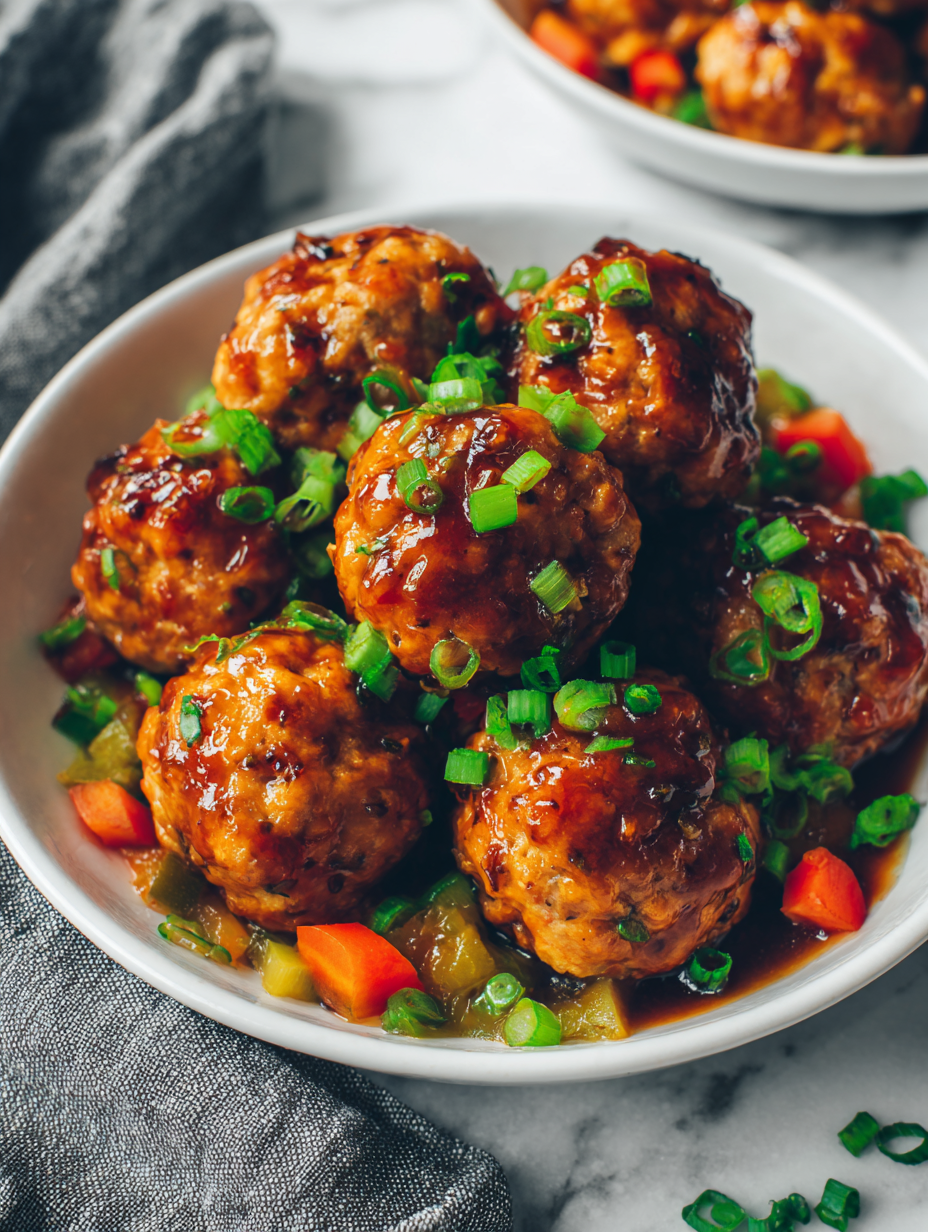
Vegetable Manchurian
Ingredients
Equipment
Method
- Prepare the vegetable mixture by finely chopping or grating cabbage, carrots, and bell peppers. In a large mixing bowl, combine all the chopped vegetables with cornstarch, salt, and a splash of water to form a sticky batter.
- Heat vegetable oil in a deep-fryer or heavy-bottomed pan until it reaches about 180°C (350°F). Test the temperature by dropping a small piece of batter—if it bubbles and rises immediately, it’s ready.
- Shape the batter into small balls or patties, about the size of a walnut, and carefully slide them into the hot oil. Fry in small batches to prevent overcrowding, turning occasionally for even browning.
- Cook the vegetable balls for about 4-5 minutes until they turn golden brown and crispy on the outside. Remove with a slotted spoon and drain on paper towels to remove excess oil.
- In a wok or large skillet, heat a tablespoon of oil over medium heat. Add the minced garlic and grated ginger, sauté until fragrant—about 30 seconds—until the kitchen fills with a warm, spicy aroma.
- Pour in the soy sauce, chili sauce, and vinegar, stirring well. Let the sauce simmer for 2-3 minutes until it thickens slightly and develops a vibrant aroma.
- Add the fried vegetable balls into the sauce, gently tossing to coat each piece evenly. Cook for another minute, allowing the flavors to meld and the sauce to cling to the crispy exterior.
- Remove from heat and transfer to a serving dish. Garnish with sliced scallions or a squeeze of lemon for extra brightness. Serve immediately while hot and crispy.
Pro Tips for Perfect Vegetable Manchurian
- Bolded Mini-Head: Use a gentle hand when forming the vegetable balls to keep them tender and uniform.
- Bolded Mini-Head: Maintain oil temperature at 180°C (350°F) for crispy, non-greasy coating.
- Bolded Mini-Head: Fry in small batches to prevent oil temperature drops, ensuring even crispiness.
- Bolded Mini-Head: Add minced garlic and ginger just until fragrant—avoid overcooking to keep their bright aroma.
- Bolded Mini-Head: Toss fried balls in sauce off heat if the sauce thickens too much, preventing sogginess.
- Bolded Mini-Head: Rest the cooked dish for 1-2 minutes before serving to let flavors meld and avoid splatter.
- Bolded Mini-Head: Use a slotted spoon to drain excess oil, keeping the texture crisp and light.
Common mistakes and how to fix them
- FORGOT to dry vegetables thoroughly → leads to soggy coating; pat dry with paper towels.
- DUMPED all sauce at once → causes clumping; add gradually and stir continuously.
- OVER-TORCHED oil → burns coating; maintain medium heat, adjust as needed.
- SKEWED proportions of soy and vinegar → imbalance flavor; taste and adjust at each step.
Fast Fixes for Vegetable Manchurian
- If oil smokes, splash in a little water to cool and reduce heat.
- When batter is too thick, add a teaspoon of water for better coating.
- DUMPED too much sauce—add a splash of broth to loosen and balance flavors.
- Overcooked vegetables lose crunch—remove from oil promptly and drain excess oil.
- Shield crispy coating with paper towels if it starts to soften quickly.
Prep, store, and reheat tips
- Prepare the vegetable mixture and shape the balls a day in advance; keep covered in the fridge for up to 24 hours, for crispy perfection when fried.
- Store fried vegetable balls in an airtight container in the fridge for up to 2 days; reheat in a hot oven until crisp, about 5-7 minutes at 200°C (390°F), until fragrant and crackling.
- The sauce can be made ahead and stored chilled for up to 2 days; reheat gently on the stove, stirring often, until bubbling and bright-smelling.
- Reheating may soften the coating slightly; for best texture, crisp them up in a hot oven or under the broiler for a few minutes, watching for that golden shimmer.
- Freshly made tastes best, but leftovers still carry the smoky, tangy flavor; just expect a softer bite if stored overnight.
Top questions about Vegetable Manchurian
1. Can I use a different oil for frying?
Use a neutral oil like vegetable or canola to fry the balls—they handle high heat well and won’t overpower with strong flavors.
2. Can I bake the vegetable balls instead of frying?
Yes, you can bake the vegetable balls at 200°C (390°F) for about 20 minutes, flipping halfway, for a healthier version.
3. How do I modify the sauce for more flavor?
Adjust the sauce by tasting as you go—add more soy for saltiness or vinegar for brightness to suit your taste.
4. Can I include other vegetables in the recipe?
Yes, you can add other vegetables like broccoli or snap peas—just chop small and keep the texture crisp.
5. How do I know when the vegetable balls are done?
Fry the balls until they are golden brown and crispy—this usually takes about 4-5 minutes in hot oil.
6. Should I toss the fried balls in sauce immediately or later?
Add the fried vegetable balls to the sauce off the heat to prevent sogginess and maintain crunch.
7. How can I enhance the flavor of the final dish?
Stir in a splash of lemon juice or a pinch of sugar at the end to balance the flavors and add brightness.
8. Should I rest the dish before serving?
Allow the dish to rest for a minute or two after tossing in sauce to let flavors set and avoid splattering.
9. How do I store and reheat leftovers?
Leftovers can be stored in an airtight container in the fridge for up to 2 days; reheat in a hot oven or skillet for best texture.
10. What if my sauce gets too thick or clumpy?
If the sauce becomes too thick or sticky, stir in a little water or broth to loosen it before serving.
Making Vegetable Manchurian at home is more than just recreating a favorite takeout. It’s about the satisfaction of control—adjusting spice, crunch, and tang to your liking, filling your kitchen with that inviting aroma of garlic, ginger, and sizzling oil.
In these moments, the dish becomes a personal ritual—something warm and familiar, yet entirely your own. No matter the season or occasion, it’s a reminder that good food often starts with honest effort and a little messy joy.

Hi, I’m Anjali Arora — the curious heart behind Feast Chase.
To be honest, I’ve always felt most at ease in my own company. I’m not exactly a people-person (small talk still makes me cringe), but there are two things I’ve always loved deeply: animals and food.