 Anjali Arora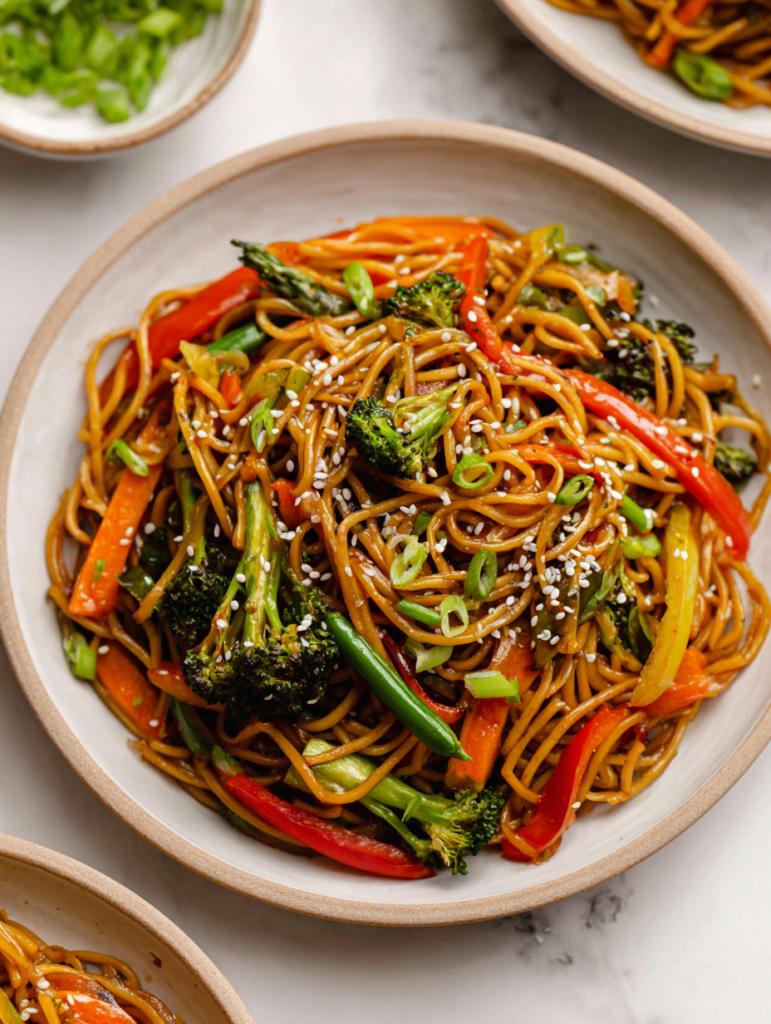
Vegetable lo mein is one of those dishes that feels like a little celebration of balance—crisp vegetables, tender noodles, and a savory sauce all working together. I love how even the simplest ingredients can come alive with the right stir, the right heat, and a bit of patience. It’s honest cooking, not fussy, just a bowl of something satisfying.
What keeps me coming back to this recipe isn’t just the familiar flavors, but how forgiving it is. You can swap in whatever vegetables you have—bell peppers, broccoli, carrots—and it still turns out vibrant and flavorful. It’s a reminder that good food doesn’t need to be complicated, just intentional, with a pinch of chaos and a lot of love.
Focusing on the art of balancing flavors and textures in vegetable lo mein, this recipe emphasizes how every ingredient contributes to a cohesive, satisfying dish, even with humble vegetables.
The overlooked beauty of humble ingredients
- This dish takes me back to Sunday afternoons in my grandma’s kitchen, the smell of soy and garlic filling the air.
- I feel a rush of pride when I see the bright greens and fiery reds of fresh vegetables sizzling in the pan.
- There’s a quiet joy in mastering the perfect balance of soy, sesame, and that little kick of chili.
- Sometimes, I find myself craving the simple act of tossing everything together—no fuss, just pure, honest cooking.
The story behind this recipe
- This vegetable lo mein was born out of countless rushed weeknights when I needed something quick, nourishing, and satisfying. I started experimenting with different vegetables and sauces, trying to find that perfect balance between freshness and umami. Over time, I realized it’s not just about the ingredients but how you bring them together with heat and patience.
- One quiet evening, I threw together what I had—carrots, bell peppers, a splash of soy—and was surprised by how vibrant and comforting it turned out. That moment made me see how humble vegetables, treated right, can shine in a stir-fry that feels like a little victory in the kitchen.
- Now, I love that this dish is forgiving—whatever’s in the fridge can become part of it—and it’s a reminder that good, honest food doesn’t need fancy tricks, just a bit of attention and a lot of love.
Historical tidbits about vegetable lo mein
- Vegetable lo mein was popularized in American-Chinese cuisine in the mid-20th century, blending traditional Chinese stir-fry techniques with local ingredients.
- The dish’s roots trace back to Cantonese chow mein, adapted by Chinese immigrants in the U.S. to include more vegetables and a sweeter sauce.
- In the 1970s, stir-fried noodle dishes like lo mein became a staple in Chinese-American takeout, evolving with regional twists and local preferences.
Ingredient breakdown: key components
- Carrots: I like slicing them thin for maximum crunch, but you can julienne or keep them thicker if you prefer a softer bite—either way, their sweetness adds a nice pop of color and flavor.
- Bell Peppers: I tend to use a mix of colors—red, yellow, orange—because the visual appeal makes me smile as they sizzle and brighten the dish. Feel free to swap with zucchini or snap peas for different textures.
- Noodles: I prefer fresh lo mein or chow mein noodles—they’re springy and absorb sauce beautifully. If you only have dried, give them a good soak and a quick boil to revive that chewy texture.
- Soy Sauce: I go for a good quality, slightly darker soy for depth, but you can use low-sodium if you’re watching salt. A splash of mushroom or oyster sauce adds richness if you want more umami.
- Sesame Oil: I add a drizzle at the end for that toasty aroma and glossy finish. Skip if you’re allergic, but don’t underestimate how much flavor a tiny amount imparts—think nutty, smoky, and warm.
- Garlic & Ginger: I keep these minced finely—they fry quickly and release a fragrant, slightly spicy aroma that ties everything together. You can mash them into a paste if you want an even more intense punch.
- Green Onions: I scatter these last, just a quick toss, for freshness and a mild onion bite. Feel free to substitute with chopped cilantro or basil for a different herbal note.
Spotlight on key ingredients
Carrots:
- I like slicing them thin for maximum crunch, but you can julienne or keep them thicker if you prefer a softer bite—either way, their sweetness adds a nice pop of color and flavor.
- Bell Peppers: I tend to use a mix of colors—red, yellow, orange—because the visual appeal makes me smile as they sizzle and brighten the dish. Feel free to swap with zucchini or snap peas for different textures.
Noodles & Soy Sauce:
- Noodles: I prefer fresh lo mein or chow mein noodles—they’re springy and absorb sauce beautifully. If you only have dried, give them a good soak and a quick boil to revive that chewy texture.
- Soy Sauce: I go for a good quality, slightly darker soy for depth, but you can use low-sodium if you’re watching salt. A splash of mushroom or oyster sauce adds richness if you want more umami.
Notes for ingredient swaps
- Dairy-Free: Swap soy sauce for coconut aminos—less salty, with a subtle sweetness that brightens the dish.
- Gluten-Free: Use rice noodles instead of wheat-based lo mein—tender and neutral, but may need a quick soak before stir-frying.
- Vegan: Omit oyster or fish sauces; add a splash of mushroom soy for depth—rich umami without animal products.
- Low-Sodium: Choose low-sodium soy sauce—just as savory but milder, so you can control saltiness better.
- Extra Protein: Toss in scrambled tofu or tempeh—adds a chewy, hearty bite that makes this more filling.
- Sweetness: Add a drizzle of honey or maple syrup—balances the soy’s saltiness with a gentle, caramel note.
- Heat: Incorporate a dash of chili flakes or Sriracha—amplifies spice and adds a smoky punch, if you like it hot.
Equipment & Tools
- Wok or large skillet: For high-heat stir-frying, evenly cooking ingredients
- Pot: To boil and cook noodles quickly
- Colander: To drain and rinse noodles
- Knife and cutting board: To prep vegetables and aromatics
- Spatula or tongs: To toss and stir ingredients during cooking
Step-by-step guide to vegetable lo mein
- Equip your wok or large skillet—ideally non-stick. Fill a big pot with water, bring to a rolling boil at 100°C (212°F).
- Cook the noodles: Add noodles to boiling water, cook for 2-3 minutes until just tender. Drain, rinse with cold water to stop cooking, set aside.
- Prep vegetables: Slice carrots thin on a bias, julienne bell peppers, mince garlic and ginger, chop green onions. Keep everything nearby.
- Heat your wok over medium-high (around 200°C/392°F). Add 1 tbsp oil. Once shimmering, toss in garlic and ginger. Fry until fragrant—about 30 seconds—smell should be nutty and spicy.
- Add carrots first: stir-fry for 1-2 minutes until they start to soften and smell sweet. Follow with bell peppers; cook for another 2 minutes until vibrant and slightly tender.
- Push veggies to the side. Toss in noodles, drizzle with 2 tbsp soy sauce, and stir everything together. Cook for 2-3 minutes, until noodles are heated through and slightly caramelized on edges.
- Taste and adjust: if too dry, splash a bit more soy or a tiny touch of sesame oil. If too salty, add a squeeze of lemon or a splash of water. The noodles should glisten and smell savory.
- Final touches: stir in chopped green onions. Remove from heat. Let sit for 1-2 minutes to settle flavors and prevent sogginess.
- Plate immediately—noodle strands should be shiny, vegetables crisp, and the aroma inviting. Serve hot for best texture and flavor.
Once plated, sprinkle with extra green onions if desired. Serve immediately while hot—noodle texture is best right out of the pan. Keep leftovers in an airtight container in the fridge for up to 2 days; reheat in a hot skillet, stirring occasionally, until steaming and fragrant again.
How to Know It’s Done
- Noodles are tender but not mushy, with a slight chew.
- Vegetables stay crisp and vibrant, not soggy or overcooked.
- The sauce coats everything evenly, with a savory, slightly caramelized aroma.
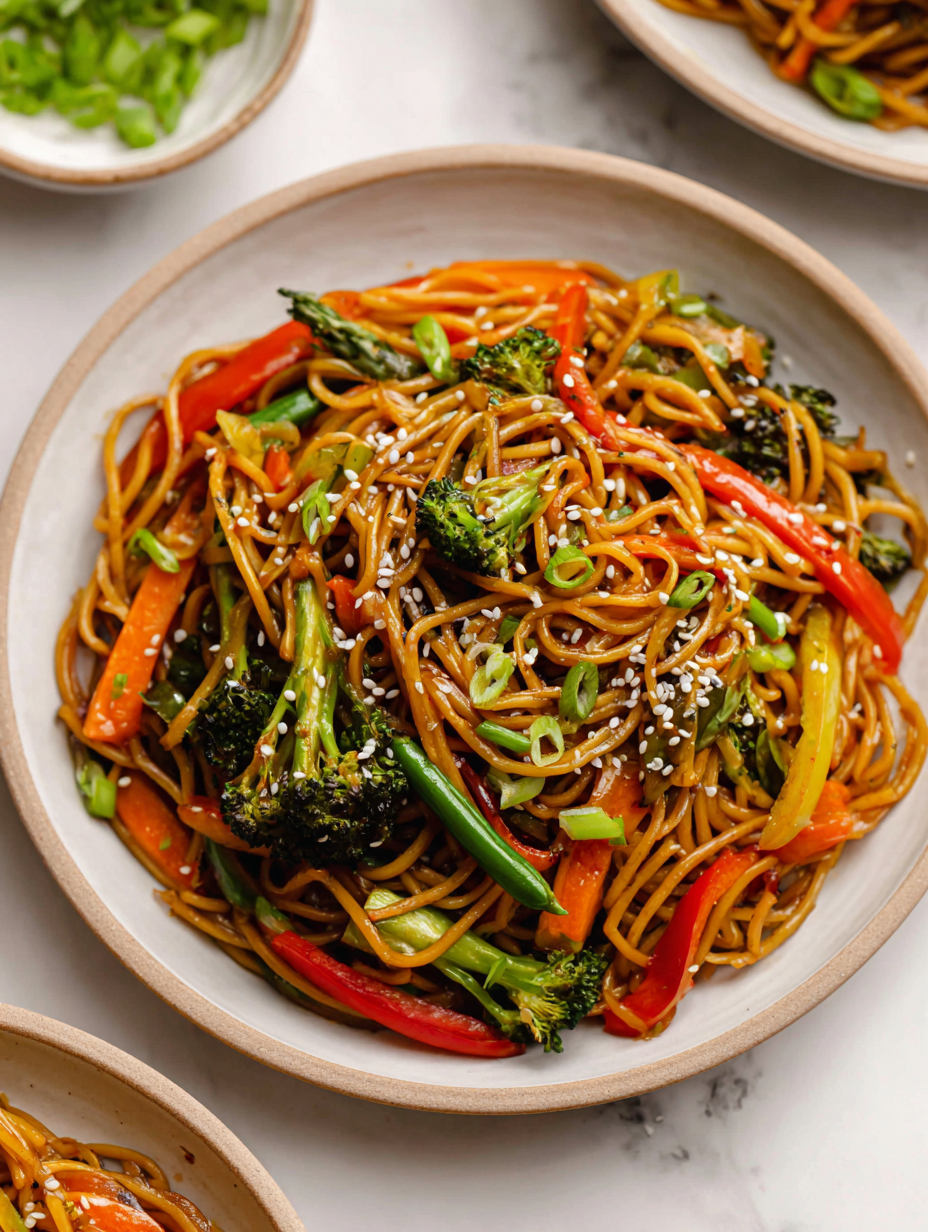
Vegetable Lo Mein
Ingredients
Equipment
Method
- Bring a large pot of water to a boil, then cook the noodles for 2-3 minutes until just tender. Drain and rinse with cold water to stop the cooking process, then set aside.
- While the noodles cook, prepare your vegetables: slice carrots thinly and julienne the bell pepper. Mince the garlic and ginger, and chop the green onions for garnish.
- Heat your wok or large skillet over high heat until hot, then add 1 tablespoon of vegetable oil. Swirl to coat the pan and wait until it shimmers and starts to smoke slightly.
- Add the minced garlic and ginger to the pan. Sizzle them for about 30 seconds until fragrant, filling the air with a nutty, spicy aroma.8 oz lo mein or chow mein noodles
- Stir-fry the sliced carrots in the pan for 1-2 minutes until they start to soften and release a sweet smell, their edges may turn slightly golden.8 oz lo mein or chow mein noodles
- Add the sliced bell peppers to the pan and cook for another 2 minutes until they are bright and slightly tender but still crisp.8 oz lo mein or chow mein noodles
- Push the vegetables to the side of the pan. Add the drained noodles, then pour the soy sauce evenly over everything. Toss gently with tongs or a spatula to combine, allowing the noodles to absorb the flavors and develop a slight caramelization on the edges.8 oz lo mein or chow mein noodles
- Cook for another 2-3 minutes, stirring constantly, until the noodles are heated through and glossy with sauce. Adjust seasoning if needed, adding a splash more soy or a drizzle of sesame oil.
- Remove the pan from heat. Stir in chopped green onions for a fresh burst of flavor and color. Drizzle with sesame oil for a toasty aroma and shine.8 oz lo mein or chow mein noodles
- Serve the vegetable lo mein immediately, garnished with additional green onions if desired. Enjoy the vibrant textures and savory aroma of this quick, satisfying dish.
Pro tips for perfect stir-fry
- Use high heat to get a quick sizzle that keeps vegetables crisp and vibrant.
- Toss noodles and sauce quickly—don’t let them sit—so they stay glossy and don’t stick together.
- Keep vegetables moving in the pan—constant agitation prevents burning and promotes even cooking.
- Add soy sauce in stages—start with less, then adjust—this controls saltiness and sweetness.
- Finish with a drizzle of sesame oil right off the heat—imparts a toasty aroma and a shiny finish.
- Don’t overcook your veggies—look for bright colors and a slight crunch, not limp or dull.
- Use a wide spatula or tongs—helps toss ingredients efficiently and prevents breakage of delicate noodles.
Common mistakes and how to fix them
- FORGOT to dry vegetables → Add a quick towel dry to prevent steaming.
- DUMPED too much oil → Use just enough to lightly coat for even stir-frying.
- OVER-TORCHED noodles → Keep heat medium-high, stir constantly, and remove once lightly charred.
- TOO SALTY soy sauce → Use low-sodium soy or dilute with water for balance.
Quick Fixes and Pantry Swaps
- When noodles stick together, splash hot water and gently separate with tongs.
- If veggies wilt too quickly, reduce heat and stir more steadily.
- Splash soy sauce when stir-frying to prevent burning and add moisture.
- Patch over over-salted sauce with a squeeze of lemon or a pinch of sugar.
- Shield from smoke by venting your stove or opening windows during high-heat stir-frying.
Prep, store, and reheat tips
- Prep vegetables: Slice carrots, bell peppers, and chop green onions a day ahead for quick assembly. Keep in airtight containers in the fridge—vegetables stay crisp for up to 24 hours.
- Cook noodles early: Boil and rinse noodles, then toss with a little oil to prevent sticking. Store in the fridge for up to 24 hours; reheat briefly in boiling water if needed.
- Sauce mixture: Mix soy, sesame oil, and aromatics ahead. Store in a jar in the fridge for 2-3 days—flavors meld and intensify, making stir-fry faster.
- Reheating: To revive leftovers, stir-fry in a hot pan with a splash of water or oil—look for the noodles to shimmer and vegetables to regain some crunch. Expect the aroma of toasted sesame and soy to re-emerge.
Top questions about vegetable lo mein
1. What vegetables work best?
Use firm, fresh vegetables like bell peppers, carrots, and broccoli for crispness and vibrant color. Avoid soggy or wilted produce.
2. How do I prepare the noodles?
Cook noodles just until tender, then rinse with cold water to stop cooking and keep them from sticking together.
3. Can I use a different soy sauce?
Soy sauce adds saltiness and umami. Use a good quality, darker soy for depth, and adjust to taste.
4. When should I add garlic and ginger?
Add garlic and ginger early to infuse flavor. Fry until fragrant, but don’t burn them—about 30 seconds.
5. What heat should I stir-fry at?
High heat is key—around 200°C (392°F). It helps vegetables stay crisp and noodles caramelize slightly.
6. How do I finish the dish?
Finish with a drizzle of sesame oil for aroma and shine. Toss quickly to coat everything evenly.
7. Should I cook vegetables separately?
Stir-fry vegetables separately if needed, then combine with noodles to prevent overcrowding and sogginess.
8. How should I store and reheat leftovers?
Store leftovers in an airtight container for up to 2 days. Reheat in a hot skillet, stirring until steaming.
9. Can I add herbs at the end?
Use fresh green onions or herbs as a final garnish for brightness and freshness in each bite.
10. How do I modify the sauce?
Adjust sauce ingredients based on your salt preference and desired flavor strength. Tweak soy, sesame, and add a splash of water if too salty.
Making vegetable lo mein is more than just a quick dinner—it’s a reminder to embrace the simplicity of good ingredients and honest techniques. Each time I stir-fry those vibrant vegetables, I’m reminded of how humble produce can shine with just a little heat and love.
This dish feels especially right now, when comfort and adaptability matter. It’s a flexible, forgiving recipe that welcomes whatever’s in the fridge and rewards you with a balanced, satisfying bite that’s honest to the core.

Hi, I’m Anjali Arora — the curious heart behind Feast Chase.
To be honest, I’ve always felt most at ease in my own company. I’m not exactly a people-person (small talk still makes me cringe), but there are two things I’ve always loved deeply: animals and food.