 Anjali Arora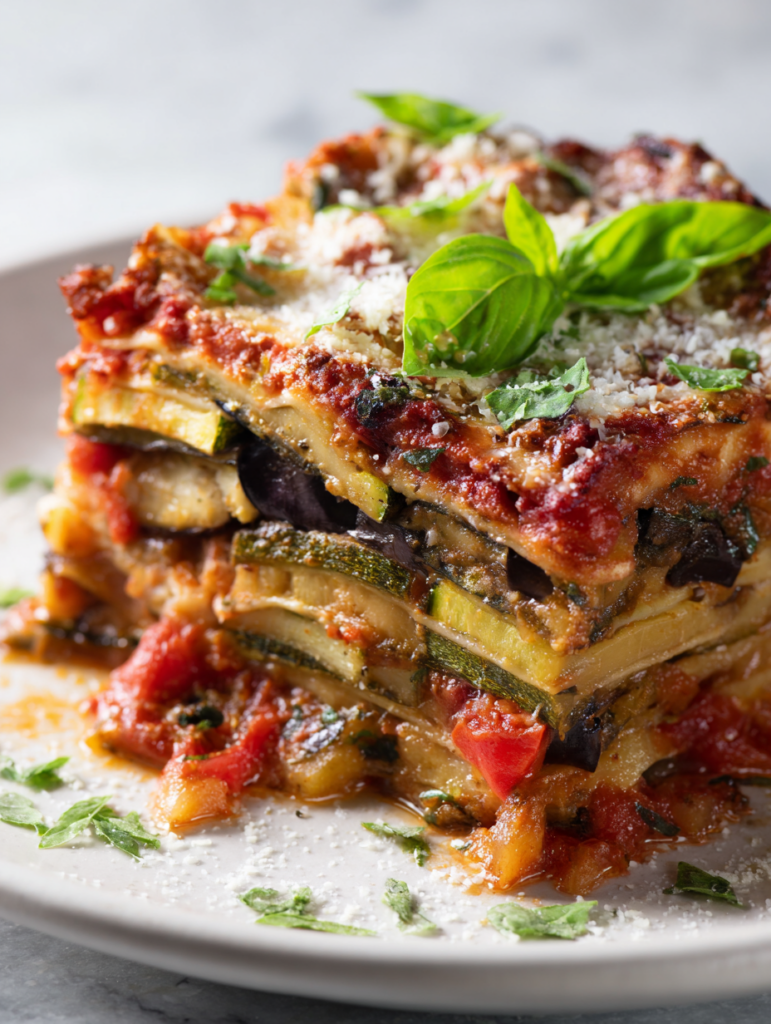
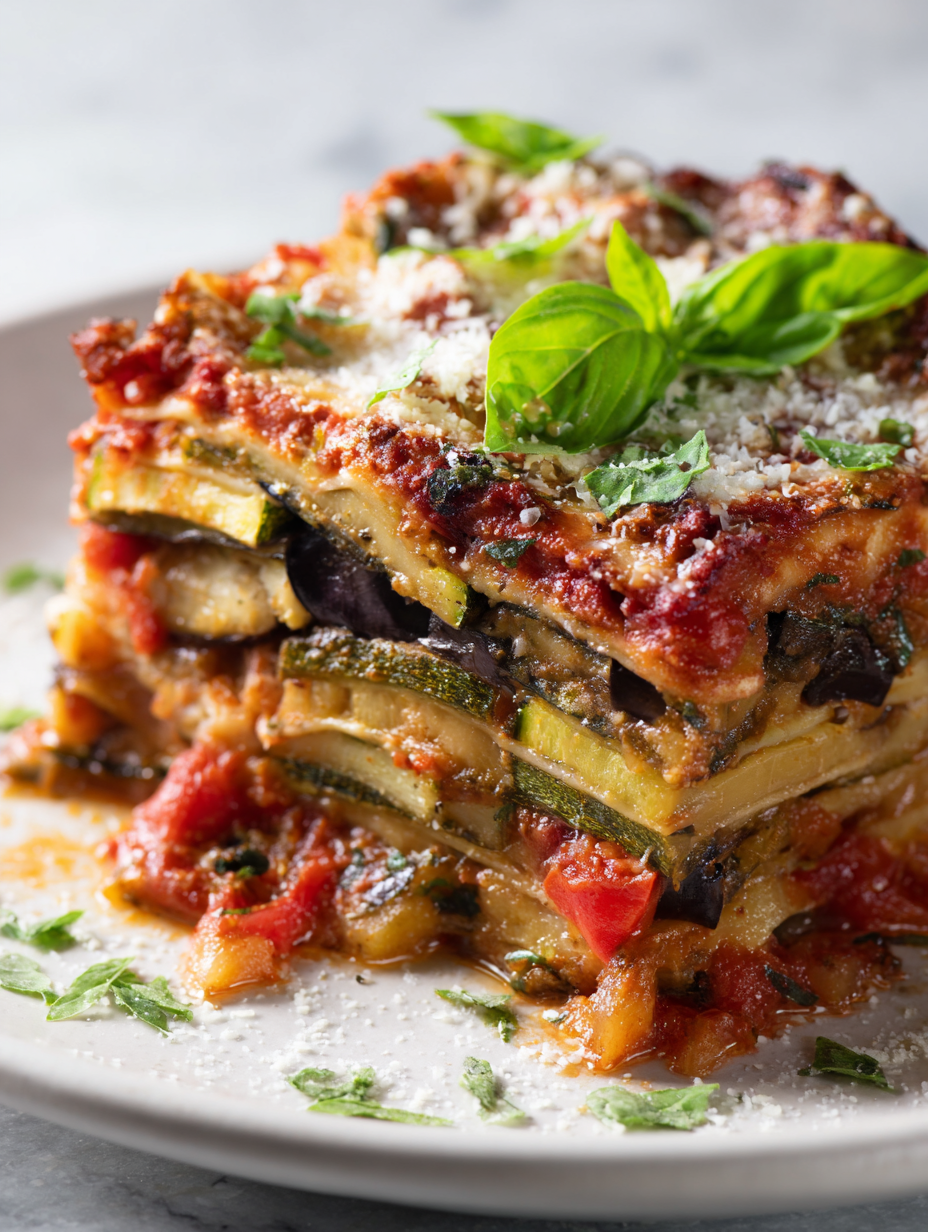
This vegetable lasagna is all about embracing the beauty of imperfection. I love how the slightly uneven layers, charred edges, and bubbling cheese tell a story of honest, hearty cooking. It’s not about perfection here, but about flavors that come from real, messy love in the kitchen.
I’ve made this dish during chaotic weekends when I just want something comforting and forgiving. The rustic charm of this lasagna makes every bite feel like a warm hug, even if the layers aren’t picture-perfect. It’s a reminder that sometimes, the most memorable meals are the ones made with a little chaos and a lot of heart.
Focusing on the imperfect, rustic charm of homemade vegetable lasagna—embracing the slightly uneven layers, charred edges, and honest, hearty flavors that come from cooking with love and a bit of chaos.
Celebrating Rustic Comfort
- This dish reminds me of Sunday afternoons at my grandma’s house, where the kitchen always smelled of melted cheese and roasted vegetables.
- I love how this lasagna turns out a little uneven, with crispy edges and gooey layers that taste like real home cooking, not perfection.
- Making this sometimes feels chaotic—layers spilling over, cheese bubbling over the edges—but that’s what makes it feel honest and comforting.
- Every time I serve this, I see friends’ eyes light up, especially when they realize it’s packed with vibrant, fresh vegetables and rich flavors.
The story behind this recipe
- This vegetable lasagna started as a way to use up a fridge full of odds and ends. I like how it turned into something more forgiving, almost rustic in feel. It’s the kind of dish that’s more about honest flavors than perfect layers.
- One rainy afternoon, I tossed together zucchini, eggplant, and spinach, hoping to make something cozy and filling. The result was so satisfying that I kept tweaking it, adding a splash of balsamic here, more cheese there. It became my go-to for lazy weekends when I wanted comfort without fuss.
- heading
- story_type
Historical and Cultural Tidbits
- Vegetable lasagna has roots in resourcefulness, often made during times when meat was scarce, emphasizing fresh produce and hearty pasta layers.
- The dish gained popularity in Italian-American homes in the 20th century as a versatile, meatless alternative that could stretch ingredients and feed a crowd.
- Early recipes varied widely, with some including béchamel sauce or ricotta, reflecting regional influences and family traditions that made each version unique.
- In recent years, vegetable lasagna has seen a revival among health-conscious cooks, turning it into a colorful celebration of seasonal produce and plant-based eating.
Key Ingredients Breakdown
- Zucchini: I slice it thin so it cooks evenly and feels tender, with a slight crunch that adds texture. Swap with yellow squash if you prefer a sweeter note.
- Spinach: I wilt it down until it’s just starting to darken and shrink, releasing a smoky aroma. If fresh isn’t available, frozen works—just squeeze out excess moisture first.
- Ricotta: I mix in a pinch of nutmeg and a splash of lemon juice for brightness, balancing the creamy richness. For a dairy-free version, try tofu blended until smooth.
- Tomato sauce: I simmer mine with garlic and a splash of balsamic for depth and a slightly sweet tang. Use jarred if you’re rushed, but homemade always smells better.
- Lasagna noodles: I prefer no-boil noodles for convenience, but if using regular, I’ll pre-cook until just al dente, then layer quickly before they get mushy. Keep an eye on the timing.
- Cheese: I layer lots of mozzarella and a sprinkle of Parmesan, the bubbling, gooey mess that’s the real reward. Swap with vegan cheese for a different melt and flavor profile.
- Olive oil: I drizzle a little over the vegetables before roasting to enhance their smoky, roasted aroma. Skip if you’re watching calories, but the flavor suffers without it.
Spotlight on key ingredients
Zucchini and Spinach:
- Zucchini: I slice it thin so it cooks evenly and feels tender, with a slight crunch that adds texture. Swap with yellow squash if you prefer a sweeter note.
- Spinach: I wilt it down until it’s just starting to darken and shrink, releasing a smoky aroma. If fresh isn’t available, frozen works—just squeeze out excess moisture first.
Notes for ingredient swaps
- Dairy-Free: Swap ricotta for crumbled tofu blended until smooth. It won’t be as creamy but still satisfying.
- Vegan Cheese: Use a good melting vegan cheese instead of mozzarella and Parmesan. It melts differently, with a slightly firmer texture.
- Gluten-Free: Substitute traditional lasagna noodles with gluten-free pasta sheets. They cook a bit faster, so keep an eye on the texture.
- Low-Sodium: Opt for no-salt-added tomato sauce and rinse canned vegetables to reduce saltiness without sacrificing flavor.
- Extra Vegetables: Replace zucchini with sliced bell peppers or mushrooms for variety and added earthiness. Roasting enhances their smoky aroma.
- Herbs & Spices: Fresh basil or oregano can be swapped with dried versions. Use half as much dried to avoid overpowering the dish.
- Olive Oil: If you don’t have olive oil, light vegetable oil works, but you’ll lose some of that fruity, robust aroma.
Equipment & Tools
- Baking dish (9×13 inches): Holds assembled lasagna for baking
- Sharp knife: Slices vegetables and cuts layers cleanly
- Sauté pan: Cooks and roasts vegetables
- Mixing bowl: Combines ricotta and seasonings
- Spoon/spatula: Spreads sauces and layers ingredients
Vegetable Lasagna Prep Steps
- Gather all your tools: a large baking dish (about 9×13 inches), a sharp knife, a sauté pan, a mixing bowl, and a spoon. Preheat your oven to 180°C (350°F).
- Slice zucchini and eggplant into thin rounds, about ¼ inch thick. Roughly chop spinach if fresh, or thaw frozen and squeeze out excess moisture.
- In the sauté pan, heat a tablespoon of olive oil over medium heat (about 160°C / 320°F). Add the eggplant and zucchini slices, cook until they start to brown around the edges, about 4-5 minutes per side. Remove and set aside.
- In the same pan, add a bit more oil and wilt the spinach until just darkened and reduced, about 2 minutes. Transfer to a bowl and season lightly with salt and pepper.
- In a mixing bowl, combine ricotta with a pinch of nutmeg, a squeeze of lemon juice, salt, and pepper. Mix until smooth and creamy.
- Spread a thin layer of tomato sauce over the bottom of your baking dish. Layer noodles over the sauce, slightly overlapping.
- Spread a third of the ricotta mixture over the noodles, then add a layer of roasted vegetables and a sprinkle of shredded mozzarella. Repeat layers: noodles, ricotta, vegetables, cheese, until ingredients are used, ending with a cheese layer on top.
- Pour remaining tomato sauce evenly over the top layer, then sprinkle with Parmesan and a drizzle of olive oil for shimmer.
- Cover with foil and bake in the preheated oven for 35 minutes. Remove foil and bake for an additional 10 minutes until bubbling and edges are slightly charred.
- Let the lasagna rest outside the oven for 10-15 minutes. This helps it set and makes slicing easier. Serve warm, with a fresh salad if you like.
Let the lasagna rest outside the oven for 10-15 minutes. Slice with a sharp knife, serve directly from the dish, and enjoy the gooey, charred edges with a sprinkle of fresh herbs if desired.
How to Know It’s Done
- Cheese is melted and bubbling with golden edges.
- Vegetables are tender and slightly caramelized around the edges.
- Lasagna slices hold shape when cut, with visible layers and minimal runny sauce.
Rustic Vegetable Lasagna
Ingredients
Equipment
Method
- Preheat your oven to 180°C (350°F). Slice zucchini and eggplant into thin ¼-inch rounds. In a sauté pan, heat olive oil over medium heat and cook the vegetable slices until they start to brown and become tender, about 4-5 minutes per side. Remove and set aside.
- In the same pan, add a little more olive oil and wilt the spinach until just darkened, about 2 minutes. Transfer to a bowl and season with salt and pepper to taste.
- In a mixing bowl, combine ricotta cheese with minced garlic, a pinch of salt and pepper, and blend until smooth and creamy. This will be your ricotta layer.
- Spread a thin layer of tomato sauce over the bottom of your baking dish. Place a layer of lasagna noodles over the sauce, slightly overlapping. Spread a third of the ricotta mixture evenly over the noodles, then add a layer of roasted vegetables and sprinkle with shredded mozzarella cheese.
- Repeat the layering process: noodles, ricotta, vegetables, and cheese until all ingredients are used, finishing with a layer of noodles topped with tomato sauce, mozzarella, and Parmesan cheese.
- Cover the dish with foil and bake for 35 minutes. Then, remove the foil and bake for an additional 10 minutes until the top is bubbling and slightly charred around the edges. Let the lasagna rest outside the oven for 10-15 minutes to set before slicing.
- Slice with a sharp knife dipped in hot water for clean cuts. Serve warm, enjoying the crispy edges and gooey layers that celebrate rustic, honest home cooking.
Notes
Pro tips for vegetable lasagna
- Use a wide, shallow pan for roasting vegetables to ensure even char and caramelization.
- Salt vegetables generously before roasting—this intensifies their natural sweetness and enhances flavor.
- When layering, slightly overlap noodles and vegetables to prevent gaps and ensure every bite is flavorful.
- Keep cheese layers thick but not overpowering—gooey cheese should be visible but balanced with vegetables.
- Cover with foil during baking to trap steam and keep layers moist, then uncover for a bubbly, golden top.
- Rest the lasagna for at least 10 minutes after baking—this helps layers set and makes serving neater.
- Use a sharp knife dipped in hot water to cut clean slices—prevents cheese and layers from sticking.
Common mistakes and how to fix them
- FORGOT to check noodle doneness → Do a quick taste test to avoid mushiness.
- DUMPED too much cheese → Use a moderate amount; cheese should melt and bubble, not drown the layers.
- OVER-TORCHED edges → Cover the dish with foil if edges brown too fast, then finish baking.
- MISSED resting time → Let the lasagna sit for 10-15 minutes to set layers and prevent sliding.
Quick Fixes & Pantry Swaps
- When sauce is too thin, splash in a bit of tomato paste and simmer 5 more minutes.
- If cheese isn’t melting evenly, patch with extra shredded cheese and bake a few extra minutes.
- Splash a little water on edges if lasagna edges burn or dry out during baking.
- DUMPED too much salt? Rinse vegetables before roasting to tone down saltiness.
- When layers slide, rest the lasagna for 10 minutes to help it set before slicing.
Prep, store, and reheat tips
- Prepare the vegetable layers and cheese mixture a day in advance; keep covered in the fridge for up to 24 hours, where they develop a richer, slightly tangy aroma.
- Assemble the lasagna a day ahead, cover tightly with foil, and refrigerate for up to 24 hours. The flavors meld overnight, making the dish even more comforting.
- Bake straight from the fridge, adding about 10 minutes to the cooking time. The top will be bubbling and slightly golden, with a warm, inviting aroma.
- Leftovers keep well in the fridge for 3-4 days. Reheat slices in the oven at 160°C (320°F) until hot and bubbling, about 20 minutes, until the edges crackle slightly.
- For longer storage, freeze individual portions wrapped tightly in foil or airtight containers. Reheat directly from frozen, adding 10-15 minutes to baking time. The dish will taste even better after being frozen, with a deeper, more concentrated vegetable flavor.
Top questions about vegetable lasagna
1. Can I prepare vegetable lasagna ahead of time?
You can make the entire dish ahead of time, up to a day in advance, and bake it when you’re ready. Just keep it covered in the fridge.
2. How long does vegetable lasagna last in the fridge?
Leftovers keep well in the fridge for 3-4 days. Reheat in the oven at 160°C (320°F) until bubbling, about 20 minutes.
3. Can I freeze vegetable lasagna?
Yes, you can freeze individual portions wrapped tightly in foil or an airtight container. Reheat directly from frozen, adding extra baking time.
4. How do I cut neat slices?
Use a sharp knife dipped in hot water to cut clean slices. Rest the lasagna for 10-15 minutes after baking to help it set.
5. How do I know when the lasagna is ready?
The dish is done when the cheese is bubbly and golden, vegetables are tender, and layers hold their shape when sliced.
6. What if the edges burn or layers slide?
If the edges brown too fast, cover with foil during baking. For uneven layers, gently press to even out before baking.
7. Any tips for roasting vegetables?
Use a wide, shallow pan for roasting vegetables to promote even char. Salt vegetables generously before roasting for flavor.
8. Can I use regular lasagna noodles?
To avoid mushy noodles, pre-cook regular pasta until just al dente, then layer quickly before they get soft.
9. How can I make it dairy-free or vegan?
Use a good melting vegan cheese or a moderate amount of dairy cheese so the layers aren’t overwhelmed.
10. What if my sauce is too watery?
When sauce is too thin, add a splash of tomato paste and simmer 5 more minutes until it thickens.
This rustic vegetable lasagna feels like a messy, honest hug on a plate. The smoky roasted vegetables, gooey cheese, and charred edges remind me that beauty in cooking comes from embracing imperfections.
In a world rushing towards perfection, this dish lets me slow down and enjoy the chaos and warmth of good, honest food. It’s the kind of meal that sticks with you long after the last bite, cozy and real.

Hi, I’m Anjali Arora — the curious heart behind Feast Chase.
To be honest, I’ve always felt most at ease in my own company. I’m not exactly a people-person (small talk still makes me cringe), but there are two things I’ve always loved deeply: animals and food.