 Anjali Arora
The smell of sautéed spices and tender vegetables simmering in a rich, fragrant gravy always takes me back to my grandmother’s kitchen. It’s a warm, nostalgic aroma that makes everyone gather around, eager for a bowl. Making vegetable kadai feels like wrapping yourself in a cozy blanket—simple, honest, and full of comforting familiarities.
What I love most is how this dish balances bold spice with fresh produce, transforming everyday vegetables into something special. It’s not just a quick weeknight fix but a soulful ritual that reconnects me to my roots. Plus, it’s flexible—whatever veggies you have on hand can become part of this fragrant, colorful medley.
Focusing on how the aroma of sautéed spices and fresh vegetables fills the kitchen, evoking memories of my grandmother’s cooking and making this dish feel like a warm, nostalgic hug that brings everyone to the table.
Aromatic nostalgia in every bite
- The aroma of spices and cooked vegetables always reminds me of lazy Sunday afternoons at my grandma’s house.
- I feel a rush of pride when I see my kids eagerly spooning up this dish, plates wiped clean.
- Cooking this reminds me of my first apartment—messy, loud, but filled with the scent of bold spices and hope.
- There’s a quiet joy in mastering a recipe that’s been in my family for generations, passed down with love.
- This dish’s vibrant colors and fragrant layers make me feel connected to my roots, no matter where I am.
The story behind this recipe
This vegetable kadai recipe was born out of a lazy weekend craving for something flavorful and wholesome. I remember rummaging through my fridge, pulling out a handful of vegetables, and thinking, why not turn these into something aromatic and satisfying? The first time I cooked it, the kitchen filled with a smoky, spiced scent that instantly transported me back to my childhood visits to busy Indian markets. Since then, it’s become my go-to when I want a dish that’s honest, easy, and filled with layered flavors, no matter how simple the ingredients.
Historical & Cultural Roots
- The vegetable kadai dish has roots in North Indian street food stalls, where vendors would quickly toss seasonal vegetables with spices on large tava griddles.
- Its name, ‘kadai,’ refers to a deep, wok-like pan used in Indian cooking, which gives the dish its characteristic smoky, charred flavor.
- This recipe evolved as a way to make the most of leftover vegetables, turning everyday produce into a vibrant, aromatic meal that’s both quick and satisfying.
- Historically, kadai dishes are linked to Mughal kitchens, where spices and vegetables were combined for rich, hearty vegetarian meals.
Key Ingredients and Tips
- Bell peppers: I love the sweet, smoky aroma they release as they cook, adding color and a gentle crunch—skip if you prefer softer veggies.
- Tomatoes: Juicy and tangy, they bring a bright acidity that balances spices—opt for ripe, fragrant tomatoes for the best flavor.
- Onions: Caramelize until golden to deepen the sweetness—if they stick or burn, lower the heat and stir more often.
- Ginger and garlic: Fresh is best; I crush them to release a pungent, zesty aroma—use a microplane for quick, fine paste.
- Spice powders: Garam masala, turmeric, chili—toast them briefly in oil to unlock their full, fragrant potential—avoid burning to prevent bitterness.
- Oil: Use a neutral oil with a high smoke point; it’s the canvas for all those spices—if you want less greasiness, cut back slightly but don’t skip.
- Fresh cilantro: Add at the end for a burst of herbal brightness—its vibrant green and fresh scent make all the difference in the final dish.
Spotlight on key ingredients
Bell Peppers:
- I love their sweet, smoky aroma as they cook, adding vibrant color and a slight crunch—skip if you prefer softer veggies.
- Tomatoes: Juicy and tangy, they bring a bright acidity that balances spices—choose ripe, fragrant tomatoes for the best flavor.
Onions, Ginger & Garlic:
- Onions: Caramelize until golden to deepen their sweetness—if they stick or burn, lower the heat and stir more often.
- Ginger and garlic: Fresh is best; crushing them releases a pungent, zesty aroma—use a microplane for quick, fine paste.
Notes for ingredient swaps
- Dairy-Free: Coconut milk can replace cream for a richer, slightly sweet twist—skip if you want a lighter dish.
- Vegetable Variations: Zucchini or eggplant swap well, but cook longer to soften and absorb flavors—think creamy, tender bites.
- Spice Level: Reduce chili powder for milder heat or add fresh green chilies for sharper, fresher spice—adjust to taste.
- Oil Options: Ghee adds a nutty aroma, but neutral oils like sunflower work just fine—less fragrant, but still tasty.
- Fresh Herbs: Mint or basil instead of cilantro—bring a different, unexpected herbal brightness to the dish.
- Tomatoes: Use canned crushed tomatoes in a pinch—more consistent, but fresh adds a juicier, brighter flavor.
- Sweetness: A pinch of jaggery or honey balances acidity—skip if you prefer a more tangy, fiery kick.
Equipment & Tools
- Large wok or deep skillet: To evenly cook and stir all ingredients with high heat.
- Wooden spoon: For stirring and preventing scratching non-stick surfaces.
- Knife and chopping board: To prep vegetables and aromatics efficiently.
- Measuring spoons: To accurately add spice powders for balanced flavor.
- Bowl: To hold mixed spices or chopped herbs for easy addition.
Step-by-step guide to Vegetable Kadai
- Equipment & Tools: Gather a large wok or deep skillet for even heat distribution; a wooden spoon for stirring; a knife and chopping board for prepping vegetables; a measuring spoons for spices; and a bowl for mixed spices.
- Heat 2 tablespoons of oil over medium heat (around 160°C/320°F) until shimmering, but not smoking. Add cumin seeds if using, and let them crackle for about 30 seconds—this releases their aroma.
- Add chopped onions (about 1 cup) and sauté for 5–7 minutes until golden and fragrant. Lower the heat if they start sticking or burning—stir more often.
- Stir in minced garlic and ginger (about 1 tablespoon each). Cook for 1–2 minutes until they smell pungent and zesty, but not burnt. If they stick, add a splash of water.
- Add chopped bell peppers (1 cup), diced tomatoes (1 cup), and any other vegetables you like. Cook on medium heat for 8–10 minutes, stirring occasionally, until veggies soften and tomatoes break down into a fragrant, oozy sauce.
- Sprinkle in spice powders: 1 teaspoon turmeric, 1 teaspoon chili powder, and 1 teaspoon garam masala. Toast them in the oil for 30 seconds to awaken their aroma, stirring constantly. If they turn bitter, reduce heat and add a splash more oil.
- Adjust salt to taste and cook for another 2 minutes, letting flavors meld. If the mixture gets too dry, add a splash of water to keep it saucy.
- Check the texture: vegetables should be tender but not mushy, and the sauce should be vibrant and slightly thickened. Turn off heat.
- Rest for 2–3 minutes. Garnish with chopped cilantro for a fresh, herbal burst. Serve hot with naan or rice, spooning the fragrant, spicy medley onto your plate.
Let the dish rest for 2–3 minutes off the heat to settle flavors. Garnish generously with chopped cilantro. Serve hot, ideally with fresh naan or steamed rice.
How to Know It’s Done
- Vegetables are tender but still hold their shape; sauce is fragrant and slightly thickened.
- Colors are vibrant—deep red tomatoes, bright peppers, glossy cilantro—indicating proper cooking.
- Aroma of spices is prominent but not burnt, with a smoky undertone from toasted powders.
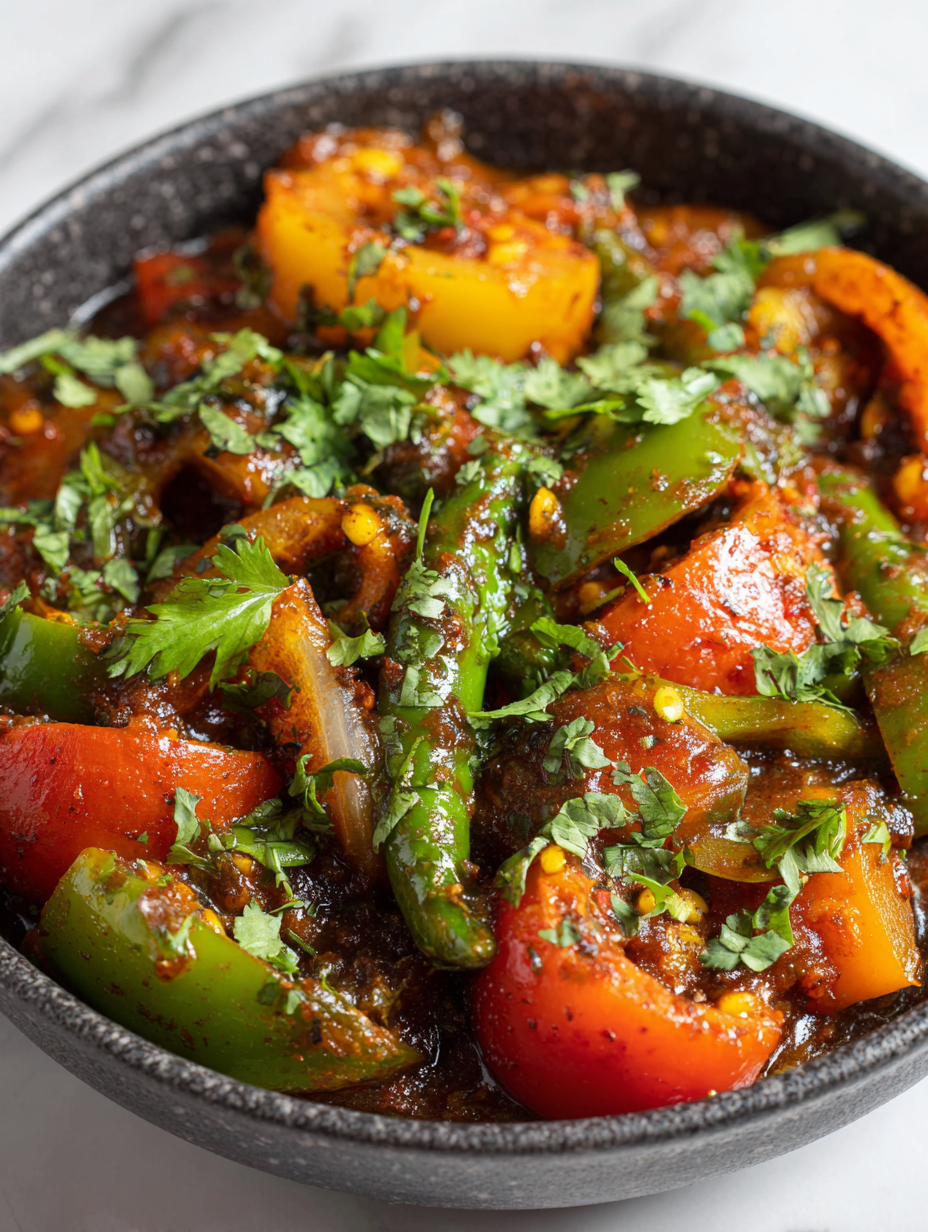
Vegetable Kadai
Ingredients
Equipment
Method
- Gather all your ingredients and prep vegetables by chopping onions, mincing garlic and ginger, and dicing tomatoes and bell peppers.
- Heat the oil in a large wok or deep skillet over medium heat until shimmering and fragrant.
- Add the chopped onions and sauté for about 5–7 minutes until they turn golden and release a sweet aroma, stirring occasionally.
- Stir in the minced garlic and ginger, cooking for another 1–2 minutes until the mixture smells pungent and fragrant, with a slight sizzle.
- Add the chopped bell peppers, diced tomatoes, and mixed vegetables to the pan, stirring well to coat everything in the aromatic base.
- Cook the mixture on medium heat for about 8–10 minutes, stirring occasionally, until the vegetables soften and the tomatoes break down into a fragrant, slightly thick sauce.
- Sprinkle in the turmeric, chili powder, and garam masala, then toast the spices in the hot oil for about 30 seconds while stirring to deepen their aroma.
- Season with salt to taste, then cook for another 2 minutes to allow the flavors to meld and the sauce to slightly thicken.
- Turn off the heat, garnish with chopped cilantro, and let the dish rest for a couple of minutes to enhance the flavors.
- Serve hot with naan or rice, spooning the vibrant, fragrant vegetable mixture onto your plate for a comforting, colorful meal.
Pro tips for Vegetable Kadai
- Toast spices briefly in oil to unlock their full aroma—don’t burn them, or they’ll turn bitter.
- Sauté onions until golden for a sweeter, richer base—lower heat if they start to burn or stick.
- Add chopped vegetables gradually, giving each batch a quick stir to prevent sticking and ensure even cooking.
- Use a deep wok or skillet for high heat and easy tossing—keeps everything from overcrowding or steaming.
- Finish with fresh cilantro right before serving for a vibrant herbal burst—this keeps its bright, fresh aroma intact.
- Adjust spice levels by taste—start mild and build up, especially with chili powders, for controlled heat.
- Let the dish rest for a few minutes after cooking—this helps flavors meld and intensify, making every bite richer.
Common mistakes and how to fix them
- FORGOT to adjust heat after adding spices → do so to prevent burning and bitterness.
- DUMPED too much water early → add gradually to keep sauce thick and flavorful.
- OVER-TORCHED spices → lower heat immediately and add more oil to revive aroma.
- MISSED stirring during sauté → stir often to prevent sticking and ensure even cooking.
Quick fixes and pantry swaps
- When sauce looks too thick, splash in a little water to loosen it.
- Splash a dash of lemon juice if the dish tastes flat or dull.
- Patch over burnt spices by adding fresh ones and stirring vigorously.
- Shield delicate vegetables with a quick stir-fry on high heat to prevent mushiness.
- If you forget to add cilantro, sprinkle fresh herbs just before serving for aroma and color.
Prep, store, and reheat tips
- Chop vegetables and prepare spices a day ahead; store in airtight containers in the fridge for up to 24 hours, preserving freshness and aroma.
- The aroma becomes more pronounced after a day—flavors deepen slightly, making leftovers even more comforting when reheated.
- Reheat gently on the stovetop over low heat, stirring occasionally, until steaming and fragrant again—about 5 minutes.
- If the sauce thickens too much overnight, stir in a splash of water or stock during reheating to restore the desired consistency.
- Best enjoyed within 2 days of preparing; beyond that, vegetables may lose some texture and brightness, but still tasty.
Top questions about Vegetable Kadai
1. How do I get the best flavor from tomatoes?
Use fresh, ripe tomatoes for a juicy, tangy base that brightens the dish with each bite.
2. How do I toast spices without burning them?
Cook the spices in oil until fragrant but not burnt—this deepens their aroma and prevents bitterness.
3. Can I use different vegetables?
Add vegetables in stages if you’re using quick-cooking or denser ones, to ensure even tenderness.
4. When should I add cilantro?
Finish with fresh cilantro right before serving for a herbal burst that lifts all the flavors.
5. My sauce is too thick—what do I do?
If the sauce gets too thick or starts sticking, stir in a splash of water or broth to loosen it up.
6. What’s the best pan for cooking Kadai?
Use a deep wok or skillet to allow easy tossing and prevent overcrowding, which steams vegetables instead of frying.
7. Should I rest the dish before serving?
Let the dish rest for a few minutes off heat to allow flavors to meld, making each bite richer.
8. How do I make it milder or spicier?
Adjust chili powder and fresh green chilies to control heat—start mild and build up gradually.
9. How should I store and reheat leftovers?
Leftovers can be stored in the fridge for up to 2 days; reheat gently on the stovetop for best flavor.
10. My dish is watery—what’s the fix?
If vegetables release too much water, cook on higher heat for longer to evaporate excess moisture.
This vegetable kadai is more than just a quick vegetable fix; it’s a reminder of how simple ingredients can come alive with the right touch of spice and heat. Every time I make it, the kitchen fills with that smoky, fragrant aroma that makes the house feel warm and inviting. It’s a dish that’s rooted in tradition but flexible enough to adapt to whatever you have on hand.
Sharing this recipe feels like passing down a little piece of my kitchen’s heart. It’s honest, unpolished, and full of small, perfect moments—like the crackle of spices or the bright pop of cilantro. And honestly, that’s what makes cooking so satisfying, especially when it’s this straightforward and full of life.

Hi, I’m Anjali Arora — the curious heart behind Feast Chase.
To be honest, I’ve always felt most at ease in my own company. I’m not exactly a people-person (small talk still makes me cringe), but there are two things I’ve always loved deeply: animals and food.