 Anjali Arora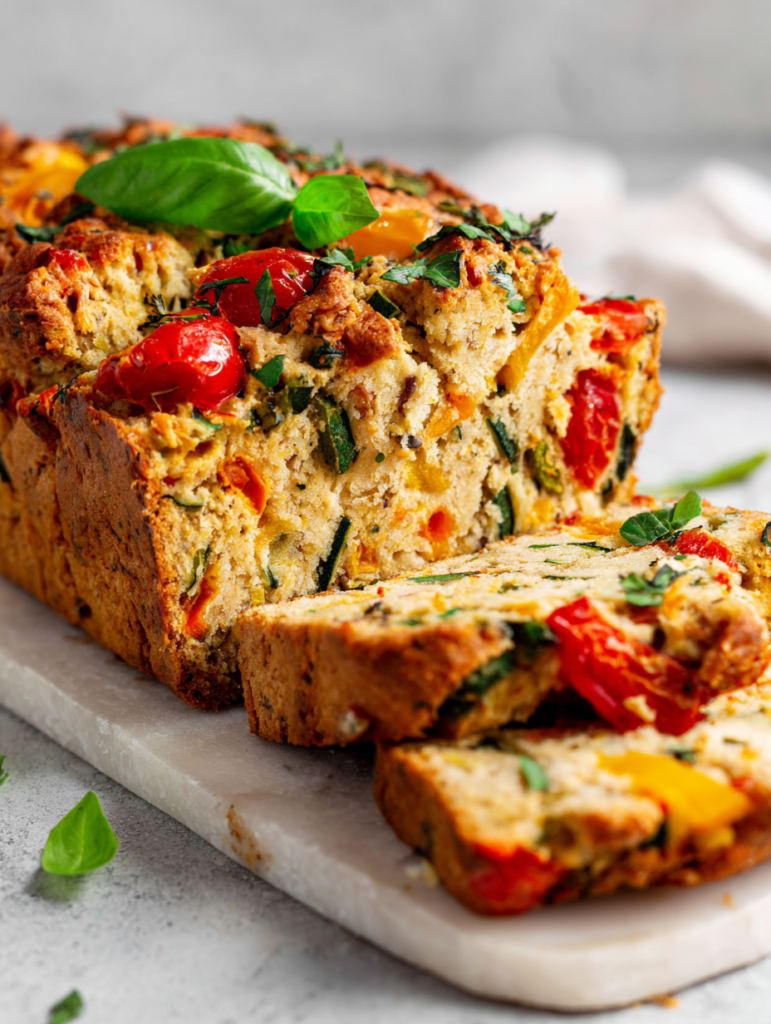
This Vegetable Bread Bake started as a way to clear out the fridge without wasting a single scrap. I love the idea of turning odds and ends into something warm, cheesy, and filling—almost like a savory bread pudding. It’s honest comfort food, made from what I’ve got on hand, no fancy ingredients needed.
There’s something satisfying about chopping up leftover veggies—cabbage, carrots, bits of zucchini—and seeing them come alive in a bubbling, golden crust. It’s a bit chaotic in the best way, testing my ability to improvise and trust that a little cheese and patience will turn leftovers into dinner. Plus, it’s perfect for those nights when you want something hearty but don’t want to fuss over a complicated recipe.
This bake feels like a little secret weapon in my weekly routine. It’s forgiving, adaptable, and always tastes like a warm hug after a long day. No matter what’s in the fridge, I know I can toss those bits in and end up with something satisfying and full of flavor—no waste, just good, honest food.
Focusing on the forgotten art of using leftover vegetables in a hearty, cheesy bread bake that transforms scraps into comfort food.
Reviving Leftovers into Comfort
- I love how this dish makes me feel resourceful, turning what I have into something warm and satisfying.
- There’s a nostalgic charm in the way leftovers transform into a bubbling, cheesy bake that smells like home.
- Sometimes, I feel a tiny thrill when I toss in odds and ends and see it turn into something delicious.
- It’s a relief to know I can take scraps and make a hearty meal without fuss or waste.
- This recipe has a messy, forgiving spirit that always brightens my day, no matter what vegetables I use.
Reviving Leftovers into Comfort
- This Vegetable Bread Bake started as a way to clear out the fridge without wasting a single scrap. I love the idea of turning odds and ends into something warm, cheesy, and filling—almost like a savory bread pudding. It’s honest comfort food, made from what I’ve got on hand, no fancy ingredients needed.
- There’s something satisfying about chopping up leftover veggies—cabbage, carrots, bits of zucchini—and seeing them come alive in a bubbling, golden crust. It’s a bit chaotic in the best way, testing my ability to improvise and trust that a little cheese and patience will turn leftovers into dinner. Plus, it’s perfect for those nights when you want something hearty but don’t want to fuss over a complicated recipe.
- Reviving Leftovers into Comfort
- I love how this dish makes me feel resourceful, turning what I have into something warm and satisfying.
Historical & Cultural Roots
- This recipe grew out of a need to minimize waste, turning fridge odds and ends into something hearty.
- It traces back to rustic European peasant dishes, where leftover bread and vegetables were baked into nourishing pies.
- The idea of combining bread with vegetables in a bake has roots in homey, communal cooking traditions across many cultures.
Key Ingredients and Tips
- Carrots: I use fresh, crunchy carrots for a subtle sweetness and bright color; if you want softer veggies, pre-cook them slightly. Swap with parsnips for a earthier note.
- Zucchini: I love its mild, tender bite that becomes lush and juicy when baked; if you prefer a firmer texture, squeeze out excess moisture before adding. Eggplant works too, if you want a smoky undertone.
- Cheese: I lean toward a sharp cheddar or nutty Gruyère for depth; a milder mozzarella keeps it gooey. For a dairy-free option, try nutritional yeast—less melt but still flavorful.
- Bread: Stale baguette slices soak up all the flavors and crisp up perfectly; day-old bread is ideal. You could substitute with cornbread for a sweeter twist.
- Herbs: Fresh thyme or parsley brighten the dish with a fragrant lift; dried herbs work in a pinch but lose some vibrancy. Basil adds a fresh, peppery aroma.
- Eggs: I beat eggs into the mixture to bind everything together and give it a custardy texture; if avoiding eggs, a flaxseed or chia seed slurry can mimic binding.
- Olive Oil: I drizzle a good splash over the top before baking, adding a rich, fruity aroma and crisp finish; avocado oil works well too for a milder flavor.
Spotlight on key ingredients
Carrots & Zucchini:
- Carrots: I use fresh, crunchy carrots for a subtle sweetness and bright color; if you want softer veggies, pre-cook them slightly. Swap with parsnips for a earthier note.
- Zucchini: I love its mild, tender bite that becomes lush and juicy when baked; if you prefer a firmer texture, squeeze out excess moisture before adding. Eggplant works too, if you want a smoky undertone.
Cheese:
- I lean toward a sharp cheddar or nutty Gruyère for depth; a milder mozzarella keeps it gooey. For a dairy-free option, try nutritional yeast—less melt but still flavorful.
- ingredient
- Cheese
Notes for ingredient swaps
- Dairy-Free: Nutritional yeast can replace cheese for a cheesy flavor without dairy, but it won’t melt. Try coconut milk for creaminess, though it adds a subtle sweetness.
- Gluten-Free: Use gluten-free bread or slices of roasted sweet potato for a softer, nutty twist. Keep in mind the texture might be slightly different.
- Vegan: Swap eggs for a flaxseed or chia seed slurry (1 tbsp seeds + 3 tbsp water, mix and rest 5 min). It binds well but lacks the custardy richness.
- Vegetables: Pre-cooked or roasted vegetables like bell peppers or mushrooms add depth. Raw veggies work too but may release more moisture during baking.
- Herbs: Fresh herbs like basil or dill brighten the flavor, while dried herbs like oregano or thyme are more concentrated—use less if dried.
- Bread: Day-old baguette is perfect, but sourdough or ciabatta can lend different textures—softer crumb or extra chew, respectively.
- Oil: Extra virgin olive oil gives a fruity aroma and crisp top; avocado or walnut oil adds mild flavor and healthy fats.
Equipment & Tools
- Oven: To bake the dish evenly at the right temperature.
- Baking dish: Holds the mixture during baking.
- Sharp knife: Chops vegetables and bread into uniform pieces.
- Mixing bowl: Combines eggs, milk, herbs, and seasonings.
- Whisk: Folds the custard mixture smoothly.
- Measuring cups/spoons: Ensures accurate liquid and seasoning amounts.
Step-by-step Vegetable Bread Bake
- Preheat your oven to 180°C (350°F). Grease a 20cm (8-inch) baking dish with butter or oil. Set aside.
- Gather your equipment: a large mixing bowl, a sharp knife, a wooden spoon, and a baking dish. The bowl is for mixing, the knife for chopping, and the dish for baking.
- Chop your leftover vegetables into small, bite-sized pieces—about 1cm (half-inch). Aim for a mix of textures and colors. If using watery veggies like zucchini, squeeze out excess moisture to prevent sogginess.
- Tear or cube the bread into roughly 2cm (1-inch) pieces. If the bread is fresh, lightly toast it for better absorption and crispness. Mix the bread into the vegetables.
- In a separate bowl, whisk 3-4 eggs with 200ml (¾ cup) of milk or cream, a pinch of salt, pepper, and herbs like thyme or parsley if you like. Pour this custard over the bread and veggies. Toss gently to coat everything evenly.
- Transfer the mixture into your prepared baking dish. Spread it out evenly. Drizzle a tablespoon of olive oil over the top for crispness and golden color.
- Bake uncovered for 35-40 minutes. The top should be golden brown, bubbling, and set around the edges. The smell of baked bread and melting cheese will fill your kitchen.
- Check for doneness: the bake should be firm in the center, with a slightly crispy crust. When you gently shake the dish, it should jiggle slightly but not slosh.
- If the top is browning too quickly before the center sets, loosely cover with foil and continue baking for another 10 minutes. Fix: reduce oven temperature or cover as needed.
- Remove from oven and let rest for 5-10 minutes. This helps the custard set further and makes serving easier. Garnish with fresh herbs if desired. Slice and serve hot or warm.
Let the bake rest for 5-10 minutes out of the oven; this allows the custard to set and makes slicing neater. Serve directly from the dish with a sprinkle of fresh herbs for color.
How to Know It’s Done
- The top should be golden and bubbling, with a firm, set center.
- When gently shaken, the bake jiggles slightly but holds its shape.
- A toothpick inserted in the center comes out clean or with moist crumbs.
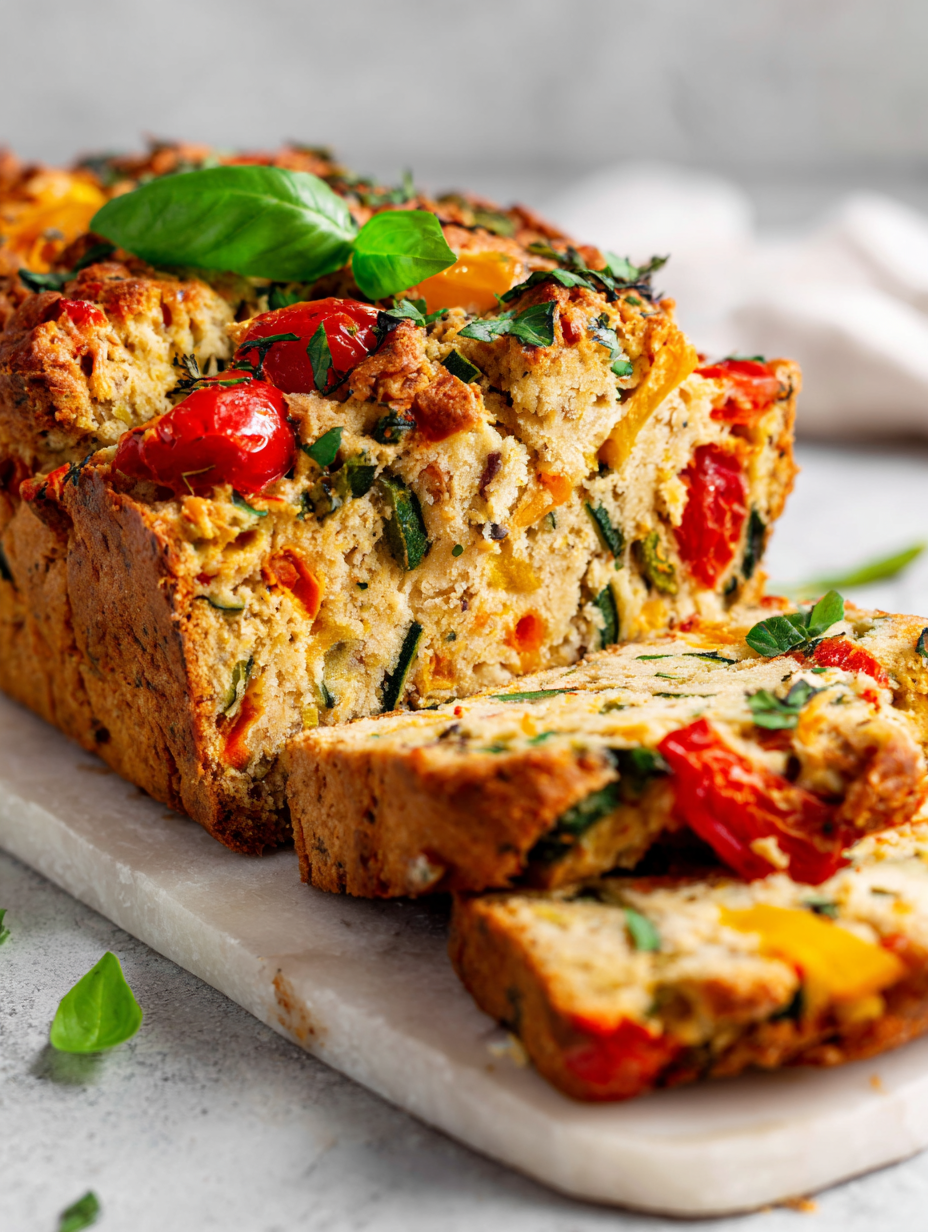
Vegetable Bread Bake
Ingredients
Equipment
Method
- Preheat your oven to 180°C (350°F). Lightly grease a baking dish with a bit of olive oil and set aside.
- Chop your leftover vegetables into small, uniform pieces—about 1cm—so they cook evenly and look colorful in the bake.
- Tear or cube the stale bread into roughly 2cm pieces, then combine them with the chopped vegetables in a large mixing bowl.
- In a separate bowl, whisk together the eggs, milk, salt, pepper, and herbs if using, until the mixture is smooth and slightly frothy.
- Pour the custard mixture over the bread and vegetables, then gently fold everything together so the bread absorbs the liquid and the ingredients are evenly coated.
- Transfer the mixture into your prepared baking dish, spreading it out evenly. Drizzle the olive oil over the top for a crispy crust.
- Bake uncovered for 35-40 minutes, or until the top is golden brown and bubbling around the edges. The house will fill with a warm, cheesy aroma.
- Check for doneness: the center should be set and firm, and the edges crispy. If the top browns too quickly, tent with foil and continue baking.
- Remove from the oven and let rest for 5-10 minutes so the custard can set further. This makes slicing easier and enhances flavor.
- Sprinkle with additional herbs if desired, then slice into squares and serve warm, enjoying the hearty, cheesy goodness with a crisp top.
Pro tips for Vegetable Bread Bake
- Bold the bread: Lightly toast stale bread before mixing to enhance crispness and prevent sogginess.
- Layer veggies evenly: Spread chopped vegetables uniformly to ensure consistent baking and flavor distribution.
- Use room temperature eggs: Whisking eggs at room temp helps create a smoother, more cohesive custard.
- Drizzle olive oil: A light drizzle before baking adds a fragrant aroma and crispy top layer.
- Check for bubbling: The bake should be bubbling around the edges with a golden crust—signs it’s ready.
- Tent if browning too fast: Cover with foil mid-bake if the top darkens before the center sets.
- Rest before slicing: Let the dish sit for at least 5 minutes after baking to help set the custard and make clean cuts.
Common mistakes and how to fix them
- FORGOT to check oven temperature → Always verify oven calibration beforehand.
- DUMPED ingredients too quickly → Mix gently to avoid breaking delicate veggies.
- OVER-TORCHED the top → Cover loosely with foil if browning too fast.
- MISSED resting time → Rest the bake for at least 5 minutes for even slicing.
Fast Fixes for Vegetable Bake
- When sauce shimmers, it’s ready to pour. Splash a little water if it thickens too much.
- If bread absorbs too much moisture, toast it lightly before mixing to keep a crisp crust.
- DUMPED ingredients too quickly? Gently fold to prevent breaking delicate vegetables.
- When cheese isn’t melting evenly, lower oven temp and give it a few extra minutes.
- Splash a little olive oil on top before baking for a shimmery, crispy crust.
Prep, store, and reheat tips
- Prepare the vegetable and bread mixture a day in advance; store in an airtight container in the fridge. The flavors meld overnight, making it even more comforting.
- The baked dish keeps well in the refrigerator for up to 3 days. Reheat in the oven at 180°C (350°F) until heated through, about 15-20 minutes. The top will crisp up again, releasing a toasty aroma.
- For longer storage, freeze individual portions wrapped tightly; they can last up to a month. Thaw in the fridge overnight and reheat as above.
- Reheating may soften the crust; for a crisp finish, broil for 2-3 minutes, watching closely so it doesn’t burn. The smell of toasted bread and melted cheese will welcome you back.
Top questions about Vegetable Bread Bake
1. Can I use any vegetables I have on hand?
Use leftover vegetables like carrots, zucchini, and bell peppers for best flavor. They add color and texture, making every bite lively and fresh.
2. Is it okay to use fresh bread?
Stale bread works best as it absorbs more custard and crisps up nicely. Fresh bread can be toasted first for better texture.
3. How do I know when it’s done?
Bake until the top is golden and bubbly, about 35-40 minutes at 180°C (350°F). It should be firm in the center with a slight jiggle.
4. What if the top burns before it’s cooked inside?
If the top browns too quickly, tent it with foil and continue baking. This prevents burning while the inside finishes cooking.
5. Can I make this vegan?
You can substitute dairy-free cheese and plant-based milk for a vegan version. The texture may be slightly less rich but still tasty.
6. How should I reheat leftovers?
Reheat in the oven at 180°C (350°F) for 15-20 minutes until warmed through and the top crispens again.
7. What herbs or toppings work well?
Add herbs like parsley or thyme for fresh aroma. You can also sprinkle grated cheese on top before baking for extra flavor.
8. Can I prepare this in advance?
Prepping the vegetable mixture a day ahead saves time. Store covered in the fridge and bake fresh when ready.
9. How long does it keep in the freezer?
The dish can be frozen in portions for up to a month. Thaw overnight in the fridge and reheat as usual.
10. What if my mixture is too watery?
If the custard seems too runny, add a bit more bread or an extra egg to thicken before baking.
This Vegetable Bread Bake is my go-to for turning leftovers into something nourishing and warm. It’s simple, honest, and feels like a small victory each time I make it. Sometimes, the best comfort comes from the flavor of well-loved ingredients, baked into a crispy top and a tender center.
In times when I want to avoid waste but still crave something hearty, this dish saves the day. It’s imperfect, forgiving, and always satisfying—proof that a little improvisation in the kitchen can turn scraps into a real meal. Honestly, it’s the kind of dish I keep coming back to, season after season.

Hi, I’m Anjali Arora — the curious heart behind Feast Chase.
To be honest, I’ve always felt most at ease in my own company. I’m not exactly a people-person (small talk still makes me cringe), but there are two things I’ve always loved deeply: animals and food.