 Anjali Arora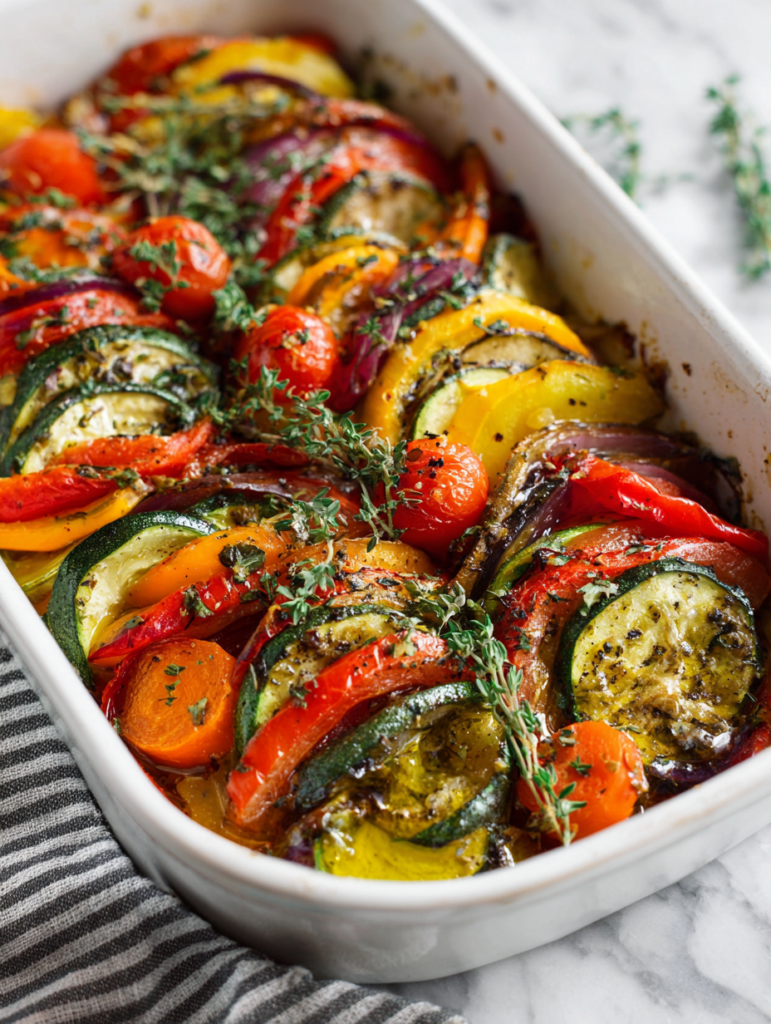
This vegetable bake is my go-to for those nights when I open the fridge and find a jumble of vegetables that need using up. It’s forgiving, almost like a kitchen hug, turning whatever you’ve got into something warm and satisfying. No need for exact measurements—just a handful of this, a splash of that, and you’re good to go.
What I love about this dish is how adaptable it is. Leftover roast potatoes, bits of wilted greens, or even that lonely zucchini from last week all find a place here. It’s the kind of dish that welcomes improvisation, making it perfect for busy weeknights or lazy Sundays. Plus, it smells like home—baked, cheesy, with a hint of herbs that makes everything feel cozy.
Focusing on how vegetable bake can be a forgiving, improvisational dish that adapts to whatever vegetables are in your fridge, turning leftovers into something cozy and satisfying.
Embracing Kitchen Improvisation
- This dish reminds me of lazy Sunday afternoons, when I’d raid the fridge and turn whatever I found into something warm and filling.
- There’s a quiet pride in making something delicious out of leftovers—no waste, just comfort on a plate.
- Cooking this always brings a sense of nostalgia, like a hug from my past self, cozy and unpretentious.
- I love how flexible this bake is—sometimes I toss in a handful of cheese, other times just herbs and a splash of olive oil.
- It’s imperfect, but that’s what makes it special—kind of like a little kitchen rebellion with every batch.
The story behind this recipe
- This vegetable bake was born out of a need to rescue neglected veggies in my fridge. One rainy afternoon, I threw together what I had—some wilted greens, a lonely carrot, and a handful of cheese—and it turned into something unexpectedly comforting. That improvisation stuck with me, turning into a dish I return to whenever I want simple, honest food.
- I love how this bake encourages you to be playful, to use what’s on hand without fussing over perfection. It’s become my way to clear out the fridge and make a meal that feels like a small victory. Plus, the smell of it baking—cheesy, herbal, with a hint of caramelized veg—is pure home in the making.
- heading
- The story behind this recipe
Contextual origin, trivia, or history
- This vegetable bake has roots in rustic European peasant dishes, where leftovers were transformed into hearty meals.
- Historically, similar casseroles appeared in early 20th-century cookbooks as a way to stretch limited ingredients.
- The versatility of baked vegetables likely evolved from home cooks improvising with seasonal produce, making it a timeless comfort food.
Ingredient breakdown: key components
- Carrots: I like to slice mine thin for even cooking and a slight crunch, but you can cube them if you prefer a softer bite.
- Zucchini: Sautéed briefly beforehand to avoid excess moisture in the bake; its mild flavor is a blank canvas, so don’t skip herbs.
- Cheese: I use a generous layer of grated sharp cheddar for that gooey, smoky finish—feel free to swap for mozzarella for stretchiness.
- Herbs: Fresh thyme or rosemary add a fragrant punch; dried work in a pinch, but fresh makes it lively and bright.
- Olive Oil: A good drizzle before baking helps everything crisp up nicely and adds a savory aroma—don’t skimp, it makes a difference.
- Breadcrumbs: Toasted lightly on the stovetop until golden—adds crunch and a nutty aroma, but panko works just as well if you like it lighter.
- Onions: Caramelize them first until sweet and golden; their deep, rich aroma really elevates the whole dish, but skipping this step softens the flavor.
Spotlight on key ingredients
Carrots and Zucchini:
- Carrots: I like to slice mine thin for even cooking and a slight crunch, but you can cube them if you prefer a softer bite.
- Zucchini: Sautéed briefly beforehand to avoid excess moisture in the bake; its mild flavor is a blank canvas, so don’t skip herbs.
Notes for ingredient swaps
- Dairy-Free: Swap cheese for a béchamel made with plant-based milk and a touch of nutritional yeast. It won’t melt the same, but it’ll still add creaminess.
- Low-Sodium: Use reduced-salt or homemade vegetable broth instead of salted stock to keep the dish gentle on salt intake.
- Gluten-Free: Replace breadcrumbs with crushed, toasted gluten-free crackers or almond meal for crunch and texture.
- Vegan: Skip cheese altogether or use a plant-based cheese alternative. Add a splash of nutritional yeast for cheesy flavor.
- Herb Variations: Fresh basil or parsley can replace thyme or rosemary for a different aromatic punch. Use what’s fresh on hand.
- Vegetable Choices: Roasted sweet potatoes or parsnips can stand in for root vegetables. They add sweetness and a softer bite.
- Oil Options: Use avocado oil or toasted sesame oil for a different aroma and richer flavor, especially if you want a nuttier note.
Equipment & Tools
- Baking dish: Holds the vegetables for even baking.
- Mixing bowl: Combines vegetables, herbs, and seasonings.
- Sharp knife: Chops vegetables into uniform pieces.
- Sauté pan: Pre-cooks hardy vegetables for better texture.
- Spoon: Mixes ingredients and layers the bake.
Step-by-step guide to vegetable bake
- Gather your equipment: a medium baking dish, a large mixing bowl, a sharp knife, a sauté pan, and a spoon. Preheat your oven to 180°C (350°F).
- Prepare the vegetables: chop root veggies into bite-sized pieces, thinly slice softer greens or zucchini, and grate cheese. Set aside.
- Sauté harder vegetables like carrots or sweet potatoes in a splash of olive oil over medium heat for about 5 minutes, until slightly softened and fragrant.
- In the mixing bowl, combine all vegetables—raw or pre-cooked—add herbs, salt, pepper, and a drizzle of olive oil. Toss until evenly coated.
- Transfer the mixture into your baking dish, spreading it out evenly. Sprinkle a generous layer of grated cheese over the top.
- Sprinkle breadcrumbs evenly across the surface for crunch. Optional: drizzle a little olive oil over breadcrumbs for extra crispiness.
- Bake uncovered for 30-40 minutes. Check for golden edges and bubbling cheese; the top should be crispy and fragrant.
- Let the bake rest for about 5 minutes. This helps everything set up, making it easier to serve without spilling.
- Serve hot, ideally with a fresh squeeze of lemon or a drizzle of olive oil for brightness. Enjoy the cozy, cheesy aroma.
Allow the bake to rest for 5 minutes on a cooling rack. Slice into squares or scoop out with a spoon. Finish with a drizzle of olive oil or lemon if desired.
How to Know It’s Done
- Vegetables are tender and lightly caramelized around the edges.
- Cheese is melted and bubbly with a golden top.
- Breadcrumbs are crisp and golden, not burnt or soggy.
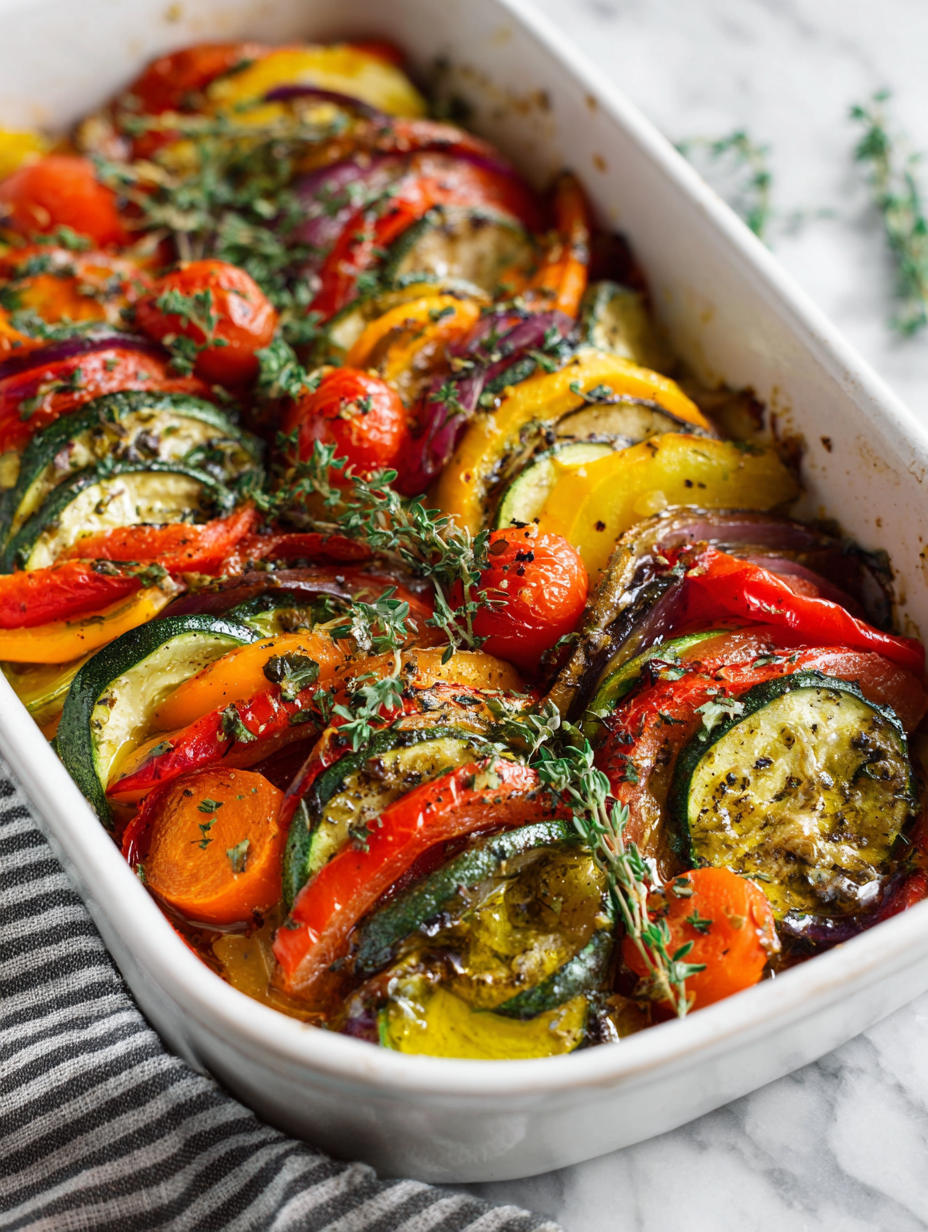
Vegetable Bake
Ingredients
Equipment
Method
- Preheat your oven to 180°C (350°F). Gather all your ingredients and prepare a baking dish.
- Chop or slice your vegetables into bite-sized pieces. If using root vegetables like carrots, sauté them briefly in a pan with a splash of olive oil until they start to soften and smell sweet.
- In a large mixing bowl, combine the raw and pre-cooked vegetables. Add finely chopped onion, minced garlic, dried herbs, salt, and pepper. Drizzle with olive oil and toss everything together until evenly coated.
- Transfer the vegetable mixture into your baking dish, spreading it out evenly to create a nice layer.
- Sprinkle a generous layer of grated cheese over the top of the vegetables for that cheesy, gooey finish.
- Evenly distribute breadcrumbs over the cheese layer, then drizzle a little olive oil over the breadcrumbs to help them crisp up during baking.
- Bake uncovered in the preheated oven for 30-40 minutes, until the top is golden brown and bubbling, and the vegetables are tender.
- Remove the bake from the oven and let it rest for about 5 minutes. This helps it set and makes slicing easier.
- Serve hot, perhaps with a squeeze of lemon or a drizzle of olive oil for extra brightness. Enjoy the cozy, cheesy aroma and tender vegetables.
Pro tips for vegetable bake
- Bold flavor layering: Sauté harder vegetables first to develop sweetness and deepen their aroma.
- Texture contrast: Toast breadcrumbs separately until golden for a crispy topping that won’t soggify quickly.
- Cheese timing: Add cheese in the last 10 minutes to keep it melty and prevent burning.
- Vegetable prep: Slice or cube vegetables uniformly for even cooking and a consistent bite.
- Oven heat: Use a middle rack and preheat thoroughly—this ensures an even, golden crust without overbaking the veggies.
- Rest before serving: Let the bake sit for 5 minutes; this helps it set and makes slicing cleaner.
- Season gradually: Taste and adjust salt and herbs in stages—vegetables can mellow or intensify during baking.
Common mistakes and how to fix them
- FORGOT to check oven temperature → Use an oven thermometer for accuracy.
- DUMPED all ingredients at once → Layer ingredients for even cooking and flavor distribution.
- OVER-TORCHED breadcrumbs → Keep an eye during the last 5 minutes; cover if browning too fast.
- MISSED resting time → Let the bake sit for at least 5 minutes to set before slicing.
Quick fixes and pantry swaps
- When burnt breadcrumbs → Splash with a little water to loosen and scrape away burned bits.
- If veggies are soggy → Patch with extra breadcrumbs and a quick blast under the broiler.
- When cheese isn’t melting → Open oven wider or turn up heat slightly for a minute.
- Splash cold water on a hot dish if it’s overcooked or dried out to stop cooking instantly.
- When in doubt, swap canned tomatoes for a splash of lemon juice for brightness and acidity.
Prep, store, and reheat tips
- Prep the vegetables: chop, slice, or grate the ingredients a day in advance for quick assembly later. Keep in airtight containers in the fridge; they stay fresh for up to 24 hours and retain their raw texture and vibrant color.
- Assemble the bake ahead: layer the prepared ingredients and sprinkle cheese and breadcrumbs. Cover tightly with plastic wrap or foil. This can be stored in the fridge for up to 24 hours, but the texture may soften slightly—best to bake within this window for optimal crunch.
- Reheat leftovers: warm slices or portions in a 180°C (350°F) oven for 15–20 minutes until bubbling and hot. For a crisp top, broil for the last 2–3 minutes — watch carefully to avoid burning. The aroma of melted cheese and baked vegetables will tell you it’s ready.
- Shelf life: stored properly, the baked vegetable dish is best enjoyed within 2 days. The flavors deepen overnight, but the top may lose some crispness after refrigeration, so reheating is key to restoring texture.
- Sensory note: reheated bake will smell rich and cheesy, with a hint of roasted herbs. The vegetables should be tender but not mushy, and the topping crispy again after reheating.
Top questions about vegetable bake
1. Can I use any vegetables for this bake?
Use whatever vegetables you have—carrots, zucchini, broccoli—they bake up nicely and absorb flavors well.
2. Is this dish vegan or dairy-free?
Yes, you can skip the cheese or replace it with nutritional yeast for a vegan version that’s still cheesy in flavor.
3. Do I need to pre-cook the vegetables?
Pre-cook harder vegetables like carrots or potatoes briefly before baking to ensure they’re tender and cooked through.
4. How do I know when the bake is done?
Bake until the top is golden and crispy, about 30-40 minutes at 180°C (350°F). The cheese should be bubbling and browned.
5. How do I check if the vegetables are cooked?
Use a sharp knife or skewer to test for tenderness; it should slide in easily without resistance.
6. How should I store and reheat leftovers?
Leftovers can be stored in an airtight container in the fridge for up to 2 days. Reheat in the oven for best texture.
7. How can I make the topping more crunchy?
For a crunchier topping, toast breadcrumbs separately and sprinkle on top before baking. Broil for extra crispness at the end.
8. Can I change the herbs in this recipe?
Feel free to swap herbs—thyme, rosemary, or basil all add different fragrant notes, depending on what you love.
9. What if the dish seems dry after baking?
If the bake looks dry, drizzle a little olive oil or lemon juice after baking for fresh brightness.
10. Can I prepare this dish in advance?
Yes, you can assemble it ahead of time, cover tightly, and bake within 24 hours for maximum freshness and flavor.
This vegetable bake is a testament to how forgiving and adaptable home cooking can be. It’s perfect for those nights when you want something warm, hearty, and made from leftovers that might otherwise go to waste.
In the end, it’s about embracing what’s in your fridge, trusting your instincts, and enjoying the simple pleasure of a baked dish that smells like home. Sometimes, the imperfect is exactly what makes it feel special.

Hi, I’m Anjali Arora — the curious heart behind Feast Chase.
To be honest, I’ve always felt most at ease in my own company. I’m not exactly a people-person (small talk still makes me cringe), but there are two things I’ve always loved deeply: animals and food.