 Anjali Arora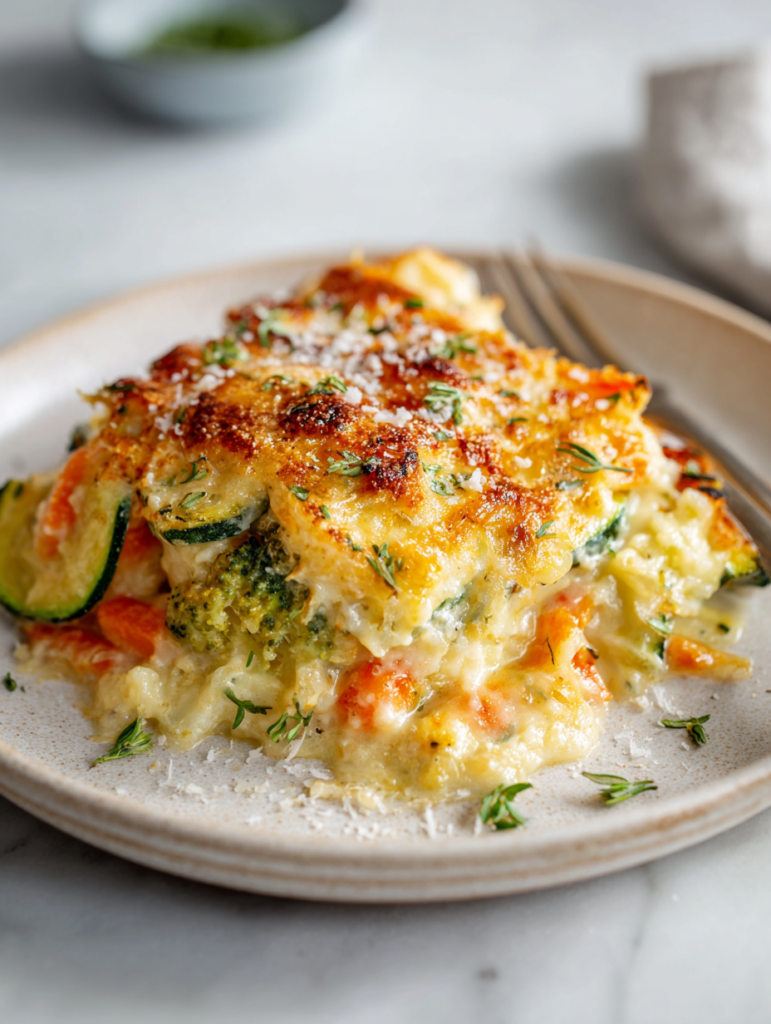
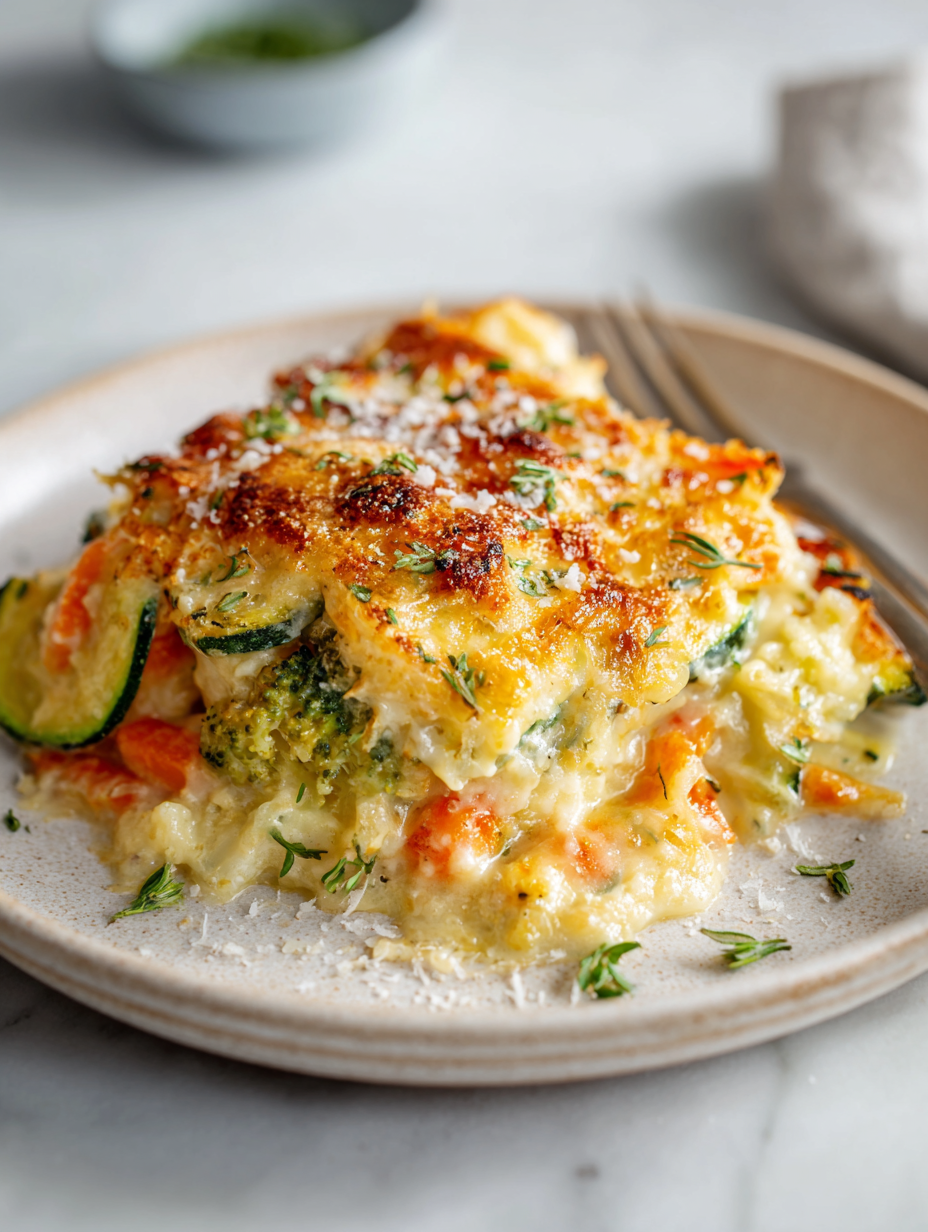
There’s something almost hypnotic about watching a vegetable au gratin come together. The way the cheese melts and bubbles, turning golden and crispy on top, while the veggies underneath stay tender and flavorful. It’s a dish I turn to when I need comfort that’s still a bit special, perfect for cozy family dinners or a small celebration.
What really hooks me is how the topping transforms during baking. That caramelized cheese forms a crust that crackles when you cut into it, offering a salty, smoky contrast to the sweet, earthy vegetables below. It’s a dish that feels indulgent without needing much fuss—just good ingredients and a hot oven, and you’re set.
This recipe is my go-to for making vegetables feel like a treat. It’s simple, honest, and a little bit messy in the best way—because who doesn’t love a bit of cheese pull and crispy edges? Plus, it’s flexible enough to use whatever seasonal vegetables I have lying around, making it a dish I can rely on no matter the week.
Focusing on how the caramelized cheese topping transforms in texture and flavor, this recipe explores the magic of achieving the perfect crispy crust that balances gooey vegetables underneath.
Cheesy crust magic
- Nothing beats the smell of melting cheese that fills the kitchen, pulling me into memories of family dinners.
- I find a strange joy in layering colorful vegetables, knowing they’ll turn tender and flavorful under that golden crust.
- There’s a little chaos in making this—cheese bubbled over, veggies spilling out—but that’s part of the charm.
- Watching the cheese caramelize to a perfect crispy top always makes me proud, like I’ve pulled off something special.
- This dish reminds me to keep it simple—good ingredients, honest techniques—and let the oven do its magic.
The story behind this recipe
- This dish came from a kitchen experiment late one rainy Saturday. I was craving something warm, cheesy, and vegetable-forward but wanted to elevate the usual roasted sides. The idea of a crispy cheese topping that crackles when you serve it felt just right, adding a bit of indulgence to simple veggies.
- I remember the first time I got that topping perfectly caramelized—smoky, gooey, with a golden crust. It turned a humble mix of zucchini, carrots, and potatoes into something I couldn’t stop eating. Now, it’s become a little tradition to tweak the cheese blend and sometimes sneak in a bit of smoked paprika for depth.
- heading: ‘Cheesy crust magic’
History and trivia of Vegetable Au Gratin
- Vegetable au gratin has roots in French cuisine, where gratin refers to dishes topped with a browned crust of breadcrumbs or cheese.
- The technique likely evolved from rustic peasant dishes that used simple ingredients baked under a broiler or in a hot oven to preserve and enrich vegetables.
- This dish became popular in American homes during the early 20th century, especially as a way to make inexpensive vegetables feel indulgent.
- The cheese topping, often a combination of Gruyère or Parmesan, added a savory umami depth that transformed humble vegetables into a festive side.
- Today, it’s a canvas for seasonal vegetables, but the classic versions still echo those old French ovens where cheese and butter reigned supreme.
Ingredient breakdown: key components
- Cheddar cheese: I love the sharpness of aged cheddar that melts into a gooey, flavorful top. If you prefer milder, swap in mozzarella for that stretch and mildness.
- Vegetables: I use a mix of zucchini, carrots, and potatoes—each adds texture and color. Feel free to mix in broccoli or cauliflower, just adjust cooking time slightly.
- Cream: A splash of heavy cream makes the sauce silky and rich. For a lighter version, substitute with evaporated milk or a dollop of Greek yogurt after baking.
- Garlic: I mash fresh garlic into the sauce for aromatic punch. If you’re sensitive, reduce the amount or skip it altogether, but don’t skip that fragrant note.
- Breadcrumbs: I sprinkle coarse fresh breadcrumbs on top for crunch. For gluten-free, try crushed almonds or panko made from gluten-free bread—that crispy texture is key.
- Butter: I melt a little butter into the cheese sauce for richness and help the cheese brown. Olive oil can work in a pinch, but it won’t brown as deeply.
- Herbs: Fresh thyme or parsley brighten the dish with herbal freshness. Dried herbs work too, but add them early to release more flavor during baking.
Spotlight on key ingredients
Cheddar cheese:
- I love the sharpness of aged cheddar that melts into a gooey, flavorful top. If you prefer milder, swap in mozzarella for that stretch and mildness.
- Vegetables: I use a mix of zucchini, carrots, and potatoes—each adds texture and color. Feel free to mix in broccoli or cauliflower, just adjust cooking time slightly.
Vegetables:
- I use a mix of zucchini, carrots, and potatoes—each adds texture and color. Feel free to mix in broccoli or cauliflower, just adjust cooking time slightly.
- Cream: A splash of heavy cream makes the sauce silky and rich. For a lighter version, substitute with evaporated milk or a dollop of Greek yogurt after baking.
Notes for ingredient swaps
- Dairy-Free: Swap heavy cream for coconut cream or cashew cream—rich but with a slightly different flavor profile.
- Cheese: Use nutritional yeast or a dairy-free cheese for a cheesy flavor without dairy—less gooey, still savory.
- Vegetables: Mix in leafy greens like spinach or kale—add at the end for a fresh, tender bite.
- Breadcrumbs: Crushed gluten-free crackers or toasted chopped nuts—crunchy, with a different nutty note.
- Butter: Olive oil or vegan margarine—helps with browning and tenderness, but may alter flavor.
- Herbs: Dried thyme, rosemary, or basil—boost flavor, especially when fresh isn’t available.
- Garlic: Garlic powder or roasted garlic—simpler prep, milder aroma, less pungent punch.
Equipment & Tools
- Baking dish: Holds the layered vegetables and sauce, and goes into the oven.
- Saucepan: Prepares the cheese sauce with control over heat.
- Knife and cutting board: Slices vegetables evenly for uniform cooking.
- Spatula or spoon: Spreads sauce and layers vegetables smoothly.
- Measuring cups and spoons: Ensures accurate ingredient quantities.
- Grater: Grates cheese and optional toppings.
Step-by-step guide to Vegetable Au Gratin
- Preheat your oven to 200°C (390°F). Find a baking dish about 20x20cm (8×8 inches). Grease lightly with butter or oil.
- Prepare the vegetables: Slice zucchini, carrots, and potatoes into thin, even rounds—about 3mm thick. Uniform slices cook evenly.
- Make the cheese sauce: In a small saucepan, melt 2 tbsp butter over medium heat. Add 2 minced garlic cloves, cook until fragrant, about 30 seconds. Stir in 2 tbsp flour, cook for 1 minute. Gradually whisk in 1 cup heavy cream and 1/2 cup grated cheese (cheddar or your choice). Season with salt, pepper, and a pinch of nutmeg. Stir until smooth and creamy. Remove from heat.
- Layer the vegetables: Spread a thin layer of cheese sauce at the bottom of the dish. Arrange a layer of vegetables over it, slightly overlapping. Repeat with sauce and vegetables until all are used, finishing with a layer of sauce on top.
- Add the crispy topping: Mix 1/2 cup coarse breadcrumbs with 1 tbsp melted butter and a sprinkle of herbs if desired. Sprinkle evenly over the top layer of sauce. For extra flavor, add a little grated Parmesan or smoked paprika.
- Bake: Place the dish in the oven. Bake for 25–30 minutes, until the top is golden brown and bubbly. The cheese should crackle slightly when you tap it.
- Check doneness: The vegetables should be tender when pierced with a knife. The top should be crispy, golden, and aromatic.
- Cool slightly: Let it rest for about 5 minutes before serving. This allows the sauce to set a little and makes plating easier.
- Serve hot: Use a spatula to scoop out portions, ensuring the crispy top stays intact. Enjoy the contrast of creamy, tender vegetables and crunchy cheese crust.
Let the dish rest for 5 minutes to set. Serve in slices, ensuring the crispy top stays intact. Garnish with fresh herbs if desired for a fresh burst of aroma.
How to Know It’s Done
- Top is golden and crispy, crackling when pressed with a fork.
- Vegetables are tender when pierced with a skewer or knife.
- Cheese sauce is bubbling and slightly thickened around the edges.
Vegetable Au Gratin
Ingredients
Equipment
Method
- Preheat your oven to 200°C (390°F) and lightly grease a baking dish.
- Slice the vegetables into thin, even rounds about 3mm thick — this ensures they cook evenly and look beautiful in layers.
- In a saucepan, melt the butter over medium heat. Add the minced garlic and cook until fragrant, about 30 seconds—your kitchen will fill with that warm, savory aroma.
- Stir in the flour to create a smooth roux, cooking it for about 1 minute to eliminate the raw flour taste.
- Gradually pour in the heavy cream while whisking constantly, until the sauce thickens slightly and becomes silky. Stir in the grated cheddar cheese until melted and smooth, seasoning with salt, pepper, and a pinch of nutmeg.
- Spread a thin layer of the cheese sauce at the bottom of the baking dish. Place a layer of vegetable slices over the sauce, slightly overlapping, then repeat with more sauce and vegetables until all are layered, finishing with a generous layer of sauce on top.
- Mix the coarse breadcrumbs with melted butter and dried herbs. Sprinkle this mixture evenly over the top layer of sauce, creating a crunchy, golden crust.
- Bake in the preheated oven for 25–30 minutes, until the top is bubbling, golden brown, and crispy. The aroma of melted cheese and baked vegetables will fill your kitchen.
- Once baked, remove the dish from the oven and allow it to rest for 5 minutes. The sauce will thicken slightly, making it easier to serve clean slices.
- Serve hot, with a crunchy crust on top and tender, flavorful vegetables inside. Garnish with extra herbs if desired and enjoy the irresistible contrast of crispy cheese and soft veggies.
Tips for Perfect Vegetable Au Gratin
- Bolded mini-head: Use medium heat for melting cheese—avoid high heat that can burn the edges.
- Bolded mini-head: Pre-toast breadcrumbs lightly—adds an extra layer of crunch and nutty flavor.
- Bolded mini-head: Cover the dish with foil if cheese browns too quickly—prevent burning while veggies cook.
- Bolded mini-head: Let the au gratin rest for 5 minutes after baking—sets the sauce and makes slicing neater.
- Bolded mini-head: Use grated cheese instead of sliced—melts more evenly and creates a consistent topping.
- Bolded mini-head: Incorporate a pinch of smoked paprika into the cheese sauce—adds smoky depth and warmth.
- Bolded mini-head: Broil for 1-2 minutes at the end—creates an irresistibly crispy, caramelized crust.
Common mistakes and how to fix them
- FORGOT to adjust oven temperature → Keep an eye on topping browning, reduce heat if necessary.
- DUMPED cheese directly into sauce → Mix cheese gradually to prevent clumping and ensure smooth melting.
- OVER-TORCHED the cheese topping → Cover loosely with foil if cheese browns too quickly, then uncover to finish.
- USED the wrong vegetable slices → Slice vegetables uniformly for even cooking and avoid soggy edges.
Quick fixes and pantry swaps
- When cheese isn’t melting evenly, splash a little hot milk into the sauce and stir.
- If the top isn’t crispy enough, patch with extra breadcrumbs and broil briefly.
- Splash some lemon juice if the dish tastes too rich or dull, brightens flavors instantly.
- DUMPED cheese over the dish before baking? Rescue by spreading it out evenly for better coverage.
- When ingredients stick or burn, shield with foil and reduce oven temperature for a gentle finish.
Prep, store, and reheat tips
- You can prep the vegetable slices and cheese sauce a day in advance—store covered in the fridge for up to 24 hours. The veggies might release a little moisture, so pat them dry before assembling.
- Assembled but unbaked gratin can sit in the fridge for 12–24 hours. Keep it covered tightly to prevent it from drying out or absorbing fridge odors.
- Bake directly from chilled—add an extra 5–10 minutes to the baking time if it’s coming straight from the fridge, until bubbling and golden on top.
- Reheat leftovers in the oven at 180°C (350°F) for about 15–20 minutes. The top should crisp up again, and the edges will shimmer with melted cheese.
- Leftovers keep well in the fridge for 3–4 days. The flavors intensify slightly, and the cheese topping becomes more crackly and savory with time.
Top questions about Vegetable Au Gratin
1. Can I use frozen vegetables?
Use firm, fresh vegetables sliced thinly for even cooking and a tender bite. Thicker slices might stay crunchy or take longer to cook.
2. Can I make this vegan?
Yes, but thaw and drain excess moisture first. Frozen veggies can release water, making the dish watery and preventing a crispy crust.
3. What cheese works best for melting?
Absolutely. Swap cheese for vegan varieties, and use plant-based cream or coconut milk. The flavor will be different but still delicious.
4. How do I get a crispy topping?
Cheddar, Gruyère, or Parmesan are classic. Cheddar gives sharpness, Gruyère adds nuttiness, and Parmesan offers a salty crunch.
5. Can I prepare this ahead of time?
Pre-toast breadcrumbs in butter or oil until golden, then sprinkle on top before baking. Broil briefly at the end for extra crunch.
6. How long does it keep?
Yes, assemble the dish a day in advance. Keep covered in the fridge, then bake straight from chilled, adding a few minutes to cooking time.
7. Can I freeze this dish?
Leftovers can be stored in an airtight container in the fridge for up to 3 days. Reheat in oven until bubbling and crispy.
8. What’s a good vegetable substitution?
Freezing is possible but may affect texture—vegetables can become softer. Reheat thoroughly, and expect a slightly less crisp top.
9. How do I prevent burning on top?
Broccoli, cauliflower, or sweet potatoes work well. Adjust cooking time slightly for thicker or denser vegetables to ensure tenderness.
10. What’s the best way to serve?
Cover with foil if the top browns too quickly. Broil briefly at the end to caramelize without burning the cheese.
This vegetable au gratin isn’t just about cheesy indulgence; it’s about capturing that perfect crispy crust that adds texture and depth to tender, flavorful vegetables. It’s a dish that feels familiar but also special enough to serve for a quiet dinner or a small gathering. The warmth of baked cheese and caramelized edges makes it a comfort that’s worth the effort.
Whenever I make this, I think about how simple ingredients can come together into something memorable. It’s honest, a little messy, and deeply satisfying—especially when you get that first crackle on top and the aroma of toasted cheese fills the kitchen. That moment of pulling it out of the oven, golden and bubbling, never gets old.

Hi, I’m Anjali Arora — the curious heart behind Feast Chase.
To be honest, I’ve always felt most at ease in my own company. I’m not exactly a people-person (small talk still makes me cringe), but there are two things I’ve always loved deeply: animals and food.