 Anjali Arora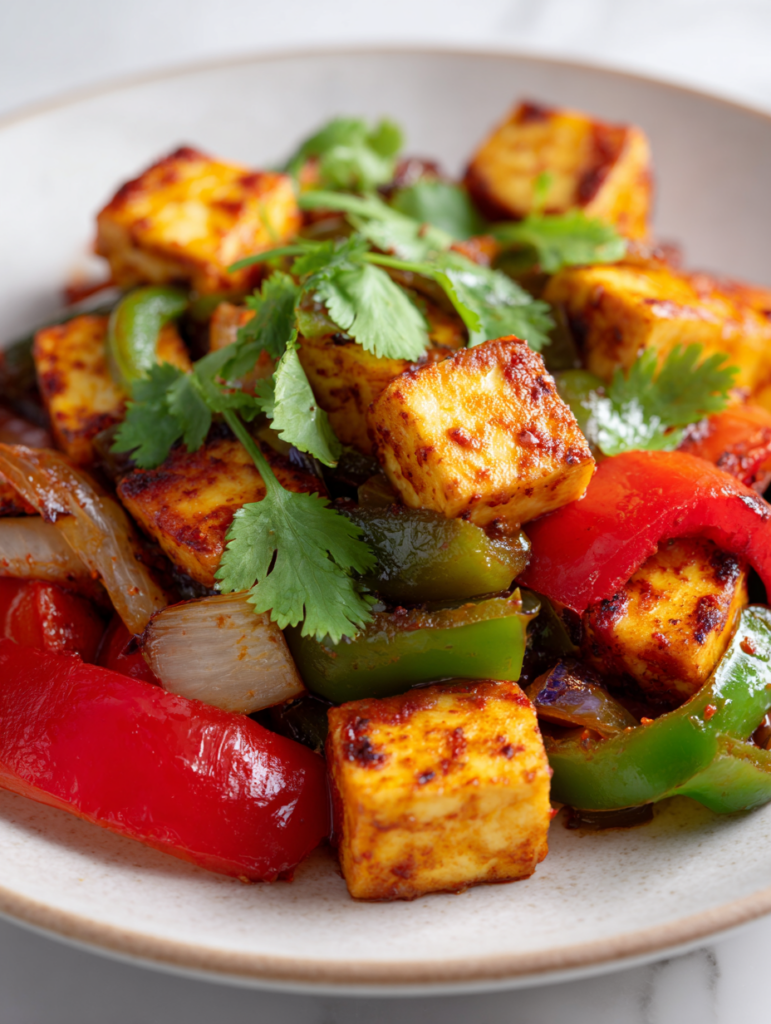
This paneer stir fry is all about those smoky, charred edges that bring a whole new level of flavor. I love how the paneer gets that almost grilled look and taste, without firing up the grill. It’s a quick, honest dish that turns simple ingredients into something unexpectedly complex.
I stumbled on this technique by accident, trying to mimic that smoky char in my tiny apartment kitchen. Turns out, a hot pan and a little patience can give you those deep, caramelized notes that make every bite addictive. It’s the kind of dish that feels like a little celebration of the humble paneer.
Focusing on how the smoky, charred edges of the paneer add depth and complexity, transforming a simple stir fry into a flavor-rich, almost grilled experience without using a grill.
The smoky edge trick
- Cooking this reminds me of my grandmother’s kitchen, where the aroma of spices and toasted paneer filled the air with warmth.
- I always feel a rush of pride when I get that perfect smoky char on the paneer, it’s a small victory each time.
- There’s a peaceful chaos in stir-frying—flicking ingredients into a hot pan, hearing the sizzle, and smelling everything come alive.
The story behind this recipe
- This paneer stir fry was born out of late-night fridge raids and a craving for something smoky and satisfying without the fuss. I was experimenting with different ways to get that charred, grilled flavor on paneer—without a grill, just my trusty cast iron pan. The magic happens when you crank the heat and let the paneer develop those rich, caramelized edges that scream flavor.
- Every time I cook this, I remember how simple ingredients can surprise you with the right heat and patience. It’s a dish that’s become my go-to when I want quick comfort, but still crave that depth of flavor you’d get from more elaborate cooking.
- heading
- The story behind this recipe
Trivia and origins of paneer stir fry
- Paneer, a fresh cheese from India, has been a staple for centuries, originally made from leftover milk curds.
- Stir-frying as a technique likely originated in Chinese cuisine but has been embraced worldwide for quick, high-heat cooking.
- The smoky flavor in dishes like this often comes from a simple, traditional technique called ‘dhungar,’ where hot coals are used to infuse smoke.
Ingredient breakdown: key components
- Paneer: I prefer firm, fresh paneer that holds its shape and gets that satisfying crispy exterior. If yours is too soft, it might break apart when frying, so press it beforehand or choose a thicker slice.
- Soy sauce: Adds a salty, umami punch and a slight caramel note. Feel free to reduce if you’re watching salt intake, but it really enhances the smoky depth.
- Bell peppers: I love using a mix of colors for visual pop and sweet crunch. Roast them until just charred for that smoky, slightly sweet flavor that balances the spice.
- Garlic & ginger: These are my flavor foundation—fresh, pungent, and just enough to wake up the dish. Use freshly grated for the best aroma and zing.
- Oil: I opt for a neutral oil with a high smoke point, like canola or sunflower, to hit that sizzling, crackling stage without burning. Keep the heat high but steady for that charred effect.
Spotlight on key ingredients
Paneer:
- I prefer firm, fresh paneer that holds its shape and gets that satisfying crispy exterior. If yours is too soft, it might break apart when frying, so press it beforehand or choose a thicker slice.
- Soy sauce: Adds a salty, umami punch and a slight caramel note. Feel free to reduce if you’re watching salt intake, but it really enhances the smoky depth.
Vegetables & aromatics:
- Bell peppers: I love using a mix of colors for visual pop and sweet crunch. Roast them until just charred for that smoky, slightly sweet flavor that balances the spice.
- Garlic & ginger: These are my flavor foundation—fresh, pungent, and just enough to wake up the dish. Use freshly grated for the best aroma and zing.
Notes for ingredient swaps
- Dairy-Free: Coconut or cashew-based cheese can replace paneer for creaminess, though the texture will be softer and slightly different in flavor.
- Vegan Protein: Firm tofu, pressed and cubed, offers a similar texture but lacks the rich, milky flavor of paneer; it absorbs flavors well.
- Low-Sodium Soy Sauce: Use a reduced-sodium version to cut salt without sacrificing umami, but expect a less intense savory note.
- Bell Peppers: Any color works, but using a mix adds visual charm; roasted until just charred for smoky sweetness.
- Oil: Avocado or sesame oil can be used instead of neutral oils for added flavor; keep in mind they have stronger aromas.
- Sweetener: Honey or maple syrup can substitute sugar for a natural sweetness, but add it at the end to prevent burning.
- Garlic & Ginger: Frozen minced versions save prep time, but fresh gives the brightest aroma and punch.
Equipment & Tools
- Cast iron or non-stick skillet: Achieves high, even heat for searing and charring.
- Spatula: For tossing and flipping ingredients without breaking them.
- Small bowl: Mix sauces and seasonings quickly.
Quick stir fry steps
- Equipment & Tools: Use a heavy cast iron or non-stick skillet for high heat and even searing. Have a spatula ready for tossing and scraping, and a small bowl for mixing sauces.
- Cut the paneer into 1-inch cubes. Pat dry to remove excess moisture, which helps in getting a crispy exterior.
- Heat the skillet over high heat until very hot, about 200°C (390°F). Add 2 tbsp oil, swirling to coat the surface.
- Add paneer cubes in a single layer. Let them cook undisturbed for 2-3 minutes until golden brown on the bottom. Flip and cook another 2-3 minutes, aiming for a smoky, caramelized crust.
- Remove the paneer and set aside. In the same pan, add a little more oil if needed, then toss in sliced bell peppers and cook for 2 minutes, just until they start to char and soften.
- Add minced garlic and ginger; stir for 30 seconds until fragrant. Be careful not to burn the garlic—reduce heat slightly if needed.
- Pour in soy sauce, a splash of water, and a teaspoon of sugar. Stir quickly to coat everything evenly, about 30 seconds. The sauce should thicken slightly and cling to the ingredients.
- Return the paneer to the pan. Toss gently to combine and allow the flavors to meld for another minute. The paneer should be crispy, smoky, and coated in a glossy sauce.
- Finish with a sprinkle of chopped scallions or cilantro if desired. Remove from heat and let sit for 1-2 minutes before serving.
Serve immediately on a warm plate, garnished with fresh herbs if desired. Let it rest for a minute to settle flavors before digging in.
How to Know It’s Done
- Paneer: crispy, golden-brown crust with smoky edges.
- Vegetables: slightly charred, tender but still vibrant.
- Sauce: glossy, slightly thickened, coats ingredients evenly.
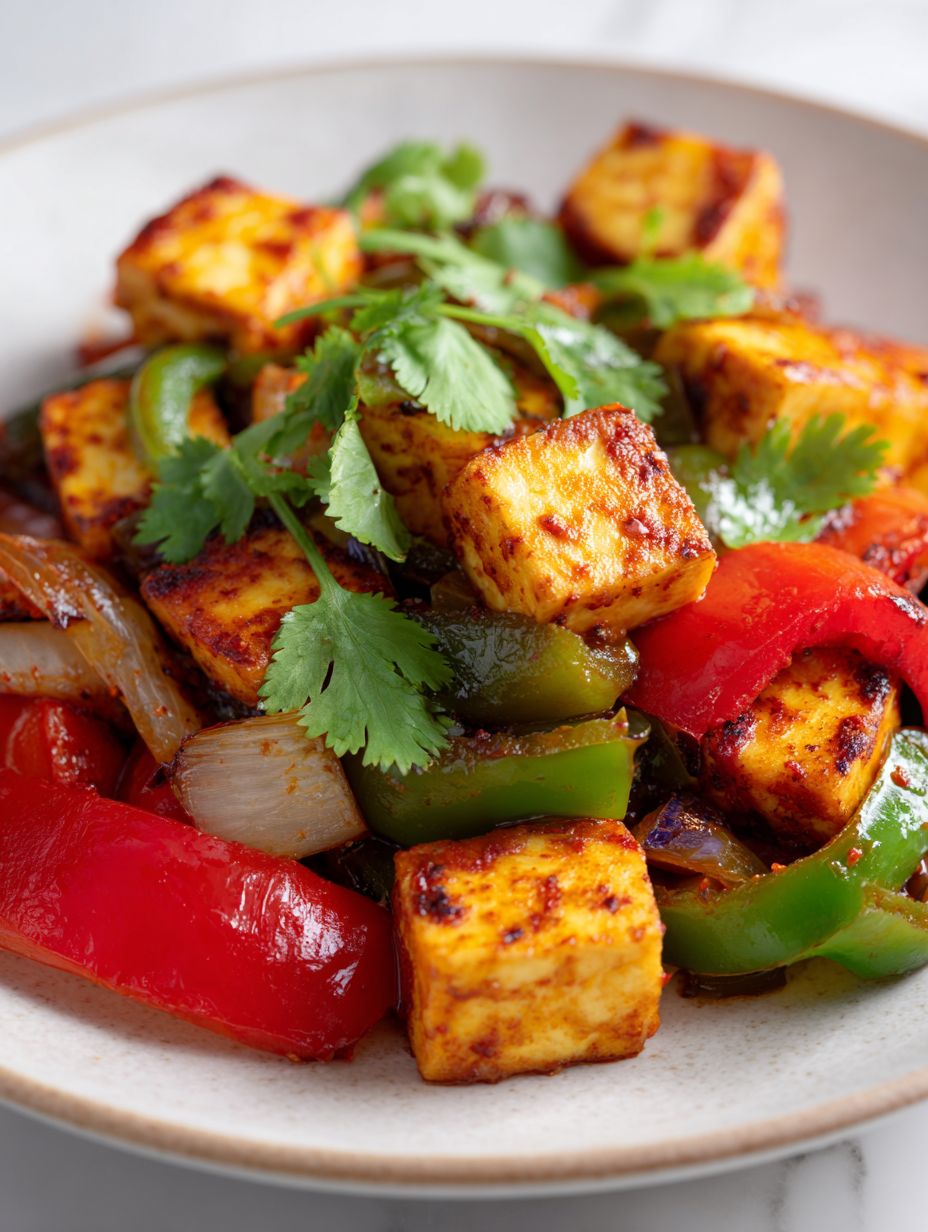
Smoky Paneer Stir Fry
Ingredients
Equipment
Method
- Pat the paneer cubes dry with paper towels to remove excess moisture, ensuring they crisp up nicely in the pan.
- Heat a cast iron skillet over high heat until very hot, almost smoking, then add the oil and swirl to coat the surface.
- Carefully place the paneer cubes in a single layer and let them cook undisturbed for 2-3 minutes, watching as their bottoms turn a deep golden-brown and develop a smoky, crispy crust.
- Flip the paneer gently with a spatula and cook for another 2-3 minutes until evenly browned and crispy on all sides, releasing a nutty aroma.
- Remove the paneer from the skillet and set aside. In the same pan, add the sliced bell peppers and cook for 2 minutes, stirring occasionally, until they start to char and soften with some smoky edges.
- Add the minced garlic and grated ginger to the peppers, stirring for 30 seconds until fragrant, taking care not to burn the aromatics.
- Pour in the soy sauce, add the sugar, and toss everything quickly to coat the vegetables, allowing the sauce to thicken slightly and cling to the ingredients.
- Return the crispy paneer to the skillet, gently tossing to combine all the flavors and heat through for another minute, until the paneer is warm and coated in the glossy, smoky sauce.
- Finish by sprinkling chopped scallions over the stir fry for a fresh, bright contrast, then remove from heat.
- Serve immediately on a warm plate, enjoying the crispy, smoky edges and vibrant flavors with a side of rice or your favorite bread.
Notes
Pro tips for smoky paneer edges
- High heat: Crank your burner to maximum; the smoky edges come from that quick, intense sear.
- Dry paneer: Pat it thoroughly with paper towels before frying; moisture hinders crisping and promotes steaming.
- Don’t overcrowd: Fry paneer in batches if needed; overcrowding causes steaming, not searing.
- Use a thin layer of oil: Just enough to coat the pan; too much drowns the crispness, too little burns quickly.
- Flip gently: Use a spatula to turn paneer softly, preserving that golden crust and preventing breakage.
- Finish with a quick toss: Shake ingredients in the pan or toss gently at the end to distribute smoky flavors evenly.
- Smell for readiness: The paneer should give off a toasted, nutty aroma—if it smells burnt, remove from heat immediately.
Common mistakes and how to fix them
- FORGOT to preheat pan → Always let your pan heat until just shy of smoking before adding ingredients.
- DUMPED too much oil → Use just enough to coat the pan; excess oils can cause sogginess, not crispness.
- OVER-TORCHED paneer → Reduce heat immediately if paneer starts to burn; aim for golden, not blackened edges.
- MISSED resting time → Let the stir fry sit for a minute after cooking to meld flavors and firm up textures.
Quick fixes and pantry swaps
- When paneer sticks, splash cold water in the pan and loosen with a spatula.
- If sauce is too watery, increase heat and cook until it thickens, releasing steam and aroma.
- DUMPED too much oil? Patch it with a paper towel to absorb excess oil before finishing.
- When edges aren’t smoky enough, shield the pan with foil and cook a bit longer.
- Splash a little lemon juice or vinegar if flavors feel flat or dull after cooking.
Prep, store, and reheat tips
- Prep the paneer: Cube and pat dry up to a day ahead; keeps it firm and ready for crisping later.
- Chop vegetables and garlic the night before; store in airtight containers to save time and keep fresh.
- Store cooked or leftover stir fry in an airtight container in the fridge for up to 2 days; reheats well, retaining smoky flavor.
- Reheat gently in a hot skillet for 2-3 minutes, stirring occasionally until heated through and slightly crispy around the edges.
- The flavors deepen slightly as it sits, but keep an eye on moisture; reheated stir fry may lose some crispness and need a quick toss with fresh oil.
Top questions about paneer stir fry
1. Can I use store-bought paneer or should I make my own?
Use firm, fresh paneer cut into 1-inch cubes for the best crispy edges and chewy center.
2. How do I get that smoky, charred edge on the paneer without a grill?
Cook the paneer over high heat until golden and slightly charred for that smoky flavor.
3. Can I omit soy sauce or use a different seasoning?
Add soy sauce during stir-frying for umami, but adjust if you’re watching salt intake.
4. What other vegetables work well in this stir fry?
Use colorful bell peppers for visual appeal and a sweet, smoky flavor when charred.
5. My paneer sticks to the pan—what am I doing wrong?
Ensure the pan is very hot before adding paneer to prevent sticking and promote crisping.
6. Can I make this dish ahead and reheat it later?
Reheat leftovers in a hot skillet for 2-3 minutes until crispy and smoky again.
7. Why is my paneer soggy instead of crispy?
Pat dry the paneer thoroughly before frying to avoid steaming and sogginess.
8. When do I add garlic and ginger for maximum aroma?
Add garlic and ginger at the right moment—when fragrant, but before they burn.
9. Should I add herbs during cooking or after?
Finish with fresh herbs like cilantro or scallions for a bright contrast.
10. What’s the best pan to get that smoky, charred effect?
Use a cast iron or non-stick skillet for even heat and better smoky edges.
This dish isn’t just about the smoky edges; it’s about the joy of transforming simple ingredients into something memorable. Every bite carries that satisfying crunch and a hint of char that makes you pause and appreciate the process. It’s a reminder that a little heat and patience can turn everyday cooking into a small celebration.
In times when quick comfort is needed, this stir fry offers a familiar yet surprisingly layered experience. It’s honest food, meant to be enjoyed with no fuss, just good flavors and good company in every bite.

Hi, I’m Anjali Arora — the curious heart behind Feast Chase.
To be honest, I’ve always felt most at ease in my own company. I’m not exactly a people-person (small talk still makes me cringe), but there are two things I’ve always loved deeply: animals and food.