 Anjali Arora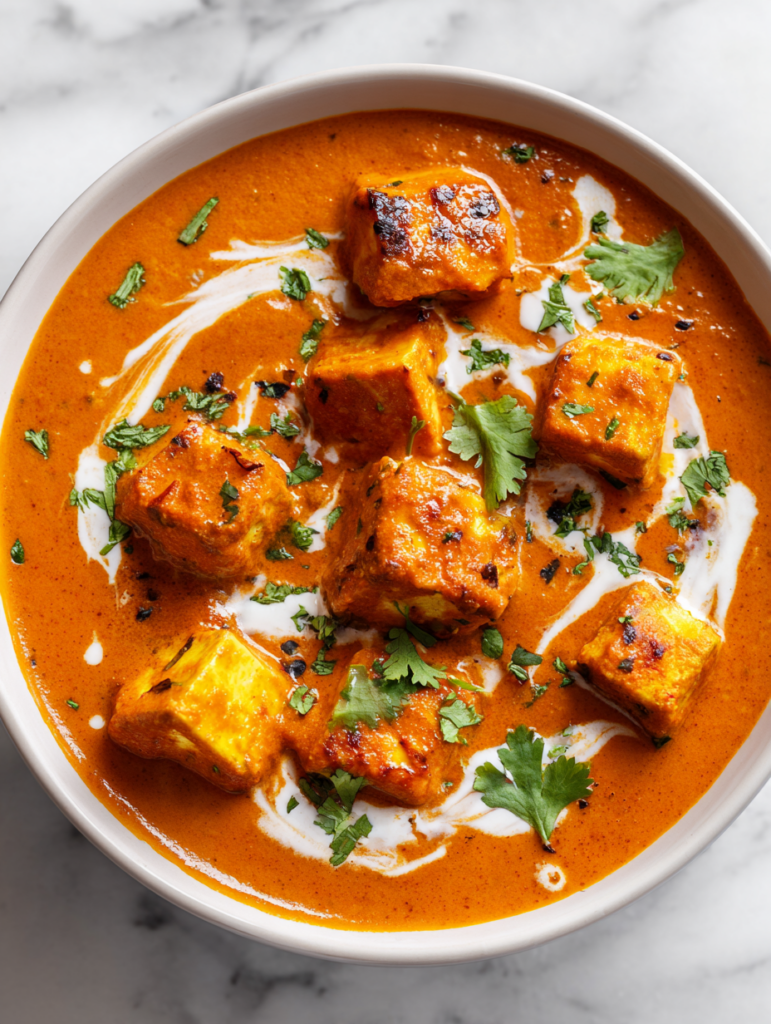
This paneer butter masala recipe is my go-to when I need a quick comfort fix. The creamy tomato sauce, infused with butter and spices, somehow manages to feel both indulgent and familiar, no matter how hectic the day has been.
I’ve always loved how this dish brings a little bit of home into my busy kitchen. It’s not fancy, but it’s honest—simple ingredients mixed in a way that warms the soul. Making it from scratch makes it feel like a small act of kindness, especially on evenings when I need a reminder of slower, sweeter times.
There’s something about the way the paneer soaks up that buttery, spiced sauce that feels like a warm hug. It’s a dish I keep coming back to, not just for the flavor, but for the quiet moment it creates—an easy way to pause, breathe, and savor a little bit of home.
Focusing on how the creamy richness of paneer butter masala can be a comforting reminder of home, even when you’re miles away or stuck in a busy week. This dish isn’t just about the flavors; it’s about reclaiming a moment of warmth amid chaos, using simple ingredients that evoke nostalgia and create a sense of belonging, even in the smallest kitchen.
A Cozy Take on Classic Comfort
- Making this dish always reminds me of Sunday afternoons at my grandmother’s house, where the kitchen smelled of butter and spices.
- I used to think paneer was boring until I discovered how it soaks up flavors, transforming into something utterly satisfying.
- Cooking this feels like a small act of rebellion in my busy week—just butter, tomatoes, and spices, yet it comforts deeply.
- There’s a nostalgic joy in watching the creamy sauce simmer and turn a rich, inviting red that makes my mouth water.
- Sharing this with friends always sparks stories of childhood and cozy family dinners, no matter where we are.
A Cozy Take on Classic Comfort
This recipe for paneer butter masala harks back to a spontaneous dinner I once threw together after a long day. I had a block of paneer and a handful of spices that needed using, and somehow, the simple act of simmering these ingredients turned into a comforting ritual. It’s one of those dishes that reminds me why I started cooking—finding joy in small, honest moments in the kitchen. Over the years, I’ve tweaked and personalized it, but that initial impulse to turn humble ingredients into something warm and satisfying has never left me.
Historical & Cultural Insights
- Paneer butter masala’s roots trace back to North Indian cuisine, where rich, creamy gravies were a staple for festive meals.
- The dish gained popularity in Indian restaurants abroad during the 1960s, becoming a comfort food for many diaspora communities.
- Traditional recipes often use a tomato-based sauce simmered with butter and cream, reflecting Mughlai culinary influences.
- Some say the secret to authentic flavor lies in slowly cooking the tomato gravy with roasted spices, imparting a smoky depth.
- Modern twists sometimes incorporate cashew paste or yogurt to enhance creaminess and balance the spice level.
Ingredient breakdown: key components
- Paneer: I love using fresh, homemade paneer—it’s soft, slightly crumbly, with a milky aroma that soaks up the sauce beautifully. Feel free to substitute with firm tofu for a vegan version, though it won’t have that same richness.
- Tomatoes: Ripe, juicy tomatoes are the base here, giving that bright, slightly tangy flavor and vivid red color. If you only have canned, crushed tomatoes work just as well—just pick a good quality brand for depth.
- Butter: I use plenty of butter for that silky, luxe mouthfeel—smells like caramelizing sugar. For a lighter touch, swap half for ghee or a neutral oil, but you’ll miss some of that rich aroma.
- Cream: Heavy cream adds that luscious, velvety finish. If you want dairy-free, coconut cream is a good stand-in—just note it’ll add a faint coconut note, which can be nice.
- Spices: Garam masala, turmeric, and coriander are my go-tos—they bring warmth and complexity. Toast them briefly in the pan to release their aroma; skip this step if you’re in a rush.
- Onion & Garlic: These aromatics form the savory backbone. I sauté until golden and fragrant—if they burn, the sauce can turn bitter, so keep the heat moderate.
- Kasuri Methi (Dried Fenugreek): This little pinch adds a slightly bitter, nutty aroma that elevates the dish. If you don’t have it, a tiny sprinkle of fenugreek seeds toasted and crushed works, but don’t skip the flavor—it’s subtle but essential.
Spotlight on key ingredients
Paneer & Tomatoes:
- Paneer: I love using fresh, homemade paneer—it’s soft, slightly crumbly, with a milky aroma that soaks up the sauce beautifully. Feel free to substitute with firm tofu for a vegan version, though it won’t have that same richness.
- Tomatoes: Ripe, juicy tomatoes are the base here, giving that bright, slightly tangy flavor and vivid red color. If you only have canned, crushed tomatoes work just as well—just pick a good quality brand for depth.
Notes for ingredient swaps
- Dairy-Free: Swap heavy cream for coconut cream—adds richness with a subtle coconut aroma, slightly lighter mouthfeel.
- Vegan: Use firm tofu instead of paneer—soaks up flavors well, though it won’t have the milky softness of paneer.
- Tomatoes: Ripe fresh tomatoes give bright flavor, but canned crushed tomatoes are a quick substitute with consistent taste.
- Butter: Ghee offers a nuttier, more intense flavor, while neutral oil keeps it lighter—use sparingly for best results.
- Cream Alternatives: Cashew cream blended until smooth gives a creamy texture; keep in mind it’s slightly sweeter and nuttier.
- Spices: Pre-ground spices are fine, but toasting whole spices and grinding fresh boosts aroma and depth—don’t skip this step.
- Paneer: Fresh, homemade paneer is best for softness; store-bought works too, but may be slightly drier and more crumbly.
Equipment & Tools
- Non-stick pan or skillet: To cook and simmer the sauce evenly
- Knife: For chopping onions, garlic, ginger, and paneer
- Cutting board: To prep ingredients safely
- Spatula: For stirring and mixing
- Blender or immersion blender: Optional, for smooth sauce if preferred
Step-by-step guide to paneer butter masala
- Gather your equipment: a non-stick pan or skillet, a knife, a cutting board, a spatula, and a blender or immersion blender if you prefer a smooth sauce.
- Heat the pan over medium heat (about 160°C/320°F). Add 2 tablespoons of butter and let it melt, smelling sweet and caramelized.
- Add finely chopped onions (about 1 cup) and sauté for 5-7 minutes until golden and translucent. Stir frequently to prevent burning.
- Stir in 3 cloves minced garlic and 1 teaspoon grated ginger; cook for 1 minute until fragrant. Watch for a pungent aroma turning nutty.
- Add 2 teaspoons garam masala, 1 teaspoon turmeric, 1 teaspoon coriander powder, and a pinch of red chili powder. Toast spices for 1-2 minutes, stirring constantly, until aromatic.
- Pour in 2 cups ripe, crushed tomatoes or canned tomatoes. Simmer over low heat (about 80°C/175°F) for 10-15 minutes, stirring occasionally, until the oil begins to separate at the edges. The sauce should turn a rich, deep red and smell sweet and smoky.
- Add 200g (7 oz) cubed paneer and gently stir to coat with the sauce. Cook for another 5 minutes, allowing the paneer to soak up flavors. If using tofu, press and cube it first, then add with a gentle touch.
- Pour in 1/2 cup heavy cream or coconut cream, stirring well. Let it simmer for 2-3 minutes until the sauce is silky and velvety. Check for a vibrant, glossy appearance and a fragrant, buttery aroma.
- Adjust seasoning with salt to taste. If the sauce is too thick, add a splash of warm water or stock and stir until smooth.
- Remove from heat. Rest for 5 minutes to let flavors meld. Serve hot, garnished with fresh cilantro if desired, alongside warm naan or rice.
Let the dish rest off heat for 5 minutes. Garnish with chopped cilantro if desired. Serve with hot naan or rice, ensuring the sauce thickens slightly and flavors deepen during resting.
How to Know It’s Done
- Sauce is deep red, fragrant, with oil slightly separating at edges.
- Paneer is soft but holds shape, soaking up the sauce.
- Creamy texture is silky, not greasy or curdled.
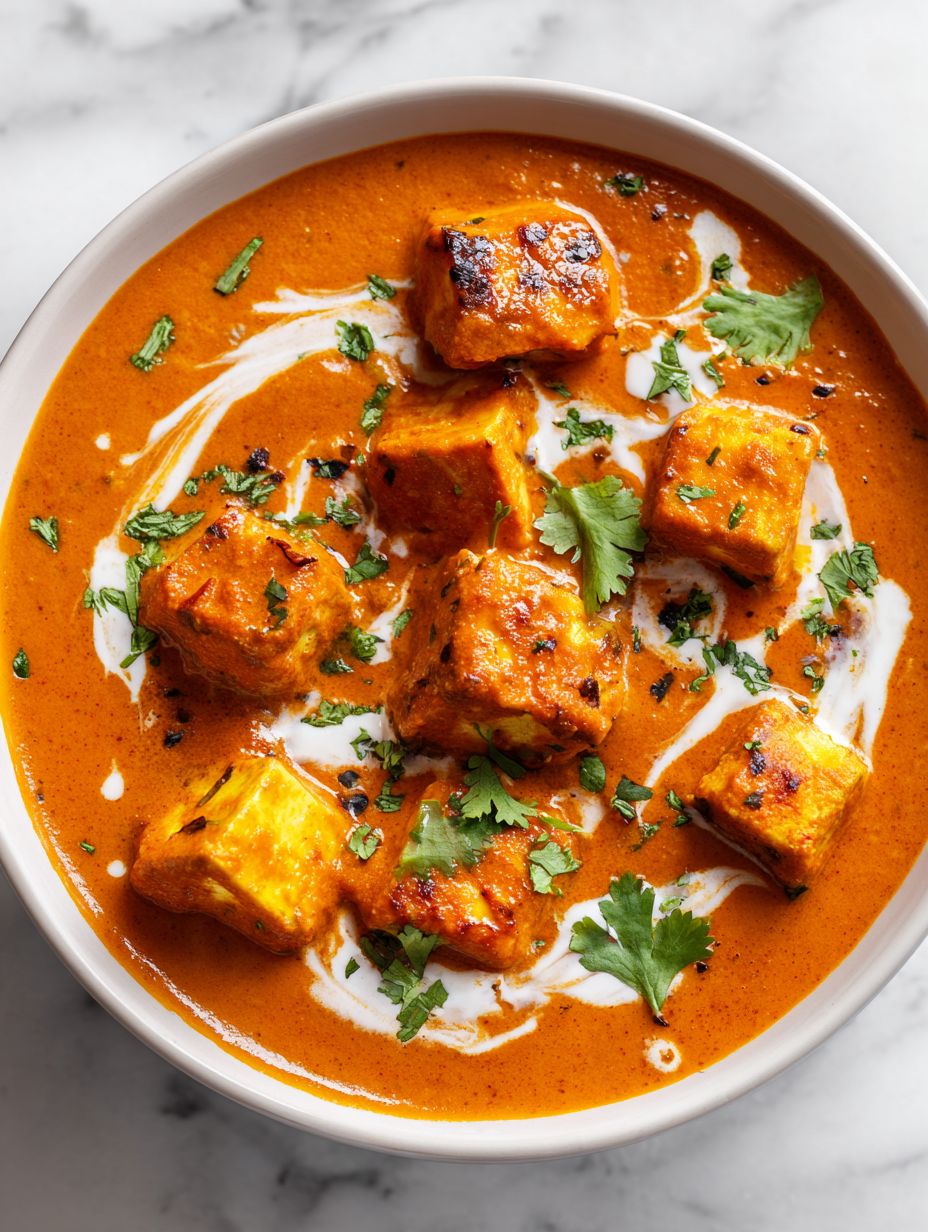
Paneer Butter Masala
Ingredients
Equipment
Method
- Heat a non-stick pan over medium heat and add the butter, allowing it to melt and smell sweet and caramelized.
- Add the finely chopped onions and sauté for 5-7 minutes, stirring occasionally until they turn golden and translucent, filling the kitchen with a warm aroma.
- Stir in the minced garlic and grated ginger, cooking for about 1 minute until fragrant and slightly golden.
- Add the garam masala, turmeric, and coriander powder, cooking for another 1-2 minutes while stirring constantly until the spices release their aroma and the mixture darkens slightly.
- Pour in the crushed or pureed tomatoes and simmer on low heat for 10-15 minutes, stirring occasionally until the sauce thickens, deepens in color, and oil begins to separate at the edges.
- Gently fold in the cubed paneer, coating each piece with the rich tomato gravy, and cook for another 5 minutes to let the paneer soak up the flavors.
- Stir in the heavy cream, blending it into the sauce until silky and velvety, and simmer for an additional 2-3 minutes, checking for a glossy, vibrant red color and fragrant aroma.
- Season with salt to taste, then remove from heat and let sit for 5 minutes to allow flavors to meld and deepen.
- Garnish with a pinch of kasuri methi if using, and serve hot with naan or rice, enjoying the creamy, comforting texture with every bite.
Pro tips for perfect paneer butter masala
- Use a heavy-bottomed pan to prevent hot spots and ensure even cooking.
- Toast spices briefly in butter to release essential oils and deepen flavor.
- Sauté onions until golden to develop sweetness and richness in the base.
- Add tomatoes gradually, simmer slowly, and stir often to build a silky, well-integrated sauce.
- Gently fold in paneer to avoid breaking the cubes and allow it to soak up the sauce.
- Finish with a swirl of cream off heat for a glossy, velvety texture and balanced richness.
- Rest the dish for 5 minutes before serving—this helps flavors meld and intensify.
Common mistakes and how to fix them
- TOO MUCH OIL: Use less oil if sauce looks greasy, but don’t skimp on butter for richness.
- OVERCOOKED PANEER: Add paneer at the end and simmer briefly to prevent it from becoming rubbery.
- FORGOT TO TASTE: Always taste and adjust salt or spice levels before serving.
- DUMPED SPICES: Toast spices briefly to unlock aroma; skip this and flavor will be dull.
Fast fixes for paneer masala
- When sauce looks oily, splash in a little water and simmer to unify flavors.
- If paneer is rubbery, patch with gentle simmering in sauce for a softer texture.
- Splash a few drops of lemon juice when sauce tastes flat; brightens the flavor instantly.
- Over-torched spices? Shield with a dollop of butter and stir quickly to mellow bitterness.
- If sauce is too thick, add a splash of warm stock or water for a silky consistency.
Prep, store, and reheat tips
- Prep the sauce ingredients—chop onions, garlic, and tomatoes a day in advance to save time and keep flavors fresh. Store in airtight containers in the fridge for up to 24 hours; the aroma of spices will deepen overnight.
- Cube and lightly fry the paneer ahead; keep in an airtight container in the fridge for up to 2 days. Reheat gently in a hot pan or microwave until just warm, noticing how the texture stays tender and the milky aroma remains inviting.
- The cooked sauce can be made a day ahead. Reheat on low heat, stirring often, until bubbling and fragrant. The flavors will meld further, becoming richer and more balanced—perfect for serving after a quick simmer.
- Leftovers store well in the fridge for up to 3 days. Reheat gently, watching for bubbling and aroma. The sauce may thicken—add a splash of warm water or cream to loosen it, restoring its silky texture and vibrant color.
Top questions about paneer butter masala
1. Can I use store-bought paneer?
Fresh paneer soaks up the sauce better, making it softer and more flavorful. Store-bought works fine, but homemade has that milky aroma.
2. Can I substitute fresh tomatoes with canned ones?
Yes, canned tomatoes can be used. Just choose a good quality brand for a brighter, more vivid sauce flavor.
3. Can I skip butter or use a different fat?
Butter is key for richness, but ghee adds a nuttier flavor. Use neutral oil if you want lighter or dairy-free options.
4. What’s a good dairy-free substitute for cream?
Heavy cream creates that silky, indulgent texture. Coconut cream is a good vegan alternative, adding a slight coconut aroma.
5. Should I toast the spices before adding tomatoes?
Cooking the spices briefly in butter releases their essential oils, boosting flavor. Don’t skip toasting them for depth.
6. How do I keep paneer from becoming rubbery?
Overcooking paneer makes it rubbery. Add it near the end and simmer just enough to soak up the flavors without losing softness.
7. What kind of tomatoes work best?
Using fresh, ripe tomatoes gives the best flavor and vibrant color. If in season, they’ll also smell sweeter and more tomatoey.
8. How do I know when the sauce is done?
Simmer the sauce until oil slightly separates at the edges and it turns a deep red. The aroma should be sweet and smoky.
9. Should I let the dish rest before serving?
Rest the dish for 5 minutes after cooking; it helps flavors meld and intensify, making every bite richer.
10. How do I reheat leftovers without ruining the texture?
Reheat gently on low heat, stirring often. Add a splash of water or cream to restore silky texture and vibrant color.
This dish isn’t just about feeding hunger; it’s about creating a moment of warmth and familiarity, even in a busy week. The rich, buttery sauce and soft paneer make every bite feel like a small celebration of simple pleasures.
Even after years of cooking, I find that this recipe reminds me of home—its comfort and honesty are hard to beat. Sometimes, all it takes is a spoonful of this to slow down and savor a quiet, grounding moment in the chaos.

Hi, I’m Anjali Arora — the curious heart behind Feast Chase.
To be honest, I’ve always felt most at ease in my own company. I’m not exactly a people-person (small talk still makes me cringe), but there are two things I’ve always loved deeply: animals and food.