 Anjali Arora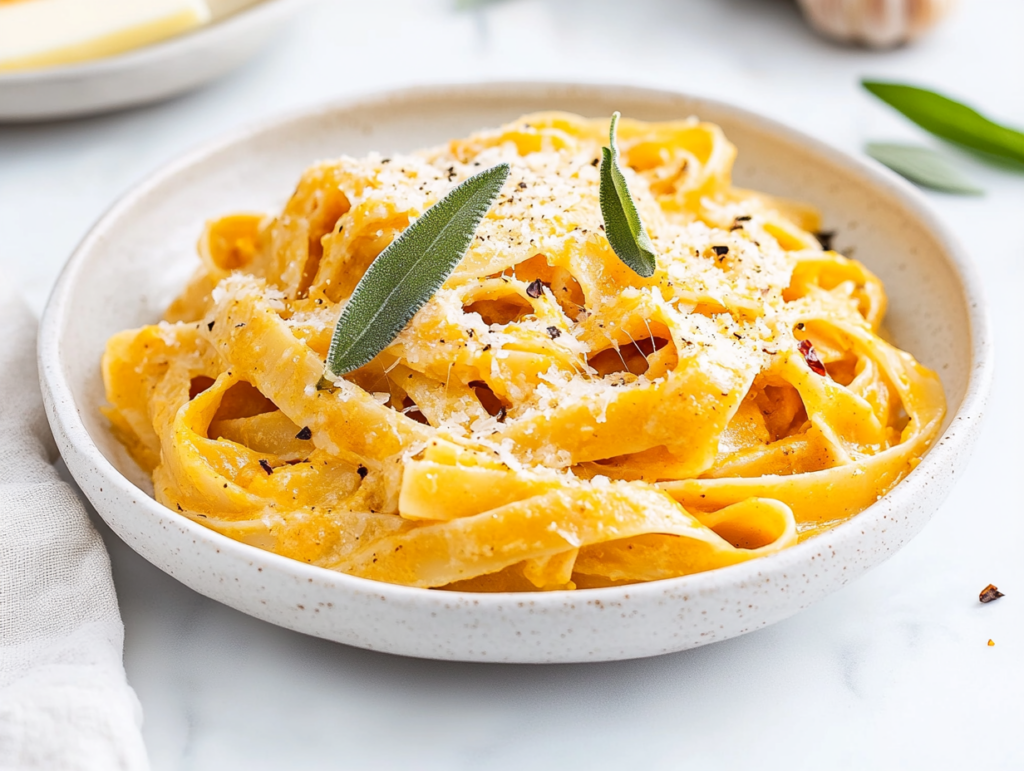
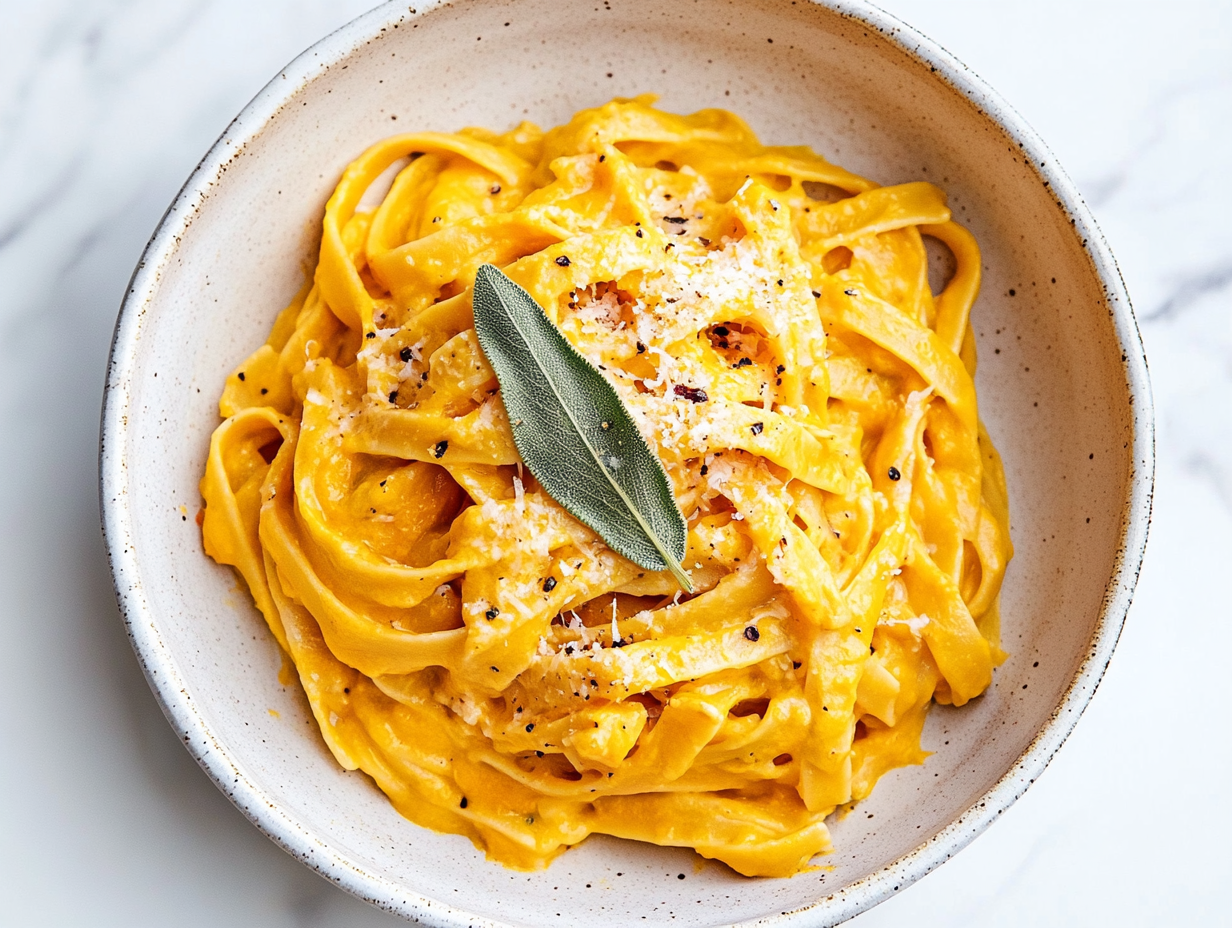
This Butternut Squash Pasta is a cozy fall dinner that turns roasted butternut squash into a creamy sauce for pasta. It is an easy seasonal meal that works well for busy weeknights when you want something warm and satisfying without complicated cooking.
The roasted squash gives the sauce a naturally silky texture and gentle sweetness, while garlic, Parmesan, sage, and black pepper add savory depth. Each bite feels creamy and comforting without relying on a heavy cream-based sauce.
It is also flexible enough to suit different pasta shapes and toppings. Keep it simple for a quick vegetarian dinner or add your favorite seasonal extras when you want to make it more substantial.
What Makes This Recipe Worth Trying
- Straightforward Method: The squash roasts while the pasta cooks, keeping the overall process efficient.
- Seasonal Cooking: Uses fresh butternut squash to create a practical autumn dinner.
- Pantry Friendly: Most of the supporting ingredients are everyday staples.
- Flexible Pasta Choice: Works with long pasta, short pasta, or shapes with ridges that hold sauce well.
- Beginner Friendly: Blending the roasted squash creates the sauce without complicated cooking techniques.
- Easy to Scale: The recipe can be doubled for a larger dinner or divided for smaller portions.
Helpful Ingredient Tips
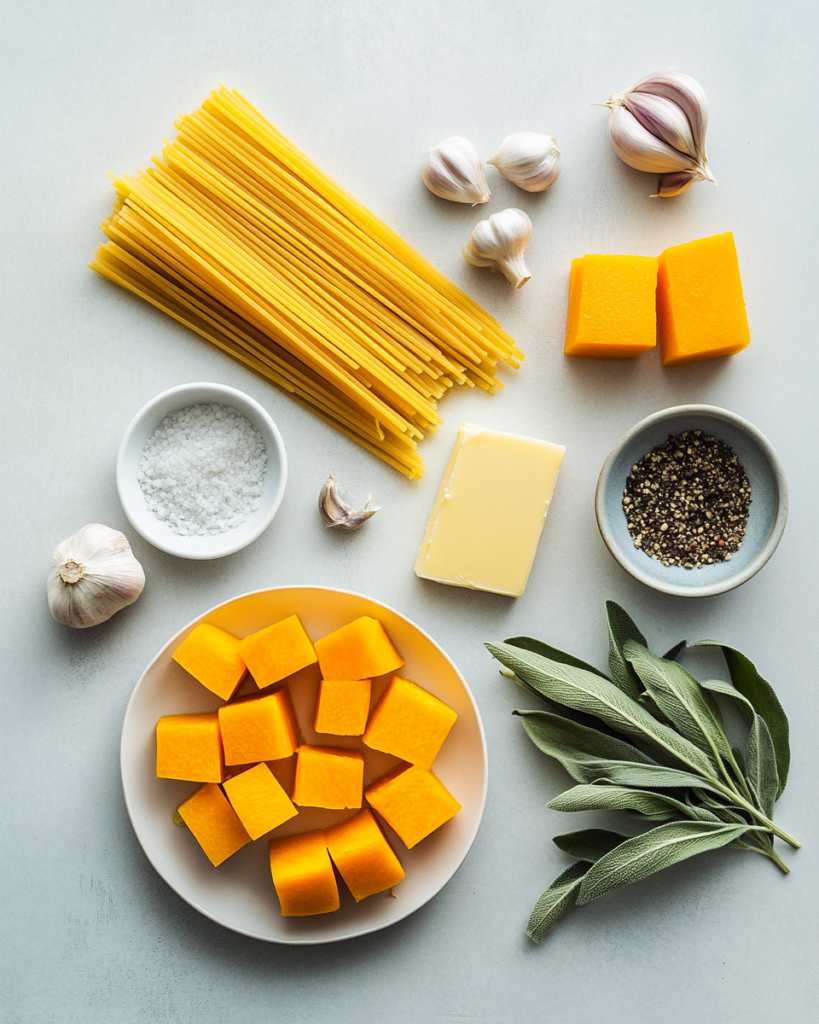
- Butternut Squash: Choose a firm squash with smooth skin and dense orange flesh. Pre-cut squash is convenient when you want to reduce prep time.
- Pasta: Rigatoni, penne, fusilli, or spaghetti can all work. Ridged or twisted shapes hold the sauce especially well.
- Parmesan: Freshly grated Parmesan gives the sauce a smoother finish. Pecorino Romano can be used when you prefer a saltier, sharper cheese.
- Fresh Sage: Sage adds a classic seasonal element that complements butternut squash. Use fresh leaves when available for the most noticeable aroma.
- Garlic: Whole garlic cloves roast alongside the squash and become mellow and sweet. Fresh cloves are preferable to jarred minced garlic for this method.
- Pasta Water: The starchy cooking water helps loosen the squash puree and helps the sauce adhere to the pasta.
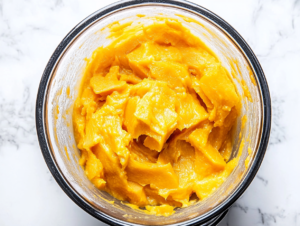
Chef’s Tip: When blending the roasted squash, let it cool for a minute or two but keep it warm. Warm squash blends into a smoother puree with less effort.
Butternut Squash Pasta Recipe
Ingredients
Equipment
Method
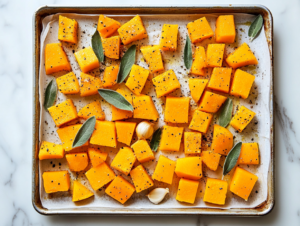
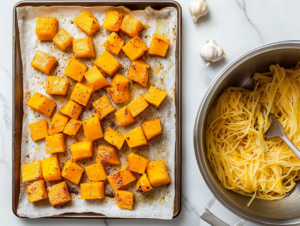
- Preheat the oven to 425°F and line a baking sheet with parchment paper. Arrange the cubed butternut squash and garlic on the pan, then drizzle with olive oil and sprinkle with salt, pepper, and dried sage. Toss well to coat every piece.

- Roast the squash for 25 to 30 minutes, stirring once halfway through, until completely tender. Meanwhile, cook the pasta in salted water until al dente and reserve 1/2 cup of the cooking water. Blend the roasted squash and garlic with the remaining olive oil until silky smooth.
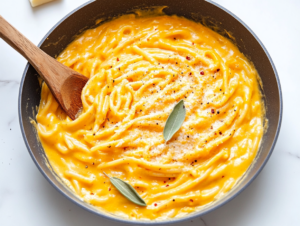
- Transfer the squash puree to a large skillet over medium-low heat. Stir in a splash of reserved pasta water at a time until the sauce reaches a smooth, spoonable consistency. Add the butter and Parmesan, stirring until melted.
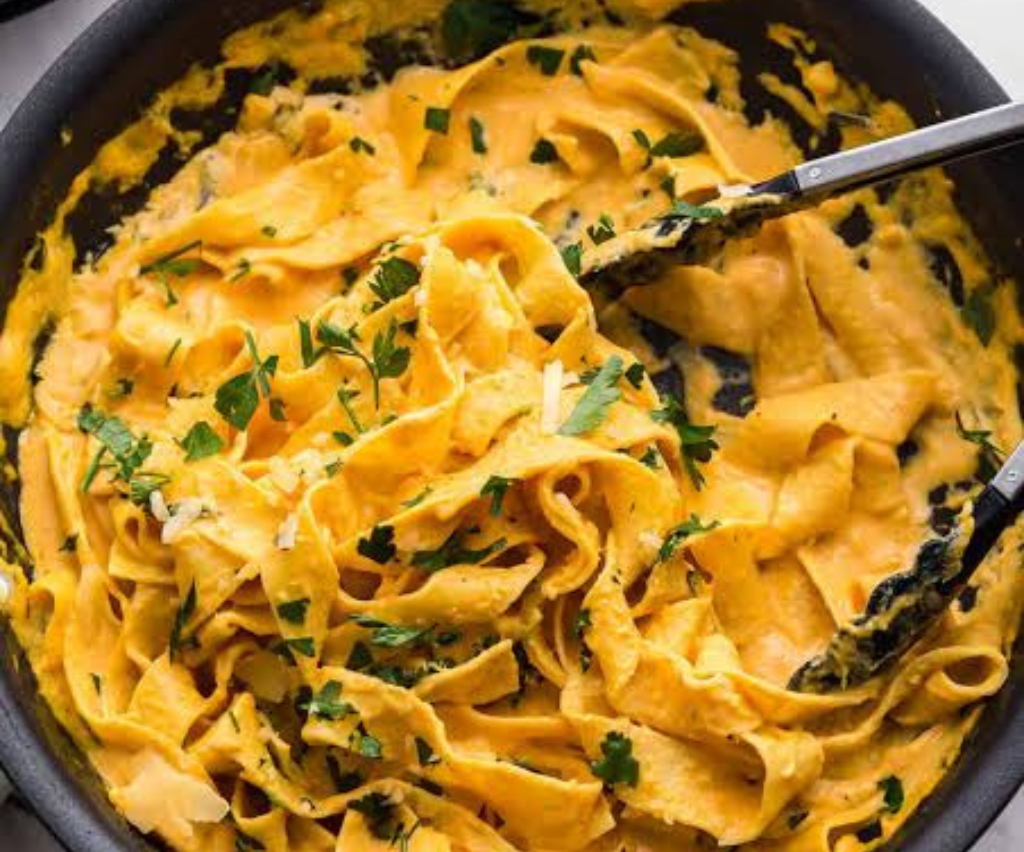
- Add the drained pasta to the skillet and toss until evenly coated. Stir in the fresh sage and red pepper flakes, then season with salt and black pepper. Serve warm with additional Parmesan if desired.
Notes
| Nutrition | Amount per serving |
|---|---|
| Calories | 495 kcal |
| Carbohydrates | 72g |
| Protein | 17g |
| Fat | 17g |
| Fiber | 7g |
| Sugar | 7g |
| Sodium | 570mg |
Small Mistakes That Affect Results
- Large Squash Pieces: Oversized cubes can remain firm in the center before the outside has properly browned.
- Insufficient Roasting: Pale, under-roasted squash can produce a less developed sauce.
- Too Much Pasta Water: Adding the entire amount at once can make the sauce thinner than intended.
- High Heat After Adding Cheese: Excessive heat can cause Parmesan to become clumpy instead of blending smoothly.
- Overcooked Pasta: Soft pasta can break apart when tossed with the thick squash sauce.
- Skipping Seasoning Adjustments: The finished sauce may need additional salt or pepper depending on the Parmesan and squash.
Delicious Variations to Try
- Spinach Version: Stir in a few handfuls of baby spinach during the final minutes of cooking.
- Walnut Version: Finish each serving with toasted chopped walnuts for extra crunch.
- Bacon Version: Add crisp crumbled bacon for a smoky, savory addition.
- Mushroom Version: Sauté sliced mushrooms separately and fold them into the finished pasta.
- Extra Herb Version: Add a little fresh thyme along with the sage for a more aromatic sauce.
- Greens Version: Stir in chopped kale for a heartier vegetable addition.
- Lemon Version: Add a small squeeze of fresh lemon juice at the end to brighten the sauce.
More Pasta Recipes You’ll Enjoy
- Pumpkin Alfredo Pasta
- Pumpkin Gnocchi Recipe
- Mushroom Alfredo Recipe
- Vegetable Pasta Bake Recipe
- Lemon Butter Asparagus Pasta Recipe
Best Ways to Store Leftovers
- Make Ahead: Prepare the squash puree up to 1 day ahead and refrigerate it in an airtight container.
- Refrigerator Storage: Store cooked pasta and sauce in an airtight container for up to 3 days.
- Freezer Storage: Freeze the squash sauce separately for up to 2 months for better texture after thawing.
- Reheating: Warm the pasta gently in a skillet with a splash of water or milk until the sauce loosens.
- Freshness Tip: Keep extra Parmesan and fresh sage separate and add them after reheating.
Frequently Asked Questions
- Can I use frozen butternut squash?
Yes. Frozen squash can work well, but allow it to thaw and drain excess moisture before roasting so it has a better chance of browning. - What pasta shape holds this sauce best?
Rigatoni, penne, fusilli, and other ridged shapes are excellent because their grooves and curves catch the thick squash sauce.
- How smooth should the squash puree be?
It should be mostly smooth and spoonable without large pieces of squash remaining. A high-powered blender will create the silkiest result.
- Why does my squash sauce taste too sweet?
The natural sweetness varies between squash. A little extra Parmesan, black pepper, or a small splash of lemon juice can help balance a particularly sweet batch.
- Can I leave the squash slightly chunky?
Yes. A slightly textured puree gives the pasta a more rustic consistency, although a smoother puree will coat the noodles more evenly.
- How much salt should I add to the pasta water?
Use generously salted water so the pasta is seasoned from the inside as it cooks. This also helps prevent the finished dish from tasting flat.
- Why is my sauce separating?
Very high heat can cause the fat and cheese to separate. Keep the skillet over medium-low heat and toss the pasta gently as the ingredients come together.
- Can I use pre-grated Parmesan?
You can, but freshly grated Parmesan generally melts more evenly into the warm sauce and gives it a smoother consistency.

Hi, I’m Anjali Arora — the curious heart behind Feast Chase.
To be honest, I’ve always felt most at ease in my own company. I’m not exactly a people-person (small talk still makes me cringe), but there are two things I’ve always loved deeply: animals and food.