 Anjali Arora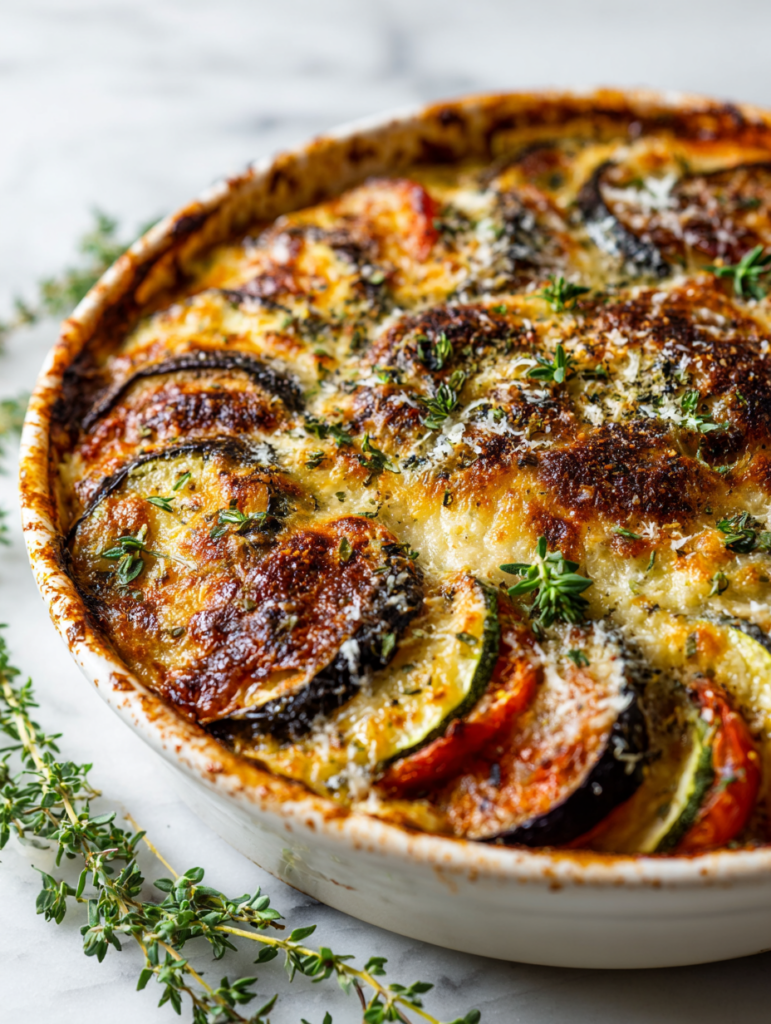
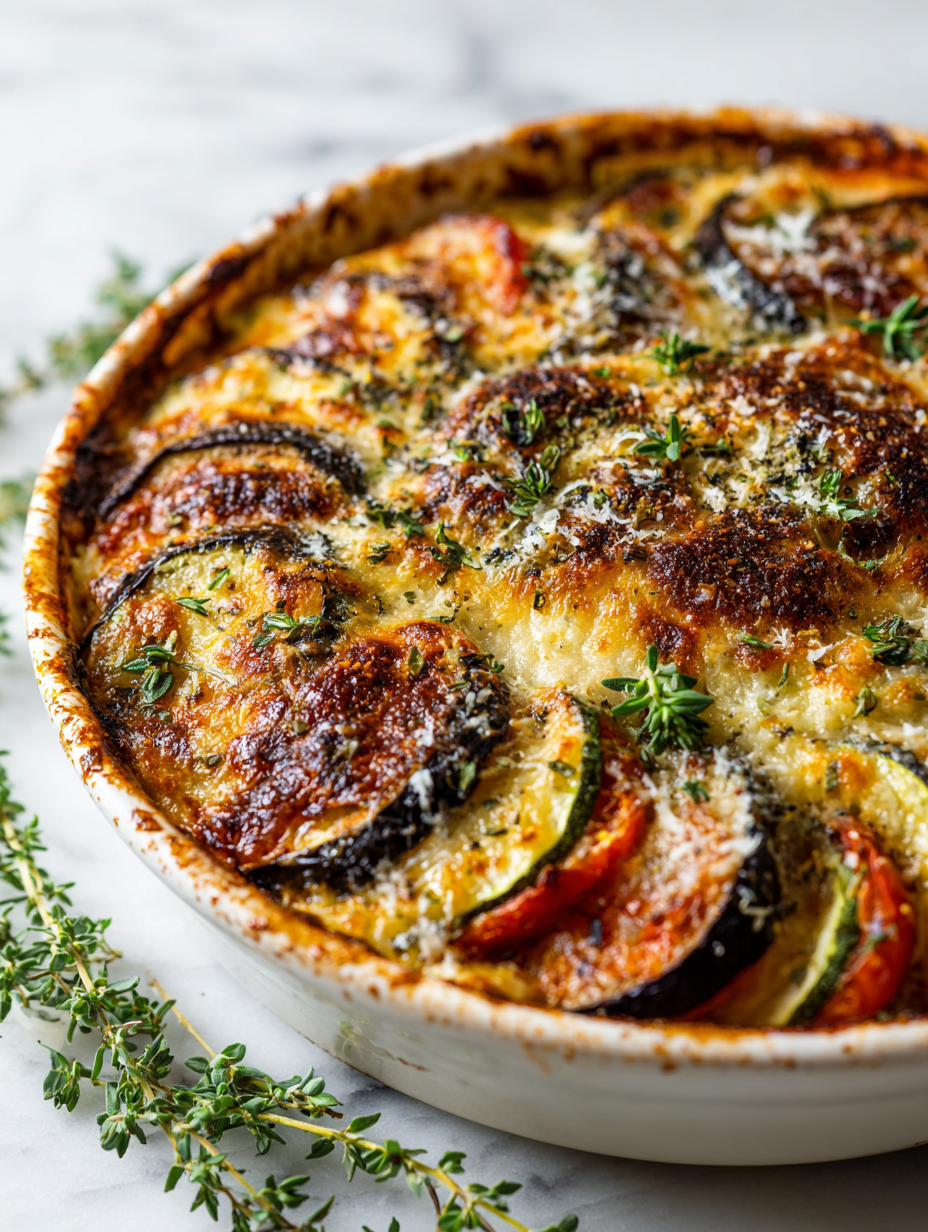
This baked vegetable gratin is my go-to when I want something cozy but don’t want to fuss over fancy ingredients. It transforms simple vegetables—think zucchini, carrots, and potatoes—into something creamy, cheesy, and downright comforting, even on the busiest weeknights. It’s basically a warm hug in dish form, with plenty of crispy edges to satisfy that craving for texture.
What I love about this recipe is how forgiving it can be. No need for perfect slices or fussing over presentation—just layer, season, and let the oven do its magic. It’s a great way to clear out the fridge, turning odds and ends into a dish that feels indulgent without the fuss or expense. Plus, the smell of melted cheese and caramelized veggies filling the kitchen is pure magic.
Focusing on how to transform humble, everyday vegetables into a rich, comforting dish that feels like a special treat, even on busy weeknights.
Transforming Humble Veggies
- Cooking this dish always takes me back to my grandmother’s kitchen, where the smell of roasting vegetables mixed with a hint of thyme.
- I love how this gratin feels like a little celebration of simple ingredients, especially on chilly evenings when comfort food hits right.
- Sometimes I get impatient and rush the cheese topping, but a slow, even browning really makes all the difference for that crispy top.
The story behind this recipe
- This dish came together one rainy weekend when I was rummaging through the fridge, looking for something comforting but easy. I wanted to make use of whatever vegetables were lingering—carrots, zucchini, a lonely potato—and turn them into something special without much fuss.
- The idea of layering and baking them until bubbly and crispy just felt right, like a cozy hug after a long day. Over the years, it’s become my go-to for nights when I need a little nourishment that’s both humble and satisfying.
- I remember the first time I added a splash of smoked cheese on top—suddenly it was a whole new level of indulgence. Now, it’s a dish I make whenever I want to feel grounded, with a golden, cheesy crust that makes everyone ask for seconds.
Historical & Cultural Tidbits
- Vegetable gratins have roots in rustic French cuisine, where home cooks used simple ingredients to create hearty, cheesy dishes.
- The concept of layering vegetables and baking them with cheese likely evolved as a way to stretch seasonal produce and preserve flavors before refrigeration.
- Historically, gratins were a way to make even humble vegetables feel indulgent, especially in colder months when rich foods were treasured.
Ingredient breakdown: key components
- Zucchini: I prefer slicing zucchini thin; it cooks evenly and gets that lovely tender-crisp texture, plus the skin adds a slight chew. Swap with yellow squash if you want a sweeter note.
- Potatoes: I use starchy potatoes like Russets for creaminess, but if you want a lighter dish, opt for waxy varieties like red or Yukon Gold. Keep slices uniform for even baking.
- Carrots: I like slicing carrots into thin rounds—they caramelize around the edges, adding a sweet, smoky flavor. Thin slices cook faster, so adjust baking time if they’re thicker.
- Cheese: Gouda or Gruyère give a nutty, melt-in-your-mouth quality, but if you’re out, sharp cheddar works for a familiar punch. Use enough to form a gooey, golden crust.
- Cream: I lean towards heavy cream for richness, but half-and-half can do if you’re watching fat. For a dairy-free version, try coconut cream—just be aware it adds a subtle sweetness and coconut aroma.
- Herbs: Fresh thyme or rosemary sprinkle a fragrant, earthy note that lifts the dish. Dried herbs work too, just use a little more to compensate for flavor loss.
- Breadcrumbs: For topping, I prefer panko for extra crunch, but crushed Ritz or even crushed crackers can work if you’re out. Toast them lightly before sprinkling for more flavor.
Spotlight on key ingredients
Cheese:
- Zucchini: I prefer slicing zucchini thin; it cooks evenly and gets that lovely tender-crisp texture, plus the skin adds a slight chew. Swap with yellow squash if you want a sweeter note.
- Potatoes: I use starchy potatoes like Russets for creaminess, but if you want a lighter dish, opt for waxy varieties like red or Yukon Gold. Keep slices uniform for even baking.
- Gouda or Gruyère give a nutty, melt-in-your-mouth quality, but if you’re out, sharp cheddar works for a familiar punch. Use enough to form a gooey, golden crust.
Cream & Herbs:
- Heavy Cream: I lean towards heavy cream for richness, but half-and-half can do if you’re watching fat. For a dairy-free version, try coconut cream—just be aware it adds a subtle sweetness and coconut aroma.
- Breadcrumbs: For topping, I prefer panko for extra crunch, but crushed Ritz or even crushed crackers can work if you’re out. Toast them lightly before sprinkling for more flavor.
- Herbs: Fresh thyme or rosemary sprinkle a fragrant, earthy note that lifts the dish. Dried herbs work too, just use a little more to compensate for flavor loss.
Notes for ingredient swaps
- Dairy-Free: Swap heavy cream for coconut cream or almond milk. The dish will be less rich but still creamy.
- Cheese: Use nutritional yeast or a dairy-free cheese alternative. Expect a slightly different flavor profile, less gooey.
- Vegetables: Substitute eggplant or sweet potatoes for zucchini or carrots. Adjust cooking time as needed for different textures.
- Breadcrumbs: Omit or replace with crushed nuts or seeds for crunch. Keep an eye on topping browning.
- Herbs: Fresh basil or parsley can replace thyme or rosemary for a brighter, more floral note.
- Salt: Use a low-sodium alternative if you’re watching your intake. Adjust seasoning to taste.
- Oil: Swap butter with olive oil or vegan margarine. The flavor remains rich, but the texture might be slightly different.
Equipment & Tools
- Baking dish: Holds the layered vegetables and allows even baking.
- Sharp knife: Slices vegetables uniformly for even cooking.
- Mandoline or slicer (optional): Ensures consistent thin slices for uniform texture.
- Saucepan: Prepares the cheese sauce easily on the stove.
- Grater: Shreds cheese quickly and evenly.
- Oven mitts: Handles hot dishes safely.
- Timer: Tracks baking and resting times precisely.
Step-by-step guide to baking gratin
- Preheat your oven to 190°C (375°F). Lightly grease a medium-sized baking dish with butter or oil to prevent sticking.
- Prepare your vegetables: thinly slice zucchini, carrots, and potatoes into uniform rounds—about 3mm thick for even baking and tender textures.
- Layer the vegetables: start with a base of potatoes, followed by zucchini and carrots, seasoning each layer with salt, pepper, and a sprinkle of herbs like thyme or rosemary. Repeat until the dish is filled, finishing with a layer of cheese on top.
- Make the cheese sauce: in a small saucepan, warm 1 cup heavy cream over medium heat. Add 1 cup grated cheese (Gruyère, cheddar, or your choice), stirring until melted and smooth. Pour evenly over the layered vegetables.
- Sprinkle a handful of panko breadcrumbs or crushed crackers over the top for extra crunch. Optionally, add a few more herbs or a dash of smoked paprika for flavor.
- Bake uncovered for about 40-45 minutes. The gratin should be bubbling around the edges, the cheese golden and crispy on top.
- Check for doneness: the vegetables should be tender when pierced with a skewer, and the top should be beautifully browned and crispy.
- Remove from oven and let rest for 10 minutes. This helps the layers set slightly and makes serving easier.
- Serve warm, with a fresh green salad or crusty bread if desired. The top should be crackly, cheese gooey, and vegetables perfectly tender.
Let the gratin rest for 10 minutes to set. Serve directly from the dish, slicing into portions that reveal the bubbling, crispy top and tender layers beneath. Garnish with extra herbs if desired for a fresh aroma.
How to Know It’s Done
- Cheese topping is golden and crispy, with bubbling around the edges.
- Vegetables are tender when pierced with a fork or skewer.
- The gratin emits a fragrant, cheesy aroma, indicating the cheese has melted thoroughly.
Vegetable Gratin
Ingredients
Equipment
Method
- Preheat your oven to 190°C (375°F) and lightly grease a medium baking dish.
- Using a sharp knife or mandoline, thinly slice the zucchini, carrots, and potatoes into about 3mm thick rounds. Keep the slices uniform for even cooking.
- Layer the vegetables in the prepared dish, starting with a layer of potatoes, then zucchini, then carrots. Season each layer with salt, pepper, and a sprinkle of thyme. Repeat until the dish is filled, ending with a layer of cheese on top.
- In a small saucepan, warm the heavy cream over medium heat until it just begins to simmer. Stir in most of the grated cheese until melted and smooth, then pour evenly over the layered vegetables.
- In a small skillet, toast the panko breadcrumbs with olive oil until golden and crispy, about 2-3 minutes. Sprinkle the toasted breadcrumbs evenly over the top of the dish for added crunch.
- Bake the gratin uncovered for 40-45 minutes, until the top is golden brown and bubbling around the edges. Check that the vegetables are tender when pierced with a fork.
- Remove the gratin from the oven and let it rest for 10 minutes. This helps the layers set and makes slicing easier.
- Slice into portions and serve warm, enjoying the crispy top and tender, cheesy vegetables inside.
Pro tips for perfect gratin
- Bolded mini-head: Use a sharp serrated knife to slice vegetables; cleaner cuts help them cook evenly.
- Bolded mini-head: Keep slices uniform, about 3mm thick, for consistent tender and crispy textures.
- Bolded mini-head: Lightly toast breadcrumbs before sprinkling; adds extra crunch and nutty flavor.
- Bolded mini-head: When pouring cheese sauce, do it slowly and evenly to prevent pooling or uneven melting.
- Bolded mini-head: For a golden top, broil the gratin for the last 2-3 minutes, watching closely to avoid burning.
- Bolded mini-head: Rest the gratin for 10 minutes after baking; this helps set the layers and makes serving neater.
- Bolded mini-head: Use fresh herbs for vibrant flavor; dried herbs can be used but add a little more for impact.
Common mistakes and how to fix them
- FORGOT to preheat oven → Preheat to 190°C (375°F) before assembling.
- DUMPED cheese directly on hot vegetables → Let cheese cool slightly for smooth melting.
- OVERTURNED the dish too early → Rest for 10 minutes to set layers before slicing.
- USED too much salt → Taste the cheese sauce first; adjust salt if needed.
Quick fixes and pantry swaps
- When veggies release excess moisture, splash a bit of lemon juice to brighten flavors.
- If cheese isn’t melting evenly, patch with a sprinkle of grated cheese and broil briefly.
- DUMPED too much salt? Rinse the top lightly and add a touch of cream to balance.
- Over-browned top? Shield with foil and lower oven temperature to finish baking.
- Splash a little vinegar or lemon juice if the dish tastes flat or dull.
Prep, store, and reheat tips
- You can slice and layer the vegetables a day ahead, then cover and refrigerate. They’ll stay fresh and crisp for up to 24 hours, but be sure to bring the dish back to room temperature before baking for even cooking.
- Assembled gratin can be stored covered in the fridge for up to 2 days. The flavors meld slightly overnight, developing a richer taste, but the texture might soften a bit.
- Reheat the gratin in a moderate oven at 180°C (350°F) for about 15-20 minutes. Look for the edges to bubble and the top to regain a crispy, golden crust. If it’s too dry, splash a little cream or broth before reheating.
- For longer storage, freeze the unbaked assembled gratin tightly wrapped for up to a month. Thaw in the fridge overnight and bake as usual, adding a few extra minutes if needed. Expect slightly softer vegetables post-freeze.
Top questions about baked vegetable gratin
1. How thin should I slice the vegetables?
Use a sharp knife and slice vegetables about 3mm thick; it helps them cook evenly and keeps textures consistent.
2. Why is preheating important?
Preheat your oven to 190°C (375°F) before assembling the dish to ensure even baking and bubbling cheese.
3. How do I know when it’s done?
Bake until the top is golden and crispy, and vegetables are tender when pierced—usually 40-45 minutes.
4. What if the cheese isn’t melting?
If the cheese isn’t melting properly, lower the oven temperature slightly and give it a few more minutes, or broil briefly at the end.
5. How do I prevent over-browning?
To prevent burning on top, shield the dish with foil if it’s browning too quickly, especially in the last 10 minutes.
6. How long can I keep leftovers?
Store leftovers covered in the fridge for up to 2 days. Reheat in a 180°C (350°F) oven until bubbling and crispy on top.
7. Can I make this dairy-free?
Omit dairy by replacing heavy cream with coconut cream or almond milk; the dish will be a bit lighter and less rich.
8. Can I substitute the cheese?
Use different cheeses like Gouda or sharp cheddar based on your flavor preference; they melt well and add unique notes.
9. What if my gratin is too watery?
If your vegetables release too much moisture, sprinkle with a little lemon juice or vinegar to brighten flavors and reduce sogginess.
10. How do I ensure even cooking?
Slice vegetables uniformly and layer carefully to ensure even cooking and attractive presentation, even if not perfect.
This baked vegetable gratin is more than just a side; it’s a reminder that humble ingredients can become something truly satisfying. The way the cheese bubbles and the edges crisp up makes it hard to resist going back for seconds. It’s a dish that feels like a small celebration of everyday cooking.
In times when comfort food feels just right, this gratin comes through with its warm, cheesy embrace and tender vegetables. It’s a simple pleasure that keeps me coming back, especially on chilly nights when a little extra nourishment is just what I need. Sometimes the best recipes are the ones that make us slow down and enjoy the process.

Hi, I’m Anjali Arora — the curious heart behind Feast Chase.
To be honest, I’ve always felt most at ease in my own company. I’m not exactly a people-person (small talk still makes me cringe), but there are two things I’ve always loved deeply: animals and food.