 Anjali Arora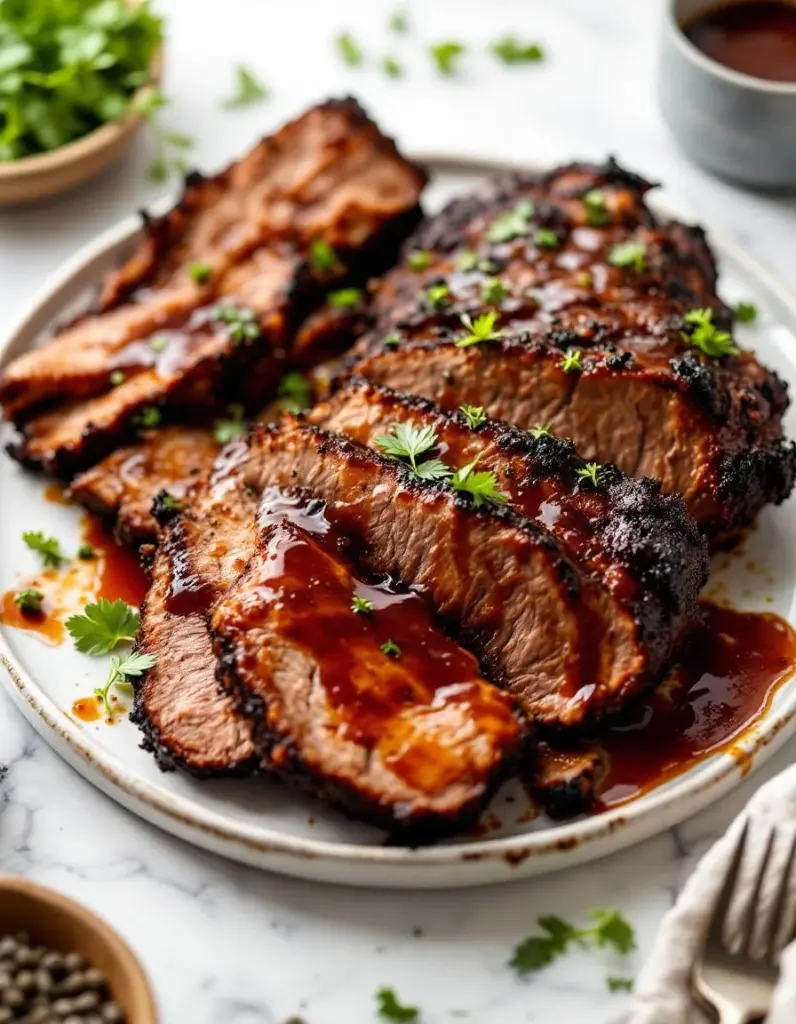
Getting this brisket from the fridge to the smoker involves a lot of prep mess—rub everywhere, trimming fat, and a good rub coating that sticks stubbornly. You’ll be scraping your hands and cursing the stubborn bits of fat that won’t trim cleanly.
Once it’s on the smoker, you’ll be watching that thick, heavy piece of meat slowly smoke, the smell filling the air and the bark beginning to crackle and form a dark, textured crust that you’ll want to peel with your fingers. It’s a patience game, waiting for that internal temp to hit just right, while the smoke does its thing.
The crackle of the bark as you lift the brisket from the smoker, each tug revealing that perfect, smoky crust.
Essential Ingredients for Smoked Brisket
- Brisket: I lean into a well-trimmed, fat cap on top—helps keep it moist, and the fat melts into the meat, creating that oozy, smoky interior. Skip trimming too close—this isn’t a lean cut, it needs that fat for flavor.
- Dry rub: I use a coarse mix of salt, pepper, paprika, and a touch of cayenne—gives that smoky crust some punch. Adjust the salt if you’re watching your sodium, but don’t skip the pepper; it’s the backbone of flavor.
- Wood chips: Hickory or oak—smoke that crackles with a deep, smoky aroma. Soak them first if you want a slower burn, or go dry for a quicker, more intense smoke. Either way, they should be in the smoker for hours.
- Binder: Mustard or olive oil—spread a thin layer before the rub, helps it stick and forms a better crust. Skip the binder if you want a more rustic, less tacky bark that crunches better.
- Water pan: Keeps humidity in check in the smoker, prevents the brisket from drying out. Fill it with hot water or apple juice—whatever adds a subtle sweetness and keeps that bark shiny and tender.
- Internal thermometer: Crucial—don’t guess. Keep an eye on that thickest part of the meat, aiming for 195-205°F. It’s the difference between a tender pull-apart and a tough chew.
- Aluminum foil: I wrap it after about 4-5 hours, to lock moisture and mellow the bark. Skip it if you want a super crispy crust, but be ready for a dryer finish.
Smoked Brisket
Ingredients
Equipment
Method
- Pat the brisket dry and spread a thin layer of mustard or olive oil all over the surface, which helps the rub adhere evenly.
- Mix the coarse salt, black pepper, paprika, and cayenne pepper in a bowl to create your dry rub.
- Generously apply the dry rub all over the brisket, pressing it into the meat so it sticks well and forms an even coating.
- Preheat your smoker to a steady 225°F and add soaked wood chips to generate smoke.
- Place the brisket fat-side up on the smoker grates, and insert a meat thermometer into the thickest part of the meat.
- Maintain a steady temperature by adjusting vents and adding more wood chips as needed, and smoke the brisket for about 4-5 hours or until the bark is dark and crackly.
- Wrap the brisket tightly in aluminum foil or butcher paper once the bark has formed to retain moisture and continue smoking until the internal temperature reaches 195-205°F, which takes about 3-4 more hours.
- Remove the brisket from the smoker and let it rest, wrapped, for at least 30 minutes to allow juices to redistribute.
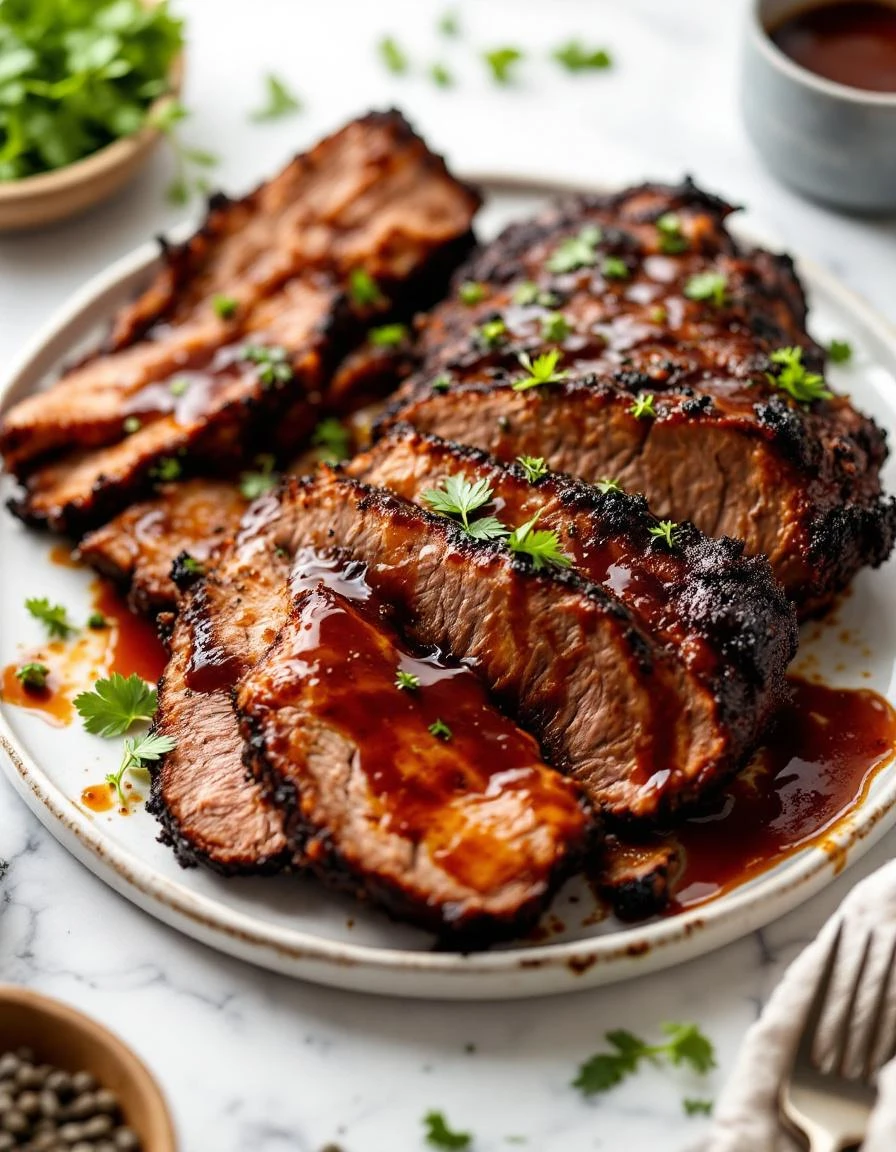
- Unwrap the brisket, then slice against the grain with a sharp knife, revealing tender, smoky slices with a flavorful crust.
- Serve the brisket hot, with the smoky crust and juicy interior, and enjoy the rich flavors of this slow-cooked masterpiece.
Common Mistakes and How to Fix Them
- FORGOT to check the smoker temperature? Use a reliable thermometer to prevent overcooking.
- DUMPED the rub unevenly? Apply it in a thick, even layer for consistent flavor.
- OVER-TORCHED the bark early? Lower the heat and add moisture to prevent burning.
- FORGOT to rest the brisket? Let it sit for at least 30 minutes to redistribute juices.
Make-Ahead and Storage Tips
- You can prep the brisket rub and season it a day before—keeps the flavors deep and the process less frantic day of.
- Wrap the smoked brisket tightly in foil or plastic wrap, then refrigerate for up to 3 days, or freeze for 1-2 months for longer storage.
- Flavor tends to mellow and deepen as it sits—consider a quick reheat or serving at room temperature for optimal taste.
- Reheat in a low oven (around 250°F), covered with foil—check for warm, juicy meat with a smoky aroma, not dried out or burnt.
- Slice just before serving—reheating sliced brisket can cause it to dry out faster, so consider reheating whole if possible.
FAQs
1. How do I slice the brisket properly?
Use a good, sharp knife to slice the brisket against the grain. It helps break down the tough fibers, making each bite tender and juicy, with that smoky, salty flavor lingering.
2. What’s the right internal temperature?
Aim for an internal temp around 200°F. Use a meat thermometer to check, and listen for that gentle resistance—like a soft tug, not a firm chew.
3. Why rest the brisket?
Let the brisket rest wrapped in foil for at least 30 minutes after smoking. It lets the juices settle, so the meat stays moist and flavorful when you cut into it.
4. How do I reheat cooked brisket?
Reheat slices slowly in a covered dish at 250°F. It preserves the smoky aroma and keeps the meat juicy, without drying out that crust.
5. How long can I store smoked brisket?
Store leftovers in airtight containers in the fridge for up to 3 days or freeze for 1-2 months. Reheat with a splash of broth to revive that smoky, tender texture.

Hi, I’m Anjali Arora — the curious heart behind Feast Chase.
To be honest, I’ve always felt most at ease in my own company. I’m not exactly a people-person (small talk still makes me cringe), but there are two things I’ve always loved deeply: animals and food.