 Anjali Arora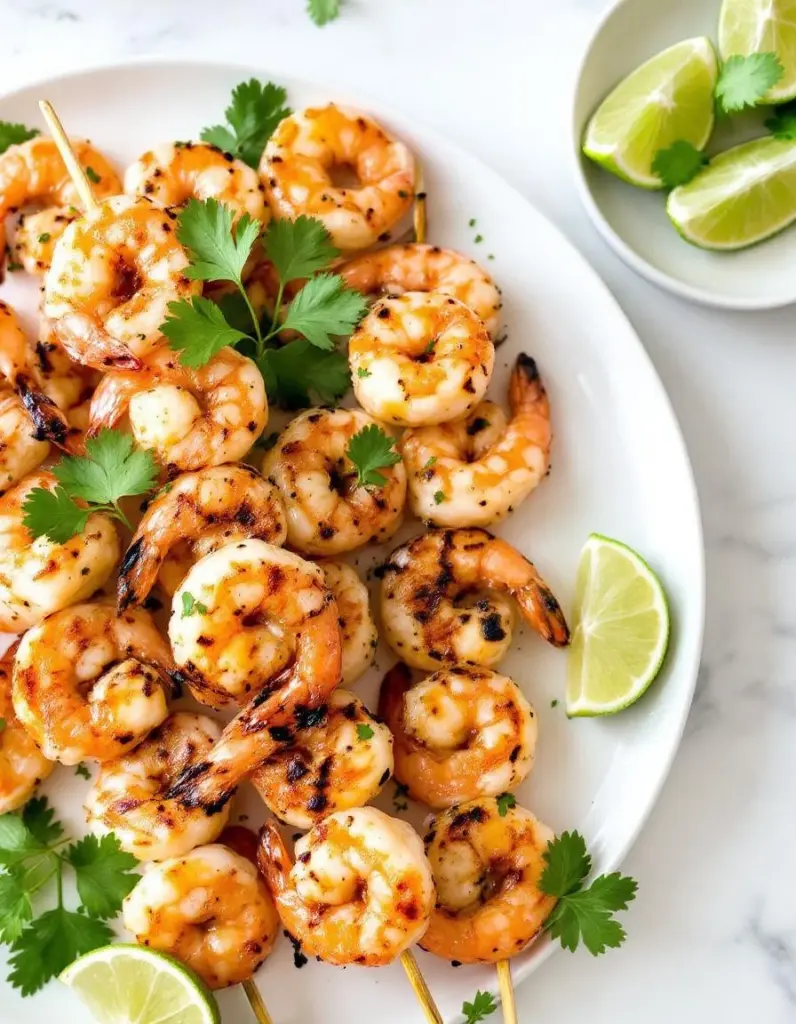
Chopping the lime and honey can be a mess—sticky juice everywhere, drippy dribble down your hands. Marinating the shrimp right in that sticky mixture means you get your fingers coated and a little sticky residue on the counter.
Threading the shrimp onto skewers is a tug-of-war—sometimes they slip, sometimes they stick. Grilling over high heat gives a quick sizzle, the smell of char and citrus filling the air, right as you flip them for those perfect grill marks.
The tactile feel of the shrimp slipping onto the skewers, the slight resistance as you push them through, and the satisfying snap when they’re grilled—every step is about that honest, gritty connection between hand and food.
What goes into this dish
- Shrimp: I always pick deveined, tail-on shrimp—easy to handle and gives a nice grip when threading. If you skip deveining, just give them a quick rinse; the shells add flavor on the grill, but peel if you prefer less fuss.
- Honey: Use good-quality, floral honey—it’s the sticky, sweet glue that balances the tart lime. If you only have syrup, dilute it slightly to mimic that thick, pourable texture and avoid burning on the grill.
- Lime: Fresh lime juice is essential—bright, zesty, and slightly tart. If limes are hard or dry, squeeze extra to get that punch, or swap in lemon for a slightly different citrus kick.
- Garlic: Minced fresh garlic adds pungency and depth. Dried garlic powder works in a pinch but won’t give that fresh, aromatic burst you really want in the marinade.
- Red Pepper Flakes: A pinch for heat—adds a smoky warmth that wakes up the sweet and sour. Skip if you prefer milder flavors or want to keep it kid-friendly, but don’t skip the garlic!
- Olive Oil: A splash helps the marinade cling and prevents sticking. If you don’t have olive oil, any neutral oil like vegetable or canola will do, just avoid butter which burns easily.
- Skewers: Wooden skewers need soaking to prevent burning—so do that for at least 30 minutes. Metal skewers are fuss-free but can get hot; handle with tongs, especially after flipping.
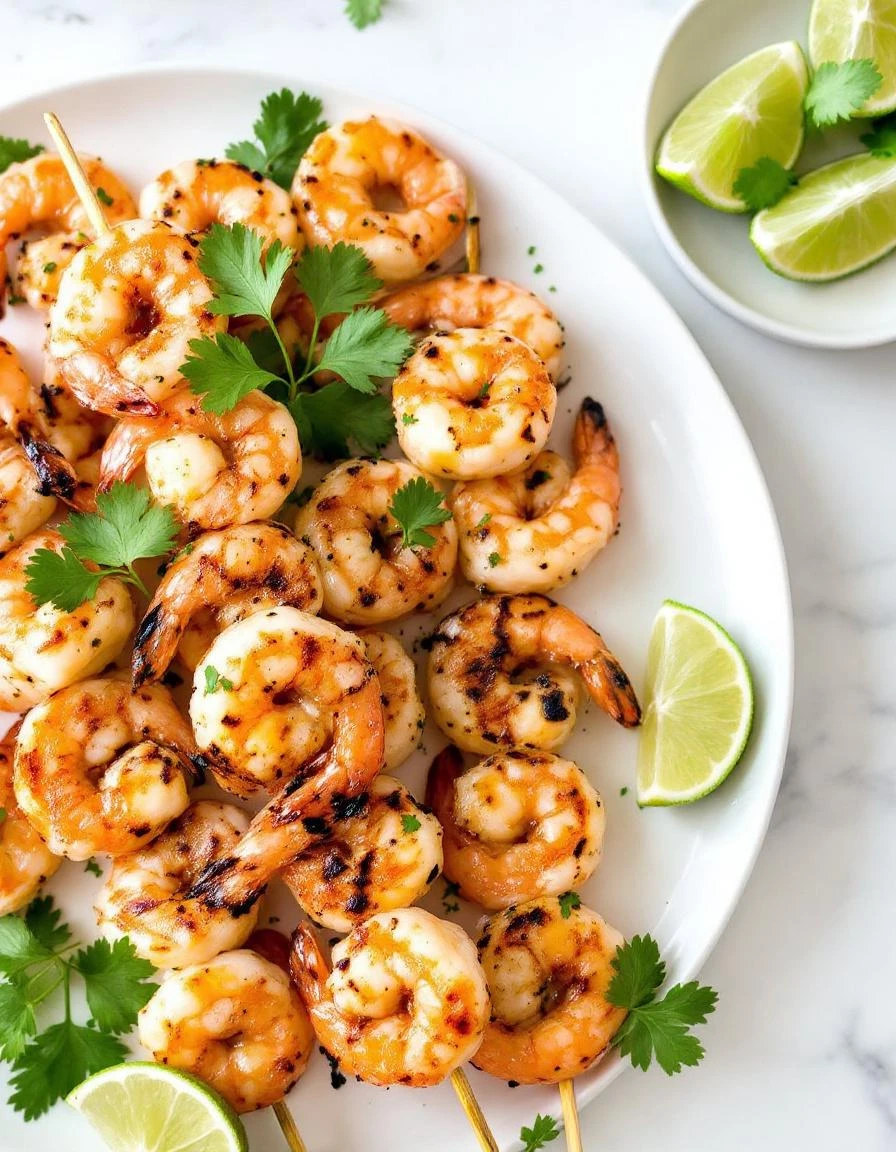
Grilled Honey-Lime Shrimp Skewers
Ingredients
Equipment
Method
- Combine honey, fresh lime juice, minced garlic, red pepper flakes, and olive oil in a bowl, whisking until smooth. This creates a vibrant marinade with a balance of sweet, tart, and spicy notes.
- Add the shrimp to the marinade, tossing gently to coat each piece thoroughly. Cover and refrigerate for at least 20 minutes to let the flavors infuse and the shrimp become tender.
- Preheat your grill or grill pan over high heat until hot, with a slight smoky aroma and the surface shimmering.
- Thread the marinated shrimp onto the soaked skewers, piercing through the thickest part to keep them secure. Arrange them with space in between to ensure even cooking.
- Place the skewers on the hot grill, hearing a sizzle as the marinade hits the grates. Cook for about 2-3 minutes per side, flipping with tongs until the shrimp turn pink, opaque, and develop light char marks.
- Remove the skewers from the grill once the shrimp are evenly cooked and slightly charred around the edges. Let them rest for a minute to settle the juices.
- Serve the skewers hot, garnished with a squeeze of fresh lime if desired, along with your favorite side dishes. Enjoy the tender, smoky shrimp with a bright citrus glaze that’s bursting with flavor.
Common mistakes and how to fix them
- FORGOT to soak wooden skewers: Soak at least 30 minutes to prevent burning.
- DUMPED marinade too early: Marinate at least 20 minutes for flavor penetration.
- OVER-TORCHED shrimp: Grill over medium-high heat, turn frequently, remove when pink and opaque.
- MISSED seasoning balance: Taste marinade before skewering, adjust lime or honey to your liking.
Make-Ahead and Storage Tips
- Marinate the shrimp in honey-lime mixture up to 2 hours ahead. Keep refrigerated for freshness and flavor infusion.
- Soak wooden skewers for at least 30 minutes before threading shrimp to prevent burning on the grill.
- Shrimp can be frozen in marinade for up to 1 month; thaw overnight in the fridge before grilling.
- The flavors mellow and deepen if marinated overnight, but the shrimp should be cooked soon after marinating to keep texture firm.
- Reheat leftovers gently in a skillet over low heat, watching for overcooking and rubbery texture; serve with a squeeze of lime to freshen.
FAQs
1. How do I know when shrimp are cooked?
Shrimp should turn a bright pink with a slight char on the edges. It’s that firm, opaque look that signals it’s done, not overcooked and rubbery.
2. How long should I marinate the shrimp?
Marinating for at least 20 minutes lets the citrus and honey seep in, giving each bite a juicy, tangy punch. Longer helps, but don’t go over 2 hours or they may get mushy.
3. Can I substitute lemon for lime?
Use fresh lime juice for that zesty, bright aroma. If limes are dull or dry, squeeze extra or add a splash of lemon for more punch.
4. Do I need to soak wooden skewers?
Soak wooden skewers in water for 30 minutes before threading. That prevents them from catching fire and turning your grill into a smoky mess.
5. How should I reheat the skewers?
Reheat leftovers gently in a skillet on low, just until warm. The shrimp will firm up and the honey-lime glaze will slightly caramelize, intensifying the flavor.

Hi, I’m Anjali Arora — the curious heart behind Feast Chase.
To be honest, I’ve always felt most at ease in my own company. I’m not exactly a people-person (small talk still makes me cringe), but there are two things I’ve always loved deeply: animals and food.