 Anjali Arora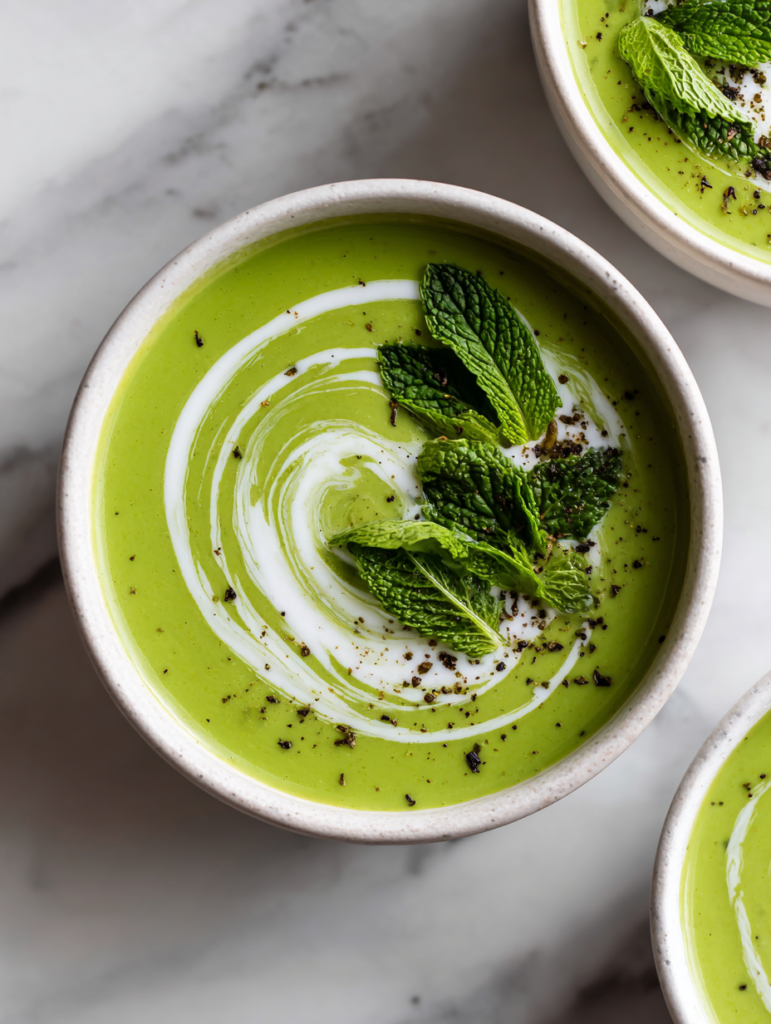
There’s something about spring’s first fresh peas that makes me stop and appreciate simple ingredients. This soup is my way of capturing that fleeting burst of sweetness—bright, pure, and straightforward. No fuss, just a little bit of patience and a lot of tasting along the way.
I love how vulnerable yet vibrant this soup feels. Blending those tiny, tender peas brings out a silky texture and a vibrant green color that practically sings spring. It’s the kind of dish that feels like a quiet celebration of the season’s best produce, made with humble ingredients and a gentle touch.
Whenever I make this, I remember childhood picnics and lazy afternoons in the garden. It’s a reminder that sometimes, the simplest ingredients—when treated right—can become something truly special. A little salt, a splash of lemon, and a warm bowl—that’s all it takes.
Focusing on the overlooked freshness of young peas, this soup emphasizes their delicate sweetness and vibrant color, making it a celebration of peak spring produce with minimal fuss.
The story behind this recipe
- This soup came about one rainy spring afternoon when I had a handful of fresh peas and a craving for something quick, bright, and honest. I remember peeling those tiny pods and thinking how fleeting this peak season really is, so I wanted to capture that sweetness in a simple way. It’s the kind of dish that feels like a little secret—delicate, fresh, and a bit nostalgic.
- Making this soup reminds me of my grandmother’s garden, where she’d toss handfuls of peas into everything—soups, salads, just snacking straight from the pod. It’s a nod to those lazy, sun-drenched days, when the simplest ingredients shine best. I love how it’s so forgiving—blend, season, taste—and suddenly, you’ve turned humble peas into something special.
- heading
- story_type
Ingredient breakdown: key components
- Fresh peas: I love the bright, sweet aroma of just-picked peas that practically leap out of their shells. Skip the frozen variety if you can, because nothing beats that fleeting, tender freshness.
- Vegetable broth: I prefer homemade or a good-quality store-bought version because it adds depth without overpowering the peas’ delicate sweetness. Use low-sodium so you can control the saltiness.
- Onion: I use a yellow onion, sautéed until translucent. It adds a gentle sweetness and a savory backbone that makes the soup feel cozy. Don’t rush the sauté—let it soften and turn a little golden.
- Lemon juice: A splash of bright lemon lifts the entire dish, making it burst with freshness. Adjust to taste, especially if your peas are super sweet or if you want a more subtle brightness.
- Cream or dairy: I often swirl in a little sour cream or a splash of cream, which gives the soup a silky texture and rounds out the flavor. For a dairy-free version, a drizzle of good olive oil works well—just be sure to add at the end.
- Salt & pepper: I keep it simple—season gradually and taste often. Freshly cracked black pepper adds a mild heat and complexity that complements the peas’ sweetness.
- Optional herbs: A few mint leaves or fresh tarragon can add a surprising herbal lift. I add these just before serving to keep their vibrant flavor and aroma intact.
Spotlight on key ingredients
Fresh peas:
- I love the bright, sweet aroma of just-picked peas that practically leap out of their shells. Skip the frozen variety if you can, because nothing beats that fleeting, tender freshness.
- Vegetable broth: I prefer homemade or a good-quality store-bought version because it adds depth without overpowering the peas’ delicate sweetness. Use low-sodium so you can control the saltiness.
- Lemon juice: A splash of bright lemon lifts the entire dish, making it burst with freshness. Adjust to taste, especially if your peas are super sweet or if you want a more subtle brightness.
Onion:
- I use a yellow onion, sautéed until translucent. It adds a gentle sweetness and a savory backbone that makes the soup feel cozy. Don’t rush the sauté—let it soften and turn a little golden.
- Cream or dairy: I often swirl in a little sour cream or a splash of cream, which gives the soup a silky texture and rounds out the flavor. For a dairy-free version, a drizzle of good olive oil works well—just be sure to add at the end.
Notes for ingredient swaps
- Dairy-Free: Swap cream or sour cream for coconut milk or a swirl of good olive oil for richness, though it will alter the creaminess slightly.
- Vegetable Broth: Use water with a splash of soy sauce or miso paste if you’re out of broth—adds umami without overpowering the peas’ sweetness.
- Fresh Peas: Frozen peas are a fine substitute—just rinse and add directly; the flavor is slightly less vivid but still sweet and bright.
- Lemon Juice: Lime juice can replace lemon for a slightly different citrus brightness—more floral and slightly less tart.
- Herbs: Swap mint for basil or chives to change the herbal note—each adds a different fresh, vibrant twist.
- Onion: Shallots or leeks can be used instead, offering a milder, sweeter onion flavor that melds softly into the soup.
- Oil or Butter: Use avocado oil or a neutral vegetable oil if you need a flavor-neutral fat that still helps sauté without altering the overall taste.
Equipment & Tools
- Medium pot: For cooking the peas and flavoring ingredients
- Immersion blender or regular blender: To purée the soup smoothly
- Ladle: For serving the soup
- Knife and chopping board: For prepping the onion
Step-by-step guide to pea soup
- Gather your equipment: a medium pot (for cooking), an immersion blender or regular blender (for blending), a ladle (for serving), and a knife and chopping board (for prep).
- Heat the pot over medium heat (about 160°C / 320°F). Add a tablespoon of olive oil or butter. When shimmering, toss in one chopped small onion. Sauté for 5-7 minutes until translucent and fragrant, stirring occasionally.
- Add 2 cups of fresh peas (about 1/2 pound). Stir and cook for 2 minutes until they start to release their sweet aroma. If using frozen peas, add directly after rinsing.
- Pour in 3 cups of vegetable broth or homemade stock. Bring to a gentle simmer. Cover loosely and cook for 8-10 minutes, until peas are tender and the color is vibrant green.
- Taste the broth. If it needs more salt, add a pinch. For a subtle smoky note, a tiny dash of smoked paprika can work—add at this stage if desired.
- Remove from heat. Use an immersion blender to purée the soup directly in the pot until silky smooth. Or, transfer in batches to a blender, blending until smooth. Be cautious of hot splashes.
- Stir in a squeeze of fresh lemon juice—start with half a lemon’s worth. Taste and adjust for brightness. Optionally, swirl in a tablespoon of sour cream or a drizzle of good olive oil for richness.
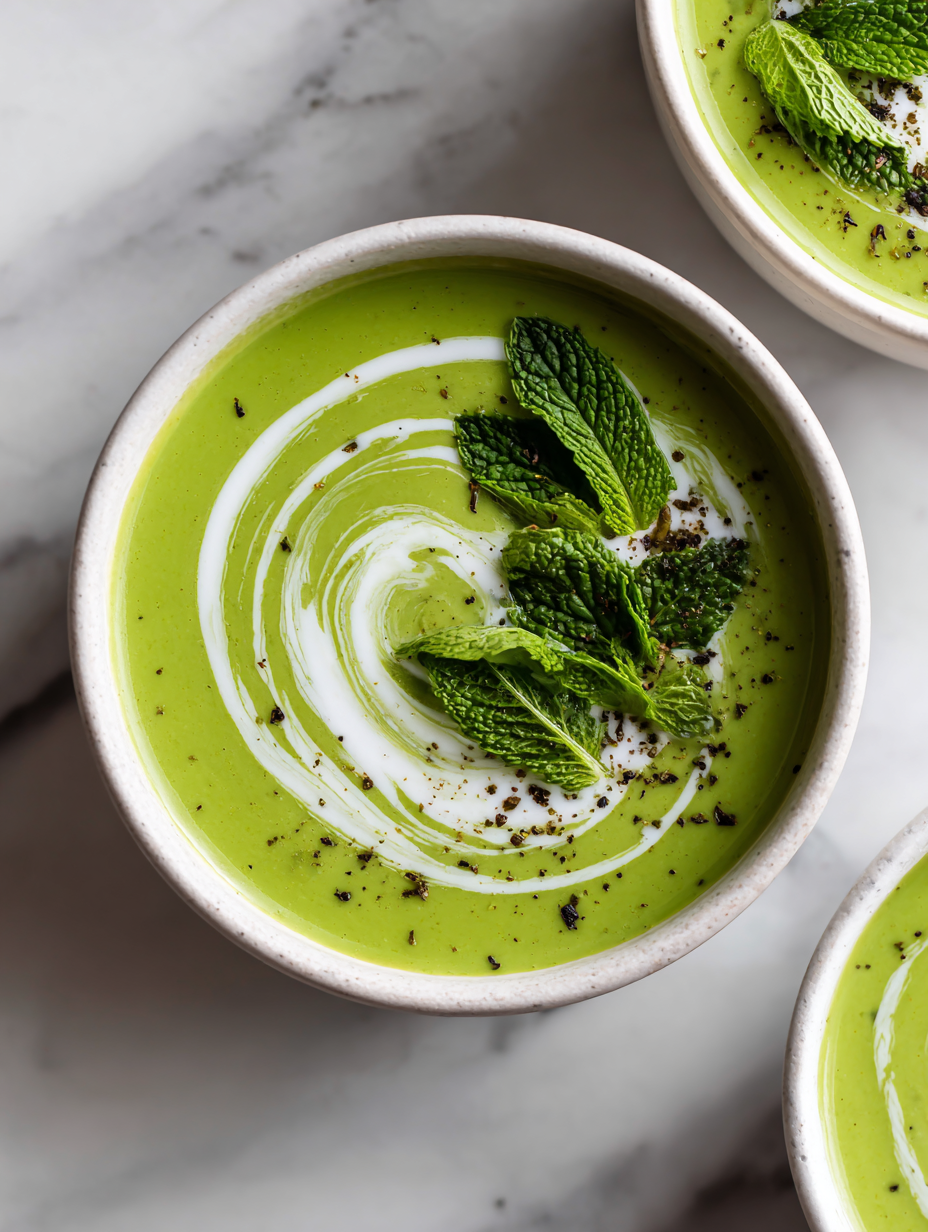
- Let the soup rest for 2 minutes to settle. Ladle into bowls, garnish with a few fresh mint leaves or tarragon if you like. Serve hot, with crusty bread or a simple cracker.
Let the soup sit for 2 minutes after blending to allow flavors to meld. Finish with a squeeze of lemon and optional herbs. Serve warm in bowls, garnished as desired.
How to Know It’s Done
- Soup is vibrant and bright green with a silky texture after blending.
- A gentle aroma of cooked peas and onion fills the kitchen.
- Soup tastes balanced, with natural sweetness and a touch of lemon for brightness.
Spring Pea Soup
Ingredients
Equipment
Method
- Heat a medium pot over medium heat and add the olive oil. Once shimmering, add the diced onion and sauté for 5-7 minutes until translucent and fragrant, stirring occasionally.
- Add the fresh peas to the pot and cook for 2 minutes, allowing their aroma to deepen and their color to brighten.
- Pour in the vegetable broth and bring the mixture to a gentle simmer. Cover loosely and cook for 8-10 minutes, until the peas are tender and the soup is vibrant green.
- Remove the pot from heat and use an immersion blender to purée the soup until smooth and silky, or carefully transfer to a blender in batches and blend until creamy.
- Stir in fresh lemon juice, starting with half a lemon, and taste. Adjust salt and pepper as needed, and add more lemon for brightness if desired.
- Ladle the soup into bowls, garnish with chopped fresh herbs if you like, and serve immediately while warm and velvety.
Pro tips for fresh pea soup
- Use chilled peas to keep their bright color and sweetness intact.
- Sauté onions gently—avoid browning—to preserve their sweet, mellow flavor.
- Add broth gradually while blending—this gives control over the soup’s thickness.
- Finish with lemon juice just before serving to brighten the flavors and preserve freshness.
- Use an immersion blender for a smooth texture—less fuss and fewer dishes.
- Don’t overblend—leave a tiny bit of texture if you like it rustic.
- Taste and adjust seasoning at every stage—pears, salt, and acid balance make all the difference.
Common mistakes and how to fix them
- FORGOT to adjust heat → Peas can overcook quickly, keep heat moderate.
- DUMPED all broth at once → Add broth gradually for better control of texture.
- OVER-TORCHED the onions → Sauté until translucent, not browned or burnt.
- SKIPPED tasting during seasoning → Taste frequently to balance salt and acidity.
Quick fixes for pea soup
- When soup is too thick, splash in a bit of hot water or broth to loosen it.
- If soup tastes flat, add a pinch more salt or a squeeze of lemon for brightness.
- Splash a few drops of olive oil if the soup feels too dull or lacks sheen.
- Patch over overcooked peas by blending a handful of fresh ones into the soup for extra sweetness.
- Shield from over-torched onions by lowering heat and stirring constantly to prevent burning.
Prep, store, and reheat tips
- Pea prep: Shell and blanch fresh peas a day ahead, then chill in an airtight container for up to 24 hours. The bright green color stays vivid, and it saves time when cooking.
- Soup storage: Cool the blended soup quickly and store in an airtight container in the fridge for up to 2 days. The flavor mellows slightly, so taste and adjust seasoning before serving again.
- Freezing: Pour cooled soup into freezer-safe containers or bags. It keeps well for up to 2 months. Thaw in the fridge overnight for best texture and flavor.
- Reheating: Warm gently over low heat, stirring often. The scent of fresh peas and lemon should re-emerge, and the texture might be slightly creamier—adjust with a splash of broth or water if needed.
- Sensory note: The soup should smell bright and fresh when reheated, with a silky texture. Do not boil vigorously—gentle warming preserves the delicate sweetness.
Top questions about fresh pea soup
1. How can I tell if peas are fresh?
Fresh peas have a sweet, grassy aroma that intensifies when cooked, making the soup smell like spring.
2. What visual clues show peas are fresh?
Use bright green peas that are tender and plump, avoiding any with brown spots or that feel mushy.
3. Should I blanch the peas before adding to the soup?
Blanching peas briefly in boiling water enhances their sweetness and vibrant color, making the soup more vivid.
4. How do I know when peas are cooked enough?
Overcooking peas can turn them mushy and dull their flavor, so keep cooking times short and watch for tender texture.
5. When should I add lemon juice for the best flavor?
Adding lemon juice just before serving brightens the soup, highlighting the natural sweetness of the peas.
6. What should I do if my soup is too thick?
If the soup turns out too thick, stir in a little hot broth or water to loosen the texture without losing flavor.
7. Can I use frozen peas instead of fresh ones?
Using frozen peas is perfectly fine; rinse them well and add directly, though the flavor may be slightly less vibrant.
8. How can I make the soup more creamy or silky?
Adding a splash of good olive oil or a swirl of cream at the end makes the soup silky and adds richness.
9. How do I know if my seasoning is right?
Taste and adjust seasoning, especially salt and acidity, throughout the process to balance the natural sweetness of the peas.
10. When should I add herbs to maximize flavor?
Stir in fresh herbs like mint or tarragon right before serving to preserve their bright, herbal aroma.
This simple pea soup is more than just a quick meal; it’s a little celebration of spring’s fleeting bounty. The way the bright green color deepens as it cools, and the fresh sweetness lingers on the tongue, makes it worth the minimal effort. It’s honest, unpretentious, and perfect for those days when you want something nourishing and straightforward.
In the end, this soup reminds me that the best flavors often come from simple, fresh ingredients treated with care. It’s a dish that feels right now—bright, crisp, and full of life—just like the season it celebrates. Sometimes, the simplest things are exactly what you need.

Hi, I’m Anjali Arora — the curious heart behind Feast Chase.
To be honest, I’ve always felt most at ease in my own company. I’m not exactly a people-person (small talk still makes me cringe), but there are two things I’ve always loved deeply: animals and food.