 Anjali Arora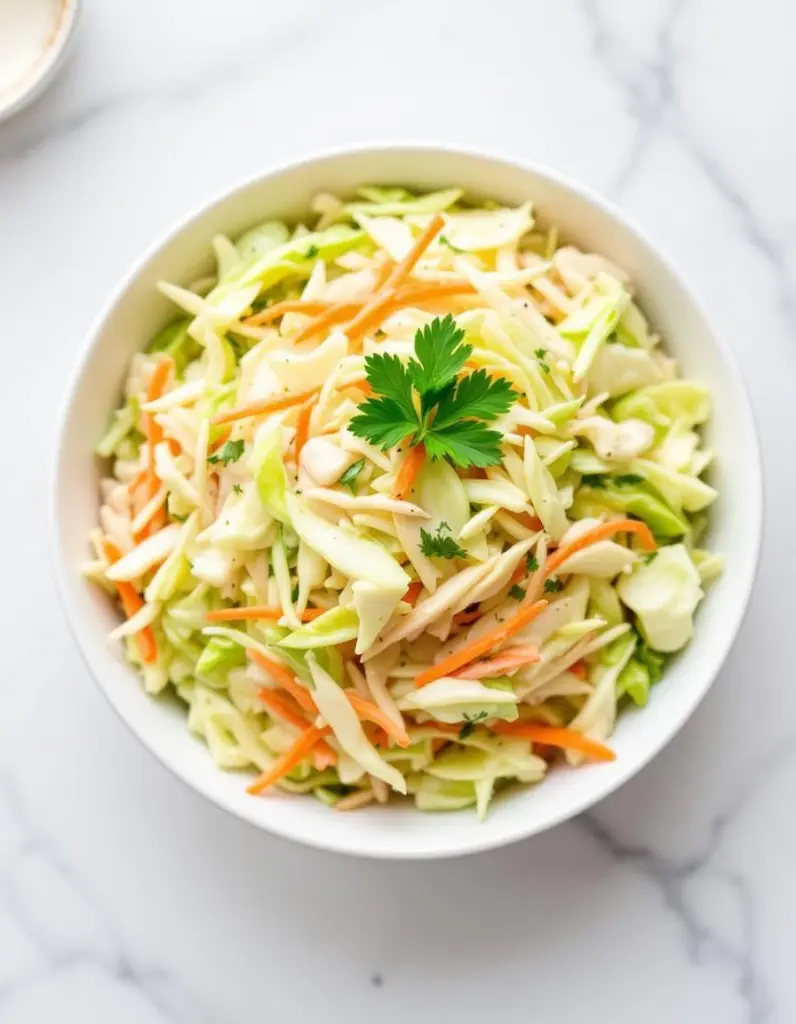
Making coleslaw involves shredding cabbage and carrots until they’re fine and slightly damp, then tossing them in a tangy dressing. It’s a messy process—clothes get speckled with radish juice, and the board can be a slippery mess. But it’s satisfying to see the pile of shredded vegetables grow, ready for the next step.
The crunch of the vegetables as you mix everything together is loud and satisfying, especially when everything is coated in that slick, creamy dressing. Eating it straight from the bowl, you feel the crispness of the cabbage give way to the creamy, vinegary tang on your tongue, a real textural contrast.
Listening to the crunch of fresh cabbage and carrots as you toss the slaw, feeling the crispness give way under your fork.
What goes into this dish
- Cabbage: I like a firm, crunchy green cabbage, shredded fine—think lots of surface area for that satisfying bite. If you want a milder flavor, swap in savoy or Napa, but skip the crispness. The crunch should snap loudly under your teeth.
- Carrots: Fresh, sweet, and bright orange—shredded into fine matchsticks. Use pre-shredded if pressed for time, but nothing beats the crisp, earthy bite of freshly grated carrots. They add a juicy, sweet contrast to the cabbage.
- Mayonnaise: The creamy base that ties everything together. If you’re out, sour cream or Greek yogurt works, but expect a tangier, less silky result. Add a splash of lemon juice to brighten it up, especially if using yogurt.
- Vinegar: Apple cider vinegar for a mellow tang, but white vinegar gives a sharper bite. Adjust to taste; more vinegar makes it zippier, while less keeps it mellow. The acidity cuts through the richness of the mayo.
- Sugar: Just a touch to balance the acidity—start small. Honey can add a more floral sweetness, or skip it altogether if you prefer a sharper tang. It’s about finding that perfect sweet-sour harmony.
- Salt & Pepper: Season generously, especially with flaky sea salt. Pepper adds a smoky depth, but a pinch of cayenne can give a subtle heat. Taste as you go—seasoning makes or breaks the crunch.
- Optional extras: Thinly sliced radishes or chopped green onion add a fresh, spicy kick. If you’re feeling adventurous, a dash of celery seed or Dijon mustard can elevate the flavor profile without overpowering.
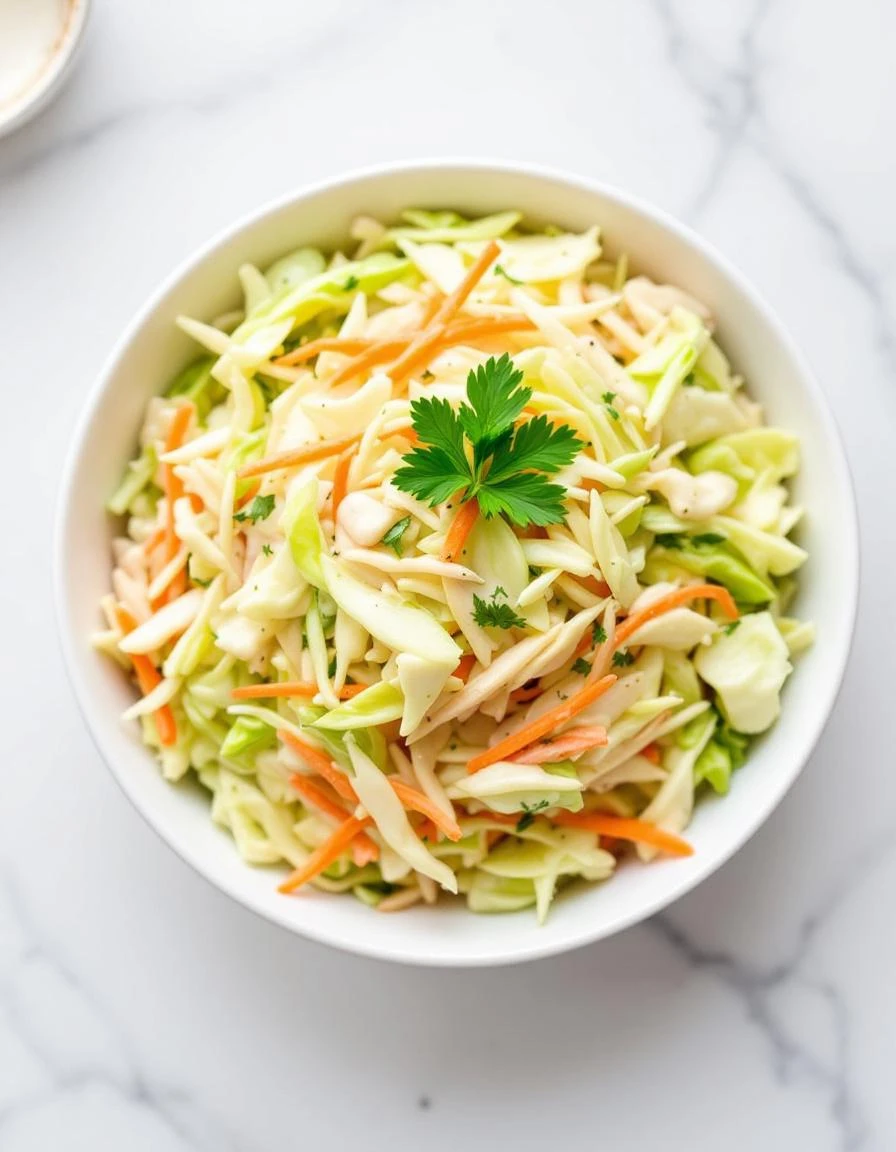
Classic Coleslaw
Ingredients
Equipment
Method
- Use a sharp chef's knife to carefully shred the green cabbage into very thin, crisp strips on a cutting board.
- Grate the carrots into fine matchstick-sized pieces, ensuring they are evenly shredded for a tender crunch.
- Place the shredded cabbage and carrots into a large mixing bowl, creating a colorful and textured base for your coleslaw.
- In a separate small bowl, whisk together the mayonnaise, apple cider vinegar, sugar, salt, and black pepper until smooth and well combined. The dressing should be slightly tangy and creamy.
- Pour the dressing over the shredded vegetables, then use a spoon or spatula to gently fold everything together, ensuring the vegetables are evenly coated with the dressing.
- Continue tossing until the mixture is glossy and the dressing is evenly distributed, with the vegetables feeling crisp and coated.
- Serve immediately for the best crunch, or refrigerate for up to an hour to allow flavors to meld. Enjoy this fresh, crunchy side dish with your favorite grilled meats or sandwiches.
Common mistakes and how to fix them
- FORGOT to taste before serving, resulting in bland coleslaw. Fix by adjusting seasoning at the end.
- DUMPED too much dressing, soggy slaw. Fix by tossing lightly and adding more vegetables if needed.
- OVER-TORCHED the cabbage in the microwave or pan, turning it slimy. Fix with quick rinsing and fresh prep.
- MISSED to season the dressing properly, making it dull. Fix by balancing acidity, sweetness, and salt.
Make-Ahead and Storage Tips
- You can shred the cabbage and carrots a day ahead; keep them in airtight containers in the fridge to maintain crunch.
- Dressing can be made a few hours in advance, but taste and adjust before mixing with vegetables to keep it fresh.
- Coleslaw will stay good in the fridge for up to 24 hours; after that, the cabbage may soften slightly, losing some crunch.
- Stir the slaw well before serving; if it’s been refrigerated overnight, the vegetables might have released some moisture, so drain if necessary.
- Refrigerated coleslaw may develop a slightly more vinegary flavor overnight; taste and adjust seasonings if needed to brighten it up.
FAQs
1. How do I choose the best cabbage for coleslaw?
Use crisp, fresh cabbage—firm to the touch, with a bright smell. Wilted or soft cabbage loses crunch and flavor. Keep it refrigerated until ready to shred for the best texture.
2. What’s the best way to shred vegetables for coleslaw?
Shred the cabbage as thin as you can—think paper-thin slices that crackle when bitten. Carrots should be grated finely, offering a juicy, sweet burst with each chew.
3. How long should I let the coleslaw sit before eating?
Stir the dressing well, then coat the shredded vegetables thoroughly. Let it sit for at least 30 minutes—this softens the crunch slightly but deepens the flavor. Refrigerate for up to a day for maximum freshness.
4. Can I make coleslaw in advance?
Yes, you can prepare the shredded vegetables a day ahead. Keep them in an airtight container in the fridge. Add the dressing just before serving to keep the crunch and freshness intact.
5. What if my coleslaw turns out soggy or bland?
If the coleslaw is too soggy, toss it with a bit more shredded cabbage or carrots to restore crunch. If it’s bland, adjust the seasoning—more vinegar, a pinch of salt, or a splash of lemon juice. Taste and tweak as you go.

Hi, I’m Anjali Arora — the curious heart behind Feast Chase.
To be honest, I’ve always felt most at ease in my own company. I’m not exactly a people-person (small talk still makes me cringe), but there are two things I’ve always loved deeply: animals and food.