 Anjali Arora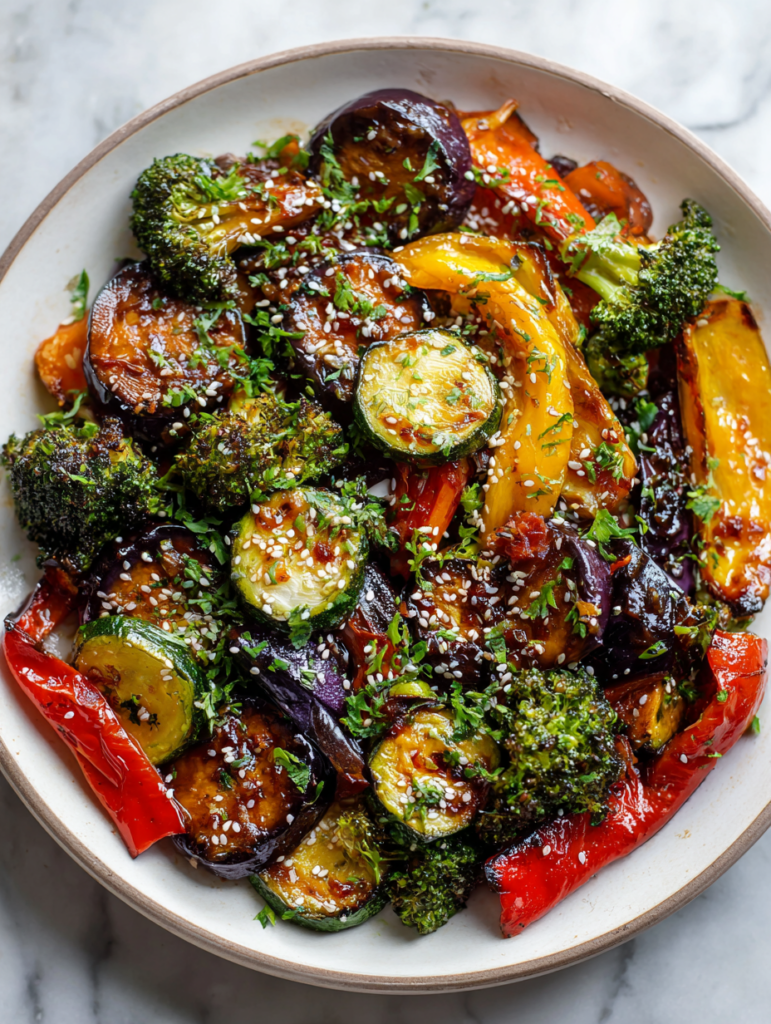
Making a vegetable stir fry that tastes deeply caramelized and smoky isn’t about fancy equipment or high heat alone. It’s about understanding how to coax out those rich, roasted flavors in a standard home kitchen without a wok or open flame. I’ve learned that patience and technique can turn everyday vegetables into something with a surprising depth of flavor.
This recipe is my go-to when I want something quick but crave that complex, almost charred edge that usually comes with grilling or high-end stir-fry setups. It’s a messy little dance—getting the vegetables just tender enough, yet still vibrant, with a smoky undertone that makes it feel special. No need for a soaring wok smoke—just a few tricks up your sleeve and some good, honest ingredients.
Focusing on how to make vegetable stir fry taste deeply caramelized and smoky, even when cooked in a standard home kitchen without a wok or open flame.
The smoky secret to home stir fry
- I used to think stir fry was just quick veggies, but discovering how to deepen the smoky flavor changed everything for me.
- There’s a strange joy in watching ordinary vegetables transform into something with roasted, caramelized edges—like a secret I finally cracked.
- Sometimes I get nostalgic, chopping peppers and broccoli with my grandma’s old knife, feeling connected over a simple, honest meal.
- I’m proud of how this recipe lets me coax out complex flavors without fancy equipment—just patience and a good pan.
- It’s chaotic in the best way—frying in bursts and tasting as I go, trusting my senses over strict timings.
The story behind this recipe
- This vegetable stir fry idea came from a trip I took to a bustling street market in Bangkok. The vendors had this incredible smoky aroma that clung to their roasted vegetables, even in the chaos of the crowd. I couldn’t get that flavor out of my head—something about the way they charred the edges, yet kept the vegetables crisp and vibrant, felt like a secret worth chasing.
- Back home, I started experimenting in my own kitchen, trying to mimic that deep, roasted flavor without a wok or a flame. Turns out, patience, high heat, and a bit of sugar can coax out those caramelized, smoky notes I’d been craving. It’s a messy, forgiving process that rewards you with a dish full of rich layers—crisp-tender veggies with a hint of char, all on a standard stovetop.
- heading: The spark behind this dish
History and Fun Facts
- The concept of stir-frying originated in China over 2,000 years ago, where cooks used a wok to quickly cook ingredients over high heat, preserving freshness and texture.
- Vegetable stir fries became popular worldwide in the 20th century, especially with the rise of Asian cuisine in Western countries, adapting traditional techniques for home kitchens.
- Many traditional stir-fry recipes emphasize the importance of high heat and quick cooking to develop that characteristic smoky, caramelized flavor, even without specialized equipment.
- In recent years, home cooks have experimented with techniques to mimic wok hei—those elusive smoky notes—using everyday pans and careful heat management.
Key ingredients and tips
- Bell peppers: I love the sweet, slightly smoky aroma they develop when charred; you can skip if you prefer milder flavor, but they’re worth the extra minute on high heat.
- Broccoli: The crisp-tender bite and vibrant green color are my markers; soak in salt water to clean thoroughly and avoid bitterness, especially if using organic.
- Carrots: Thin slices cook faster and absorb flavors better; for a more caramelized edge, toss them in a hot pan with a touch of sesame oil early on.
- Garlic and ginger: I crush and finely chop to release their oils and aroma; skip or use pre-minced if pressed for time, but fresh really boosts that punchy scent.
- Soy sauce: Adds umami and saltiness; opt for low-sodium if you want control over the salt level, and add a splash at the end to keep it bright.
- Sesame oil: Just a drizzle at the end gives that nutty, smoky depth; don’t overdo it—its flavor is strong and can overpower if used excessively.
- Oil (vegetable or canola): I use a high-smoke point oil to get that quick, hot sear; avoid extra virgin olive oil for the initial blast, as it smokes too quickly.
Spotlight on key ingredients
Bell Peppers:
- I love the sweet, slightly smoky aroma they develop when charred; you can skip if you prefer milder flavor, but they’re worth the extra minute on high heat.
- Broccoli: The crisp-tender bite and vibrant green color are my markers; soak in salt water to clean thoroughly and avoid bitterness, especially if using organic.
Garlic & Ginger:
- Garlic and ginger: I crush and finely chop to release their oils and aroma; skip or use pre-minced if pressed for time, but fresh really boosts that punchy scent.
- Sesame oil: Just a drizzle at the end gives that nutty, smoky depth; don’t overdo it—its flavor is strong and can overpower if used excessively.
Notes for ingredient swaps
- Dairy-Free: Swap soy sauce for coconut aminos—adds a subtly sweet, umami flavor without the saltiness.
- Gluten-Free: Use tamari instead of soy sauce—keeps the dish soy and gluten-free, with a richer, deeper taste.
- Vegan: Replace honey with maple syrup or agave nectar—still offers a touch of sweetness, just plant-based.
- Low-Sodium: Opt for reduced-sodium soy sauce or tamari—keeps salt levels in check without sacrificing flavor.
- Nut-Free: Omit sesame oil or substitute with a toasted sesame seed oil alternative—less nutty aroma, still warm and rich.
- Vegetable Variations: Use zucchini or snap peas instead of or alongside bell peppers—crisp, fresh, and bright in flavor.
- Oil Choices: Switch to avocado or sunflower oil—high smoke points and neutral flavors to support caramelization.
Equipment & Tools
- Large skillet or wok: High heat cooking surface to sear and stir-fry evenly.
- Spatula: Turn and toss vegetables quickly during stir-fry.
- Sharp knife: Precise, quick slicing of vegetables.
- Cutting board: Safe, stable surface for prep.
Step-by-step vegetable stir fry
- Equipment & Tools: Get a large, heavy-bottomed skillet or wok—preferably cast iron or stainless steel. Have a spatula, a sharp knife, and a cutting board ready. Keep a small bowl of water nearby for quick vegetable prep and a paper towel for wiping excess oil.
- Prep your vegetables. Slice bell peppers into strips, chop broccoli into bite-sized florets, julienne carrots, and mince garlic and ginger finely. Aim for uniform thickness so everything cooks evenly.
- Heat your pan over high heat—around 220°C (430°F). Add a tablespoon of vegetable oil, swirling to coat. Wait until it shimmers and starts to smoke slightly, then add garlic and ginger. Cook until fragrant—about 30 seconds to 1 minute. This is your aroma moment.
- Toss in the denser vegetables first—carrots and broccoli. Spread them out and let them sear for about 2 minutes without stirring too much. When they start to brown and smell sweet, stir and cook for another 2–3 minutes. They should be crisp-tender.
- Add the peppers and any quicker-cooking veggies. Stir-fry for another 2 minutes, ensuring they retain vibrant color and a slight char on edges. If veggies release too much water, turn up the heat and cook until moisture evaporates—aim for a slightly caramelized look.
- Splash soy sauce and a drizzle of sesame oil over the veggies. Toss well—this will create a shiny glaze and deepen flavors. Cook for 1 more minute so everything is well coated and heated through. If it looks dry, add a splash of water or broth and stir.
- Resting & Finishing: Turn off heat. Let the stir fry sit for a minute to settle flavors. Taste and adjust seasoning—more soy or a pinch of salt if needed. Serve immediately, straight from the pan onto plates or in bowls. Garnish with chopped scallions if you like.
- Checkpoints & How to Know It’s Done: Veggies should be crisp-tender with caramelized edges. The color is bright and slightly charred around the edges. Aromas are smoky and savory. The sauce should be glossy and cling to the vegetables.
Allow the stir fry to rest for a minute. Taste and adjust seasoning if needed. Serve hot, straight from the pan, garnished with scallions or sesame seeds if desired.
How to Know It’s Done
- Vegetables are vibrant, slightly charred on edges.
- Smell a smoky, roasted aroma from the pan.
- Veggies are crisp yet tender, not mushy.
Deeply Caramelized Smoky Vegetable Stir Fry
Ingredients
Equipment
Method
- Start by slicing your bell pepper into thin strips, julienning the carrots, and chopping the broccoli into bite-sized florets. Mince the garlic and ginger finely, so they cook quickly and release their aromatic oils.
- Heat your skillet or wok over high heat until it begins to shimmer, then add the vegetable oil. Swirl to coat the surface, and wait until it starts to lightly smoke—this is your cue that the pan is hot enough.
- Add the minced garlic and ginger to the hot oil. Sauté for about 30 seconds until fragrant, and you should notice a bubbling sound and a fragrant aroma filling the kitchen.
- Immediately add the denser vegetables—broccoli florets and julienned carrots. Spread them out in the pan and let them sear without stirring for 2 minutes until they develop a slight char and deepen in color.
- Stir the vegetables and cook for another 2–3 minutes, tossing occasionally so they brown evenly and become crisp-tender. You’ll see the vibrant colors intensify and some caramelized edges form.
- Add the sliced bell peppers and cook for another 2 minutes, allowing their edges to char slightly and their sweetness to intensify. The vegetables should look glossy and slightly smoky on the edges.
- Pour in the soy sauce and drizzle the sesame oil over the vegetables. Toss everything together quickly to coat evenly, then cook for another minute until the sauce glazes the veggies and they shimmer with flavor.
- Turn off the heat and give the stir fry a final toss. Let it rest for a minute to settle the flavors. Taste and adjust seasoning if needed, then serve hot straight from the pan, garnished with optional scallions or sesame seeds if desired.
Pro tips for perfect stir fry
- Use a wide pan to maximize surface contact and promote caramelization.
- Keep vegetables dry before adding to hot oil to prevent splattering and steaming.
- Add vegetables in order of density—harder first, softer later—to ensure even cooking.
- Toss vegetables frequently once they start to char for even browning and smoky flavor.
- Use a little sugar or honey to help vegetables caramelize and deepen smoky notes.
- Finish with a splash of sesame oil or soy sauce off heat to lock in aroma and flavor.
- Don’t overcrowd the pan—cook in batches if necessary to maintain high heat and crisp texture.
Common mistakes and how to fix them
- TOO MUCH VEGETABLES: Overcrowd the pan → cook in batches to prevent steaming.
- OIL TOO HOT: Burnt oil → lower heat slightly and add vegetables gradually.
- STIRRING TOO OFTEN: Vegetables soggy → let them sear undisturbed for better caramelization.
- SAUCES OVERDONE: Soggy texture → add soy sauce at the end, quick toss, remove from heat promptly.
Quick fixes and pantry swaps
- When vegetables release too much water, splash a tiny bit of oil and crank the heat to shimmer.
- If stir fry looks dull, add a quick splash of soy sauce for an umami boost and shine.
- Splash some water or broth if things start to burn—just a quick shimmer to cool and deglaze.
- Patch overcooked vegetables by adding a squeeze of lemon or a sprinkle of fresh herbs for brightness.
- Shield from sticking by stirring more frequently or using a slightly larger pan to give space.
Prep, store, and reheat tips
- Prep your vegetables—slice peppers, chop broccoli, and julienne carrots—up to a day ahead. Keep them airtight in the fridge to preserve freshness and crunch.
- Store prepped vegetables in a sealed container for up to 24 hours. They’ll stay crisp, though flavors may mellow slightly after sitting.
- Cooked stir fry keeps well in the fridge for about 2 days. Reheat in a hot pan, stirring quickly, until fragrant and heated through—look for a shiny, slightly crackling surface.
- Avoid freezing, as vegetables lose their texture and become mushy upon thawing. Best enjoyed fresh or within 48 hours of cooking.
Top questions about vegetable stir fry
1. Can I make this in a regular pan?
Use a large, heavy skillet or cast iron pan to get a good sear and smoky flavor. Keep the heat high and don’t overcrowd the pan.
2. Can I use different vegetables?
Yes, you can substitute other vegetables like zucchini, snap peas, or bok choy. Just keep their cooking times in mind.
3. When should I add soy sauce?
Add soy sauce at the end of cooking to keep it bright and flavorful. Be cautious with salt if using soy early.
4. My vegetables are soggy, what do I do?
If your veggies are soggy, increase heat and cook longer until they develop a slight char and lose excess moisture.
5. How do I get that smoky flavor?
Yes, stirring frequently helps develop caramelization. Let vegetables sit undisturbed for a minute to get that smoky edge.
6. How do I prevent sogginess?
Keep vegetables dry before adding to hot oil to prevent splatters and steaming, which can make them mushy.
7. Can I prep ingredients in advance?
Prepping vegetables ahead of time saves time. Store sliced veggies in airtight containers for up to 24 hours in the fridge.
8. How do I reheat without losing texture?
Reheat stir fry in a hot pan, stirring quickly for about 2 minutes. It should shimmer and crackle without becoming mushy.
9. Why does my stir fry lack flavor?
Overcrowding cools the pan and prevents caramelization. Cook in batches if needed for crisp, smoky veggies.
10. What if my veggies stick to the pan?
Use a splash of water or broth when veggies start to stick or burn, then crank the heat to shimmer and deglaze.
Cooking this vegetable stir fry is a small act of rebellion against the overly processed, bland options we often settle for. It’s about coaxing deep, smoky flavors out of simple ingredients, making everyday vegetables feel special. This dish isn’t just a meal—it’s a reminder that good, honest cooking can happen in any kitchen, no fancy equipment needed.
In the end, it’s those charred edges and caramelized bits that bring everything together—proof that patience and technique still matter. Each time I make it, I feel a little more connected to the simple joy of honest, flavorful food, even on busy nights.

Hi, I’m Anjali Arora — the curious heart behind Feast Chase.
To be honest, I’ve always felt most at ease in my own company. I’m not exactly a people-person (small talk still makes me cringe), but there are two things I’ve always loved deeply: animals and food.