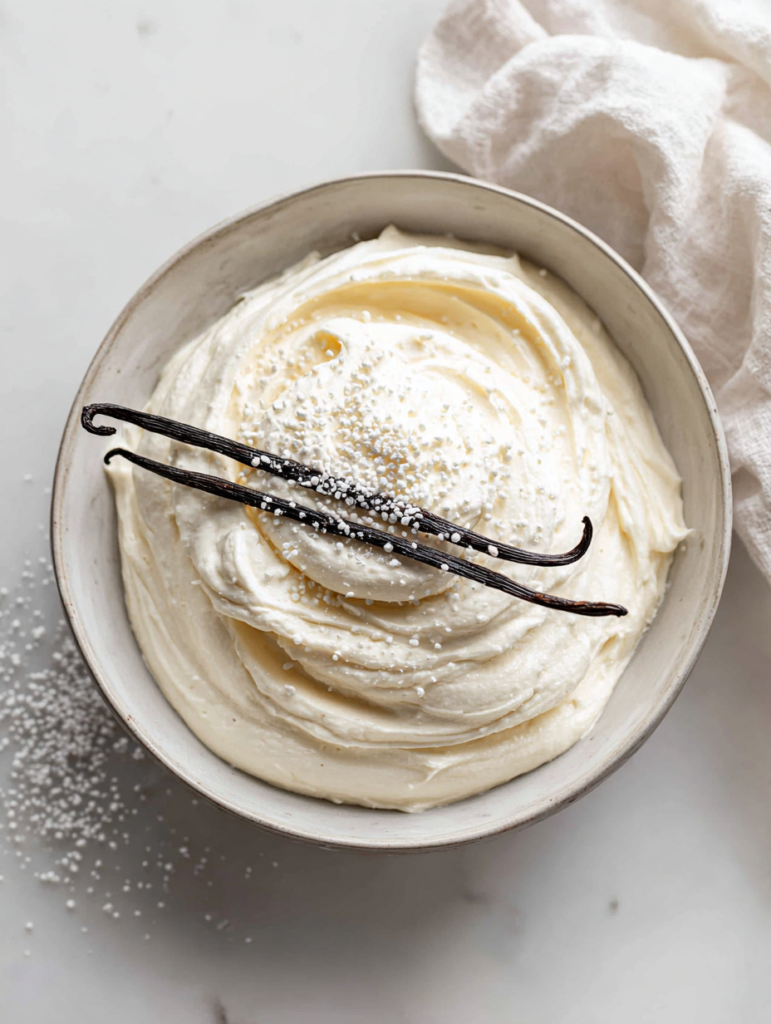
Frosting can make or break a sugar cookie, and I’ve spent years chasing that perfect finish. It’s not just about sugar and butter; it’s about the way the frosting feels when you spread or pipe it, that silky, smooth texture that catches the light just right. Achieving that consistency is a small, mindful dance—slow mixing, patience, and a little bit of intuition.
What I love most is how this frosting transforms a simple cookie into something special. It’s forgiving enough to pipe with delicate details but stable enough to hold a pretty shape without melting or sliding. When I finally got the texture just right, I realized that frosting isn’t just decoration—it’s the silent partner that elevates every sugar cookie I make.
Focusing on how the texture of the frosting can make or break the decorated sugar cookies, I’ve learned that the secret isn’t just in the ingredients but in the gentle, almost mindful mixing process. It’s about achieving that silky, not-too-thick, not-too-runny consistency that makes piping effortless and the surface smooth enough to catch every tiny sprinkles or delicate piping detail. This frosting isn’t just about sweetness; it’s about creating a canvas that elevates the cookie’s charm through texture alone.
The story behind this recipe
- I started tinkering with this frosting after a batch of cookies that looked perfect but fell flat on flavor and texture. I wanted something that felt almost like a cloud—light, sweet, but stable enough to pipe without sliding off the edges. That small experiment turned into a routine that’s become a quiet staple in my cookie decorating moments.
- One chilly afternoon, I was in a rush to finish a tray of cookies for a friend’s birthday. I remembered an old tip I’d read about adding a splash of milk for smoothness—turned out, that tiny tweak made all the difference. The frosting spread easily, had just the right sheen, and set perfectly without cracking. That day, I realized it’s about finding that balance between sweet and silky, with a touch of mindful patience.
- heading
- story_type
Ingredient breakdown
- Powdered sugar: I prefer a finely sifted, almost silky powder that dissolves smoothly, giving the frosting a velvety finish. Skip the clumps for a truly smooth surface, and consider a touch of vanilla for subtle warmth.
- Butter: I use unsalted, softened butter, feeling that rich, creamy scent as I beat it. If you want a slightly less sweet frosting, swap in a neutral oil like grapeseed—just watch the texture, it becomes silkier but less firm.
- Milk: I add just enough to loosen the mixture, aiming for a glossy, spreadable consistency. For a brighter flavor, try a splash of lemon juice or a dash of cream for extra richness and shine.
- Vanilla extract: I love the aroma of pure vanilla, which adds a warm depth. If you’re out, almond extract makes it fragrant with a different, nutty sweetness—just a tiny splash.
- Salt: I pinch a little to cut through the sweetness and enhance the vanilla’s aroma. A tiny sprinkle really brightens the overall flavor, especially if you’re using a sweeter powdered sugar.
- Cream cheese (optional): I sometimes fold in a bit for tang and extra richness, especially if I want the frosting to hold up well in warm weather. It’s a creamy, slightly tangy twist that feels indulgent.
- Food coloring: I prefer gel colors—they don’t thin out the frosting like liquids do. A little goes a long way, and it’s fun watching the shades deepen as you mix—like capturing a small rainbow in a bowl.
Spotlight on key ingredients
Powdered sugar:
- I prefer a finely sifted, almost silky powder that dissolves smoothly, giving the frosting a velvety finish. Skip the clumps for a truly smooth surface, and consider a touch of vanilla for subtle warmth.
- Butter: I use unsalted, softened butter, feeling that rich, creamy scent as I beat it. If you want a slightly less sweet frosting, swap in a neutral oil like grapeseed—just watch the texture, it becomes silkier but less firm.
Vanilla extract:
- I love the aroma of pure vanilla, which adds a warm depth. If you’re out, almond extract makes it fragrant with a different, nutty sweetness—just a tiny splash.
- Milk: I add just enough to loosen the mixture, aiming for a glossy, spreadable consistency. For a brighter flavor, try a splash of lemon juice or a dash of cream for extra richness and shine.
Notes for ingredient swaps
- Dairy-Free: Use coconut or almond butter instead of butter for a rich, plant-based alternative. The flavor shifts slightly towards nuttiness.
- Sugar Alternatives: Swap powdered sugar for a finely ground erythritol or monk fruit sweetener. Expect a different sweetness level and slightly different texture.
- Milk Variations: Replace dairy milk with almond, oat, or soy milk. Watch for minor flavor changes and adjust for desired consistency.
- Vanilla Essence: Use vanilla bean paste or a splash of bourbon vanilla extract. Each adds a unique depth and aroma to your frosting.
- Color Enhancers: Add a few drops of natural fruit or vegetable extracts—like beet for pink or matcha for green—for subtle flavor and hue.
- Texture Boost: Mix in a spoonful of Greek yogurt or cream cheese for extra tang and creaminess, especially if frosting feels too stiff.
- Flavor Twists: Incorporate a pinch of ground cinnamon, cardamom, or lemon zest into the frosting for a fragrant, unexpected twist.
Equipment & Tools
- Mixing bowl: Combine and beat ingredients smoothly.
- Spatula: Scrape down sides and fold ingredients gently.
- Electric mixer: Achieve smooth, airy frosting efficiently.
- Measuring spoons and cups: Accurate ingredient portions.
- Piping bag (optional): Decorate with precision and detail.
Step-by-step guide to frosting
- Gather all your ingredients: powdered sugar, softened butter, milk, vanilla extract, salt, and optional food coloring. Have a mixing bowl and spatula ready.
- In a large bowl, beat the softened butter on medium speed (about 150°C/300°F) for 1-2 minutes until creamy and pale. This creates a good base for smoothness.
- Gradually sift in the powdered sugar, about 1 cup at a time, mixing on low speed to prevent a cloud of sugar. Continue until fully incorporated and the mixture is fluffy, about 2-3 minutes.
- Add a pinch of salt and vanilla extract. Mix on medium for another 30 seconds. The aroma should be warm and inviting, like vanilla and sugar combined.
- Pour in 1-2 tablespoons of milk (or more if needed). Mix on low to incorporate, then increase to medium-high (around 160°C/320°F). The frosting should become glossy and silky, about 1 minute.
- If using, add a few drops of gel food coloring. Mix gently until the color is evenly distributed. Watch for a vibrant, even hue without streaks.
- Check the frosting’s consistency: it should hold its shape when piped but spread smoothly. If too stiff, add a tiny splash of milk; if too runny, add a bit more powdered sugar.
- For best results, let the frosting rest for 10 minutes to allow air bubbles to escape and flavors to meld. Cover with plastic wrap if not using immediately.
- Finish by piping onto cooled sugar cookies or spreading with an offset spatula. Use a small spatula to smooth the surface for a polished look.
- Allow the decorated cookies to set at room temperature for 20-30 minutes. The frosting should firm slightly but still be soft to the touch, with a shiny, smooth surface.
Let the frosting rest for 10 minutes to settle. Pipe or spread onto cooled cookies. Allow the frosting to set at room temperature for about 20-30 minutes before stacking or storing. The surface will be shiny and firm but still tender to bite.
How to Know It’s Done
- Frosting is silky, glossy, and holds shape when piped.
- Color is vibrant and evenly dispersed.
- Frosting is soft but set enough to avoid smudging.
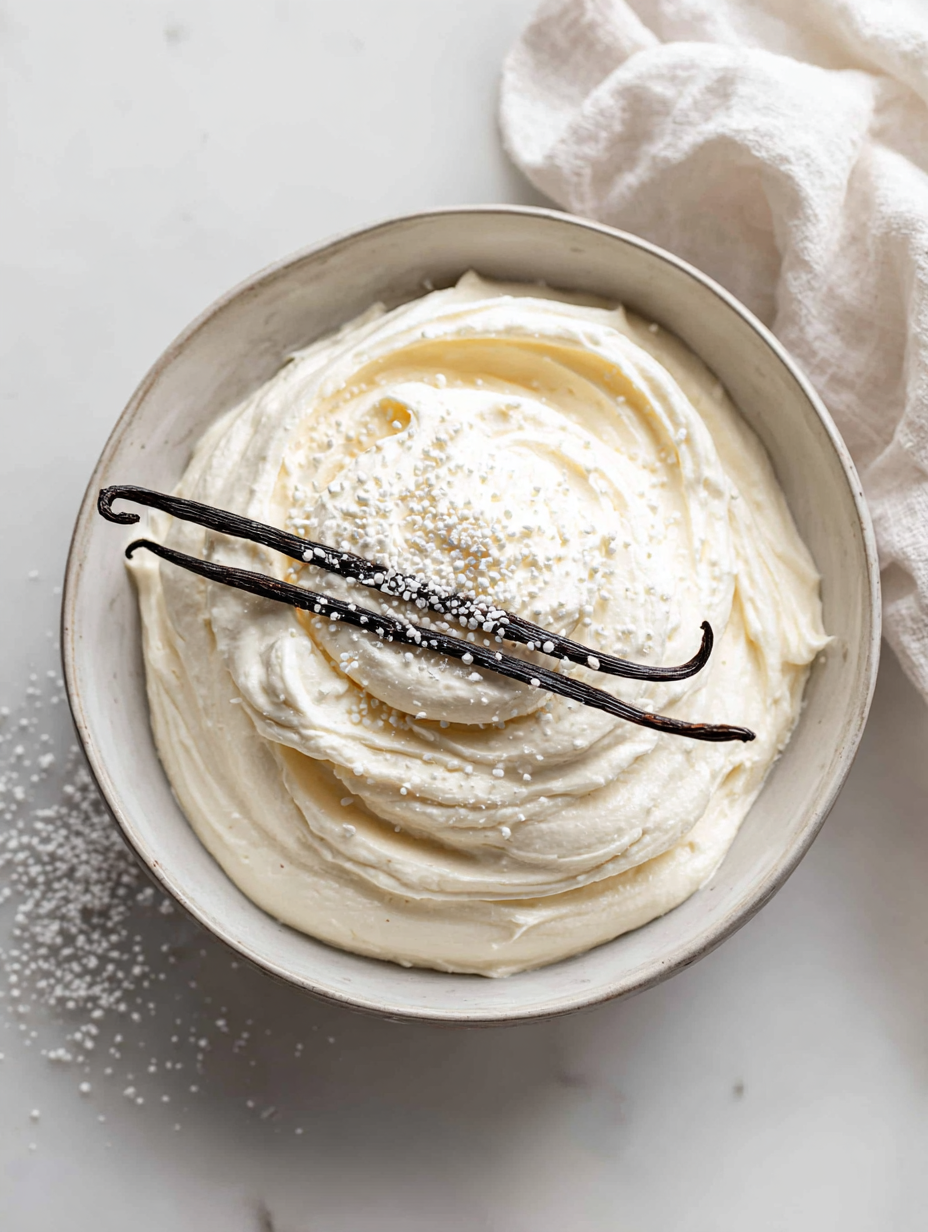
Silky Vanilla Frosting for Sugar Cookies
Ingredients
Equipment
Method
- In a large mixing bowl, beat the softened butter on medium speed for 1-2 minutes until creamy and light in color, releasing a rich, buttery aroma.
- Sift the powdered sugar to remove any lumps, then gradually add it to the butter, about 1 cup at a time, mixing on low speed to prevent a cloud of sugar from forming. Continue until the mixture is smooth and fluffy, about 2-3 minutes.
- Add a pinch of salt and the vanilla extract, then mix on medium speed for 30 seconds until combined and fragrant.
- Pour in 1-2 tablespoons of milk, then beat on low speed to incorporate, gradually increasing to medium-high. The frosting will begin to turn glossy and silky, feeling smooth and slightly thickened, about 1 minute.
- If desired, add a few drops of gel food coloring and gently mix until the color is evenly distributed, watching for a vibrant, uniform hue.
- Check the frosting’s consistency: it should hold its shape when piped but spread smoothly. If it’s too stiff, add a tiny splash of milk; if too runny, sift in a little more powdered sugar and mix well.
- Let the frosting rest for 10 minutes to allow it to settle and release any air bubbles, which helps achieve a flawless finish.
- Once ready, pipe or spread the frosting onto cooled sugar cookies, using a piping bag for detailed designs or an offset spatula for smooth surfaces.
- Allow the decorated cookies to sit at room temperature for 20-30 minutes, letting the frosting set with a shiny, velvety finish before stacking or serving.
Tips and tricks for perfect frosting
- Bolded mini-head: Use room temperature ingredients for a smoother, more stable frosting that pipes beautifully.
- Bolded mini-head: Gradually add milk until the frosting just reaches a silky, spreadable consistency—don’t overdo it.
- Bolded mini-head: Mix on low speed first to prevent powdered sugar clouds, then increase to build airy smoothness.
- Bolded mini-head: For vibrant colors, use gel food coloring—less liquid means better consistency and brighter shades.
- Bolded mini-head: If frosting is too soft for piping, refrigerate for 10 minutes to firm up without losing shine.
- Bolded mini-head: To avoid lumps, sift powdered sugar thoroughly and add in small increments while mixing.
- Bolded mini-head: For a glossy finish, finish mixing just before the frosting reaches a silky, shiny appearance.
Common mistakes and how to fix them
- FORGOT to sift powdered sugar → Use sifted sugar for smooth frosting.
- DUMPED in all ingredients at once → Add ingredients gradually for better control.
- OVER-TORCHED the butter → Use softened, not melted, butter for silky texture.
- UNDERSCORED the frosting → Increase mixing time if frosting feels grainy or stiff.
Quick fixes and pantry swaps
- When frosting is grainy, splash in a tiny bit more milk and beat until silky.
- If frosting is too runny, dump in a little powdered sugar and mix well.
- Splash a few drops of vanilla to fix dull flavor and add shine.
- Patch cracked frosting with a small amount of warm water and stir gently.
- Shield frosting with plastic wrap if it shimmers or develops a skin, to keep moisture in.
Prep, store, and reheat tips
- Frosting can be made a day in advance; store covered in the fridge to keep it fresh and prevent drying out. The texture stays smooth and glossy, just give it a quick stir before using.
- For longer storage, freeze the frosting in an airtight container for up to 2 weeks. Thaw in the fridge overnight, then rewhip briefly to restore silky texture.
- Refrigerated frosting may develop a slightly thicker consistency; warm it gently at room temperature and stir until smooth. The flavor remains sweet and vanilla-rich, with a soft sheen.
- If the frosting becomes too stiff after refrigeration, mix in a tiny splash of milk or cream to loosen it up. It should feel soft but still hold its shape when piped.
- Avoid leaving frosting at room temperature for more than 2 hours, especially in warm or humid conditions, as it can become too soft or develop a skin. Rewhip if needed for a smooth finish.
Top questions about sugar cookie frosting
1. How do I know when the frosting is the right consistency?
Aim for a silky, smooth texture that’s firm enough to pipe but soft enough to spread easily. If it’s grainy, sift your powdered sugar better or mix longer.
2. What should the texture feel like?
Frosting should hold its shape when piped but still be soft enough to spread smoothly. It shouldn’t be runny or stiff.
3. How can I fix runny or stiff frosting?
If your frosting is too runny, add more powdered sugar, a little at a time. If it’s too stiff, mix in a splash of milk or cream.
4. What’s the best way to color the frosting?
Use gel food coloring for vibrant, even colors without thinning out your frosting. Liquid colors can make it too loose.
5. How long can I keep frosting ahead?
Store frosting in an airtight container in the fridge for up to 2 days. Let it come to room temperature and re-whip before using.
6. Can I freeze sugar cookie frosting?
You can freeze frosting for up to 2 weeks. Thaw in the fridge overnight, then stir or re-whip until smooth.
7. What if my frosting cracks or separates?
If your frosting develops cracks or separates, gently warm it slightly and stir. Adding a bit more milk can help restore smoothness.
8. How do I get a shiny finish?
For the best shine, finish mixing just as the frosting looks glossy and silky. Avoid overmixing which can introduce air bubbles.
9. Why does my frosting feel lumpy?
Use softened, room temperature butter for a smooth, even frosting. Cold butter won’t incorporate as well and can cause lumps.
10. Can I flavor my frosting?
You can add a tiny splash of vanilla or almond extract to enhance flavor, but don’t add too much or it’ll thin out the frosting.
This frosting isn’t just a decoration; it’s the quiet backbone that elevates a simple sugar cookie into something memorable. Its silky texture and subtle sweetness make every bite feel special, even if it’s just for a quick treat or a busy weekend baking session.
In the end, it’s about the little details—the feel of the frosting, the shine, the ease of piping—that turn a basic recipe into a small moment of joy. No matter how many cookies I decorate, this frosting always feels like a familiar, comforting ritual.

I’m Mayank, the creator, cook, and writer behind this blog. FeastChase is not just a collection of recipes — it’s a journey through tastes, memories, and moments that bring people together at the table.