 Anjali Arora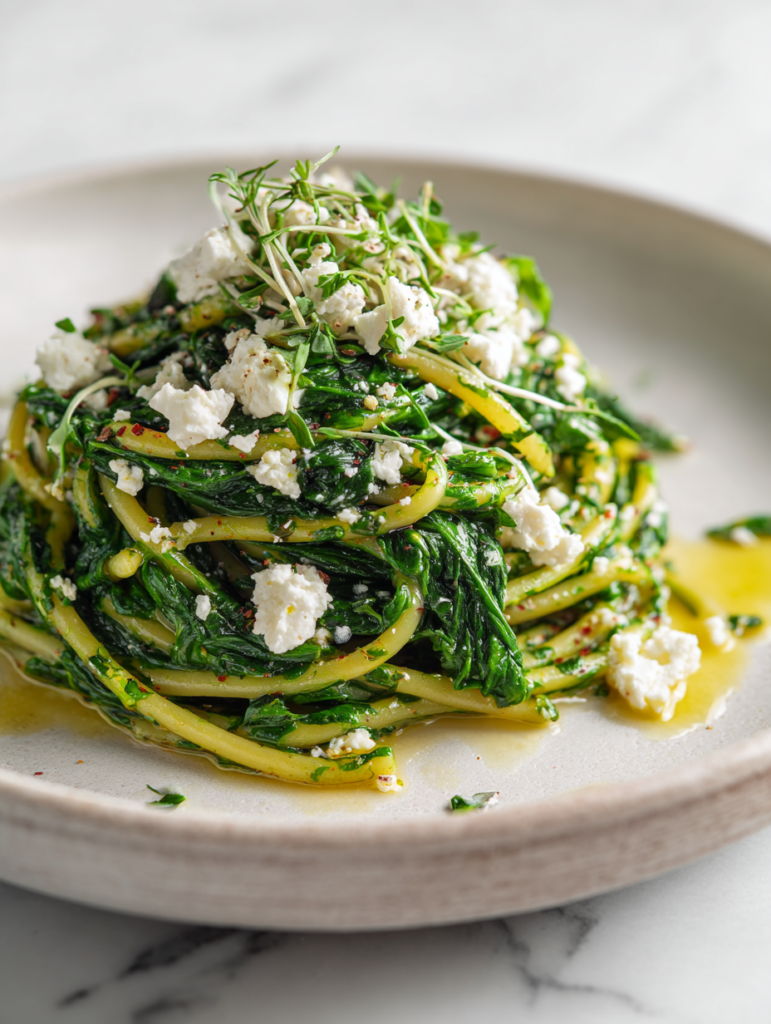
This spinach and feta pasta is my secret weapon for those nights when I need something cozy but don’t want to spend hours in the kitchen. It’s simple, honest, and somehow makes everything feel a little better—like a small act of care in the middle of chaos.
I love how the feta melts into the hot pasta, creating a creamy, tangy sauce that clings to every forkful. The spinach adds a fresh burst, and all of it comes together in under 20 minutes, which is perfect for busy weeknights or when I just want to keep things uncomplicated.
Focusing on how this spinach and feta pasta is my go-to comfort dish when I need a quick, satisfying meal that feels like a warm hug after a hectic day. It’s about the little things—creamy feta melting into tender spinach, the way the pasta clings to every bit of flavor, and how it all comes together in under 20 minutes, no fuss.
The story behind this recipe
- This recipe was born out of those frantic weekday evenings when I needed something quick, comforting, and truly satisfying. I remember rummaging through the fridge and finding a chunk of feta and a handful of spinach—the kind of ingredients that seem humble but can turn into something special with just a bit of love and a hot pan.
- The moment I first threw those ingredients together, I realized how much I missed simple dishes that come together in minutes but taste like a little celebration. It’s become my go-to for nights when I crave comfort without the fuss, a reminder that good food doesn’t need to be complicated.
- heading:
Key Ingredients and Tips
- Spinach: I use fresh baby spinach because it wilts quickly and keeps a bright, slightly bitter note. If yours is wilted or on the sad side, give it a quick rinse and a good shake before cooking.
- Feta: I love a tangy, creamy feta that melts into the pasta. If you want a milder flavor, try a feta with herbs or a softer cheese like ricotta, but don’t skip the saltiness that feta brings.
- Pasta: I prefer a sturdy shape like rigatoni or penne, which hold onto the sauce better. If you’re in a pinch, spaghetti works, but the texture can be a little more delicate.
- Garlic: I always add extra garlic because it wakes everything up with its pungent aroma. If you’re sensitive, cut down the amount, but don’t skip it—your kitchen will smell amazing.
- Lemon: I squeeze a bit of lemon juice right at the end for brightness. If you don’t have lemon, a splash of vinegar or even a bit of zest can add a similar zing.
- Olive oil: I use good-quality extra virgin olive oil for sautéing the garlic and spinach. If you only have a basic oil, just don’t use too much—it’s all about balance.
- Pepper: I finish with a generous crack of black pepper. It adds a subtle heat and depth, but if you prefer, a pinch of red pepper flakes can give it a little kick.
Spotlight on key ingredients
Spinach and Feta:
- Spinach: I use fresh baby spinach because it wilts quickly and keeps a bright, slightly bitter note. If yours is wilted or on the sad side, give it a quick rinse and a good shake before cooking.
- Feta: I love a tangy, creamy feta that melts into the pasta. If you want a milder flavor, try a feta with herbs or a softer cheese like ricotta, but don’t skip the saltiness that feta brings.
Notes for ingredient swaps
- Dairy-Free: Swap feta for a tangy almond or cashew cheese. It won’t be as salty but still creamy and satisfying.
- Vegan: Use a plant-based feta alternative or crumbled tofu with a splash of lemon for brightness.
- Gluten-Free: Choose your favorite gluten-free pasta—quinoa, rice, or legume-based—just watch cooking times and texture.
- Nut-Free: Skip any nut-based cheeses or toppings, and stick to dairy-based feta if tolerated.
- Lemon Substitute: If fresh lemon isn’t available, a splash of white wine vinegar or a dash of apple cider vinegar adds acidity.
- Spinach: Kale or arugula can work in a pinch, but will need slightly longer cooking and may alter flavor profile.
- Extra Virgin Olive Oil: Use avocado oil or a mild vegetable oil if your olive oil isn’t to your taste; the flavor will shift slightly.
Equipment & Tools
- Large deep skillet: For boiling pasta, sautéing, and tossing everything together.
- Colander: To drain the cooked pasta efficiently.
- Garlic press: Quick, even mincing of garlic without fuss.
- Wooden spoon: Gentle stirring and combining ingredients without scratching your pan.
Step-by-step guide to spinach and feta pasta
- Equipment & Tools: Bring a large, deep skillet (about 30cm or 12 inches) for tossing pasta and greens, and a colander for boiling water. A garlic press makes quick work of garlic, and a wooden spoon helps with gentle mixing.
- Boil water: Fill your pot with plenty of salted water—about 1 tbsp salt per liter. Bring to a rolling boil (100°C/212°F).
- Cook pasta: Add your pasta (say, 250g penne). Cook until just al dente—check at 10-minute mark, it should be tender but with a slight bite. Drain, reserving a cup of pasta water.
- Sauté garlic: While pasta cooks, heat 2 tbsp olive oil over medium heat (about 160°C/320°F). Add 2 minced garlic cloves. Cook until fragrant—about 30 seconds, don’t let it brown.
- Wilt spinach: Toss in 4 cups fresh baby spinach. Stir quickly; it’ll wilt in about 1 minute. If the spinach is very wet, let excess water evaporate for a few seconds.
- Combine ingredients: Lower heat, add drained pasta to the skillet. Crumble 150g feta directly over the hot pasta. Stir gently to melt feta and coat everything evenly. If sauce seems thick, add a splash of reserved pasta water (about 2 tbsp).
- Adjust seasoning: Squeeze fresh lemon juice (about 1 tbsp) over the pasta. Add freshly ground black pepper to taste. Mix again until everything is glossy and combined.
- Final touches: Taste and adjust salt if needed—remember, feta is salty. Remove from heat; the pasta should be creamy with vibrant greens.
- Rest & Serve: Transfer to plates or bowls. Let sit for a minute to settle, then serve immediately. It’s best enjoyed warm—creamy feta, wilted spinach, and garlic aroma in every bite.
Serve immediately on warm plates. Let sit for a minute to meld flavors. Finish with a drizzle of olive oil if desired, and a final crack of black pepper. Enjoy the creamy, garlicky aroma right away.
How to Know It’s Done
- Feta should be melty and slightly oozy, coating the pasta evenly.
- Spinach should be tender and vibrant green, not wilted to mush.
- Pasta should be al dente, with a slight bite when tested.
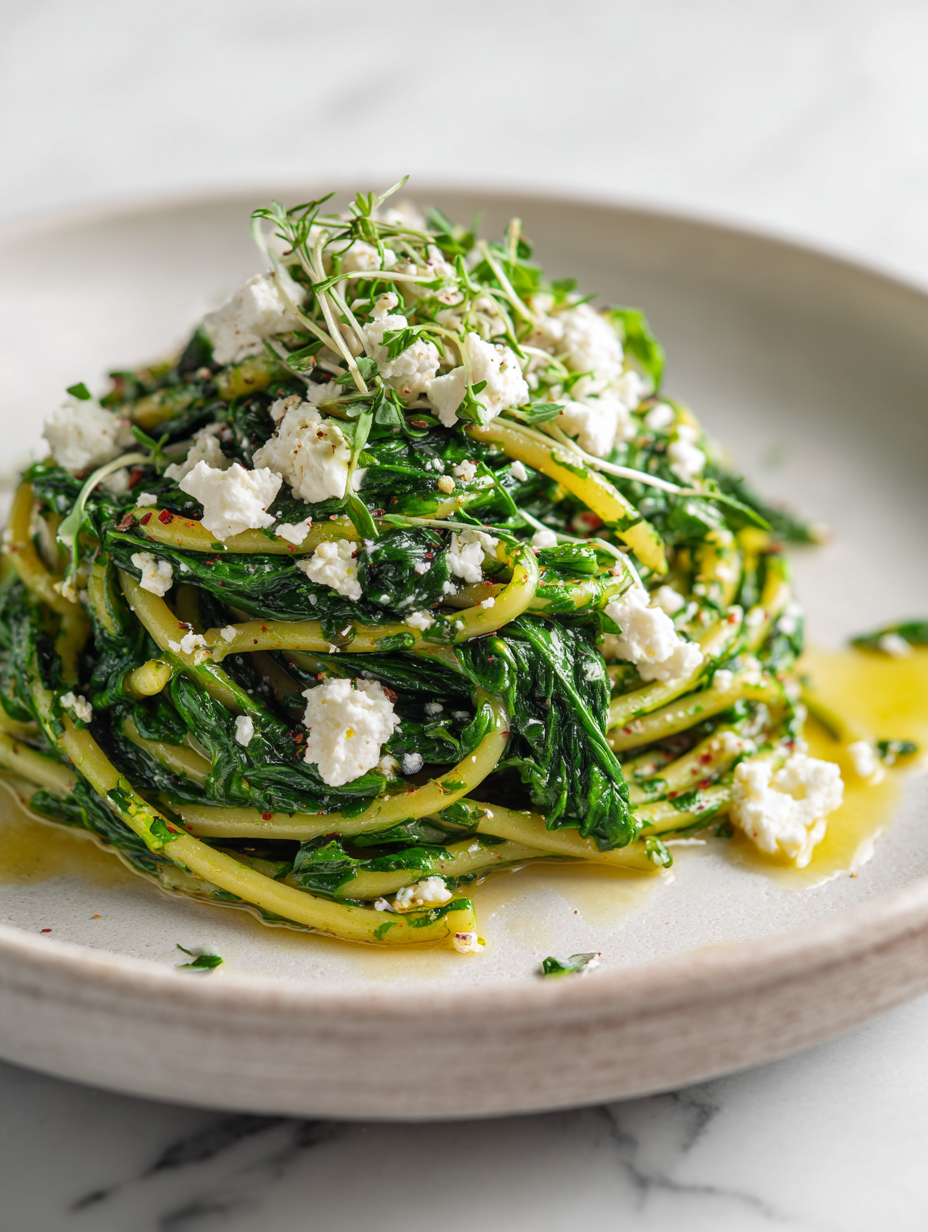
Spinach and Feta Pasta
Ingredients
Equipment
Method
- Bring a large pot of salted water to a rolling boil, then add the pasta and cook until just al dente, about 10 minutes. Drain and set aside, reserving a bit of pasta water.
- While the pasta cooks, heat olive oil in a large deep skillet over medium heat. Add the minced garlic and sauté until fragrant, about 30 seconds, until it starts to bubble and smell aromatic.
- Quickly toss in the fresh spinach, stirring constantly until it wilts down and turns bright green, about 1 minute. Let excess water evaporate for a few seconds if needed.
- Add the cooked pasta to the skillet with the spinach and garlic. Crumble the feta cheese directly over the hot pasta and stir gently to help it melt into a creamy sauce, about 2 minutes. If the sauce is too thick, add a splash of reserved pasta water to loosen it up.
- Squeeze the lemon juice over the pasta, then season generously with freshly cracked black pepper. Mix well until everything is glossy and evenly coated.
- Remove from heat and give the pasta a final stir. Taste and adjust seasoning if needed. Serve immediately, drizzled with a little extra olive oil if desired, and enjoy the creamy, vibrant flavors.
Pro tips for perfect spinach and feta pasta
- Bolded mini-head: Use fresh garlic for a more pungent aroma. Crush and sauté just until fragrant, about 30 seconds.
- Bolded mini-head: Cook pasta slightly under al dente—residual heat will finish it off in the sauce, preventing mushiness.
- Bolded mini-head: Wilt spinach in small batches—this keeps it vibrant and prevents sogginess in your dish.
- Bolded mini-head: Add feta off heat—this prevents it from becoming greasy and helps it melt smoothly into the pasta.
- Bolded mini-head: Reserve some pasta water—use it to loosen the sauce if it’s too thick, adding a silky texture.
- Bolded mini-head: Finish with lemon juice—brightens flavors and balances the saltiness of feta, don’t skip this step.
- Bolded mini-head: Keep an eye on heat—medium heat (around 160°C/320°F) is perfect for gentle sautéing without burning garlic.
Common mistakes and how to fix them
- FORGOT to check pasta for al dente—overcooked ruins the texture.
- DUMPED feta directly from fridge—warm it slightly for better melting.
- OVER-TORCHED garlic—reduce heat and add more oil if it burns.
- FAILED to reserve pasta water—use it to loosen the sauce if too thick.
Quick fixes and pantry swaps
- When sauce seems too thick, splash in a bit of hot pasta water and stir gently.
- If feta isn’t melting, heat the pan slightly longer—just enough to soften cheese without overcooking.
- Splash extra lemon juice when greens look dull to brighten the flavor instantly.
- Patch burnt garlic with fresh garlic and a little olive oil—quick fix for smoky aroma.
- Shield spinach from overcooking by stirring in small batches—keeps greens vibrant and fresh.
Prep, store, and reheat tips
- You can prep the garlic and wash the spinach a day ahead; keep them in separate airtight containers in the fridge. The fresh greens should be used within 24 hours for the best vibrant flavor.
- Cook the pasta ahead of time—al dente, then toss with a tiny splash of olive oil to prevent sticking. Store in an airtight container in the fridge for up to 24 hours. Reheat by tossing in boiling water for 30 seconds or microwaving with a damp paper towel until warm.
- Feta can be crumbled and stored in a sealed jar or container in the fridge for up to 3 days. It’s easiest to add directly to hot pasta to melt smoothly, so keep it handy.
- This dish is best enjoyed fresh, but leftovers can be stored in the fridge for up to 1 day. The feta will firm up a bit, and greens may wilt further. Reheat gently on the stove, stirring in a splash of pasta water or oil to loosen the sauce and bring back some creaminess.
- The flavors meld better if you prepare the ingredients just before mixing. Cold spinach and feta will dull the freshness, so aim to assemble while everything is still slightly warm or at room temperature for optimal flavor and texture.
Top questions about spinach and feta pasta
1. Can I use frozen spinach?
Use fresh spinach for a vibrant, slightly bitter flavor that wilts quickly. If yours looks tired, rinse and shake off excess water before adding.
2. What cheese can I substitute for feta?
Feta melts into the pasta, creating a creamy tang. For a milder taste, try ricotta or goat cheese, but don’t skip the saltiness feta provides.
3. How do I know when the pasta is ready?
Al dente means the pasta should have a slight firmness. Test a piece at 10 minutes, then drain when it’s just tender but still firm to bite.
4. What tools do I need?
Use a large, deep skillet to give enough room for tossing pasta and greens. A wooden spoon helps gentle mixing without breaking the pasta.
5. Should I add feta while the pan is hot?
Add feta off the heat to prevent greasy clumping. Stir gently until it melts into a creamy coating over the pasta.
6. Can I skip the lemon?
To brighten the dish, squeeze fresh lemon juice after removing from heat. A splash of vinegar can work if lemon isn’t available.
7. Can I cook the pasta ahead?
Cook the pasta just under al dente, as it will finish cooking slightly in the sauce. This prevents overcooking and mushiness.
8. How long does leftovers last?
Leftovers should be stored in an airtight container in the fridge for up to 24 hours. Reheat gently on the stove with a splash of water or oil.
9. My sauce is too thick, what do I do?
To fix a sauce that’s too thick, stir in reserved pasta water a little at a time until it’s silky and coats the pasta well.
10. How do I prevent garlic from burning?
When garlic browns too quickly, lower the heat immediately and add a bit more oil. Keep an eye to avoid burnt, bitter garlic aroma.
This dish is my little escape—something I turn to when I need comfort and quick satisfaction. The combination of creamy feta, wilted spinach, and garlic fills the kitchen with a warm, inviting aroma that’s hard to resist.
It’s not just about the ingredients; it’s about those small moments of enjoying something honest and straightforward. No matter how hectic the day, this pasta reminds me that good, simple food can always be within reach.

Hi, I’m Anjali Arora — the curious heart behind Feast Chase.
To be honest, I’ve always felt most at ease in my own company. I’m not exactly a people-person (small talk still makes me cringe), but there are two things I’ve always loved deeply: animals and food.