 Anjali Arora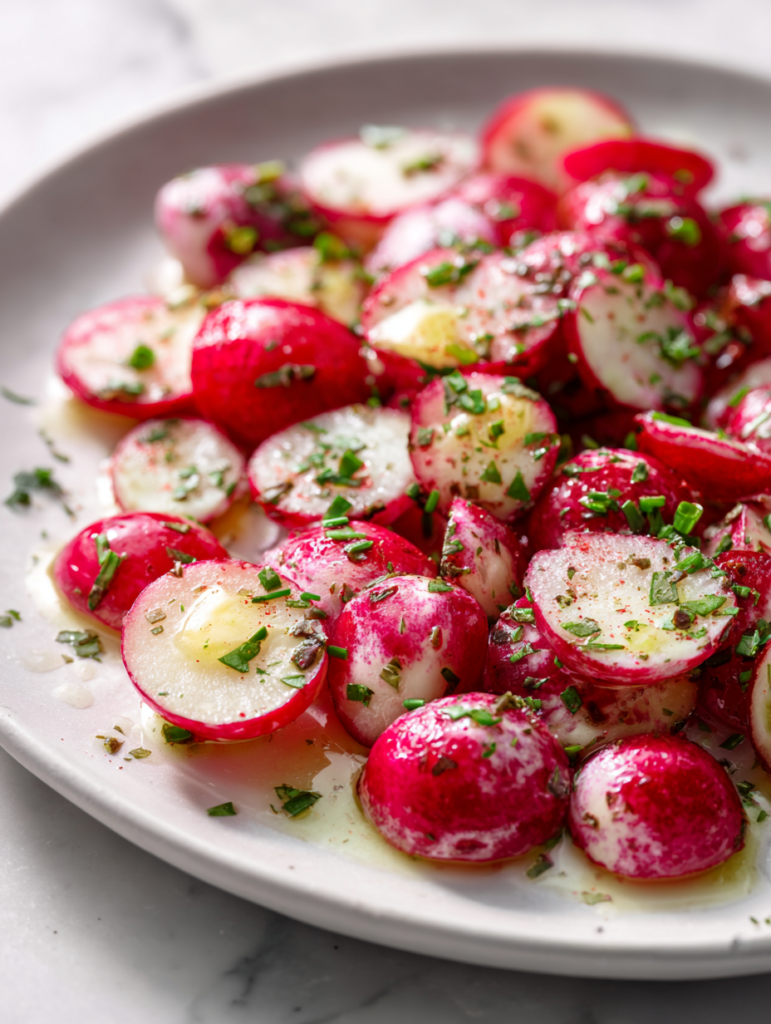
Radishes are often seen as crunchy, peppery snacks or salad toppings, but heating them up flips that script completely. Sautéing them in butter softens their bite, mellowing out their sharpness and revealing a subtle, sweet earthiness that’s surprisingly addictive. It’s a small change in how you treat this humble root, but it makes all the difference in turning a simple veggie into something comforting and nuanced.
I stumbled onto this method during a busy week when I needed a quick veggie side that felt special without fuss. Watching those radishes soften and turn golden in butter, smelling that nutty aroma fill the kitchen, felt like a little revelation. It’s odd how something so straightforward can bring a moment of joy, reminding me that sometimes, simplicity is enough.
This recipe isn’t about reinventing the wheel but about seeing radishes from a new angle—less raw, more tender, with a whisper of sweetness. It’s perfect for a quick side, a cozy addition to a meal, or just a way to enjoy the radish’s true, unpretentious flavor. Plus, it’s a reminder that even the simplest ingredients can surprise you.
Seeing radishes not as raw, crunchy snacks but as tender, buttery bites that transform with heat, revealing a milder, sweeter side.
Unexpected sweetness in radishes
- I first stumbled upon sautéed radishes during a frantic week when I needed something quick, comforting, yet somehow different. Watching those radishes soften and turn a little caramelized in butter was like a small miracle—suddenly, they weren’t just crunchy raw snacks but tender, subtly sweet bites. That moment made me realize how much flavor hides in everyday vegetables, waiting for a simple touch of heat and fat.
- It’s funny how a humble root vegetable can become a little ritual. I remember the first time I made this for friends, and their surprised expressions when they tasted the buttery, mellow radishes—like discovering a secret treasure. It’s a reminder that sometimes, the simplest ingredients, treated kindly, can turn into something unexpectedly satisfying.
- heading: ‘The story behind this recipe’
Key ingredients and tips
- Radishes: I love how their natural pepperiness mellows out when cooked, developing a gentle sweetness that’s almost caramelly. If yours are small and tender, keep an eye on their softening point to avoid overcooking.
- Butter: I use plenty of butter here—its nutty aroma and rich flavor are what make this dish feel indulgent. For a lighter version, a splash of good olive oil can work, but it won’t have the same cozy aroma.
- Salt: I prefer finishing with a flaky sea salt for that satisfying crunch and burst of flavor. If you’re watching salt intake, a light sprinkle of kosher salt works too, just be mindful during cooking.
- Lemon juice: A squeeze brightens everything up and cuts through the richness. If you don’t have lemon, a splash of vinegar can add a similar zing, but skip it if you want a purer radish flavor.
- Optional herbs: A sprinkle of chopped parsley or chives adds a fresh, herbal note. If fresh herbs aren’t available, a pinch of dried thyme or dill can add subtle complexity, though they’re not quite the same.
Spotlight on Radishes and Butter
Radishes:
- I love how they soften and mellow when sautéed, revealing a subtle sweetness underneath their peppery bite. Watch for their edges to turn a light caramel color, signaling they’re just about perfect.
- Butter: It’s the magic here—rich, nutty, and fragrant. It encourages the radishes to become tender and adds a cozy flavor. Use unsalted for control, and watch for a light foaming and golden hue as it melts.
Butter:
- I use plenty of it to build flavor and aroma. It melts quickly, bubbling gently, and turns fragrant and slightly nutty as it cooks. It’s essential for that rich, buttery coating on the radishes.
- When melted, it should shimmer and give off a nutty aroma. If it smokes or turns dark, lower the heat immediately to avoid bitterness and burnt flavor.
Notes for ingredient swaps
- Dairy-Free: Swap butter for olive oil or coconut oil. Expect a slightly different aroma and a less nutty flavor, but still rich and satisfying.
- Vegan: Use plant-based butter alternatives or margarine. They melt just as well but may lack a bit of that dairy richness.
- Salt: Replace regular salt with sea salt flakes for a crunch and more complex mineral flavor. You can also try a pinch of smoked salt for smoky depth.
- Acid: Lemon juice can be substituted with apple cider vinegar or white wine vinegar. The flavor will be sharper or more subdued, depending on the choice.
- Herbs: Fresh parsley or chives add brightness. Dried herbs like thyme or dill are good substitutes but offer less vibrancy and freshness.
- Radishes: If unavailable, thinly sliced turnips or small kohlrabi can work, though their flavor will differ and may be slightly earthier or milder.
Equipment & Tools
- Skillet: To cook the radishes evenly and allow for caramelization.
- Sharp knife: To trim and cut radishes into uniform pieces.
- Spatula or tongs: To stir and turn radishes during sautéing.
- Lemon squeezer or small bowl: To add fresh lemon juice or vinegar for brightness.
Step-by-step guide to sautéed radishes
- Gather a small to medium skillet, ideally non-stick, and a sharp knife. Butter should be unsalted for control.
- Wash the radishes thoroughly, then trim the tops and roots. Keep the radishes in halves or quarters depending on size.
- Heat the skillet over medium heat until shimmering, about 2 minutes. Add 2 tablespoons of butter and let it melt, foaming slightly.
- Add the radishes to the pan in a single layer. Sauté for about 3-4 minutes, stirring occasionally, until they start to turn golden.
- Lower the heat to medium-low. Continue cooking, stirring every minute, for another 5-7 minutes. Radishes should soften and develop a caramel color.
- Test for doneness: radishes should be tender when pierced with a fork, and edges slightly crisp. The butter should smell nutty and fragrant.
- If radishes brown too quickly, reduce heat or add a splash of water to deglaze and slow down browning. If they seem underdone, cook a minute more.
- Once tender and golden, squeeze a splash of lemon or vinegar over the radishes for brightness. Toss gently to coat.
- Remove from heat. Let rest for 1-2 minutes to allow flavors to meld. Serve hot or warm, garnished with herbs if desired.
- Plate the radishes, drizzle with any remaining buttery juices, and sprinkle with flaky sea salt. Enjoy immediately.
Let the radishes rest in the pan for a minute to settle flavors. Plate and drizzle with buttery pan juices, sprinkle with flaky salt and herbs if using. Serve immediately for best texture and flavor.
How to Know It’s Done
- Radishes are tender when pierced with a fork; edges may be slightly caramelized.
- Butter smells nutty and fragrant, with a light golden hue on radishes.
- Radishes have softened but still hold some shape; avoid overcooking to mush.
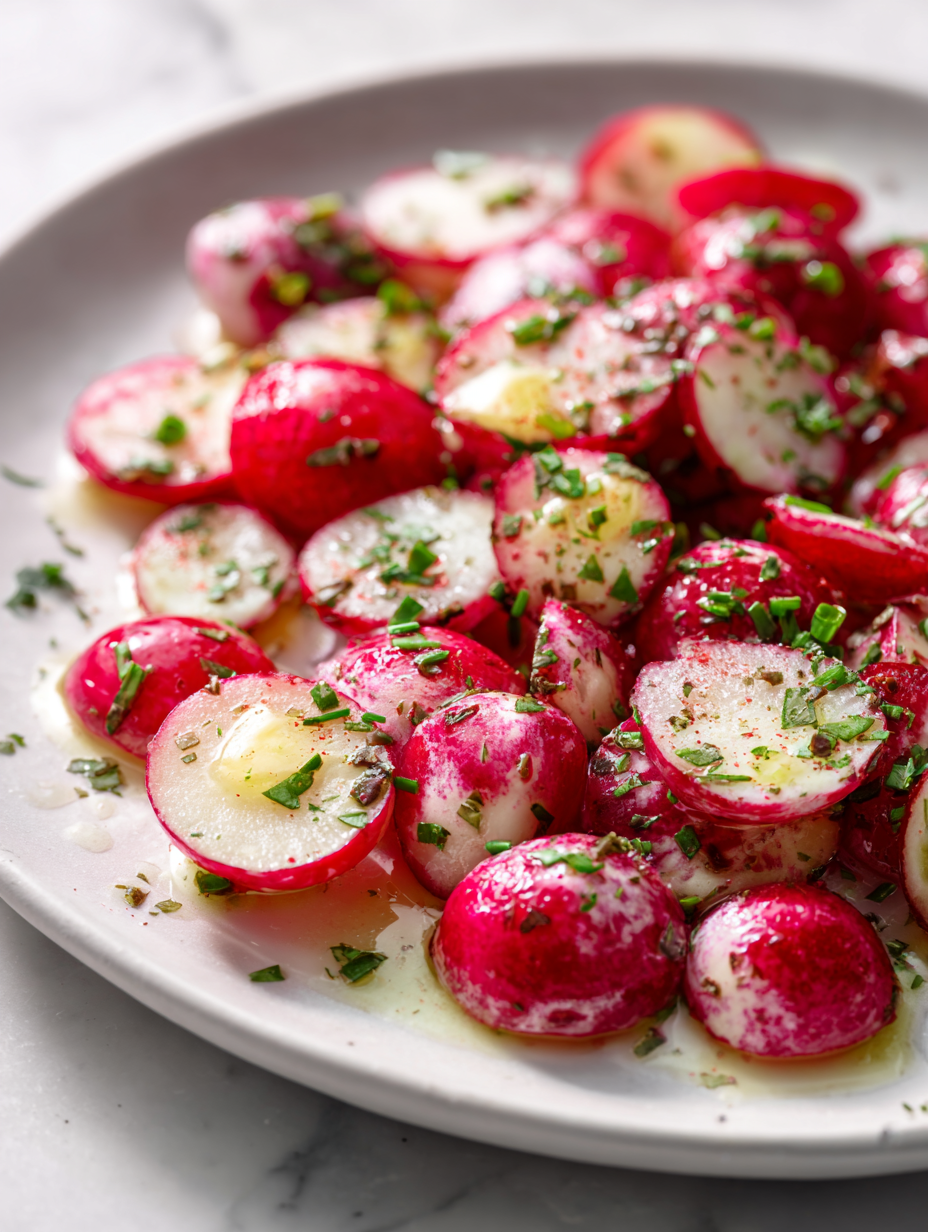
Sautéed Buttered Radishes
Ingredients
Equipment
Method
- Start by washing the radishes thoroughly under cold water. Trim the tops and roots, then cut them in halves or quarters depending on their size. Set aside.
- Heat your skillet over medium heat until it’s shimmering, then add the butter. Let it melt and foam gently for about a minute until it develops a nutty aroma and turns a light golden color.
- Add the radishes to the skillet in a single layer. Sauté for about 3-4 minutes, stirring occasionally, until they start to turn golden on the edges and release a fragrant aroma.
- Reduce the heat to medium-low and continue cooking, stirring every minute, for another 5-7 minutes. You'll notice the radishes soften, and their edges become more caramelized and tender.
- Check the tenderness by piercing one with a fork; it should slide in easily. The radishes should look soft and glossy, with a light caramel hue on their edges.
- Squeeze the lemon juice over the radishes and give everything a gentle toss. This brightens the dish and balances the richness of the butter.
- Remove the skillet from heat. Transfer the radishes to a serving dish, drizzle with any remaining buttery juices, and sprinkle with flaky sea salt for added flavor and crunch.
- Serve the sautéed radishes hot or warm as a comforting vegetable side, enjoying their tender texture and sweet, nutty flavor.
Tips for perfect sautéed radishes
- Use a hot pan to get quick, even caramelization without sogginess.
- Let radishes sit in the hot butter for a minute; they develop a richer flavor and tenderize evenly.
- Keep stirring gently once they soften to prevent sticking and ensure uniform browning.
- For a deeper nutty aroma, tilt the pan and baste the radishes with melted butter as they cook.
- Watch for edges to turn a golden hue—this is your cue they’re perfectly sautéed, not overdone.
- A splash of lemon at the end brightens the dish—add just before serving to preserve freshness.
Common mistakes and how to fix them
- FORGOT to watch heat levels → Use medium heat to prevent burning butter.
- DUMPED radishes too early → Let them develop a golden crust before turning.
- OVER-TORCHED butter → Reduce heat once butter foams to avoid bitterness.
- SKIPPED seasoning step → Finish with a pinch of salt and lemon for balance.
Quick fixes and pantry swaps
- When radishes release too much moisture, splash a little water and increase heat; shimmer and crackle will return.
- If butter starts to brown too fast, lower the heat and add a splash of cold water to slow the process.
- When radishes aren’t tender enough, cover the pan and cook a minute longer, checking for softness.
- Splash lemon or vinegar when radishes are too bland; quick acidity brightens the dish instantly.
- Patch over overly browned radishes with a teaspoon of butter and a sprinkle of fresh herbs for added flavor.
Prep, store, and reheat tips
- Prep the radishes by washing, trimming, and cutting into halves or quarters a day ahead. Keep them in an airtight container in the fridge, where they’ll stay crisp for up to 24 hours.
- Store cooked radishes in an airtight container in the refrigerator for up to 2 days. They will soften further but retain their flavor and buttery aroma.
- Reheat gently in a skillet over low heat, stirring occasionally. Expect a slight loss of crispness, but the buttery, tender texture should remain intact.
- For the best sensory experience, reheat until radishes are just warmed through and fragrant, about 3-4 minutes. Add a splash of lemon or butter if they seem dry or dull.
FAQs about sautéed radishes with butter
1. How do I pick the best radishes for sautéing?
Look for radishes that are firm, with bright, smooth skin. Avoid any that are soft, shriveled, or have blemishes, as these won’t soften well during cooking.
2. What should I expect flavor-wise from sautéed radishes?
Radishes can be a bit peppery raw, but sautéing mellows out their bite and brings out a subtle sweetness. Expect a tender, buttery bite with a slight earthiness.
3. What equipment do I need for this recipe?
Use a good non-stick or cast iron skillet for even heat and easy flipping. A sharp knife helps in quick, clean cuts, and a spatula is best for gentle stirring.
4. How do I know when the radishes are done?
Cook radishes until they are tender when pierced, edges are golden, and the butter smells nutty. Don’t let them over-brown or they might taste bitter.
5. Can I substitute lemon juice in this recipe?
If you don’t have fresh lemon, a splash of white vinegar or apple cider vinegar can brighten the dish without overpowering it.
6. How should I store leftovers?
Radishes can be stored in the fridge for up to 24 hours after cutting. Reheat gently in a skillet, adding a splash of butter or lemon for freshness.
7. What common mistakes should I avoid?
Overcooking can make radishes mushy. Keep an eye on their color and tenderness, and stir regularly to prevent burning or sticking.
8. When should I add seasoning?
Adding a pinch of salt and a squeeze of lemon right at the end boosts flavor and enhances the natural sweetness of the radishes.
9. What if my radishes release too much water?
If radishes release too much moisture and stew instead of sauté, increase heat slightly and cook uncovered until excess evaporates.
10. How long does the cooking process take?
Radishes sauté quickly—about 10 minutes. Keep the heat moderate to high to develop color and flavor without burning the butter.
Sautéed radishes with butter might seem like a simple side, but it’s a quiet reminder that humble ingredients can surprise you. That gentle sizzle, the fragrant butter, and the soft, sweet radishes bring a small moment of comfort to any meal. It’s honest cooking, unpolished but deeply satisfying.
This dish feels like a little secret—something easy to throw together but worth savoring. When the radishes turn golden and smell nutty, you know you’ve hit that sweet spot. Sometimes, it’s these straightforward, unpretentious recipes that leave the biggest impression.

Hi, I’m Anjali Arora — the curious heart behind Feast Chase.
To be honest, I’ve always felt most at ease in my own company. I’m not exactly a people-person (small talk still makes me cringe), but there are two things I’ve always loved deeply: animals and food.