 Anjali Arora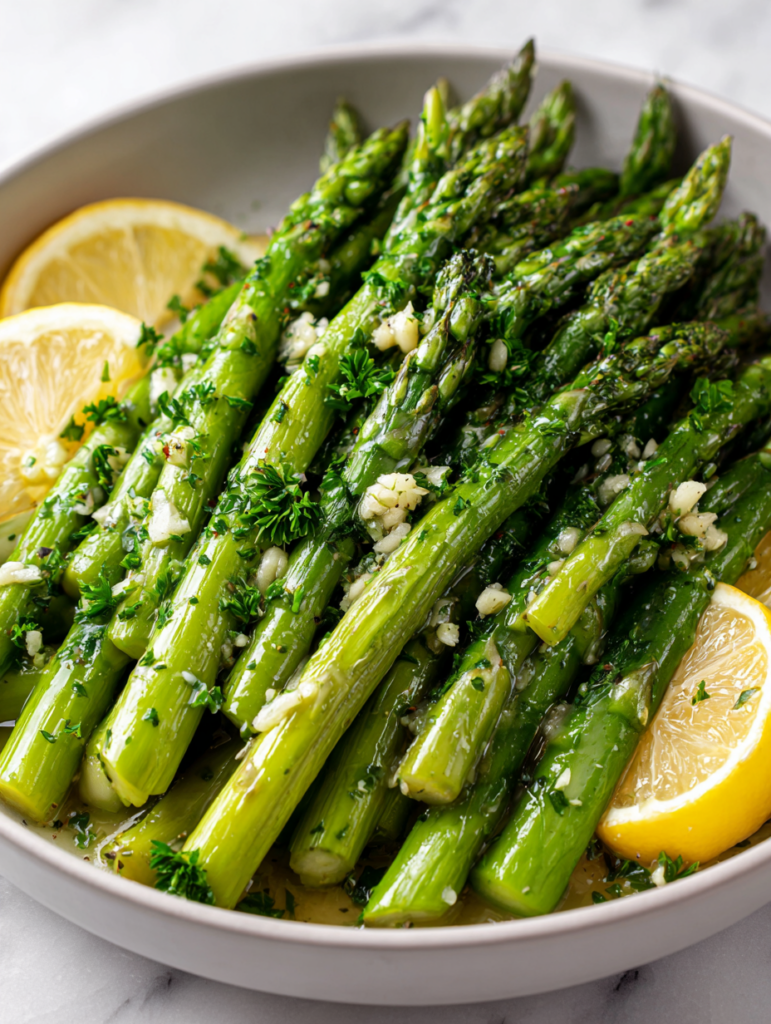
Sautéed asparagus with garlic butter isn’t just a side dish; it’s a little ritual that takes me back to Sunday dinners at my grandma’s house. There’s something about the way the garlic scent mingles with the butter as it hits the hot pan, filling the kitchen with a warm, familiar aroma. It’s a simple act, but it feels like a quiet celebration of those slow, cozy weekends.
This recipe is about finding joy in the everyday, turning a humble bunch of asparagus into a centerpiece of comfort. The quick sizzle in butter and garlic transforms the vegetable from crisp and slightly bitter to tender, fragrant, and just a touch smoky. It’s fast enough to make during busy weeknights but special enough to serve with a glass of white wine and a relaxed smile.
Focusing on how the simple act of sautéing asparagus with garlic butter can evoke childhood memories of family gatherings and Sunday dinners, turning a humble vegetable into a nostalgic centerpiece.
The story behind this recipe
- One afternoon, I was trying to clear my fridge before a dinner date, and I found a bunch of asparagus that looked a little too eager to be ignored. Instead of letting it go to waste, I threw it in a pan with some garlic and butter, just to see what would happen. That simple moment turned into a little ritual I now cherish—fast, honest, and full of flavor.
- Cooking this reminds me of lazy Sundays, where I’d throw whatever was on hand into the pan and call it dinner. There’s something about the way the garlic sizzles and the asparagus softens, releasing a smoky, fragrant aroma that feels like a small victory. It’s a dish that’s about making the ordinary feel special, even on the busiest nights.
- heading
- story_type
Ingredient breakdown: key components
- Asparagus: I prefer it fresh and bright green, with firm but tender stalks that snap easily. For a more tender bite, trim the woody ends thoroughly, but don’t discard the tips—they soften beautifully and add flavor.
- Garlic: I love using fresh garlic cloves for their pungent aroma that intensifies when sautéed. If you’re pressed for time, minced garlic from a jar works but loses some punch—add it later to prevent burning.
- Butter: I use unsalted butter for control over salt, but if you only have salted, just reduce the added salt in the recipe. The butter should melt slowly and turn slightly golden, releasing a nutty aroma.
- Olive oil: A splash helps prevent sticking and adds a subtle fruitiness. If you want a richer flavor, go for good-quality extra virgin—just don’t let it burn, keep heat medium-low.
- Lemon juice (optional): A squeeze brightens the dish and cuts through the richness. Use fresh lemon for that zesty, citrus aroma—avoid bottled juice, which can taste dull and dull the freshness.
- Salt & pepper: Season gradually and taste as you go. I prefer flaky sea salt for a gentle crunch and black pepper freshly ground, adding a spicy kick that awakens the garlic and asparagus.
- Red pepper flakes (optional): A pinch adds a smoky heat. Use sparingly—just enough to tease the palate without overpowering the delicate flavors.
Spotlight on key ingredients
Asparagus:
- I look for bright green stalks with firm texture and a snap when bent. The tips should be tight and slightly glossy, signaling freshness.
- During cooking, it behaves tender yet resilient, developing a slight char and smoky aroma that enhances its natural earthiness.
Garlic:
- Fresh garlic cloves are pungent and juicy, turning sweet and fragrant as they sauté, releasing a warm, spicy aroma that fills the kitchen.
- It can easily burn if cooked at too high a heat, turning bitter, so I keep the pan at medium and stir often to achieve golden, tender slices.
Notes for ingredient swaps
- Dairy-Free: Swap butter for olive oil or coconut oil. The dish will be lighter and less rich, but still flavorful with the garlic’s punch.
- Vegan: Use plant-based butter or margarine instead of traditional butter. Expect a slightly different richness but still creamy and fragrant.
- Low-Sodium: Choose unsalted butter and skip added salt. Rely on fresh lemon juice and pepper for brightness and seasoning.
- Extra Flavor: Add a splash of soy sauce or fish sauce in place of butter for an umami boost that deepens the savory notes.
- Herb Variations: Toss in fresh thyme or parsley instead of or alongside garlic. They add freshness and a slightly different aromatic profile.
- Spicy Kick: Incorporate red pepper flakes or a dash of cayenne in the butter for heat that lingers with each bite.
- Lemon Zest: Use lemon zest instead of or alongside juice. It offers a brighter, more aromatic citrus note that enhances the freshness.
Equipment & Tools
- Large skillet: Provides ample space for even cooking and tossing the asparagus.
- Tongs or slotted spoon: Helps turn and move the asparagus without breaking the stalks.
- Measuring spoon: Ensures accurate garlic and butter portions for consistent flavor.
- Sharp knife and cutting board: Trim the woody ends and prepare garlic quickly and safely.
Step-by-step guide to sautéed asparagus
- Gather your equipment: a large skillet (preferably cast iron), tongs or a slotted spoon, a measuring spoon, and a cutting board with a sharp knife. Have your garlic and butter ready for quick access.
- Trim the asparagus: snap or cut off about 1-2 inches from the woody ends. Rinse under cold water and pat dry. Keep the tips intact for better texture and appearance.
- Heat the skillet over medium heat (about 150°C/300°F). Add 1-2 tablespoons of butter and let it melt slowly, just until it begins to foam and turn a light golden color, releasing a nutty aroma.
- Add the trimmed asparagus to the skillet in a single layer. Cook undisturbed for about 2 minutes, allowing the bottoms to develop a slight sizzle and light color.
- Toss or turn the asparagus using tongs or a spoon. Add minced garlic (about 2 cloves) at this point. Cook for another 2-3 minutes, stirring often, until the garlic is fragrant and the asparagus turns a vibrant green.
- Continue sautéing until the asparagus is tender but still has a slight bite—about 2 more minutes. The tips should be slightly crisp, the stalks soft but not mushy, and the garlic fragrant and slightly golden.
- Check for doneness: the asparagus should be bright green, with a slight shimmer of butter, and the garlic should be soft and fragrant. If it looks dry, add a splash of water or lemon juice to loosen and brighten.
- Remove from heat. Let it rest for a minute to allow flavors to meld. Taste and adjust salt and pepper as needed. Plate immediately, garnished with a squeeze of lemon if desired.
Serve immediately while hot, drizzled with a little extra butter or lemon juice for brightness. Plate in a shallow dish, sprinkle with flaky sea salt if desired, and enjoy the fragrant, tender bites.
How to Know It’s Done
- Asparagus is vibrant green with tender tips and slight crunch.
- Garlic is fragrant but not burnt, with a golden hue.
- Butter has a slight nutty aroma, coating the asparagus evenly.
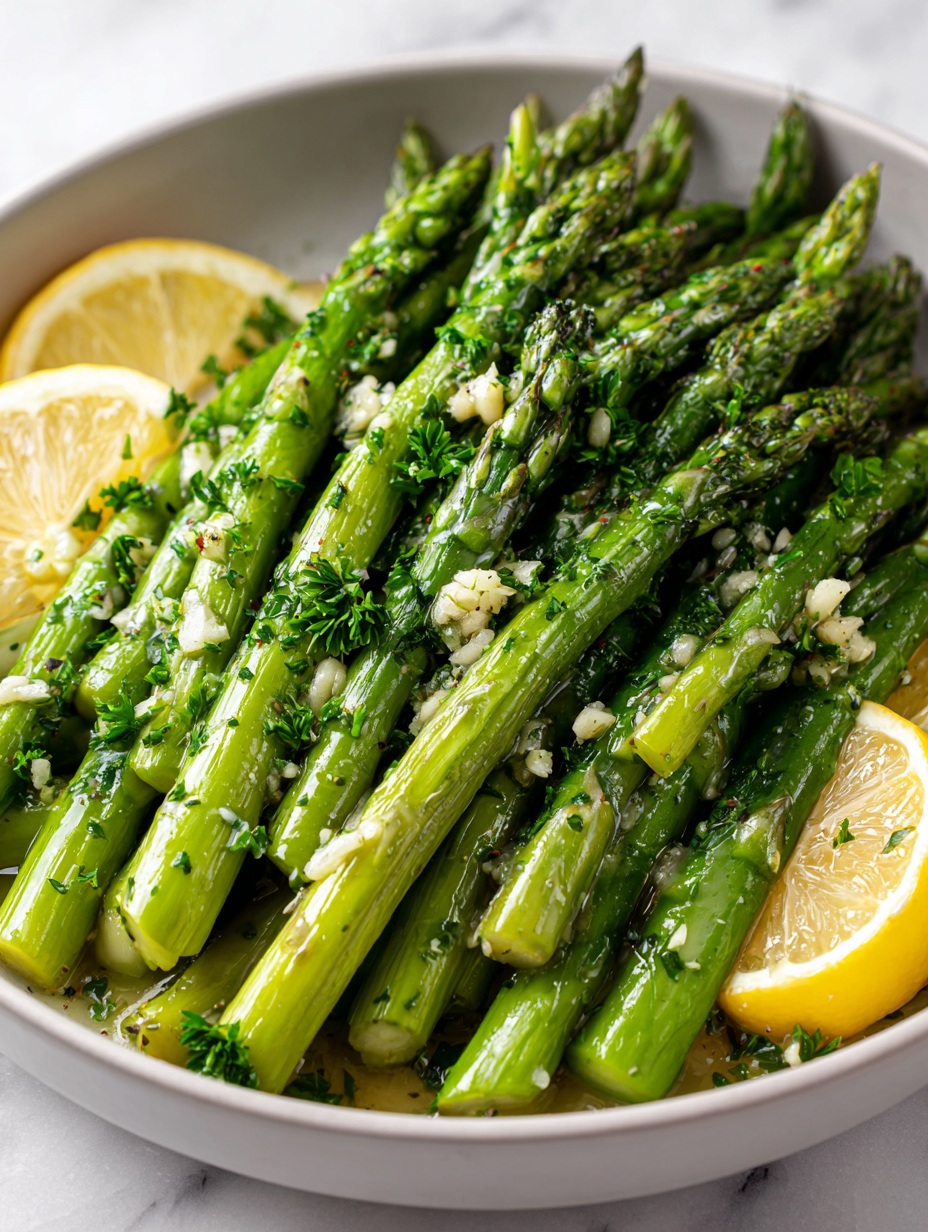
Sautéed Asparagus with Garlic Butter
Ingredients
Equipment
Method
- Start by trimming the woody ends off the asparagus, snapping or cutting about 1-2 inches from the bottom of each stalk. Rinse the asparagus under cold water and pat dry.
- Heat your large skillet over medium heat. Add the butter and olive oil, letting the butter melt gently until it begins to foam and turn a light golden color, releasing a nutty aroma.
- Lay the asparagus in a single layer in the skillet, pressing down slightly so they make contact with the hot surface. Cook undisturbed for about 2 minutes, until the bottoms develop a slight sizzle and a light golden hue.
- Use tongs or a slotted spoon to turn the asparagus, ensuring even contact with the pan. Add the sliced garlic, spreading it over the stalks as you toss, and cook for another 2-3 minutes. The garlic should become fragrant and slightly golden, filling the kitchen with a warm aroma.
- Continue sautéing, tossing frequently, until the asparagus turns bright green and begins to soften but remains slightly crisp, about 2 more minutes. The tips may develop a slight char and smoky scent.
- Remove the skillet from heat. Squeeze fresh lemon juice over the asparagus for brightness, and season with salt, black pepper, and red pepper flakes if using. Toss gently to combine.
- Transfer the sautéed asparagus to a serving plate. Serve immediately while hot, garnished with an extra squeeze of lemon if desired, and enjoy the fragrant, tender bites.
Pro tips for perfect sautéed asparagus
- Bolded mini-head: Use high heat to achieve a quick sizzle, which helps develop a slight char and deepens flavor.
- Bolded mini-head: Toss asparagus frequently once garlic is added to prevent burning and ensure even cooking.
- Bolded mini-head: Look for asparagus with firm stalks and tight tips—these are signs of freshness and good texture.
- Bolded mini-head: Add a splash of water or lemon juice at the end to deglaze the pan and brighten the flavors.
- Bolded mini-head: Keep garlic slices thin and uniform for even aroma release and to avoid bitter, burnt bits.
Common mistakes and how to fix them
- FORGOT to trim asparagus properly → Trim all woody ends thoroughly.
- DUMPED all garlic at once → Add garlic in stages to prevent burning.
- OVER-TORCHED the garlic → Sauté garlic gently until fragrant, not browned.
- MISSED the heat level → Keep pan at medium to avoid burning and uneven cooking.
Quick fixes and pantry swaps
- When asparagus is limp, splash with cold water to revive its crunch.
- If garlic burns quickly, patch with a splash of lemon juice to cool and brighten.
- Dumped overcooked stalks? Shield with a drizzle of olive oil and a squeeze of lemon.
- Over-torched garlic? Rescue with a teaspoon of honey to balance the bitterness.
- Pan too dry? Swap with broth or a splash of water to loosen and shimmer.
Prep, store, and reheat tips
- Trim and wash the asparagus ahead of time; store in an airtight container in the fridge for up to 24 hours. It keeps vibrant and fresh, ready for quick cooking.
- Mince garlic and keep it in a small jar or container in the fridge; use within 2 days for peak pungency and brightness.
- The sautéed asparagus is best enjoyed fresh, but can be stored in an airtight container in the fridge for up to 1 day. Reheat gently in a hot pan until warmed through, noting the aroma will intensify, and stalks may soften slightly.
- Reheating may cause slight loss of crispness and a muted garlic aroma. To revive, toss with a splash of lemon juice or a pat of butter in the pan, and cook just until heated.
- If preparing in advance for a party or meal prep, keep garlic separate until ready to reheat to prevent burning or bitterness. Fresh garlic flavor is more vibrant when added just before serving.
Top questions about sautéed asparagus with garlic butter
1. How do I choose good asparagus?
Fresh asparagus often tastes sweeter and has a better snap. Look for firm, bright green stalks with tight tips.
2. Should I use fresh or pre-minced garlic?
Use fresh garlic for a pungent, aromatic flavor that deepens as it sautés. Mince or slice thinly for even cooking.
3. Can I use oil instead of butter?
Butter adds richness and a nutty aroma when browned slightly. You can substitute with olive oil for a lighter, vegan option.
4. What heat setting is best for sautéing asparagus?
Cook on medium heat to prevent burning the garlic and to develop a slight char on the asparagus tips.
5. How do I know when the asparagus is cooked?
The dish is done when the asparagus is bright green, tender but still crisp, and garlic is fragrant but not burnt.
6. Should I add lemon during cooking or after?
A squeeze of lemon brightens the flavors and cuts through the richness of the butter. Add just before serving for the best aroma.
7. What are signs I’ve overcooked the asparagus?
Overcooking causes sogginess and loss of flavor. Keep an eye on the color and texture, and remove from heat promptly.
8. Can I spice up this dish?
Adding a pinch of red pepper flakes can introduce a smoky heat. Adjust to taste to keep the dish balanced.
9. How long can I keep leftovers?
Store leftovers in an airtight container in the fridge for up to 24 hours. Reheat gently in a hot pan or oven.
10. What should I do if the garlic burns?
If garlic burns during sautéing, add a splash of water or lemon juice to cool the pan and prevent bitterness.
This simple dish always reminds me that comfort can be found in the smallest of moments, like the aroma of garlic and butter filling the kitchen. It’s a reminder that even humble ingredients can come together to create something memorable, especially right now when we look for those little joys.
Sharing this asparagus with someone I love reaffirms how food can evoke nostalgia and bring us back to cozy family dinners. It’s a straightforward way to make a meal feel special, even when everything else feels hurried or uncertain.

Hi, I’m Anjali Arora — the curious heart behind Feast Chase.
To be honest, I’ve always felt most at ease in my own company. I’m not exactly a people-person (small talk still makes me cringe), but there are two things I’ve always loved deeply: animals and food.