 Anjali Arora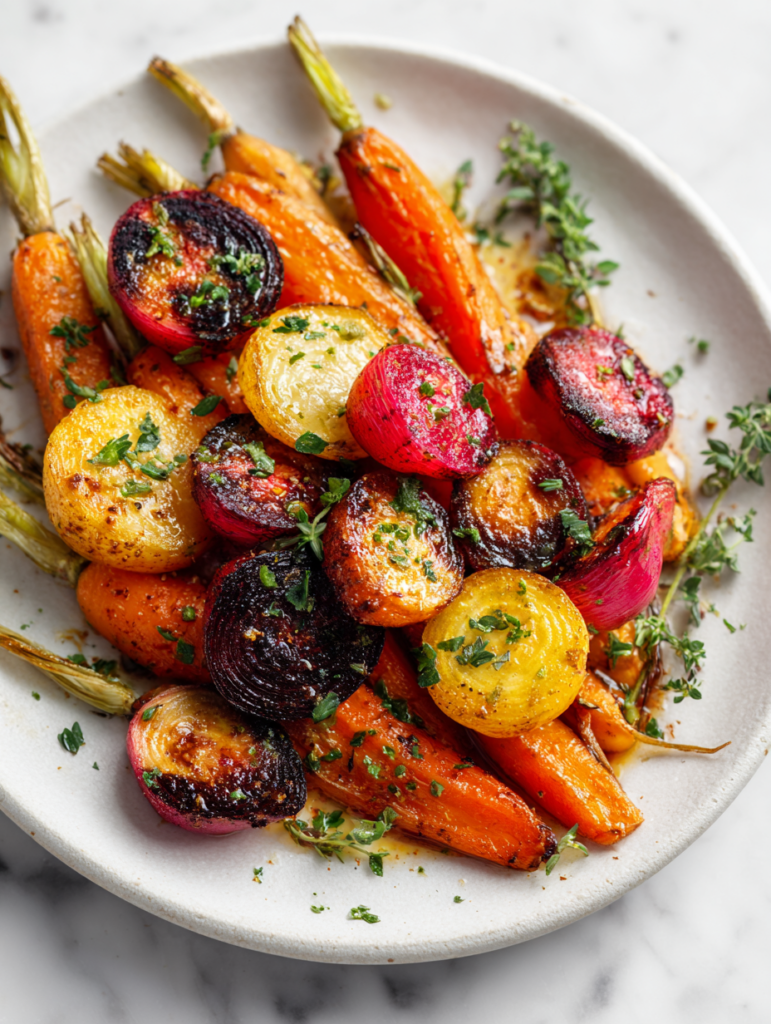
Radishes and carrots are often overlooked beyond their raw crunch, but roasting transforms them into something unexpectedly rich and smoky. I love how their natural earthiness gets amplified, bringing out a sweet, caramelized side that’s perfect for any season. It’s a simple dish, but one that reveals the hidden depths of humble root vegetables.
There’s a certain satisfaction in turning everyday produce into a centerpiece or a side that feels both rustic and sophisticated. Roasting makes the radishes turn tender with a slight crunch, while the carrots deepen in flavor, almost like they’ve been infused with a smoky sweetness. I’ve found that this simple method elevates these roots from plain to memorable, almost like a secret handshake among cooks who love to dig into their pantry and garden finds.
Transforming radishes and carrots from simple roast to a complex, smoky-sweet side by emphasizing their natural earthiness and focusing on how roasting enhances their hidden depths.
The story behind this recipe
- One season, I was experimenting with root vegetables in my tiny kitchen, trying to coax out more flavor without much fuss. I had a bunch of radishes that looked a little tired, and some carrots that were just sitting there—nothing special. I threw them on a tray with a splash of oil and hoped for the best, not expecting much beyond a simple roast. But when they came out, the radishes had developed this deep, smoky aroma and a tender-crisp bite that surprised me. It was a reminder that even the most overlooked vegetables can surprise you, especially when roasted with patience and a bit of salt.
- From then on, I started intentionally roasting radishes and carrots together. It’s become a little ritual—an easy way to elevate humble roots, especially in late winter when I need a burst of flavor that feels both cozy and unexpected. They’re great as a side, but lately I’ve been tossing them into salads or even spooning them over grains for a quick, satisfying meal. It’s funny how something so simple can turn into a small act of culinary magic, just by respecting the natural earthiness and giving them a little heat.
- heading:
Ingredient breakdown: key components
- Radishes: I love how their peppery bite mellows and turns sweet with roasting; look for firm, bright roots. Swap with turnips if you prefer a milder, starchy flavor.
- Carrots: Their natural sugar caramelizes beautifully, developing a smoky sweetness. Use heirloom varieties for color; regular carrots work just fine, too. If they’re thick, cut in halves or quarters for even roasting.
- Olive oil: I drizzle generously to help with caramelization and ensure a crispy edge. For a nuttier flavor, try toasted sesame oil sparingly—just a splash for depth.
- Salt: I prefer flaky sea salt to highlight the earthy tones and add a gentle crunch. If you’re avoiding salt, a sprinkle of smoked paprika can boost the smoky vibe.
- Optional herbs: I toss in thyme or rosemary for aromatic bursts, especially if I want a herbal note. Dried herbs can work in a pinch, but fresh is best for vibrant flavor.
- Black pepper: I grind it fresh over the vegetables before roasting; it adds a subtle heat and complexity. White pepper is fine if you want less visual contrast.
- Additional flavor: A splash of balsamic vinegar after roasting elevates the natural sweetness and adds a tangy shimmer. Skip if you prefer a pure vegetable focus.
Spotlight on key ingredients
Radishes:
- I love how their peppery bite mellows and turns sweet with roasting; look for firm, bright roots. Swap with turnips if you prefer a milder, starchy flavor.
- ingredient
Carrots:
- Their natural sugar caramelizes beautifully, developing a smoky sweetness. Use heirloom varieties for color; regular carrots work just fine, too. If they’re thick, cut in halves or quarters for even roasting.
- ingredient
Notes for ingredient swaps
- Dairy-Free: Olive oil works perfectly here, no need for butter or dairy. For extra richness, a dollop of coconut cream after roasting can add a subtle sweetness.
- Vegan: Swap honey for maple syrup in a glaze or marinade. It caramelizes beautifully and keeps the dish plant-based.
- Herbs & Spices: Fresh thyme or rosemary brighten the dish, but dried versions are fine—just use less since they’re more concentrated.
- Acid: Balsamic vinegar adds depth and a touch of sweetness. Lemon juice can give a brighter, sharper tang if you prefer citrus.
- Root Variants: Turnips or parsnips can replace radishes and carrots. They’ll bring a slightly earthier, starchy note—adjust roasting time accordingly.
- Oil: Avocado oil has a high smoke point and a mild flavor, making it a good neutral swap for olive oil if needed.
- Salt & Seasonings: Flaky sea salt enhances texture, but regular table salt works in a pinch—just be mindful of quantity to avoid oversalting.
Equipment & Tools
- Baking sheet: To hold and roast the vegetables evenly.
- Parchment paper: To prevent sticking and make cleanup easier.
- Mixing bowl: For tossing vegetables with oil and seasonings.
- Chef’s knife: To trim and cut vegetables uniformly.
- Silicone spatula or tongs: To flip or toss vegetables during roasting.
Step-by-step roasting guide
- Preheat your oven to 220°C (430°F). Gather a large baking sheet and line it with parchment paper for easy cleanup.
- Wash and dry 1 bunch of radishes and 3-4 medium carrots. Trim their tops and bottoms, then cut radishes in half or quarters if large. Slice carrots into uniform sticks or rounds.
- In a large bowl, toss the radishes and carrots with 3 tablespoons of olive oil, making sure each piece is evenly coated. Sprinkle with 1 teaspoon of flaky sea salt and freshly ground black pepper.
- Spread the vegetables out in a single layer on the prepared baking sheet. Aim for space between pieces so they roast rather than steam.
- Roast in the oven for 25-30 minutes. Halfway through, shake the pan or flip the vegetables to promote even caramelization. You want them to be golden, with slightly blackened edges and tender centers.
- Check for doneness: the vegetables should be tender to a fork, with a smoky aroma. The edges may be crisp and caramelized. If they’re not quite there, roast for an additional 5 minutes, watching closely.
- Remove from the oven and let rest for 5 minutes. Drizzle with a splash of balsamic vinegar if using, and toss gently to coat. Serve warm or at room temperature.
Let the roasted vegetables rest for 5 minutes to allow flavors to settle. Finish with a drizzle of balsamic vinegar or a sprinkle of fresh herbs if desired. Serve on a warm platter, letting their smoky aroma invite everyone in.
How to Know It’s Done
- Vegetables are deeply caramelized, with blackened edges and a smoky smell.
- Tender when pierced with a fork, but still holding some firmness.
- A slight jiggle in the center indicates perfect roast—soft inside, crispy outside.
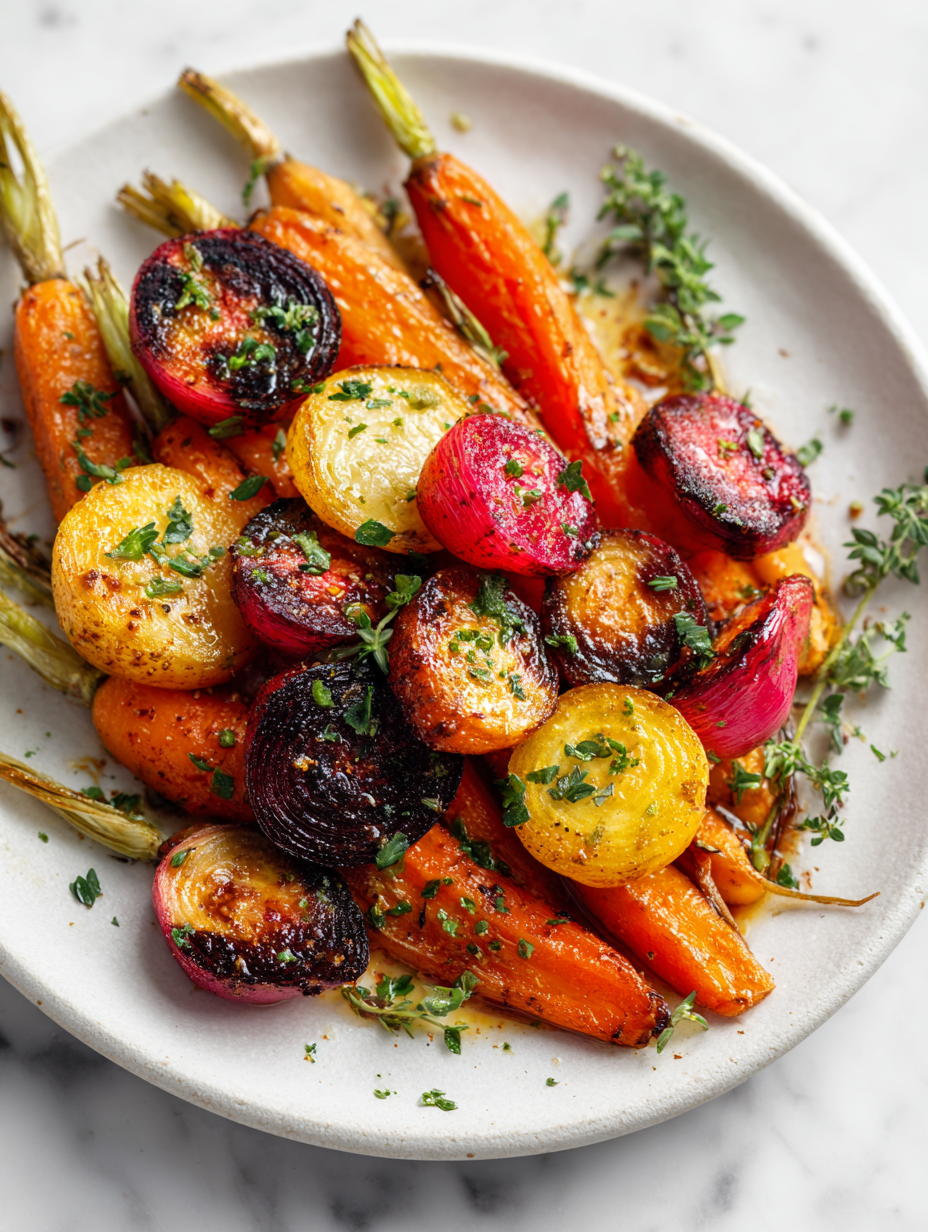
Roasted Radishes and Carrots
Ingredients
Equipment
Method
- Preheat your oven to 220°C (430°F) and line a baking sheet with parchment paper.
- Wash and dry the radishes and carrots thoroughly. Trim the tops and bottoms from the radishes, then cut them in halves or quarters depending on size. Slice the carrots into even sticks or rounds for uniform roasting.
- Place the cut radishes and carrots in a large mixing bowl. Drizzle with the olive oil and toss well so every piece is coated with a shiny layer of oil.
- Sprinkle the vegetables evenly with flaky sea salt and freshly ground black pepper. Toss again to distribute the seasonings evenly.
- Spread the vegetables out in a single layer on the prepared baking sheet, giving them space to roast evenly. Avoid overcrowding to ensure they caramelize properly.
- Slide the tray into the oven and roast for 25-30 minutes, shaking the pan or flipping the vegetables halfway through. You’ll see the edges darken and caramelize, and the vegetables will become tender and fragrant with a smoky aroma.
- Once the vegetables are deeply golden and tender when pierced with a fork, remove the tray from the oven. Let them rest for 5 minutes to allow flavors to settle and juices to redistribute.
- If desired, drizzle with balsamic vinegar for a tangy shine and toss gently to coat the vegetables evenly.
- Serve the roasted radishes and carrots warm or at room temperature, enjoying their smoky, caramelized flavor and tender-crisp texture.
Notes
Pro tips for perfect roasted veggies
- Bolded mini-head: Use high heat → Ensures vegetables caramelize quickly and develop a smoky crust.
- Bolded mini-head: Cut evenly → Uniform sizes promote even roasting and consistent texture.
- Bolded mini-head: Shake the pan → Midway tosses help prevent sticking and encourage uniform browning.
- Bolded mini-head: Watch for blackened edges → Remove early if edges burn to avoid bitterness.
- Bolded mini-head: Rest before serving → Resting 5 minutes allows juices to settle and flavors to deepen.
- Bolded mini-head: Use parchment → Prevents sticking and makes cleanup a breeze.
Common roasting mistakes and solutions
- FORGOT to dry radishes and carrots thoroughly before roasting → results in steaming, not roasting.
- DUMPED all vegetables on the tray at once → causes uneven cooking, spread out for better caramelization.
- OVER-TORCHED the edges → lower oven temperature or check sooner to avoid burnt spots.
- MISSED the resting step → let vegetables sit 5 minutes before serving to enhance flavor and texture.
Quick fixes and pantry swaps
- When vegetables seem limp, splash with a little water and toss in a hot oven for 5 seconds.
- If edges burn, patch with a quick sprinkle of fresh herbs and reduce oven temperature slightly.
- Splash vinegar over slightly underdone veggies for a bright flavor boost.
- DUMPED in too many vegetables at once? Spread them out more evenly to prevent steaming.
- When in doubt, pantry swap: use sunflower oil instead of olive for a milder, nutty aroma.
Prep, store, and reheat tips
- Prep the vegetables—wash, trim, and cut radishes and carrots a day before. Keep them in an airtight container in the fridge; they stay fresh and firm for up to 2 days, maintaining their bright flavor and crispness.
- Roasted radishes and carrots are best enjoyed fresh, but you can store leftovers in an airtight container for up to 3 days in the fridge. The natural sweetness intensifies slightly, and the texture becomes softer—reheat gently to preserve flavor.
- Reheating in a warm oven at 180°C (350°F) for 8-10 minutes restores some of the original roasted aroma and crispness. Watch for steam; avoid microwaving as it makes them limp and dulls the smoky notes.
- If you want to prep entirely ahead, roast the vegetables and store them separately. Reheat just before serving for maximum freshness and flavor, with a slight caramelized aroma and tender bite.
Top questions about roasted radishes and carrots
1. Can I cut radishes thinner for faster roasting?
Yes, slicing radishes thinner speeds up cooking and caramelization, giving a tender, slightly crisp bite.
2. Should I cut carrots smaller for roasting?
Absolutely. Cutting carrots into smaller pieces helps them cook evenly and develop a nice caramelized surface.
3. What oven temperature is best for roasting?
Use a high oven temperature, around 220°C (430°F), to get that smoky, crispy exterior and tender inside.
4. How do I pick good radishes and carrots for roasting?
Fresh, firm radishes and carrots with bright color are best. Avoid wilted or soft roots—they won’t caramelize well.
5. Why do roasted radishes and carrots taste better?
Roasting enhances their natural earthiness, creating a smoky, sweet flavor that’s richer than raw or boiled.
6. Can I add herbs or spices?
Yes, adding herbs like thyme or rosemary before roasting adds aromatic depth and brightens the dish.
7. How long should I roast radishes and carrots?
Roasting for about 25-30 minutes usually achieves tender, caramelized vegetables. Adjust time for larger pieces.
8. What if my veggies burn?
If vegetables burn, lower the oven temp slightly or reduce roasting time. Use parchment paper to prevent sticking.
9. How do I store roasted vegetables?
Storing leftovers in an airtight container in the fridge for up to 3 days is best. Reheat gently for flavor and texture.
10. How do I fix limp roasted veggies?
When vegetables seem limp, toss them in a hot oven for 5 seconds or splash with a bit of water to revive crispness.
Roasted radishes and carrots might seem simple, but their smoky depth makes them stand out on any table. I like how their earthy sweetness balances that charred edge, giving each bite a complex, satisfying crunch. It’s a humble dish that secretly rewards those willing to wait for that perfect caramelization.
Whenever I make this, I remember how a few honest ingredients can turn into something memorable with just heat and patience. It’s a reminder that everyday vegetables can surprise us when treated with care—no fuss, just flavor. And honestly, that’s what keeps me coming back to the oven, year after year.

Hi, I’m Anjali Arora — the curious heart behind Feast Chase.
To be honest, I’ve always felt most at ease in my own company. I’m not exactly a people-person (small talk still makes me cringe), but there are two things I’ve always loved deeply: animals and food.