 Anjali Arora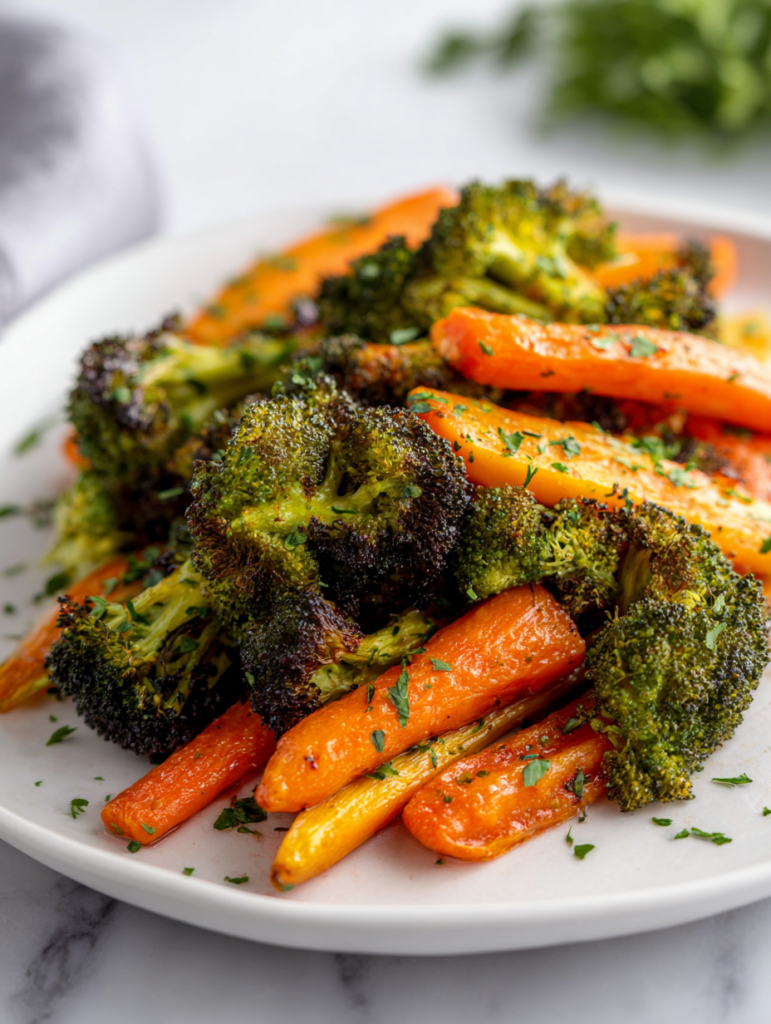
Sometimes, the simplest vegetables can surprise you when roasted just right. Broccoli and carrots, in particular, develop this irresistible smoky sweetness that feels almost decadent, even though it’s just a handful of everyday produce. It’s like they get a quiet moment in the heat, transforming into something more tender and flavorful than I ever expected.
I’ve always loved roasting vegetables because it’s honest—no fancy tricks, just good heat, a little oil, and patience. This combo feels like a humble side, but it’s one I keep coming back to when I want something cozy and straightforward, yet deeply satisfying. Plus, that caramelized edge? It’s a little reminder that simplicity often holds the most flavor.
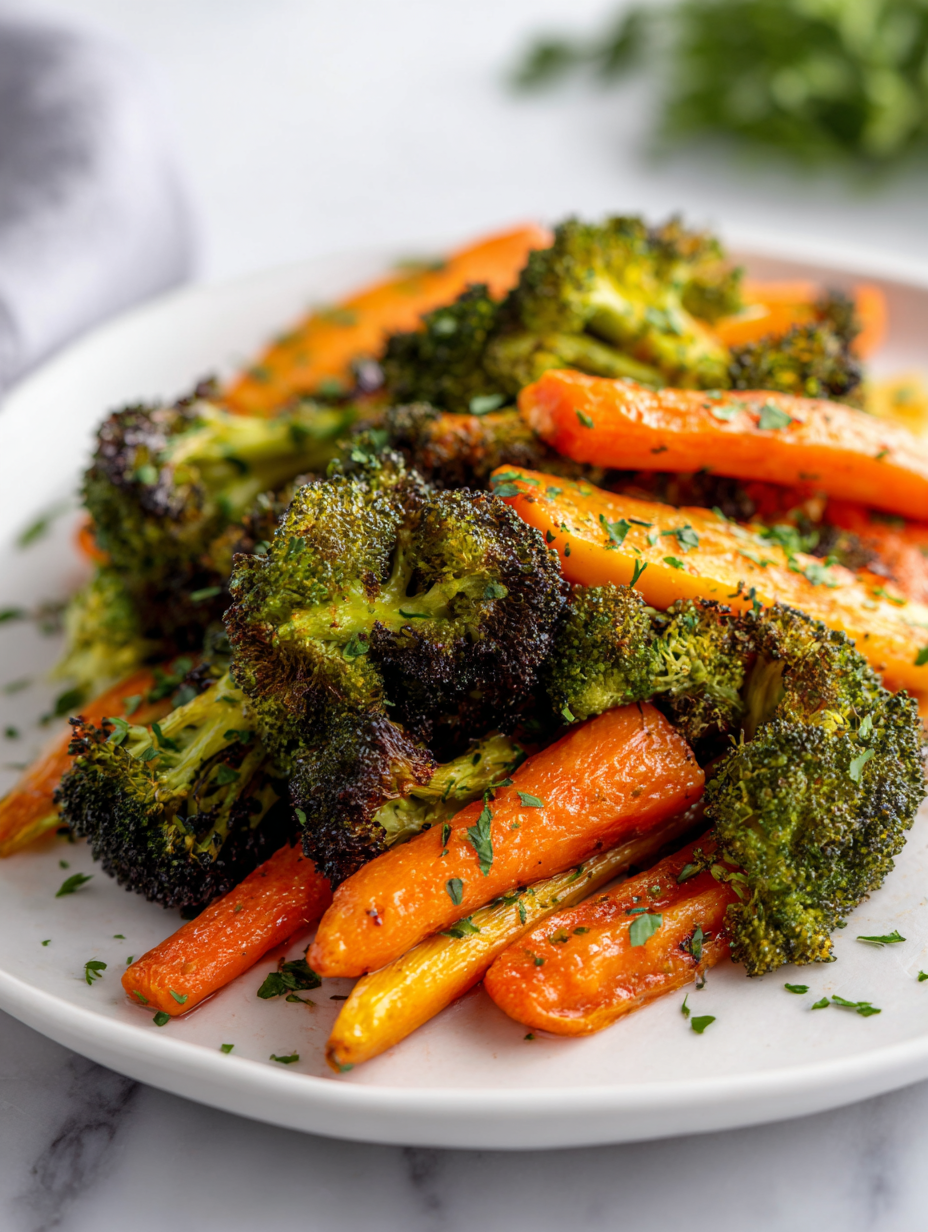
There’s a sort of quiet magic in watching those vibrant colors fade into a soft, charred glow. It’s almost meditative—waiting for the edges to crisp, the carrots to turn amber, and the broccoli to get that perfect, smoky char. It’s the kind of dish that makes you appreciate the beauty of just letting vegetables do their thing without fuss.
And honestly, it’s a reminder that good food doesn’t need to be complicated. Sometimes, roasting is just about giving humble ingredients a moment to shine, with a simple sprinkle of salt and a splash of oil. That smoky, tender bite is proof that even the simplest method can turn vegetables into something memorable.
Focusing on the transformative power of simple caramelization, this recipe highlights how roasting transforms humble broccoli and carrots into a smoky, tender side that celebrates everyday vegetables in their most flavorful form.
The story behind this recipe
This dish came about one quiet Sunday afternoon when I was trying to clear out the fridge before a trip. I grabbed some broccoli and carrots, both of which I’d been meaning to use up, and just threw them on a baking sheet with a splash of oil and salt. The smell of roasting vegetables always takes me back to childhood Sunday dinners, where simple food somehow felt special. Watching the edges char just enough to get that smoky aroma, I realized how easily humble ingredients can turn into something comforting and unexpectedly flavorful. It’s a reminder that sometimes, the best meals are born from just a little patience and a hot oven.
Ingredient breakdown: key components
- Broccoli: I love how the florets get these crispy edges and a deep, smoky flavor—like they’re almost caramelized. Skip the stems if you want a more tender bite, or include them thinly sliced for texture.
- Carrots: Their natural sweetness intensifies when roasted, turning tender and oozing with a slight caramel note. If you prefer a firmer bite, cut them a bit thicker or roast at a slightly lower temp.
- Olive oil: I use good-quality extra virgin—gives a rich, fruity aroma and helps everything crisp up. For a nuttier flavor, try browned butter instead, but keep an eye on it so it doesn’t burn.
- Salt: I go for flaky sea salt—adds a gentle crunch and highlights the sweetness. If you like a kick, sprinkle some smoked salt for extra depth.
- Black pepper: Freshly cracked pepper adds a subtle heat and earthiness that complements the smoky char. For a spicy twist, toss in a pinch of chili flakes before roasting.
- Lemon juice or zest: A squeeze or a sprinkle right after roasting brightens the smoky flavors with a fresh, citrusy zing. Or skip it if you want the pure, deep caramel notes.
- Optional herbs: A sprinkle of thyme or rosemary can add an herbal note that dances with the roasted flavor. Use sparingly—they can overpower the natural sweetness.
Spotlight on key ingredients
Broccoli:
- I love how the florets get these crispy edges and a deep, smoky flavor—like they’re almost caramelized. Skip the stems if you want a more tender bite, or include them thinly sliced for texture.
- Carrots: Their natural sweetness intensifies when roasted, turning tender and oozing with a slight caramel note. If you prefer a firmer bite, cut them a bit thicker or roast at a slightly lower temp.
Olive oil & Salt:
- Olive oil: I use good-quality extra virgin—gives a rich, fruity aroma and helps everything crisp up. For a nuttier flavor, try browned butter instead, but keep an eye on it so it doesn’t burn.
- Salt: I go for flaky sea salt—adds a gentle crunch and highlights the sweetness. If you like a kick, sprinkle some smoked salt for extra depth.
Notes for ingredient swaps
- Dairy-Free: Swap butter for olive oil or coconut oil. You won’t get that rich, creamy note, but the roasting will still bring out good flavor.
- Vegan: Use a splash of balsamic vinegar or a drizzle of maple syrup in place of honey for added sweetness and depth.
- Lower Sodium: Opt for a reduced-salt salt or sea salt to keep the flavors balanced without excess saltiness.
- Herb Variations: Fresh thyme or rosemary can be replaced with dried herbs or even a sprinkle of smoked paprika for smoky warmth.
- Spice Kick: Add a pinch of cayenne or chili powder instead of black pepper for a more intense heat.
- Extra Citrus: Lime zest or juice can substitute lemon for a slightly different bright, tangy note. Be cautious with the quantity to avoid overpowering.
- Sweetness Boost: A drizzle of honey or agave before roasting can amplify the caramelization, but reduce the oil slightly to prevent sogginess.
Equipment & Tools
- Baking sheet: To hold and roast the vegetables evenly.
- Parchment paper: To prevent sticking and make cleanup easier.
- Large mixing bowl: To toss vegetables with oil and seasonings thoroughly.
- Chef’s knife: To cut broccoli and carrots into uniform pieces.
- Tongs or spatula: To toss and turn vegetables during roasting.
- Lemon squeezer or juicer: To add fresh citrus flavor after roasting.
Step-by-step roasting guide
- Preheat your oven to 220°C (430°F). Line a baking sheet with parchment paper for easy cleanup.
- Wash and dry the broccoli and carrots thoroughly. Cut the broccoli into bite-sized florets, keeping the stems if tender. Slice carrots into 1/4-inch thick rounds or sticks.
- In a large bowl, toss the vegetables with 2-3 tablespoons of good-quality olive oil until evenly coated. Sprinkle generously with sea salt and freshly cracked black pepper. For extra flavor, add a pinch of smoked paprika or chili flakes if desired.
- Spread the vegetables out on the prepared baking sheet in a single layer. Avoid overcrowding to ensure crisp edges and even roasting.
- Place in the oven and roast for about 20-25 minutes. Halfway through, toss gently to promote even caramelization. The vegetables should develop deep, smoky edges and be tender when pierced with a fork.
- Check for doneness: the broccoli should be charred at the tips, and carrots should be soft with caramelized spots. If they need more time, roast in 3-5 minute increments.
- Remove from oven. Let rest for 2-3 minutes. Squeeze fresh lemon juice over for brightness, or sprinkle with chopped herbs like thyme or parsley for freshness.
- Serve warm, ideally with a simple grain or as a side to grilled proteins. The smoky aroma and tender-crisp texture make it a versatile dish.
Let the vegetables rest for a couple of minutes to settle. Finish with a squeeze of lemon or a sprinkle of herbs. Serve directly from the baking sheet or transfer to a platter for presentation.
How to Know It’s Done
- Vegetables are deeply caramelized with darkened edges.
- Broccoli stems and carrot slices are tender when tested with a fork.
- A smoky aroma wafts up when opening the oven.
Roasted Broccoli and Carrots
Ingredients
Equipment
Method
- Preheat your oven to 220°C (430°F) and line a baking sheet with parchment paper to prevent sticking.
- Wash the broccoli and carrots thoroughly. Cut the broccoli into bite-sized florets, trimming the stems if they’re tender. Slice the carrots into 1/4-inch thick rounds or sticks for even roasting.
- In a large bowl, toss the chopped vegetables with olive oil until they’re evenly coated, about 2-3 tablespoons. Sprinkle with flaky sea salt and freshly cracked black pepper to taste, tossing again to distribute the seasonings evenly.
- Spread the vegetables out in a single layer on the prepared baking sheet. Make sure they’re not overcrowded to allow for proper caramelization.
- Place the baking sheet in the oven and roast for about 20-25 minutes. Halfway through, use tongs or a spatula to toss the vegetables gently, promoting even browning and caramelization.
- Check for doneness: the broccoli should have crispy, charred edges, and the carrots should be tender with caramelized spots. If needed, roast for an additional 3-5 minutes, watching closely to prevent burning.
- Remove from the oven and transfer to a serving dish. Squeeze fresh lemon juice over the vegetables to brighten their smoky flavor, and sprinkle with chopped herbs if desired.
- Serve warm as a cozy side dish, enjoying the tender, smoky, and caramelized vegetables with their crisp edges and bright citrus aroma.
Pro tips for roasting vegetables
- Bolded mini-head: Use a hot oven → Ensures vegetables caramelize quickly, developing smoky edges.
- Bolded mini-head: Cut vegetables uniformly → Helps them roast evenly, avoiding undercooked or burnt spots.
- Bolded mini-head: Toss halfway through → Promotes even browning and prevents sticking or burning.
- Bolded mini-head: Watch the edges → Remove early if they turn too dark to avoid bitterness.
- Bolded mini-head: Finish with lemon → Brightens smoky flavors and adds a fresh zing to the dish.
- Bolded mini-head: Use parchment paper → Prevents sticking and makes cleanup a breeze.
- Bolded mini-head: Don’t overcrowd the pan → Keeps veggies crisp and prevents steaming, not roasting.
Common mistakes and how to fix them
- FORGOT to preheat oven → Always preheat to ensure even roasting and caramelization.
- DUMPED too much oil → Use just enough to lightly coat vegetables, avoiding sogginess.
- OVER-TORCHED edges → Remove early if edges turn too dark; reduce oven temp to 200°C (390°F).
- MISSED tossing halfway → Toss vegetables after 10 minutes for even browning and prevent burning.
Quick fixes and pantry swaps
- When vegetables burn quickly, splash with a little water to cool and prevent further charring.
- If edges are limp, increase oven temperature or extend roasting time for crispness.
- Splash vinegar or lemon juice if the smell of burnt oil is too strong during roasting.
- Patch soggy spots with a quick blast under the broiler for a few seconds to re-crisp.
- Shield overcooked edges with foil if they turn too dark before the rest is done.
Tips for prepping and storing ahead
- Prep the vegetables by washing, peeling, and cutting into your desired sizes the day before. Keep in an airtight container in the fridge, where they’ll stay fresh for up to 24 hours. The smell of fresh-cut carrots and broccoli is bright and inviting, even after a day.
- Roasted vegetables are best enjoyed within 2 days. Store leftovers in an airtight container in the fridge, where they’ll develop a slightly more concentrated, caramelized aroma. Reheat in the oven at 180°C (350°F) for 10 minutes until warmed through and the edges shimmer with a hint of crispness.
- For reheating, avoid microwaving to preserve the caramelized texture. Instead, re-roast briefly or reheat in a hot oven for even warmth and that smoky, tender bite. Expect the flavors to deepen slightly, with a richer, more concentrated roasted aroma.
- If you want to prep everything ahead for a busy day, roast the vegetables and store them separately. Reheat just before serving to retain their crispy, smoky edges and vibrant flavor. A quick reheat will bring back that tender, caramelized goodness with minimal fuss.
Top questions about roasted broccoli and carrots
1. How do I know when roasted broccoli and carrots are done?
Look for deeply browned edges with a slight char, and the vegetables should be tender when pierced. They should smell smoky and sweet, not burnt.
2. What if my veggies are too soft or soggy?
If they’re still soggy, pop them back in the oven for a few more minutes at 200°C (390°F). For extra crispiness, broil for 2 minutes at the end, watching closely.
3. How should I cut the vegetables for even roasting?
Cut carrots into uniform pieces so they cook evenly. Use a sharp knife and slice into 1/4-inch rounds or sticks for consistent roasting.
4. Can I roast at a lower temperature?
Use a hot oven—around 220°C (430°F)—to quickly caramelize the edges. Preheat thoroughly to make sure the veggies get that smoky, crispy exterior.
5. Can I substitute the oil or seasonings?
Yes, you can swap olive oil for melted butter or even toasted sesame oil for different flavor notes. Just be mindful that some oils burn more easily.
6. Are there good dairy-free options?
Absolutely. For a dairy-free version, use coconut oil or avocado oil. To keep it vegan, skip butter and use plant-based seasonings instead.
7. What makes broccoli ideal for roasting?
Broccoli’s florets get crispy and smoky, especially at the edges. The stems, if sliced thin, become tender and slightly sweet during roasting.
8. Why do carrots taste so good after roasting?
Carrots turn tender with a caramelized, oozy sweetness. The natural sugars intensify, creating a smoky, slightly sticky exterior that’s irresistible.
9. What if my veggies burn or burn unevenly?
If you over-torch the edges, quickly cover with foil and lower the oven temp. To avoid uneven cooking, toss the vegetables halfway through roasting.
10. Any quick tips for perfect roasting?
When in doubt, roast at 220°C (430°F), toss halfway, and keep an eye on the edges. Use a timer and smell for smoky aroma to gauge doneness.
Roasted broccoli and carrots are a humble reminder that simple techniques can unlock deep, smoky flavors that linger on the palate. This dish feels like a quiet celebration of everyday ingredients, perfect for those nights when you want something nourishing without fuss.
In the end, it’s about appreciating the small moments—watching those vibrant colors fade into charred, tender bites and savoring the honest, caramelized aroma. A straightforward, honest dish that proves good food doesn’t need to be complicated to be memorable.
Hi, I’m Anjali Arora — the curious heart behind Feast Chase.
To be honest, I’ve always felt most at ease in my own company. I’m not exactly a people-person (small talk still makes me cringe), but there are two things I’ve always loved deeply: animals and food.