 Anjali Arora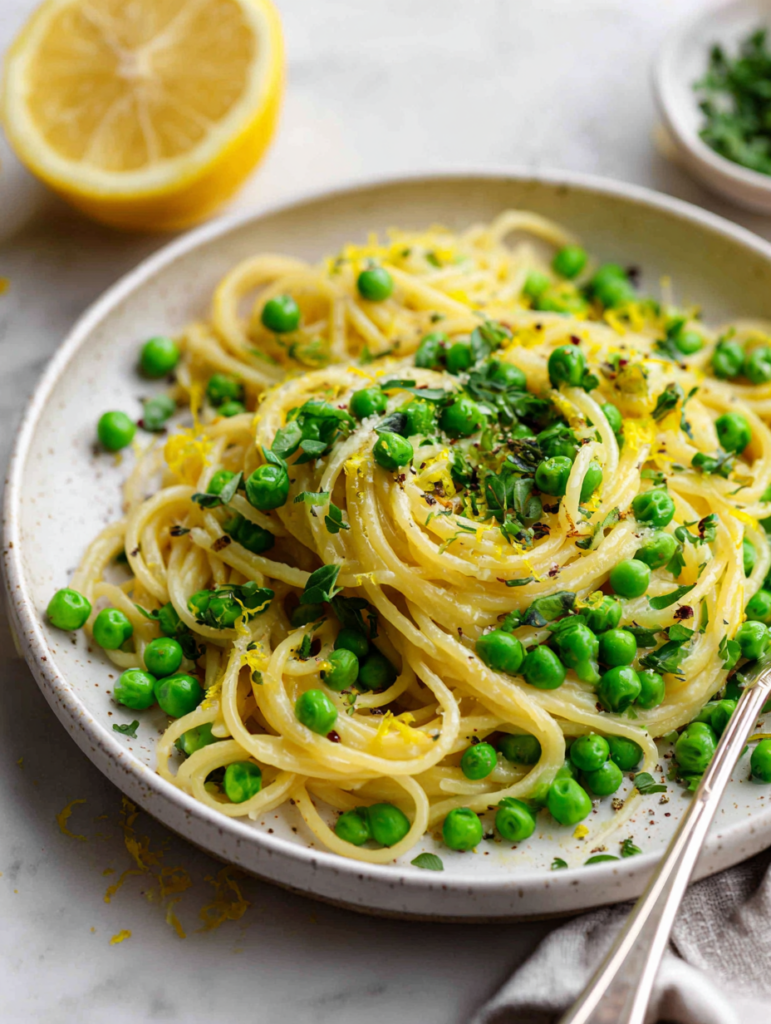
This lemon pea pasta is a little experiment I keep returning to, especially when I want something bright and uplifting but still simple enough for a quick dinner. It’s surprising how just a splash of lemon can lift the sweetness of fresh peas, making the dish feel like a spring burst in your mouth. I love that it’s not fussy, but it feels fresh and almost celebratory.
I first made this on a busy weeknight when I had no patience for anything elaborate, but I craved flavor that woke me up. The lemon’s zing, combined with the gentle sweetness of peas, makes every bite feel lively and satisfying. It’s one of those recipes that sticks around because it’s honest, straightforward, and somehow makes even a humble pantry pasta feel special.
Focusing on the surprising brightness lemon adds to the sweetness of peas, transforming a simple pasta into a vibrant spring dish that feels both nostalgic and refreshingly new.
The story behind this recipe
- This recipe came about during a spring cleanup of the fridge, when I found a bag of frozen peas and a lone lemon lurking in the back. It was late, I was tired, but I craved something vibrant without fuss. I threw everything together, and the bright lemon hit just right, waking up the simple pasta and peas.
- It’s become a go-to for those busy nights when I want something fresh, quick, and satisfying. The lemon-pea combo feels like a little celebration—bright, a bit sweet, and a touch tart—reminding me that simple ingredients can surprise you.
- Every time I make it, I think about how a tiny tweak—like adding a pinch of mint or a splash of cream—can shift the whole vibe. It’s honest cooking, unpolished but full of flavor, just like those spontaneous moments in the kitchen I cherish.
Breakdown of key ingredients
- Lemon: I love using a bright, juicy lemon that’s just starting to soften; it gives the pasta a zesty, zingy punch that wakes up the palate. If your lemon feels dull, add a bit more zest to punch through the richness.
- Peas: Fresh peas are ideal, but frozen work just as well—just thaw and drain well. Their sweet, almost floral flavor becomes a little more pronounced when heated gently, so don’t overcook them.
- Pasta: I prefer a thinner spaghetti or linguine here, but any shape works. Cook until just al dente; I like that slight bite because it contrasts with the creamy, lemony sauce.
- Olive oil: Good quality, fruity olive oil makes a real difference. Drizzle generously at the end for that silky finish, and don’t skimp on flavor—this is the base of the dish’s brightness.
- Garlic: I use plenty of garlic, chopped finely so it infuses the oil quickly. It should smell fragrant but not burnt—watch the heat and stir constantly to prevent bitterness.
- Cheese: A little grated Parmesan or Pecorino adds depth, but I sometimes skip it for a vegan version. If you do, a sprinkle of nutritional yeast can mimic that salty, umami kick.
- Herbs: Fresh mint or basil adds a surprising freshness—tear them right before serving to keep their aroma lively. Dried herbs won’t deliver the same bright punch, so fresh is best.
Spotlight on key ingredients
Lemon:
- I love a lemon that’s juicy and bright, with a slightly soft skin that yields easily when zesting. It adds a punch of citrus that cuts through the richness of olive oil and cheese, making every bite lively.
- Peas: Fresh peas burst with sweetness and have a tender, almost floral texture. Frozen peas work just as well—just thaw and drain well to keep the dish bright and crisp.
Peas:
- Their natural sweetness intensifies when heated gently, and they stay plump and vibrant green. Overcooking turns them mushy, so keep an eye on that tender stage.
- Lemon: The zest should be fragrant and finely grated, offering a floral, citrus aroma. When juiced, it should be tangy and sharp, brightening the whole dish.
Notes for ingredient swaps
- Lemon: Use bottled lemon juice in a pinch, but it won’t have that fresh, zesty punch. For bright flavor, add extra zest if possible.
- Peas: Fresh peas are sweeter and more tender, but frozen peas work just as well—just thaw and drain thoroughly for best texture.
- Pasta: Whole wheat or gluten-free pasta can replace traditional; expect a slightly nuttier or different texture, but still delicious.
- Olive oil: Avocado oil can be a good neutral substitute, though it might lack the fruitiness of good-quality olive oil.
- Garlic: Garlic powder or garlic paste can work if fresh isn’t available; use about half the amount, as the flavor is more concentrated.
- Cheese: Nutritional yeast can add a cheesy, umami flavor for vegan or dairy-free versions; it’s less creamy but still flavorful.
- Herbs: Dried mint or basil can substitute fresh, but the aroma won’t be as vibrant; add dried herbs earlier in cooking for better infusion.
Equipment & Tools
- Large pot: Boil pasta efficiently
- Skillet: Cook the sauce and combine ingredients
- Zester or microplane: Extract lemon zest for brightness
- Colander: Drain pasta without excess water
- Cooking spoon: Toss ingredients and adjust sauce consistency
Step-by-step guide to lemon pea pasta
- Gather your equipment: a large pot for boiling pasta, a skillet for sauce, a zester or microplane, and a spoon for tossing. Fill the pot with water, salt generously, and bring to a rolling boil at 100°C / 212°F.
- Cook the pasta: Add pasta to boiling water. Cook until just al dente, about 8 minutes (check package). Stir occasionally to prevent sticking. Drain, saving a cup of pasta water for later adjustments.
- Prepare the lemon and garlic: While pasta cooks, zest and juice one lemon. Mince 2-3 cloves garlic finely. Set aside. The zest should be bright and fragrant, the juice tangy and fresh.
- Sauté garlic: Heat 2 tbsp olive oil in the skillet over medium heat (around 160°C / 320°F). Add garlic, cook until fragrant, about 30 seconds. Watch for a gentle crackle, no browning to avoid bitterness.
- Add peas: Toss in 1 cup frozen peas (thawed slightly). Cook for 2-3 minutes until heated through. The peas should be tender but still bright green and slightly plump.
- Combine pasta and sauce: Add drained pasta to the skillet with garlic and peas. Pour in lemon juice and zest. Toss well, adding pasta water gradually to loosen the sauce. It should cling lightly, shiny and bright.
- Finish with flavor: Drizzle with extra virgin olive oil, season with salt and freshly cracked black pepper. Optional: sprinkle grated Parmesan or Pecorino. Toss again and taste for brightness and balance.
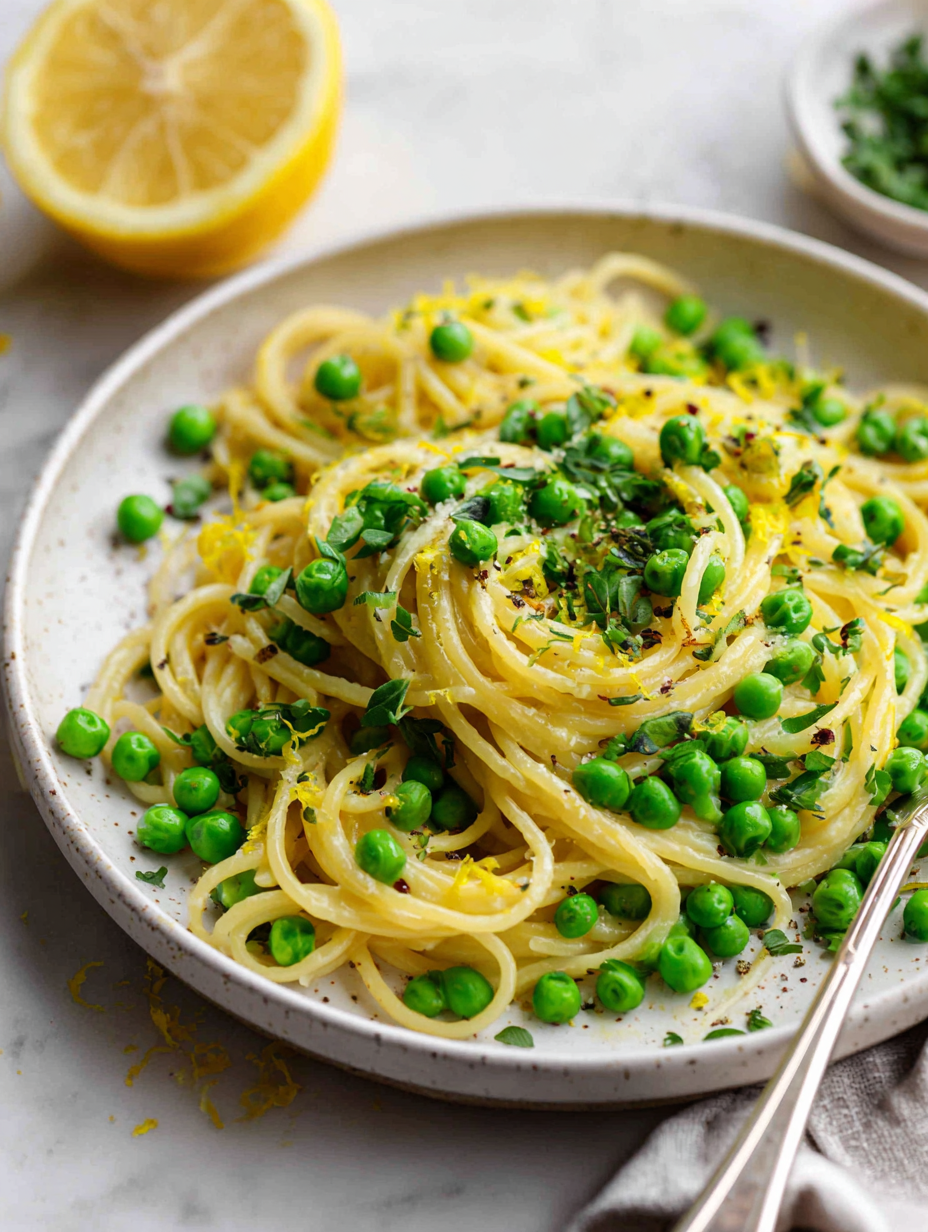
- Rest and plate: Let the pasta sit for a minute to meld flavors. Serve immediately, garnished with a few fresh herbs if desired. The dish should be vibrant, fragrant, and slightly creamy on the surface.
Serve immediately while warm. Rest for a minute to allow flavors to settle. Finish with a drizzle of oil or sprinkle of cheese if desired. Plate with a twist of lemon or fresh herbs for added freshness.
How to Know It’s Done
- Pasta is al dente, with a slight bite when tested.
- Peas are tender but still vibrant green, not mushy.
- Lemon flavor is bright, not bitter, with a balanced zing in the sauce.
Lemon Pea Pasta
Ingredients
Equipment
Method
- Fill a large pot with water, add a generous pinch of salt, and bring it to a rolling boil. Once bubbling, add the pasta and cook until just al dente, about 8 minutes. Drain, reserving a little pasta water, and set aside.
- While the pasta cooks, zest the lemon using a microplane, revealing a fragrant, fine layer of citrus peel. Then, juice the lemon, ensuring you catch all the bright, tangy juice in a small bowl.
- Heat the olive oil in a skillet over medium heat until it shimmers and smells fragrant. Add the minced garlic and sauté for about 30 seconds until it releases a fragrant aroma but hasn't browned, to avoid bitterness.
- Add the thawed peas to the skillet and cook for 2-3 minutes, stirring gently, until they are heated through and slightly tender but still vibrant green.
- Pour the drained pasta into the skillet with garlic and peas. Add the lemon juice and grated lemon zest, then toss everything together vigorously to coat the pasta evenly. If the mixture feels too dry, add a splash of reserved pasta water to loosen and create a silky, shiny sauce.
- Season generously with salt and freshly ground black pepper, then drizzle with a little more olive oil if desired. If using, sprinkle grated Parmesan cheese over the top, tossing again to combine.
- Let the pasta rest for a minute in the skillet to allow flavors to meld and the sauce to thicken slightly, then transfer to plates. Finish with a final squeeze of lemon or fresh herbs if desired for extra brightness.
Tips for perfect lemon pea pasta
- Bolded mini-head: Use fresh lemon zest for a more intense, fragrant citrus punch that wakes up the dish.
- Bolded mini-head: Toast garlic briefly in oil until fragrant but not browned to avoid bitterness and develop depth.
- Bolded mini-head: Add pasta water gradually while tossing to create a silky, cohesive sauce that clings to every strand.
- Bolded mini-head: Toss in peas just before serving to keep their bright color and tender texture intact.
- Bolded mini-head: Finish with a drizzle of high-quality olive oil off heat to preserve its fruity aroma and shine.
- Bolded mini-head: Use a microplane for zest; it gives a fine, fragrant layer that distributes evenly through the sauce.
- Bolded mini-head: Serve immediately while warm to enjoy the vibrant, fresh flavors at their peak.
Common mistakes and how to fix them
- FORGOT to check pasta texture → Cook until just al dente, avoid over-softening.
- DUMPED all pasta water → Reserve some to adjust sauce consistency if needed.
- OVER-TORCHED garlic → Sauté on medium heat, stir constantly, avoid browning to prevent bitterness.
- MISSED lemon zest → Add zest before juicing for maximum brightness and aroma.
Quick fixes and pantry swaps
- When sauce shimmers and smells bright, it’s ready—don’t overheat or it’ll dull.
- Splash a little pasta water if sauce clings too tight—creates a silky texture and lifts flavors.
- Patch bitterness by stirring in a teaspoon of honey or a pinch of sugar—balance sharpness.
- Shield delicate peas from overcooking—add them last and keep heat low for vibrant color.
- If lemon zest feels dull, zest a fresh lemon for an instant burst of citrus aroma.
Prep, store, and reheat tips
- Prep the lemon zest and juice ahead: Zest and juice the lemon, then store in an airtight container in the fridge for up to 24 hours. The bright aroma will intensify the citrus flavor in the dish.
- Thaw the peas in the fridge overnight or run under warm water briefly. Drain well to prevent excess moisture from watering down the sauce.
- Cook the pasta in advance: Boil until just al dente, then drain and toss with a little olive oil to prevent sticking. Store in an airtight container in the fridge for up to 1 day.
- Reheating: Gently warm the pasta and peas in a skillet with a splash of water or olive oil over low heat. The lemon flavor will mellow slightly, but it should still smell fresh and zesty.
- Sauce can be made a few hours ahead: Mix lemon juice, zest, and olive oil, then refrigerate. Bring to room temperature and toss with hot pasta for best flavor.
Top questions about lemon pea pasta
1. Can I use bottled lemon juice?
Use fresh lemon for a bright, tangy flavor and a more aromatic zest. Bottled lemon juice can work, but it lacks the vibrant citrus aroma.
2. Are frozen peas okay to use?
Frozen peas should be thawed slightly and drained well to prevent excess moisture. Fresh peas are sweeter and more tender but require shelling.
3. How do I know when the pasta is done?
Cook pasta until just al dente, about 8 minutes, so it has a slight bite. Overcooked pasta becomes mushy and less appealing.
4. Can I make this dish ahead of time?
Toss the cooked pasta with a little olive oil after draining to prevent sticking if preparing ahead. Reheat in a skillet with a splash of water or oil.
5. Should I zest or juice the lemon first?
Add the lemon zest before juicing to maximize aroma and brightness. The zest is what really wakes up the dish with citrus scent.
6. What type of olive oil works best?
Use good quality, fruity olive oil to add depth and shine. Cheaper or dull oils can make the dish feel flat and less vibrant.
7. Can I add dried herbs instead of fresh?
A pinch of fresh herbs like basil or mint added at the end enhances the brightness. Dried herbs won’t deliver the same fresh aroma and flavor.
8. What if the sauce is too thick?
If the sauce feels too thick or clings to the pasta, splash in a little pasta water and toss to loosen it up until smooth and shiny.
9. How do I prevent garlic from burning?
Be careful not to burn the garlic; sauté on medium heat until fragrant, about 30 seconds. Burnt garlic turns bitter quickly.
10. Should I add more lemon at the end?
Taste and adjust the seasoning at the end. The lemon’s acidity can vary, so add more zest or juice as needed to balance the dish.
This lemon pea pasta feels like a little breath of spring, even if it’s still cold outside. It’s honest, simple, and so lively on the tongue, I keep coming back to it during busy weeks or when I need a quick boost of flavor. Sometimes, the simplest dishes remind us why we fell in love with cooking in the first place.
By keeping the flavors bright and the process straightforward, it’s a reminder that good food doesn’t have to be complicated. It’s one of those recipes that sticks around, not just for the taste but for the pure joy of pulling something fresh and honest together in a hurry.

Hi, I’m Anjali Arora — the curious heart behind Feast Chase.
To be honest, I’ve always felt most at ease in my own company. I’m not exactly a people-person (small talk still makes me cringe), but there are two things I’ve always loved deeply: animals and food.