 Anjali Arora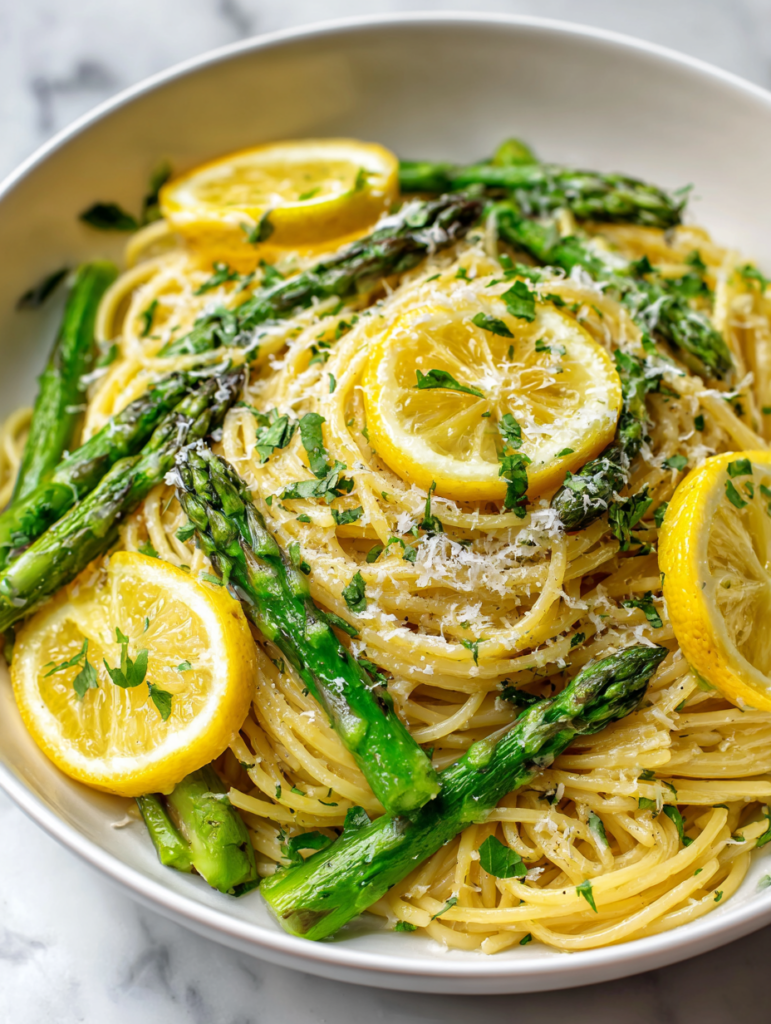
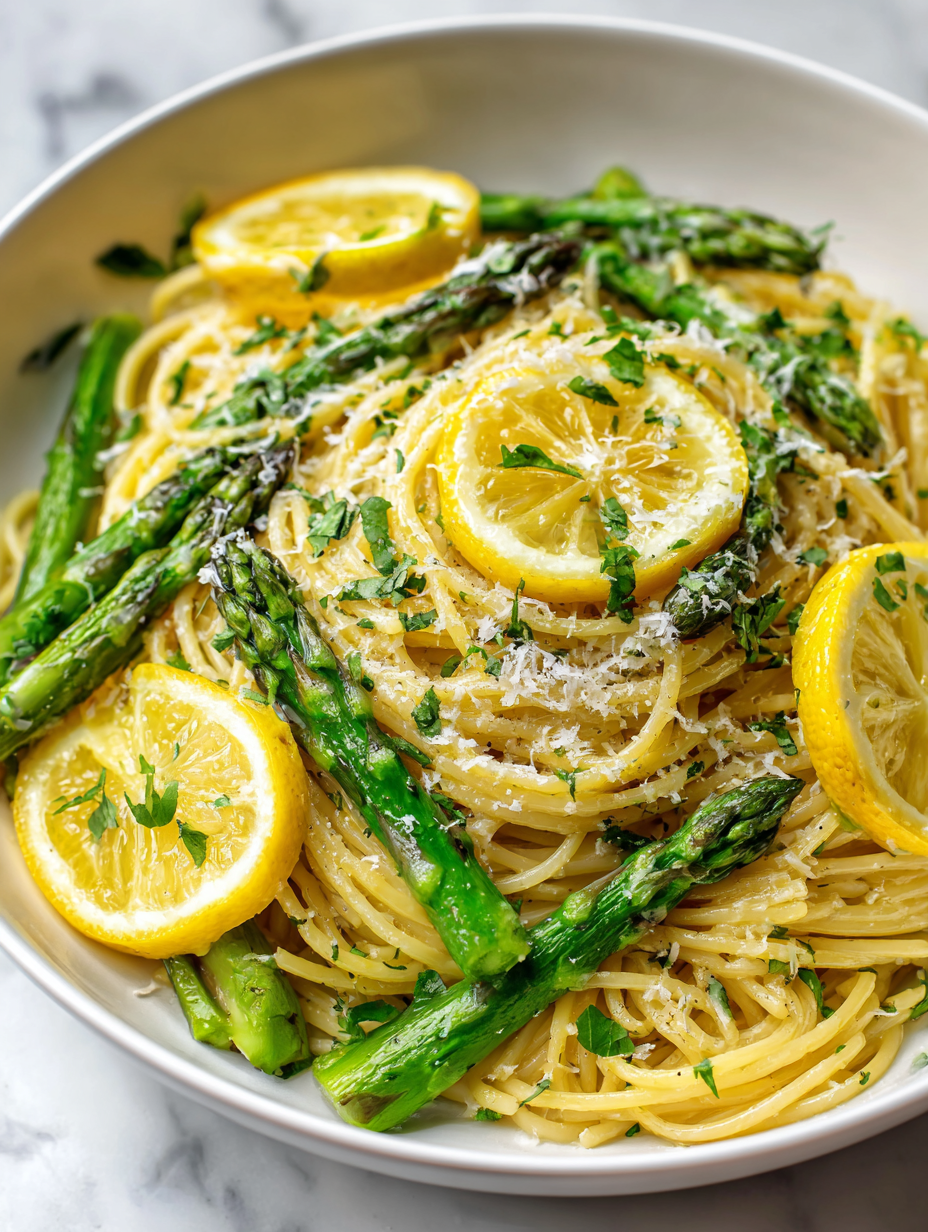
This lemon butter asparagus pasta is my go-to when I need something bright and comforting in a flash. It’s surprisingly simple but feels fancy enough for a small dinner date or a quiet weeknight treat. The trick is balancing the lemon’s zing with the rich butter, creating a sauce that coats every strand of pasta and makes the asparagus sing with freshness.
I love how the lemon cuts through the butter’s richness, giving each bite a lively punch. It’s the kind of dish that feels like a little celebration—bright, satisfying, and quick enough to throw together after a busy day. Plus, it’s one of those recipes that makes me feel like I’ve unlocked a secret to elevating simple ingredients into something special.
Every time I make this, I remember the first time I discovered how lemon and butter can turn a humble bowl of pasta into something memorable. It’s become a comfort in my kitchen, a reminder that sometimes, simple is best. No fuss, just good ingredients dancing together in a pan, ready to serve with a sprinkle of good humor and a glass of chilled white wine.
Focusing on the balance of bright lemon and rich butter to elevate simple asparagus pasta into a dish that feels like a little celebration, even on a busy weeknight.
The story behind this recipe
- This dish came about during a fleeting moment in my tiny apartment kitchen, when I realized how a splash of lemon could brighten even the dullest weeknight. I was trying to salvage some limp asparagus and a block of butter that was melting faster than I could keep up. The result was so surprisingly vibrant that I kept tweaking it, trying to capture that zesty, buttery goodness in every bite.
- It’s become my little ritual—whipping up this pasta when I need a quick lift. I love how it feels like a secret handshake between spring’s fresh produce and my lazy cooking habits. No fancy ingredients, just honest flavors mingling in a pan, reminding me that good food doesn’t have to be complicated to feel special.
- heading: ‘The story behind this recipe’
Key ingredients and tips
- Lemon: I love using freshly grated lemon zest for that intense citrus aroma, but bottled zest can do in a pinch if you’re in a rush—just remember, fresh gives a brighter punch.
- Butter: I go for unsalted, creamy butter that melts smoothly and coats the pasta luxuriously. If you only have margarine, it’s fine, but the flavor won’t be as rich and slightly less velvety.
- Asparagus: I prefer thin spears—they cook faster and stay tender-crisp, giving that perfect bite. Thicker stalks can be a bit tougher, so give them a minute longer in the pan.
- Garlic: I use a generous clove, minced finely to release its aroma quickly. If you’re sensitive to raw garlic, sauté it a little longer until it’s just golden—less sharp, more mellow.
- Pasta: I like spaghetti or linguine for this, but penne works too if you want more of that saucy goodness in every bite. Always salt your water well—think ocean—so the pasta itself flavors up nicely.
- Olive Oil: A splash of good-quality extra virgin olive oil before tossing everything together adds a subtle fruity note and helps everything meld smoothly. Skip it if you’re out, but it’s worth it.
- Parmesan: Freshly grated, it melts into the hot pasta, adding a salty umami punch. If you’re dairy-free, nutritional yeast can give a similar cheesy vibe—less rich, but still satisfying.
Spotlight on key ingredients
Lemon:
- I love using freshly grated lemon zest for that intense citrus aroma, but bottled zest can do in a pinch if you’re in a rush—just remember, fresh gives a brighter punch.
- Butter: I go for unsalted, creamy butter that melts smoothly and coats the pasta luxuriously. If you only have margarine, it’s fine, but the flavor won’t be as rich and slightly less velvety.
- Asparagus: I prefer thin spears—they cook faster and stay tender-crisp, giving that perfect bite. Thicker stalks can be a bit tougher, so give them a minute longer in the pan.
Butter & Asparagus:
- Butter: I love how it melts into the sauce, creating a velvety texture that coats everything beautifully. If you notice it browning too fast, lower the heat—burnt butter can turn bitter.
- Asparagus: During cooking, watch for a vibrant green color and a slight crunch when pierced; they should be tender but still lively on the fork, not mushy.
Notes for ingredient swaps
- Lemon: I prefer fresh lemon zest for that punch of citrus aroma, but bottled zest works in a pinch—just know it’s less vibrant.
- Butter: Unsalted, creamy butter melts beautifully and adds richness. If you only have margarine, it’s okay, but expect a slightly different flavor.
- Asparagus: Thin spears cook faster and stay crisp. Thicker stalks may need a minute longer—look for vibrant green and tender tips.
- Garlic: Use a generous clove, minced finely. If raw garlic feels too sharp, cook it a bit longer until golden for a mellow, nutty flavor.
- Pasta: Spaghetti or linguine are ideal, but penne or fettuccine work too. Salt your water generously—think ocean—so pasta is flavorful on its own.
- Olive Oil: A splash of high-quality extra virgin adds depth. If out, skip it, but your dish will be a tad less layered.
- Parmesan: Freshly grated melts best, adding salty umami. Dairy-free? Nutritional yeast can mimic the cheesy note—less richness, still good.
Equipment & Tools
- Large skillet: To cook the asparagus and toss everything together.
- Large pot: For boiling pasta.
- Tongs: To toss pasta and ingredients without breaking them.
- Zester or microplane: To zest lemon for maximum aroma.
Step-by-step guide to lemon butter asparagus pasta
- Gather your equipment: a large skillet, a pot for boiling, tongs, and a zester or microplane. Fill your pot with salted water—think ocean salty—and bring it to a rolling boil at 100°C (212°F).
- While waiting, prep your ingredients: trim asparagus spears, mince garlic, zest and juice the lemon, grate Parmesan, and set everything nearby for quick access.
- Cook pasta: Add spaghetti or linguine to boiling water. Cook until al dente—about 8 minutes. Taste for a slight firmness; it should have a little bite. Drain, reserving about ½ cup of pasta water.
- In your skillet, melt butter over medium heat (about 160°C/320°F). Add minced garlic and cook until fragrant—about 30 seconds—just until it turns golden, not burned. If it smells acrid, lower the heat.
- Add asparagus: Toss in the trimmed spears, cook for 3-4 minutes until tender-crisp. They should turn vibrant green and be just tender when pierced with a fork. If they’re limp, cook a little longer.
- Pour in lemon juice and zest, then stir to coat. Follow with the drained pasta. Toss everything together over medium heat, adding a splash of reserved pasta water if it feels dry. The sauce should cling and shimmer.
- Finish with Parmesan: Sprinkle over grated cheese, toss again until melted and smooth. Taste and adjust with more lemon or salt if needed. The aroma should be bright, buttery, and lemony.
- Plate the pasta promptly: Twirl it onto plates, drizzle with a little olive oil if desired, and serve immediately. Garnish with extra Parmesan or lemon zest for a fresh burst.
- Rest briefly: Let the pasta sit for a minute or two to settle—this helps the flavors meld before serving. Enjoy the bright, buttery aroma with a crisp white wine or sparkling water.
Serve immediately, garnished with extra lemon zest or Parmesan if desired. Let sit for 1-2 minutes to allow flavors to meld before eating.
How to Know It’s Done
- Pasta is al dente—firm yet cooked through, with a slight bite.
- Asparagus is tender-crisp, vibrant green, and glistening from butter and lemon.
- Sauce clings smoothly to pasta, with a shiny, lemon-bright sheen.
Lemon Butter Asparagus Pasta
Ingredients
Equipment
Method
- Bring a large pot of salted water to a rolling boil, then add the pasta and cook until al dente—about 8 minutes. Drain and set aside, reserving a little pasta water.
- Trim the woody ends from the asparagus and cut into bite-sized pieces. Heat the large skillet over medium heat and add the butter, allowing it to melt and foam gently.
- Add the minced garlic to the skillet and cook for about 30 seconds until fragrant and golden—this fills the kitchen with a warm aroma.
- Stir in the asparagus pieces and cook for about 3-4 minutes until they turn vibrant green and are tender-crisp when pierced with a fork.
- Zest the lemon directly into the skillet, then squeeze in the juice, stirring to coat the asparagus and release bright citrus aroma.
- Add the drained pasta to the skillet, tossing gently to combine everything. If it feels dry, add a splash of the reserved pasta water to loosen the sauce and make it glossy.
- Sprinkle in the freshly grated Parmesan and toss again until melted and integrated, creating a smooth, cheesy coating.
- Finish with a drizzle of olive oil, season with salt and freshly ground black pepper to taste, then give everything a final toss.
- Serve immediately, garnished with extra lemon zest or Parmesan if desired, enjoying the vibrant colors and fragrant aroma of this bright, buttery dish.
Pro tips for perfect lemon butter asparagus pasta
- Bolded mini-head: Use fresh lemon zest for a vibrant citrus aroma that really wakes up the dish.
- Bolded mini-head: Sauté garlic just until fragrant and golden—burnt garlic can turn bitter fast.
- Bolded mini-head: Cook asparagus until tender-crisp—vibrant green and with a slight resistance when pierced.
- Bolded mini-head: Reserve some pasta water—it’s your secret weapon for adjusting sauce consistency.
- Bolded mini-head: Toss the pasta in the skillet over medium heat to help the sauce cling and shimmer.
- Bolded mini-head: Finish with a squeeze of lemon juice after removing from heat—to keep that bright zing alive.
- Bolded mini-head: Use tongs to gently toss everything—this keeps the pasta from breaking and ensures even coating.
Common mistakes and how to fix them
- FORGOT to check pasta doneness → test for slight firmness, not mushiness.
- DUMPED lemon juice too early → add at the end for brightness and freshness.
- OVER-TORCHED garlic → cook on lower heat until fragrant, not burnt.
- MISSED to reserve pasta water → use it to loosen sauce if it’s too thick.
Quick fixes and pantry swaps
- When sauce shimmers, it’s ready—don’t wait for it to crackle.
- Splash pasta water if sauce feels thick—starch helps it cling and shine.
- Patch overcooked asparagus with a squeeze of lemon—brightens everything instantly.
- Splash olive oil on leftovers to refresh flavor and create a shimmer.
- Shield burnt garlic by lowering heat immediately—rescue with a splash of water and stir.
Prep, store, and reheat tips
- Prep lemon zest, garlic, and asparagus ahead—store in airtight containers in the fridge for up to 24 hours; brightens the dish and saves time.
- Cook and drain the pasta in advance; keep it in a sealed container for up to 1 day. Reheat gently with a splash of hot water or olive oil, watching for a slight shimmer and aroma of cooked starch.
- The lemon butter sauce can be made a few hours ahead; reheat gently over low heat until just warmed—avoid boiling to keep the butter from separating and losing its silky texture.
- Store leftover pasta in an airtight container for up to 2 days. Reheat in a skillet over low heat, adding a splash of water to revive the sauce’s shiny, lemon-bright sheen and buttery aroma.
Top questions about lemon butter asparagus pasta
1. Can I use bottled lemon juice instead of fresh?
Use fresh lemon juice for a bright, tangy flavor that enhances the dish’s freshness. Bottled can work in a pinch, but it won’t be as lively.
2. How do I know when the pasta is done?
Cook your pasta until just al dente, about 8 minutes. It will finish cooking slightly in the sauce, so don’t overdo it.
3. How do I tell if the asparagus is cooked perfectly?
Trim the woody ends of asparagus and cook until tender-crisp, about 3-4 minutes. They should be vibrant green and slightly resistant to a fork.
4. What if the sauce is too thick?
If the sauce seems too thick, add a splash of reserved pasta water to loosen it and help it cling better to the noodles.
5. Can I substitute butter with margarine?
Use unsalted, high-quality butter for a rich, smooth sauce. If you only have margarine, expect a less velvety texture and slightly different flavor.
6. When should I add the lemon juice?
Finish the dish with a squeeze of lemon juice after removing from heat to keep that bright, zesty flavor lively.
7. Why should I save pasta water?
Reserve some pasta water before draining. Its starchy content helps the sauce stick and gives it a glossy finish.
8. How do I prevent garlic from burning?
Cook garlic just until fragrant and golden—about 30 seconds on medium heat. Burnt garlic turns bitter and ruins the flavor.
9. Should I wait before serving?
Serve immediately for the best flavor and texture. The butter and lemon aroma are most intense right after tossing the pasta.
10. When is the best time to make this dish?
This dish is perfect for spring when asparagus is in season and lemon is at its brightest. It’s a quick, fresh meal for busy nights or casual dinners.
This pasta feels like a little celebration, even if it’s just a weeknight. The bright lemon and rich butter bring a fresh, satisfying feel that’s hard to beat. It’s simple, honest, and perfect for when I want something quick but memorable.
Every time I make this, I’m reminded how fresh ingredients and a little bit of balance can turn ordinary into something special. It’s one of those dishes that makes me pause and enjoy the little moments—bright, buttery, and just right for now.

Hi, I’m Anjali Arora — the curious heart behind Feast Chase.
To be honest, I’ve always felt most at ease in my own company. I’m not exactly a people-person (small talk still makes me cringe), but there are two things I’ve always loved deeply: animals and food.