 Anjali Arora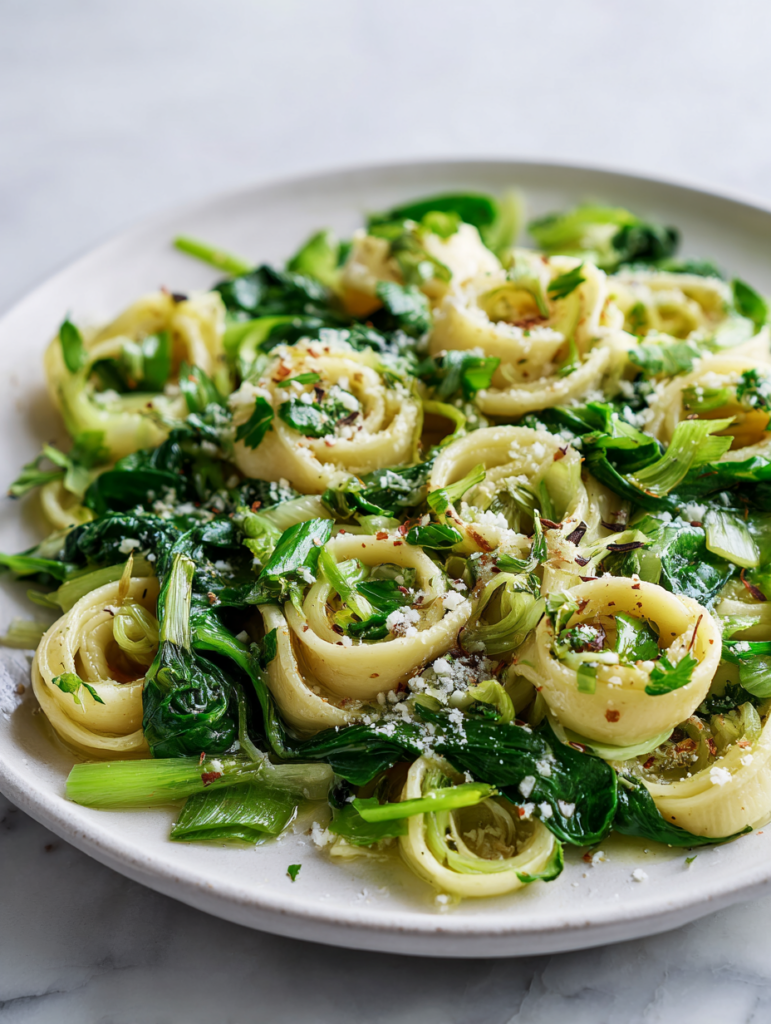
This leek and spinach pasta recipe came from a lazy afternoon in my grandmother’s kitchen, where she’d toss together whatever greens she had left from the garden. There’s something about the way the leeks soften and release their sweet, oniony aroma that feels like a quiet cheer in the middle of a busy week. It’s honest food, simple but with a depth that sneaks up on you.
I like to think of this dish as a little nod to those humble moments—no fuss, just good ingredients coming together. The leeks, once they’ve cooked down, become tender and slightly caramelized, while the spinach adds a fresh, vibrant punch. It’s a reminder that some of the best meals are made from leftovers, transformed with a bit of patience and a sprinkle of love.
This recipe is inspired by my grandmother’s secret love for using leftover leeks and spinach from the garden, turning them into a simple, soulful pasta that feels like a warm hug on busy nights.
The story behind this recipe
- Growing up, I watched my grandmother toss leftover leeks and spinach into the pan, turning what seemed like humble ingredients into something cozy and satisfying. Those quiet moments in her kitchen, smelling of caramelized leeks and garlic, stuck with me. This dish is my tribute to those small, honest joys—making something beautiful out of leftovers.
- Sometimes, I crave this pasta on a hectic day when I need a reminder that good food doesn’t have to be complicated. It’s a pattern of slow caramelization and fresh greens that feels like a gentle pause amidst chaos. It’s simple, but those familiar flavors ground me—like a quiet, flavorful hug I can count on.
- heading: ‘The story behind this recipe’
Ingredient breakdown: key components
- Leeks: I love how they mellow out and become sweet and silky when cooked slowly. If yours turn bitter, turn down the heat and give them more time to soften.
- Spinach: Fresh spinach adds a vibrant punch. If you’re using frozen, make sure to squeeze out excess water so the pasta doesn’t turn soggy.
- Pasta: I prefer al dente, just tender but with a little bite. Overcooking makes it mushy and less sauce-friendly.
- Olive oil: Use good-quality extra virgin for that fruity, peppery kick. Skip it if you’re aiming for a lighter, more delicate sauce.
- Garlic: It’s the backbone of flavor here. Crush and sauté until fragrant—if it browns too fast, turn the heat down to avoid bitterness.
- Lemon: A splash of lemon brightens everything. If you want more zing, add a little lemon zest with the pasta for an extra lift.
- Salt & pepper: Season generously but taste as you go. The right amount elevates the sweetness of the leeks and greens.
Spotlight on Key Ingredients
Leek:
- Leeks: I love how they mellow out and become sweet and silky when cooked slowly. If yours turn bitter, turn down the heat and give them more time to soften.
- Spinach: Fresh spinach adds a vibrant punch. If you’re using frozen, make sure to squeeze out excess water so the pasta doesn’t turn soggy.
Spinach:
- Its tender leaves wilt quickly and release a vibrant green color, adding freshness to the dish. If overcooked, it loses brightness and turns dull.
- During cooking, it shrinks dramatically—don’t overload your skillet or you’ll end up with a soggy mess.
Notes for ingredient swaps
- Dairy-Free: Swap Parmesan for nutritional yeast or a nut-based cheese alternative. The flavor will be slightly different, but still savory and satisfying.
- Gluten-Free: Use a gluten-free pasta variety like rice or chickpea pasta. Keep in mind, these can cook faster or have a different texture.
- Vegan: Omit cheese or replace with a plant-based cheese. Use olive oil instead of butter if the recipe calls for it, to keep it rich.
- Frozen Spinach: If fresh isn’t available, frozen spinach works well—just squeeze out excess water to avoid a watery dish.
- Leeks: Shallots or finely chopped sweet onion can substitute, but they won’t have the same sweet, mellow flavor. Adjust cooking time accordingly.
- Lemon: Lime juice or a splash of white wine vinegar adds brightness. Use sparingly and taste as you go for the right zing.
- Olive Oil: Avocado oil or a neutral oil like sunflower can be used if you prefer a milder flavor or different smoke point.
Equipment & Tools
- Large skillet: To slowly cook the leeks and sauté greens.
- Slotted spoon: To stir and transfer cooked ingredients without excess liquid.
- Sharp knife: To slice leeks and mince garlic.
- Chopping board: To prepare vegetables safely.
- Large pot: To boil the pasta efficiently.
Step-by-step guide to leek and spinach pasta
- Gather your equipment: a large skillet (preferably non-stick), a slotted spoon, a sharp knife, and a chopping board. Boil a large pot of salted water until it reaches 100°C (212°F).
- Slice the leeks thinly, about 3-4 mm, discarding the dark green tops if tough. Rinse well to remove grit—this is where patience pays off.
- In the skillet, heat 2 tbsp olive oil over medium-low heat (about 150°C / 300°F). Add the sliced leeks. Cook slowly, stirring occasionally, until they turn soft and golden, about 10-12 minutes. They should smell sweet and caramelized, not burnt.
- While leeks cook, drop the pasta into the boiling water. Cook until al dente, about 8 minutes. Reserve a cup of pasta water before draining.
- Add 2 minced garlic cloves to the leeks in the skillet. Cook for 1 minute until fragrant, stirring constantly to prevent browning. If garlic browns too quickly, lower the heat.
- Stir in 2 cups of fresh spinach, letting it wilt down. If using frozen spinach, squeeze out excess water first to avoid a watery dish.
- Drain the pasta, then add it directly to the skillet with the leeks and spinach. Toss well to combine, adding reserved pasta water a splash at a time if needed to loosen the mixture.
- Finish with a squeeze of lemon juice (about 1 tbsp) and season generously with salt and pepper. Toss again to distribute flavors evenly.
- Let it rest off the heat for 1-2 minutes. This helps the flavors meld and the pasta absorb some of the sauce.
- Serve warm, garnished with a bit of grated Parmesan if desired. Enjoy the cozy, savory aroma of caramelized leeks mingling with bright lemon.
Let the pasta rest off heat for 1-2 minutes to absorb flavors. Plate generously, drizzle with extra lemon if desired, and serve immediately while warm and fragrant.
How to Know It’s Done
- Leeks are soft, golden, and sweet, not bitter or burnt.
- Pasta is al dente, with a slight bite but tender enough to absorb flavors.
- Leek and spinach mixture is well combined with a glossy, slightly saucy appearance.
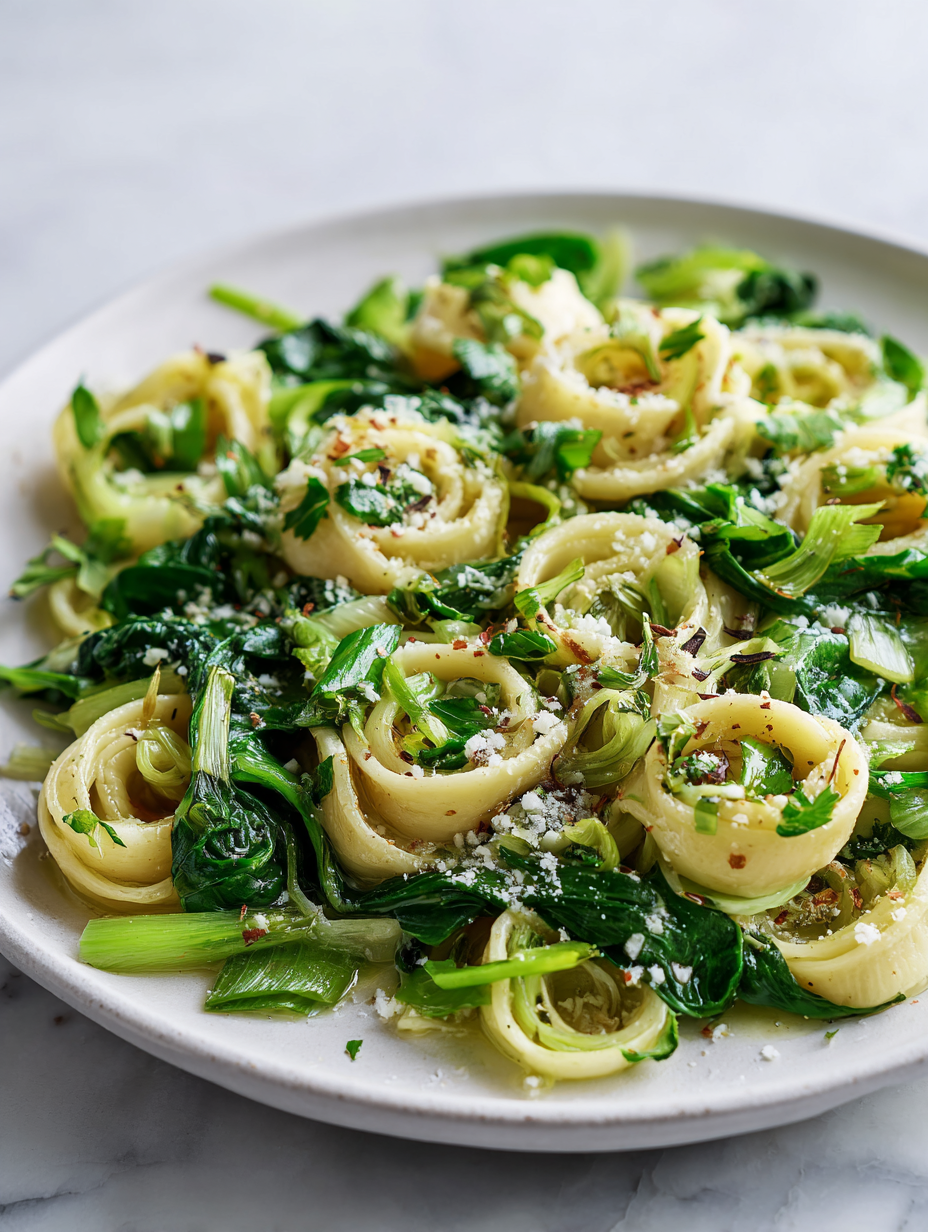
Leek and Spinach Pasta
Ingredients
Equipment
Method
- Slice the leeks thinly, about 3-4 mm, and rinse thoroughly to remove any grit. Set aside.
- Bring a large pot of salted water to a boil and cook your pasta until just al dente, about 8 minutes. Drain and set aside, reserving a splash of pasta water.
- Heat olive oil over medium-low heat in a large skillet. Add the sliced leeks and cook gently, stirring occasionally, until they turn soft, golden, and sweet, about 10-12 minutes. The aroma should be sweet and caramelized.
- Add the minced garlic to the skillet and cook for about 30 seconds until fragrant, stirring constantly to prevent burning or bitterness.
- Stir in the chopped spinach and cook just until wilted, about 1-2 minutes. If using frozen spinach, make sure to squeeze out excess water beforehand to avoid soggy greens.
- Combine the drained pasta with the leek and spinach mixture in the skillet. Toss everything together, adding a little reserved pasta water if needed to loosen the sauce and help coat the noodles evenly.
- Squeeze fresh lemon juice over the pasta and season generously with salt and freshly ground pepper. Toss again to distribute the flavors evenly.
- Let the pasta rest off the heat for 1-2 minutes to allow the flavors to meld and the dish to cool slightly, making it more flavorful and inviting.
- Serve the leek and spinach pasta warm, garnished with extra lemon and freshly ground pepper if desired. Enjoy the cozy, caramelized flavors and vibrant greens in every bite!
Pro tips for leek and spinach pasta
- Use a wide, shallow pan to evenly caramelize the leeks, enhancing their natural sweetness.
- Sauté garlic just until fragrant, about 30 seconds; overcooking can bring bitterness.
- Add spinach in batches and stir until just wilted to keep vibrant color and fresh texture.
- Reserve pasta water before draining; it’s your secret to a silky, well-coated sauce.
- Finish with a squeeze of lemon to brighten flavors and cut through the richness.
- Taste as you go—adjust salt and pepper in small increments to perfectly balance the sweetness and greens.
- Rest the pasta off heat for a minute or two before serving to allow flavors to meld.
Common mistakes and how to fix them
- FORGOT to check the leeks’ sweetness before caramelizing, fix by tasting frequently.
- DUMPED all pasta water at once, fix by reserving a little for sauce adjusting.
- OVER-TORCHED garlic, fix by lowering heat immediately and stirring to prevent bitterness.
- FAILED to stir greens quickly, fix by tossing immediately to prevent sogginess.
Quick fixes and pantry swaps
- When sauce shimmers and smells fragrant, it’s ready for the pasta.
- Splash a bit of pasta water if the sauce feels too thick or sticky.
- Patch burnt garlic immediately by removing pan from heat and adding fresh garlic later.
- Shield overcooked greens with a quick squeeze of lemon to revive brightness.
- Rescue soggy pasta by tossing with hot oil and a squeeze of lemon zest.
Prep, store, and reheat tips
- Prep the leeks and spinach: slice and wash them thoroughly, can be done a day ahead; keep refrigerated and covered, they stay fresh for 1-2 days.
- Cook the pasta in advance: drain and toss with a little olive oil to prevent sticking; store in an airtight container for up to 1 day in the fridge.
- Refrigerate leftovers promptly: store the assembled pasta in an airtight container for up to 2 days, though flavor and texture may diminish slightly.
- Reheat gently: warm in a skillet over low heat, adding a splash of reserved pasta water or olive oil to refresh the sauce, until just heated through with a fragrant aroma.
- Sensory note: reheated pasta will smell slightly sweeter as the leeks caramelize further and greens wilt again, but avoid overheating to prevent mushiness.
Top questions about leek and spinach pasta
1. How do I pick good leeks?
Use fresh, firm leeks that are light green; avoid those with dark spots or mushy texture for the best flavor.
2. What kind of spinach works best?
Fresh spinach should be bright green and crisp. If frozen, squeeze out excess water before adding to avoid sogginess.
3. How do I know when the pasta is done?
Cook pasta until just al dente, about 8 minutes. Overcooking makes it mushy and less sauce-friendly.
4. How long should I cook the leeks?
Slowly caramelize the leeks over medium-low heat until golden and sweet, about 10-12 minutes, to develop depth.
5. Can I use a different oil?
Use good-quality olive oil for a fruity, peppery flavor. It makes a noticeable difference in aroma and richness.
6. How much lemon should I add?
Add lemon juice at the end for brightness. For a stronger zing, zest the lemon before squeezing.
7. What if the sauce is too gloopy?
If the sauce is too thick, stir in reserved pasta water a tablespoon at a time until it loosens up.
8. How do I prevent garlic from burning?
Over-browning garlic results in bitterness. Cook just until fragrant, about 30 seconds, over medium heat.
9. Can I make this vegan?
For a vegan version, skip cheese and use nutritional yeast or a plant-based cheese alternative for added umami.
10. How should I store leftovers?
Leftovers can be refrigerated in an airtight container for up to 2 days. Reheat gently in a skillet with a splash of water or oil.
This pasta really highlights how humble ingredients like leeks and spinach can come together into something unexpectedly comforting. It’s a dish that feels like a quiet rebellion against rushed weeknights, giving you a moment to savor simple, honest flavors.
Whenever I make this, I’m reminded that good food doesn’t have to be complicated. It’s about letting the ingredients shine and taking a little time for gentle caramelization and brightening with lemon. That little effort rewards you with a bowl full of warmth and fresh, vibrant taste.

Hi, I’m Anjali Arora — the curious heart behind Feast Chase.
To be honest, I’ve always felt most at ease in my own company. I’m not exactly a people-person (small talk still makes me cringe), but there are two things I’ve always loved deeply: animals and food.