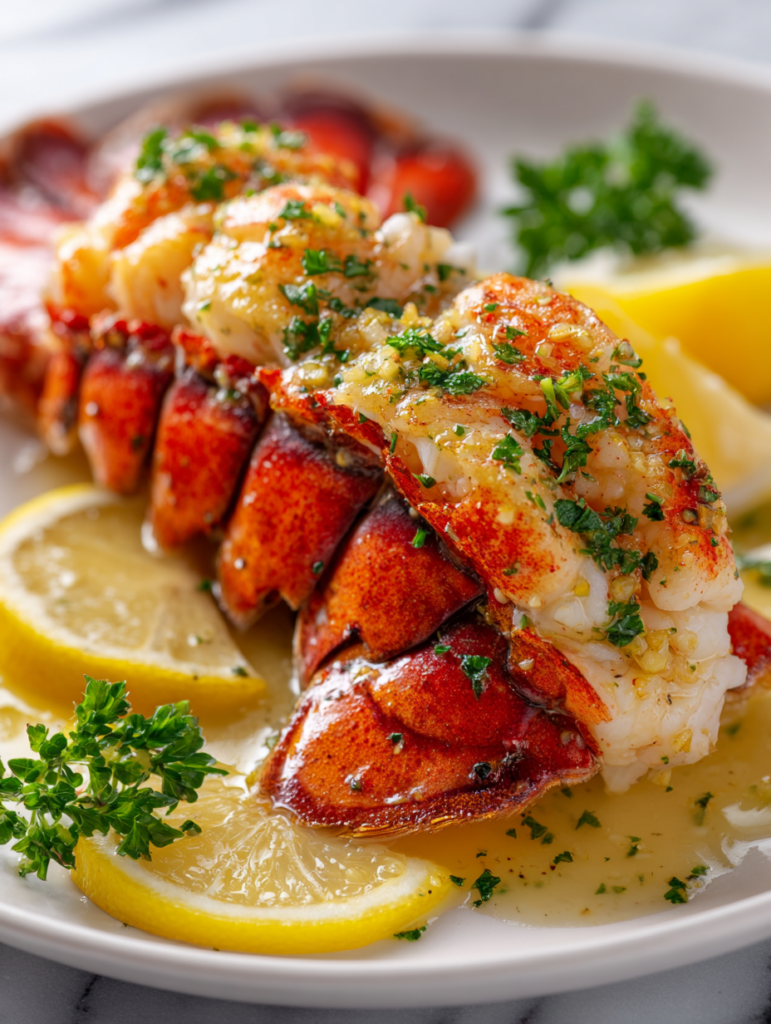
Lobster tail gets a bad rap for seeming intimidating, but honestly, it’s just a matter of knowing how to treat it right. I love stripping it back to basics—no fancy gadgets needed—just a good sharp knife and a bit of patience. This garlic butter version is my go-to when I want a little show-stopping meal that’s simple enough for a weeknight but feels extra special.
What makes this recipe stand out is how the garlic butter transforms the lobster, turning each bite into something rich and fragrant without overpowering that sweet, tender meat. It’s a reminder that sometimes, straightforward ingredients, treated well, can bring out the best in seafood. Plus, I swear, the smell of garlic and butter sizzling together is pure comfort—like a little kitchen magic happening right on your stove.
Focusing on the overlooked art of lobster tail preparation, this recipe emphasizes how a simple garlic butter can elevate seafood to restaurant-quality without fancy tools or techniques.
The story behind this recipe
- This recipe started as a way to make lobster feel less intimidating, especially for those of us who don’t cook seafood every day. I remember the first time I tried a lobster tail at a small seaside shack—simple, buttery, and so fragrant it stuck with me. That moment made me want to recreate that feeling at home, without fuss or fancy tools.
- What’s kept me coming back to this dish is how a few honest ingredients—garlic, butter, and fresh lobster—can turn into something deeply satisfying. It’s like capturing a tiny bit of coastal magic in your own kitchen, even if you’re miles from the sea. The smell alone, when the butter and garlic hit the hot pan, always pulls me in—this dish is pure, unpretentious comfort.
- heading: ‘The story behind this recipe’
Key ingredients and tips
- Lobster tail: I always look for a bright, firm shell—freshness is key, so avoid dull-looking shells with soft spots.
- Garlic: I prefer fresh cloves, sliced thin—oozy and fragrant when sizzling, it releases that punchy aroma that makes the dish unforgettable.
- Butter: Use unsalted, high-quality butter; the richness melts beautifully and helps control salt levels—skip margarine for a more natural flavor.
- Olive oil: A splash helps prevent burning during searing—use a good extra virgin for that fruity note that balances the richness.
- Lemon: Fresh lemon juice brightens everything—don’t skimp, the zesty tang cuts through the buttery richness with a zing.
- Parsley: Chopped fresh parsley adds color and freshness—sprinkle generously just before serving for that vibrant, herbal contrast.
Spotlight on key ingredients
Lobster Tail:
- I look for a bright, firm shell—freshness is everything, avoid dull shells with soft spots.
- The meat: It should feel heavy for its size, and the flesh should be translucent before cooking, signaling freshness.
Garlic:
- I slice it thin—when it hits the hot butter, it releases a pungent, aromatic ooze that’s irresistible.
- The aroma: Expect a fragrant, slightly smoky scent as the garlic cooks—it’s the smell of rich, savory bliss.
Notes for ingredient swaps
- Dairy-Free: Swap butter for coconut oil or vegan butter; expect a slightly different, milder richness.
- Low-Sodium: Use unsalted butter and skip added salt; enhance flavor with extra lemon or herbs instead.
- Garlic Alternatives: Roast garlic instead of raw for a sweeter, mellow note, or use garlic powder in a pinch.
- Herb Variations: Replace parsley with chives or tarragon for a different herbal brightness.
- Lemon Juice: Use lime or vinegar for acidity if lemon isn’t available; adjust quantity to taste.
- Seafood Swap: Try scallops or firm white fish fillets if lobster isn’t on hand; cook just until opaque.
Equipment & Tools
- Sharp scissors or knife: To cut and prepare the lobster shell
- Baking sheet or oven-proof skillet: To cook the lobster evenly in the oven
- Basting brush or spoon: To apply garlic butter thoroughly
- Small saucepan: To melt and infuse the garlic butter
Step-by-step guide to garlic butter lobster
- Equip your workspace with a sharp paring knife, a baking sheet or oven-proof skillet, and a basting brush or spoon for butter. Preheat your oven to 200°C (390°F).
- Start by preparing the lobster tail: using scissors or a sharp knife, carefully cut along the top shell from the base to the tail tip, exposing the meat. Gently lift the meat out, keeping it attached at the tail end, and lay it on top of the shell for a neat presentation.
- Pat the lobster meat dry with paper towels. Season lightly with salt and a touch of pepper. Set aside.
- In a small saucepan, melt 4 tablespoons of unsalted butter over medium heat (about 160°C / 320°F). Add 3 minced garlic cloves and cook until fragrant, about 1-2 minutes, stirring constantly to prevent burning.
- Brush the lobster meat generously with the garlic butter, making sure to cover all surfaces. Place the lobster on the baking sheet or in an oven-proof skillet.
- Bake in the preheated oven for 12-15 minutes. Check at the 12-minute mark; the meat should be opaque and firm, with a slight golden edge. Baste with more garlic butter halfway through for extra flavor.
- Once cooked, remove from oven. Let rest for 2 minutes to allow juices to settle. Finish with a squeeze of fresh lemon juice and a sprinkle of chopped parsley.
- Serve immediately with extra garlic butter on the side for dipping. Plate with lemon wedges and enjoy the fragrant, tender lobster.
Let the lobster rest for 2 minutes after baking. Serve hot, garnished with fresh parsley and lemon wedges. Drizzle extra garlic butter for dipping if desired.
How to Know It’s Done
- Lobster meat is opaque and firm, with a slight golden edge.
- Garlic butter is bubbling and fragrant, coating the lobster evenly.
- Lemon juice adds a bright, zesty aroma that complements the richness.
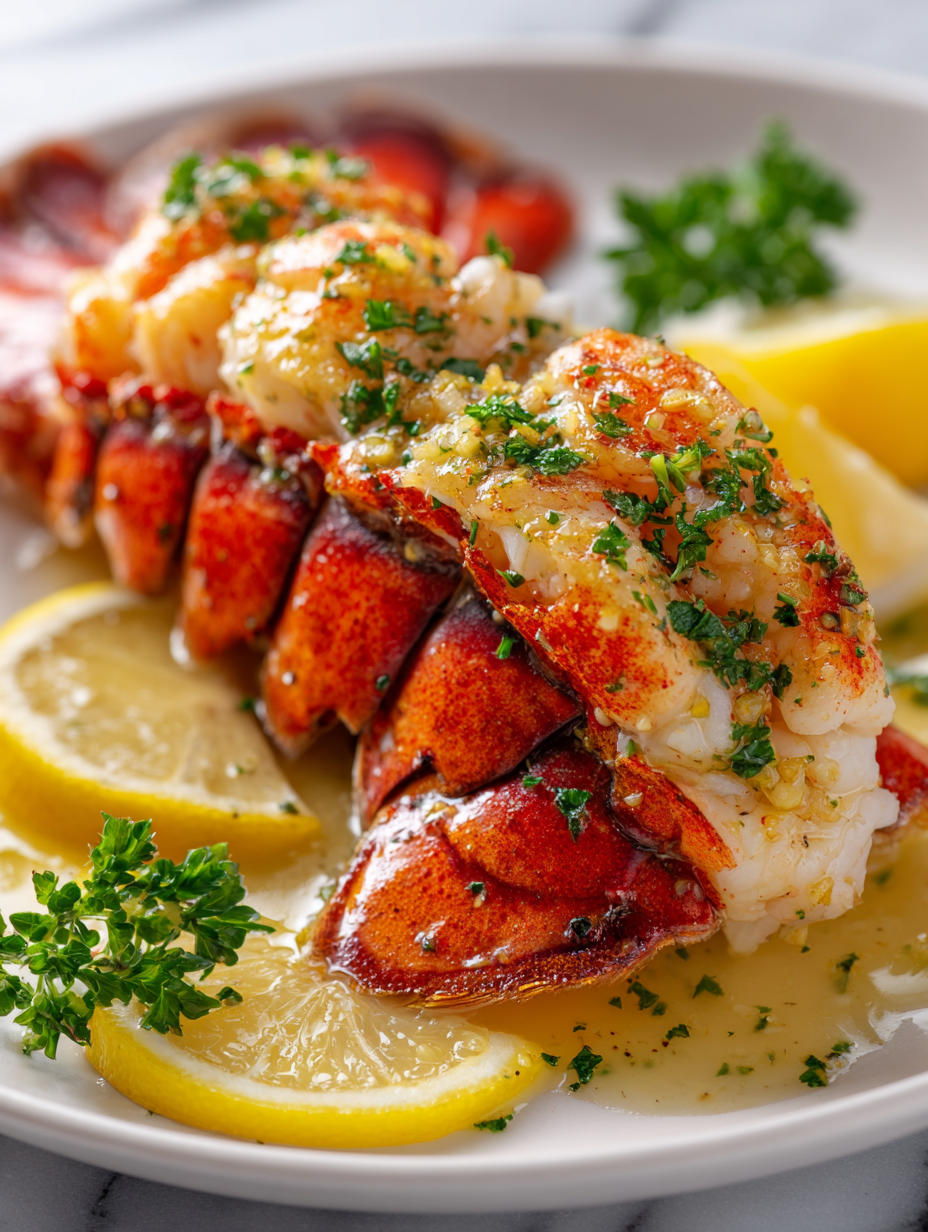
Garlic Butter Lobster Tail
Ingredients
Equipment
Method
- Start by preheating your oven to 200°C (390°F) and gathering a sharp knife or scissors, a baking sheet, a basting brush, and a small saucepan.
- Using scissors or a sharp knife, carefully cut along the top shell of each lobster tail from base to tip, exposing the meat underneath. Gently lift the meat out of the shell, keeping it attached at the tail end, and lay it on top for a tidy presentation.
- Pat the lobster meat dry with paper towels, then lightly season with salt and pepper. Set aside while you prepare the garlic butter.
- In a small saucepan, melt the butter over medium heat, listening for it to bubble gently and release a rich, nutty aroma. Add the sliced garlic and cook for 1-2 minutes until fragrant and slightly golden, stirring constantly to prevent burning.
- Brush the lobster meat generously with the warm garlic butter, ensuring all sides are coated. Place the lobster on your prepared baking sheet or oven-proof skillet.
- Bake in the preheated oven for 12-15 minutes. The lobster is ready when the meat turns opaque and firm, with a slight golden edge. Baste with more garlic butter halfway through for extra flavor and moisture.
- Once cooked, remove the lobster from the oven and let it rest for 2 minutes. Squeeze fresh lemon juice over the top and sprinkle with chopped parsley for a vibrant finish.
- Serve immediately with extra garlic butter on the side for dipping, along with lemon wedges. Enjoy the tender, fragrant lobster with its rich, buttery coating.
Pro tips for perfect lobster
- Bolded mini-head: Use a sharp paring knife—dull blades crush the shell, sharpens cleanly, making precise cuts easier.
- Bolded mini-head: Sear the lobster meat first—get a deep golden color and a nutty aroma before baking for extra flavor.
- Bolded mini-head: Baste generously—apply garlic butter multiple times during baking to keep the meat moist and infused with flavor.
- Bolded mini-head: Don’t overcrowd the pan—give each lobster tail space for even heat and crisp edges.
- Bolded mini-head: Use fresh garlic—dull, pre-minced garlic loses punch; slicing fresh cloves releases more fragrance and punch.
- Bolded mini-head: Rest after baking—let the lobster sit for 2 minutes to allow juices to redistribute, ensuring moist bites.
- Bolded mini-head: Finish with lemon—brightens fat, cuts richness, and adds a fresh note that elevates every bite.
Common mistakes and how to fix them
- FORGOT to adjust heat → lobster can overcook if pan is too hot from the start.
- DUMPED all butter at once → add butter gradually to prevent burning and control flavor.
- OVER-TORCHED garlic → remove pan from heat immediately if garlic starts to brown too quickly.
- MISSED resting time → let lobster rest 2 minutes after baking to retain juices.
Quick fixes and pantry swaps
- When sauce shimmers, splash a splash of water to tame it quickly.
- If garlic burns, dump and start with fresh garlic butter—smell it out.
- Splash cold water on pan if butter smokes too much—cools and calms the heat.
- Patch over a crackling lobster shell with foil—five seconds of shimmer and crackle.
- Shield lobster tail with foil if edges brown too fast—slower oven temp helps.
Prep, store, and reheat tips
- Prep the lobster tail: cut and clean it up to the seasoning stage, wrap tightly, and refrigerate for up to 24 hours. The shell might turn a little dull, but the meat stays fresh.
- Make garlic butter ahead: melt and mix your butter with garlic, store in an airtight container in the fridge for 2-3 days. The aroma will deepen overnight, making it even more fragrant.
- Refrigerate leftovers: cooked lobster keeps well for up to 2 days in an airtight container. The meat might dry out slightly—reheat gently to preserve moisture.
- Reheating tip: warm in a covered skillet over low heat or in the oven at 150°C (300°F) for 5-7 minutes. Look for the butter to shimmer and the meat to regain a tender texture.
- Note on flavor: the garlic butter flavor intensifies as it sits, so your reheated lobster will taste just as rich, with a hint of garlic kick.
Top questions about Garlic Butter Lobster
1. Can I use frozen lobster tails?
Use fresh lobster tails for the best flavor and texture. Frozen can work but may be less tender.
2. Can I cook frozen lobster tail directly?
Yes, just thaw completely in the fridge overnight before cooking to ensure even heat.
3. How do I know when lobster is done?
Cook lobster until the meat is opaque and firm, about 12-15 minutes at 200°C (390°F).
4. How much garlic butter should I use?
Apply garlic butter generously before baking, and baste halfway through for maximum flavor.
5. Can I substitute margarine or lower-quality butter?
Use high-quality unsalted butter to control salt and enhance richness, especially with fresh garlic.
6. Can I customize the seasonings?
Yes, you can add a pinch of cayenne or smoked paprika for a spicy or smoky twist.
7. Should I serve immediately or can I prepare ahead?
Serve immediately with lemon wedges and extra garlic butter for dipping. Keep warm until served.
8. How do I reheat leftovers without drying them out?
Yes, reheat gently in the oven at 150°C (300°F) for 5-7 minutes, until warmed through and fragrant.
9. What mistakes should I avoid?
Overcooking causes tough, rubbery meat. Use a timer and check for opaque, firm flesh around 12 minutes.
10. How do I prevent garlic from burning?
Ensure the garlic doesn’t burn by adding it late or lowering heat once butter is bubbling.
This dish is a reminder that sometimes, simplicity and a few honest ingredients can make seafood feel truly special. The warm smell of garlic and butter mingling with tender lobster is a small, fragrant celebration of good cooking. No matter the occasion, it’s a go-to for a reason that’s rooted in both comfort and a little bit of coastal magic.
Cooking this lobster tail feels like a little act of indulgence that’s easy enough to do anytime. It’s raw, fragrant, and just a bit messy—in the best way—and that’s part of what makes it so satisfying. It’s not perfect, but it’s honest, flavorful, and always worth the effort.

I’m Mayank, the creator, cook, and writer behind this blog. FeastChase is not just a collection of recipes — it’s a journey through tastes, memories, and moments that bring people together at the table.