 Anjali Arora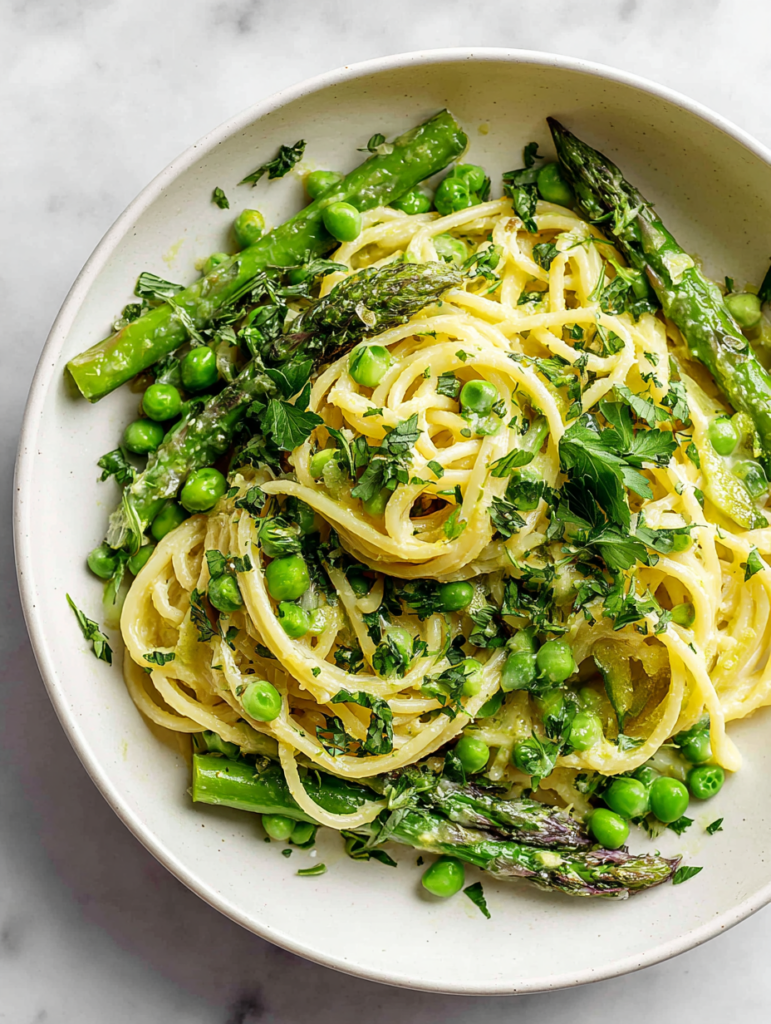
Springtime often feels like a quiet celebration in the kitchen, especially when I get my hands on fresh asparagus and peas. There’s something about those bright, tender vegetables that transforms a simple pasta into a dish that feels both fresh and comforting, almost like a little toast to the season itself. I love how these ingredients can be so humble, yet when combined, they create something surprisingly elegant.
This recipe is my go-to when I want a quick, honest meal that captures the fleeting beauty of spring. It’s not about fussing with complicated sauces or obscure ingredients — it’s about letting the vegetables shine, lightly dressed with olive oil, lemon zest, and a sprinkle of cheese. It’s a reminder that good food doesn’t have to be complicated to be memorable.
Cooking this pasta always pulls me back to those lazy weekend afternoons in the garden, the scent of freshly cut asparagus in the air, and the satisfying snap of peas. It’s a dish rooted in simplicity but bursting with flavor — a little celebration of the season, no matter how busy life gets.
Focusing on the overlooked beauty of simple spring vegetables, this recipe elevates everyday asparagus and peas into a comforting yet refined pasta dish that celebrates seasonal freshness in every bite.
The story behind this recipe
- This recipe was born out of a lazy Saturday in spring, when I wandered into the kitchen with a handful of fresh asparagus and a bag of sweet peas. I wanted something quick but that still felt special — like a small act of seasonal celebration. The idea of blending those crisp, slightly grassy vegetables into a simple pasta just clicked, and I’ve been making variations of it ever since.
- It’s a dish that reminds me to keep things simple, to trust the freshness of the ingredients, and to enjoy the fleeting moments of peak spring produce. There’s not much fuss, just a quick toss in the pan, a squeeze of lemon, and a sprinkle of cheese. That’s enough to make it feel like spring on a plate.
- heading
- story_type
Ingredient breakdown: key components
- Asparagus: I love the snap and grassy aroma when they hit the hot pan; skip the woody ends for tenderness.
- Peas: Fresh peas burst with sweetness and a slightly starchy scent; use frozen if fresh aren’t in season, but rinse well.
- Pasta: I prefer a sturdy shape like rigatoni or cavatappi that catches bits of veg; cook until just al dente, still firm but tender.
- Olive oil: Use a good extra virgin for a fruity, peppery note; enough to lightly coat the pasta and veggies, not drown them.
- Lemon: Bright, zesty aroma that lifts the dish; zest before juicing to avoid bitterness, and don’t skip the fresh squeeze.
- Cheese: Pecorino or Parmesan — I love the salty, umami punch; grate just before mixing for maximum flavor and texture.
- Salt & pepper: Don’t be shy—season in layers; taste as you go, aiming for a balanced, vibrant finish.
Spotlight on key ingredients
Asparagus:
- I love the snap and grassy aroma when they hit the hot pan; skip the woody ends for tenderness.
- Peas: Fresh peas burst with sweetness and a slightly starchy scent; use frozen if fresh aren’t in season, but rinse well.
- Pasta: I prefer a sturdy shape like rigatoni or cavatappi that catches bits of veg; cook until just al dente, still firm but tender.
Peas:
- Bright little orbs that pop with sweetness; they need gentle cooking so they don’t turn mushy or dull in color.
- Fresh peas burst with sweetness and a slightly starchy scent; use frozen if fresh aren’t in season, but rinse well.
- Pasta: I prefer a sturdy shape like rigatoni or cavatappi that catches bits of veg; cook until just al dente, still firm but tender.
Notes for ingredient swaps
- Dairy-Free: Swap Parmesan for nutritional yeast. It adds a cheesy umami without dairy, but lacks the melt and richness.
- Vegan: Use vegan cheese or skip cheese altogether. You’ll lose some saltiness, so compensate with a splash of soy or miso in the water.
- Gluten-Free: Replace regular pasta with rice or chickpea pasta. Keep an eye on cooking times as they vary more widely.
- Pesto or Herb Butter: Instead of cheese, toss with a vibrant basil pesto or garlic herb butter for extra flavor.
- Lemon: Use lime or yuzu for a different citrus punch; they bring a slightly different brightness but still lift the dish.
- Vegetables: Add in spinach or arugula at the end for extra greens—just wilt briefly until they’re vibrant and tender.
- Oil: Swap extra virgin olive oil for avocado oil for a milder, slightly nuttier flavor that holds up well at higher heat.
Equipment & Tools
- Large pot: Boil pasta efficiently and evenly
- Wide skillet or sauté pan: Cook vegetables and toss pasta for even coating
- Tongs: Gently toss and serve pasta without breaking it
- Grater: Freshly grate cheese for maximum flavor
- Lemon zester and juicer: Add bright citrus aroma and flavor
Step-by-step guide to asparagus and pea pasta
- Gather your equipment: a large pot for boiling pasta, a wide skillet for sautéing, and tongs for tossing. Have everything within arm’s reach to keep the process smooth.
- Fill the pot with water, add a generous pinch of salt, and bring to a rolling boil—around 100°C (212°F). Drop in your pasta; cook until just shy of al dente, about 1-2 minutes less than package instructions.
- While pasta cooks, prep the vegetables: trim the woody ends off the asparagus, cut into 2-inch pieces, and set aside. Rinse the peas if fresh, or measure out frozen peas, no need to thaw.
- Heat your skillet over medium-high heat, about 180°C (356°F). Add a splash of olive oil, enough to coat the pan. When shimmering, toss in the asparagus. Cook until bright green and slightly tender, about 3-4 minutes, with a little char if you like.
- Add the peas to the skillet. They should crackle when they hit the hot oil. Cook for another 1-2 minutes, just until heated through and slightly plump. If the pan gets too dry, splash in a bit more oil or a teaspoon of water.
- Drain the pasta, reserving about a cup of starchy cooking water. Add the pasta straight into the skillet with the vegetables. Toss well to combine, letting the pasta soak up the flavors for about 1 minute.
- Zest half a lemon directly over the pasta for a bright, citrus aroma. Squeeze in the juice, tasting as you go. Season with salt and freshly cracked pepper to taste. Toss again, adding a splash of reserved pasta water if needed for a silky sauce.
- Finish with grated Parmesan or Pecorino cheese, stirring until melted and coating the pasta evenly. Check the texture: the pasta should be tender but still have a slight bite, and the veggies vibrant and crisp.
- Remove from heat. Rest for a minute to let flavors meld. Plate the pasta, sprinkle with more cheese if desired, and serve immediately—hot, fragrant, and full of spring’s best.
Rest the pasta for one minute after tossing to let flavors settle. Serve immediately, garnished with extra cheese and a drizzle of olive oil if desired.
How to Know It’s Done
- Pasta is al dente, with a slight firmness when bitten.
- Vegetables are bright green, tender but not mushy, with a slight char for flavor.
- Sauce is silky and coats the pasta, with a fresh lemon aroma and well-seasoned finish.
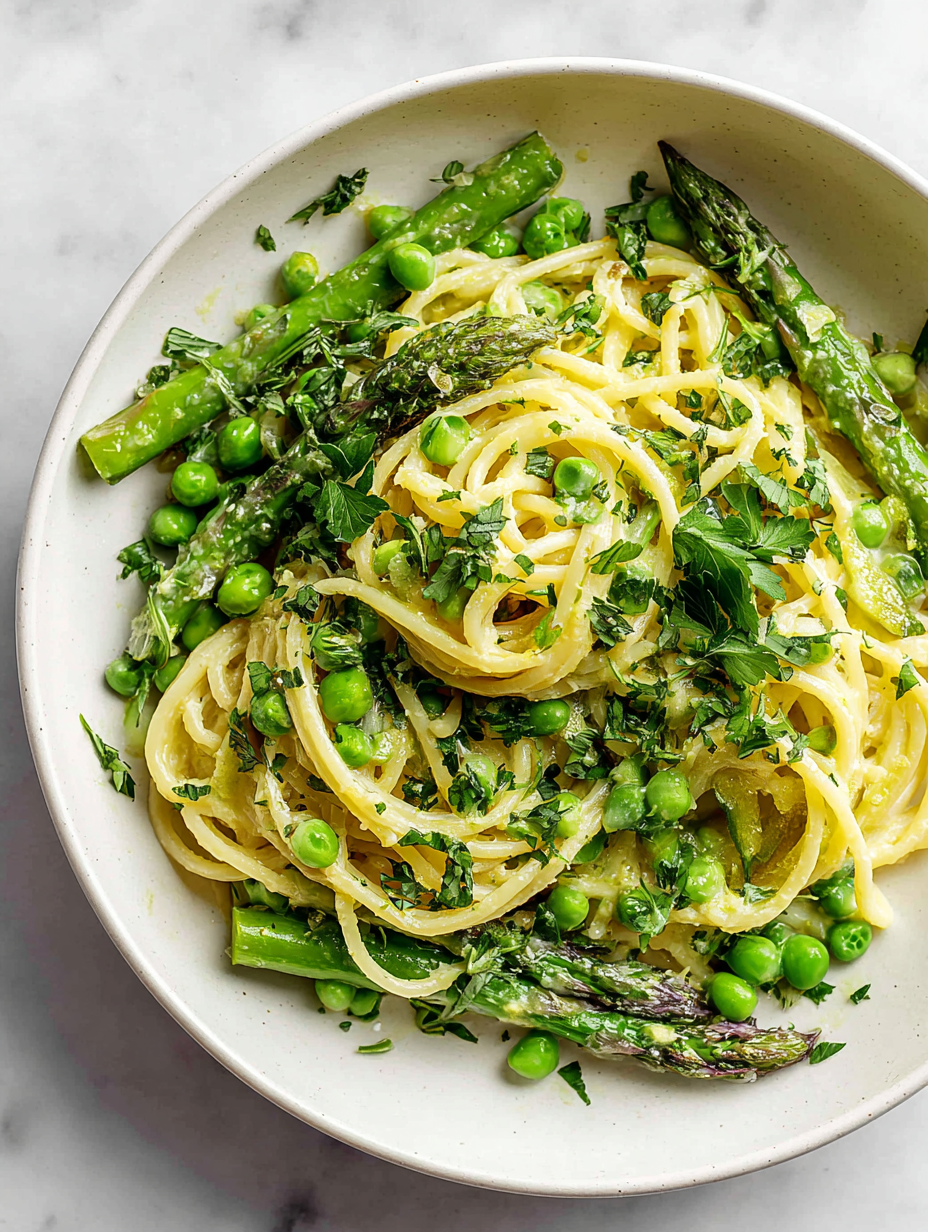
Spring Asparagus and Pea Pasta
Ingredients
Equipment
Method
- Fill a large pot with water, add a generous pinch of salt, and bring to a rolling boil. Drop in your pasta and cook until just shy of al dente, about 1-2 minutes less than package instructions. Drain, reserving about a cup of pasta water, and set aside.
- While the pasta cooks, trim the woody ends off the asparagus, then cut the spears into 2-inch pieces. Rinse the peas if fresh, or measure out frozen peas—no need to thaw.
- Heat your wide skillet over medium-high heat and add two tablespoons of olive oil. When shimmering and fragrant, add the asparagus pieces and sauté until they turn bright green and are slightly charred around the edges, about 3-4 minutes.
- Add the peas to the skillet and cook for another 1-2 minutes, stirring gently, until warmed through and slightly plump. If the pan gets dry, splash in a teaspoon of water or more oil.
- Drain the pasta and add it directly into the skillet with the vegetables. Toss everything together with tongs, allowing the flavors to meld for about a minute. If needed, add a splash of the reserved pasta water for looseness.
- Zest half of the lemon directly over the pasta to release its aromatic oils, then squeeze in the juice. Season generously with salt and pepper, tasting as you go. Toss again to combine everything evenly.
- Sprinkle the freshly grated cheese over the pasta, stirring gently until it melts into a silky coating. Check the seasoning and adjust with more salt or pepper if needed.
- Remove from heat and let sit for a minute so flavors settle. Serve immediately, garnished with extra cheese and a drizzle of olive oil if desired. Enjoy this bright, spring-inspired pasta!
Pro tips for perfect asparagus and pea pasta
- Bolded: Use a wide pan to give vegetables space to cook evenly and develop flavor.
- Bolded: Drop asparagus in boiling water for just 30 seconds if you want extra tenderness, then shock in ice water.
- Bolded: When sautéing peas, add a pinch of sugar to enhance their natural sweetness and make them pop.
- Bolded: Toast your cheese slightly in the pan before mixing to deepen its umami and add a nutty aroma.
- Bolded: Zest lemon over the pasta while it’s hot to release more aromatic oils and intensify citrus flavor.
- Bolded: Save a splash of pasta water—it’s starchy and helps bind the sauce for a silky finish.
- Bolded: When the pasta is almost done, taste-test for a slight firmness—perfect al dente is just before soft, with a little bite.
Common mistakes and how to fix them
- FORGOT to check pasta texture → Test a piece for firmness before draining.
- DUMPED the vegetables too quickly → Sauté until vibrant and slightly charred for depth.
- OVER-TORCHED the garlic → Add garlic in last minute to prevent bitterness and burn.
- USED too much oil → Keep oil amount light; enough to coat, not drown the vegetables.
Quick fixes and pantry swaps
- When sauce is too thick → Splash in a bit of hot pasta water to loosen it.
- If vegetables are limp → Quickly blanch in boiling water, then shock in ice to revive color and crunch.
- Splash burnt garlic → Add a squeeze of lemon to mask bitterness and add freshness.
- Patch over under-seasoned pasta → Toss with a pinch of salt and a drizzle of good olive oil.
- Shield delicate peas from overcooking → Add them last, just until they crackle and turn bright green.
Prep, store, and reheat tips
- Prep the vegetables: trim and wash asparagus, measure out peas, and zest/lemon juice can be done ahead for quick assembly.
- Cook the pasta until just shy of al dente, drain, toss with a bit of oil to prevent sticking, then store in an airtight container for up to 2 days.
- Refrigerate cooked pasta and vegetables separately; reheat in a skillet or microwave until steaming hot, about 1-2 minutes, with a splash of water or oil for moisture.
- The flavor of the dish improves slightly as it sits, with the lemon brightening the longer it melds, but avoid refrigerating for more than 2 days to prevent mushiness.
Top questions about asparagus and pea pasta
1. Can I use frozen peas instead of fresh?
Use fresh peas for a sweeter, crunchier bite, but frozen work well if out of season.
2. Should I undercook the pasta?
Cook the pasta slightly less than al dente since it will sit with vegetables and sauce.
3. How cooked should the asparagus be?
Yes, sauté the asparagus until just tender and slightly charred for the best flavor.
4. When do I add the lemon?
Add lemon zest and juice at the end for a bright, fresh flavor that cuts through the richness.
5. What pasta shape works best?
Use a sturdy pasta shape like cavatappi or rigatoni to better catch the vegetables and sauce.
6. Should I buy pre-grated cheese?
Freshly grate cheese just before mixing for maximum flavor and a better melt.
7. Why do I need to save pasta water?
Reserve some pasta water to loosen the sauce if it becomes too thick or sticky.
8. How do I tell if the vegetables are cooked right?
Keep an eye on the vegetables; overcooked peas turn mushy, and asparagus loses its snap.
9. Can I use less expensive oil?
Use good quality olive oil to enhance the fresh, grassy aroma and overall flavor.
10. How long can I store leftovers?
Serve immediately for the best texture and flavor, as the dish is best fresh and vibrant.
This dish feels like a breath of fresh spring air—simple, bright, and honest. It’s perfect for those days when you want something nourishing without fuss, letting the vegetables do all the talking.
Cooking this pasta always reminds me to appreciate the fleeting beauty of seasonal ingredients. It’s a little reminder that sometimes, less really is more, especially when the ingredients are as good as these.

Hi, I’m Anjali Arora — the curious heart behind Feast Chase.
To be honest, I’ve always felt most at ease in my own company. I’m not exactly a people-person (small talk still makes me cringe), but there are two things I’ve always loved deeply: animals and food.